Introduction to HDPE and Its Applications
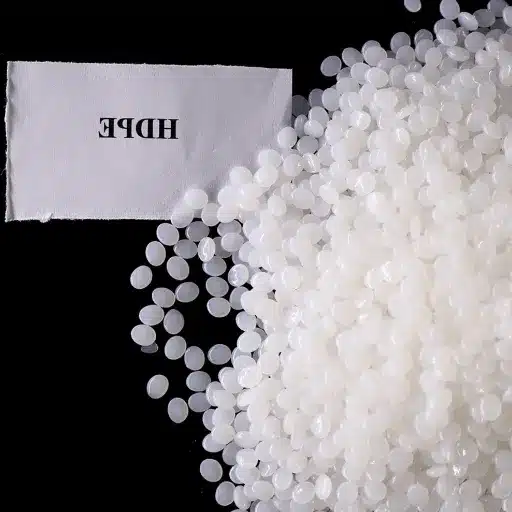
What is High-Density Polyethylene?
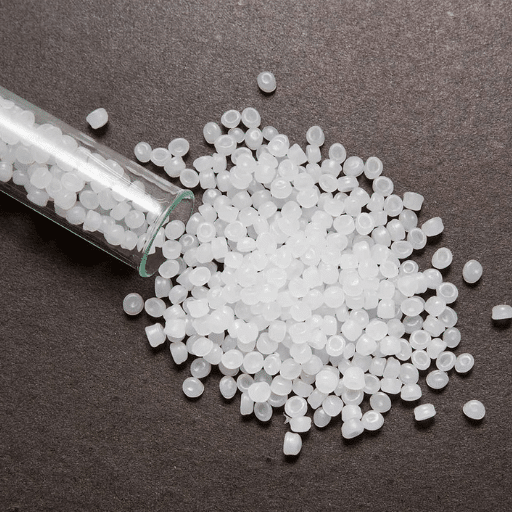
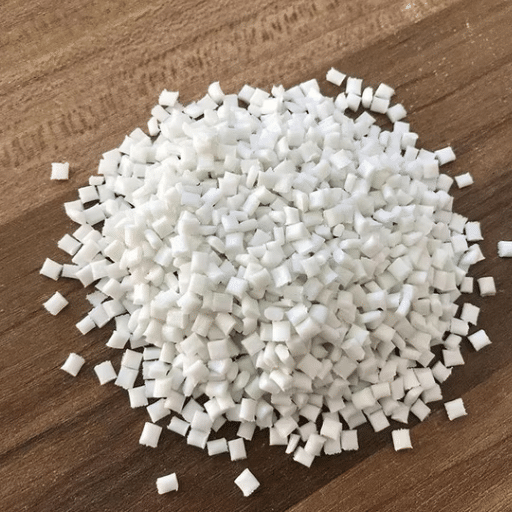
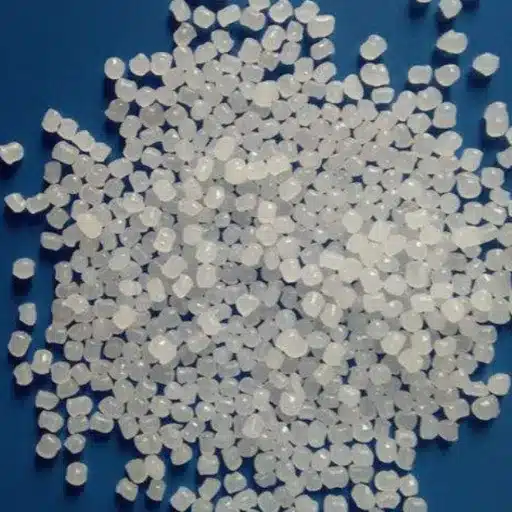
High-Density Polyethylene (HDPE) is a multifunctional thermoplastic polymer that is widely known for its high strength-to-density ratio. Being primarily made from oil, HDPE also enjoys its reputation of being very light and yet extremely tough, therefore, it becomes the first choice material in numerous industries. It is tough enough to withstand impacts, water, and chemicals, making this material long-lasting in various environments. HDPE is entirely safe and recyclable, which further increases its popularity as an eco-friendly option for both industrial and domestic applications. Consequently, it supplies innumerable plastic bottles, pipes, containers, and even geotextiles, which places it in an indispensable position as a fundamental element of modern manufacturing processes.
Common Applications of HDPE Pellets
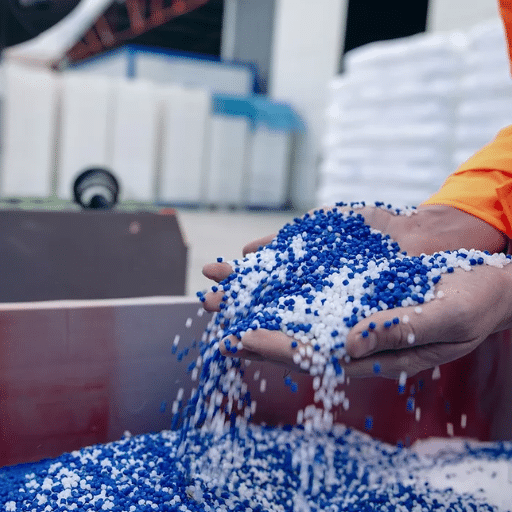
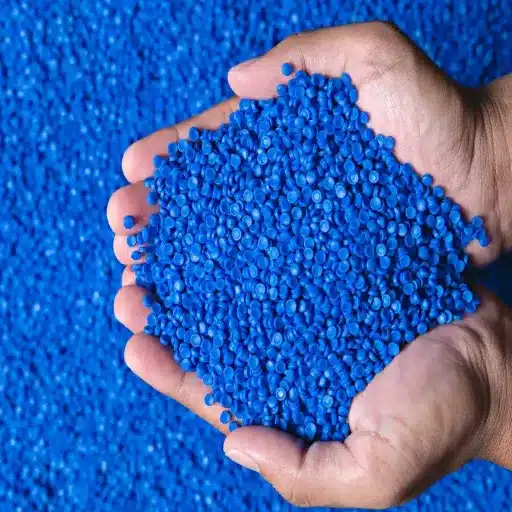
HDPE pellets are used by many industries because they are durable, resistant, and easily adaptable to many applications. To illustrate one field of use, HDPE pellets are melted and formed into bottles, caps, and storage containers for food, beverages, and household items. The fact that they do not contain harmful substances ensures the safety of contact with the consumables, and their physical characteristics will remain the same under different circumstances.
One more field where HDPE pellets are widely used is the construction industry, where they are used to make pipes for water distribution, sewage management, and gas transportation, among other purposes. Their ability to withstand both corrosion and chemicals prepares them for a lifelong role in utility infrastructure. One more application of HDPE, in which its pellets give way, is environmental containment technology, including linings for landfills, reservoirs, and other mining applications.
Apart from that, HDPE pellets are also widely used in the automotive and consumer goods sectors. Their high impact strength makes them be part of fuel tanks, vehicle parts, and even long-lasting household items. The renewability of HDPE makes it more valuable, so one can see that it further coincides with global eco-friendliness targets by downscaling the environmental impact. Exactly so, the multitude of applications points to the fact that HDPE pellets require the closest attention in the context of modern manufacturing and infrastructure.
The Significance of Density in HDPE
Density is one of the essential features of High-Density Polyethylene (HDPE) which regulates the performance characteristics. The high density of HDPE, typically 0.93 to 0.97 grams per cubic centimeter, is what imparts HDPE its incredible strength-to-weight ratio. Thus, it is a material that resists impact, chemicals, and wear, while remaining light. Higher density in the HDPE is due to a greater degree of crystallinity, which lends to the increased rigidity and barrier properties of the material, making it a first choice for PVC as well as piping systems meant for heavy-duty. By understanding the correlation between density and performance, manufacturers can customize HDPE’s properties to meet end-user industry requirements while remaining sustainable from an efficiency perspective.
The Role of Recycled HDPE Pellets
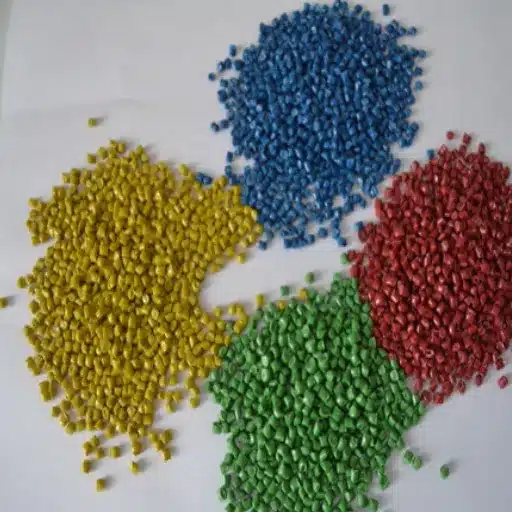
Benefitting from recycled HDPE
Using recycled HDPE pellets for the production of goods offers significant environmental and economic advantages. Recycling of HDPE, firstly, cuts down on the need for virgin plastic production, hence conserving natural resources like petroleum and also reducing carbon emissions related to mineral extraction. Secondly, the utilization of recycled materials minimizes plastic waste, which in another case will be disposed of in a landfill, hence polluting the environment. This way it supports the concept of circular economy through the extension of the life cycle of plastic materials. Also, the durability and the flexibility of recycled HDPE are very much similar to virgin HDPE which in turn makes it the most cost-efficient and eco-friendly solution for the industries that vary from packaging to construction. Therefore, manufacturers can achieve their sustainability targets using recycled HDPE without any quality drawbacks whatsoever. Thus, they will be promoting not only environmental preservation but also reaping the long-term economic benefits.
Integrating recycled HDPE material as a raw material is one way through which manufacturers can meet environmental goals without changing the product quality.
Quality Considerations for Recycled Plastic
The stringent quality standards have to be set up and followed to the letter when stopped the use of recycled plastics like HDPE for various applications to be as efficient and safe as possible. Sort out the materials before cleaning them, and that is the essence to get rid of the contaminants that would otherwise harm the recycled material—as a result, using advanced technologies- like infrared spectroscopy and automated sorting systems- results in higher pure and consistency levels in recycled plastics. In addition, checking physical properties such as tensile strength, impact resistance, and thermal stability is essential to ensure that the recycled plastics meet the required specifications. Chemical recycling processes are also being continuously developed to the stage where plastics are separated into their basic monomers thus paving the way for the synthesis of highly pure recycled materials the same as the ones from virgin sources. Industry players, by means of stringent measures of quality control, can, at the same time, enhance the performance and reliability of recycled plastics while curbing significantly the environmental footprint
Energy Efficiency in Recycling Processes
The present situation of recycling technologies offers that more and more efficient energy consumption of the recycling process is the main goal to achieve the overall environmental effect of materials recovery. Increased efficiency, such as mechanical recycling, has minimized energy consumption while maintaining high material quality. As a result, the innovative waste-to-energy methods of advanced pyrolysis and catalytic depolymerization are even less energy-intensive than traditional methods, thereby converting waste into recoverable forms. Furthermore, by applying renewable energy sources like solar or wind power to the recycling operations, not only decreases the cut of fossil fuel-based energy but also makes the cycle of the recycling plants more sustainable. Merging of the energy-efficient technologies and the integrated waste management systems significantly reduces the industry’s greenhouse gas emissions and gives a big boost to the recycling industry’s revenue side thus contributing to the promotion of environmental and economic sustainability on a long-term basis.
Impact of HDPE on Sustainability
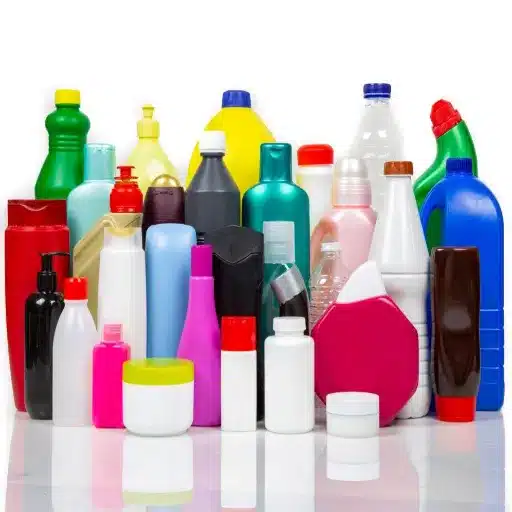
HDPE and the Environment
High-Density Polyethylene (HDPE) is a plastic widely used for its strength, toughness, and recyclability. Among plastics, HDPE is among the most environmentally friendly, as it can be easily recycled and reused. Recycling HDPE items like pipes, containers, and bottles keeps them in good condition and reduces the demand for new materials.
On top of this, progress in HDPE production processes has helped lower energy use and emissions, contributing to a more sustainable manufacturing approach. Besides that, when disposed HDPE is properly managed, it can be easily converted into valuable secondary products, leading to reduced landfill impacts and lower volumes and quality of non-degradable waste. At the same time, if it is not handled correctly, HDPE disposal can cause pollution and generate microplastics that are dangerous to the ecosystem. The practical and environmentally friendly use of HDPE would require a good balance of new production methods introduced, recycling systems operating in a more convenient and environmentally friendly manner, and informing and educating the general public about the matter.
Comparing HDPE with Other Plastics
The plastics HDPE, with its strong, durable, and recyclable properties, is the most standout. As far as chemical resistance and durability are concerned, HDPE has a higher level vis-à-vis other common plastics including PVC or polystyrene, hence it can find its place in many application fields from piping and storage containers to high-performance geomembranes. The flexibility of PVC, for instance, can be compromised by the addition of plasticizers, whereas HDPE maintains its durability without such potentially harmful additives.
Moreover, HDPE’s popularity as a “green” material is a common theme, and it enjoys a better reputation than more recyclable but environmentally harmful polystyrene. One aspect that makes HDPE superior is the plastic recycling process involves working on HDPE, a labor-intensive material. This is why it can be reused multiple times and reduces overall environmental impact. It is hoped that, with the advent of material-processing technology, processing costs could be further reduced, possibly by a factor of 2 or more. Meanwhile, the recycling process of polyethylene terephthalate (PET) is similar to that of HDPE. But still, HDPE’s high modulus of elasticity is more manageable. It is in these applications requiring structural integrity that HDPE’s strength-to-weight ratio will be most valuable. Hence, the significant adoption of this polymer continues across various industries, reflecting their efforts to provide more reliable and sustainable options.
Future of Sustainable Manufacturing with HDPE
The future of sustainable manufacturing with HDPE is its seamless integration with innovative technologies and circular economy practices. Advancements in recycling technologies, such as chemical recycling, are enabling the transformation of used HDPE into high-quality, virgin-grade resins for use in closed-loop systems. Another way is to promote the development of bio-based HDPE sourced from renewable sources like sugarcane, which significantly reduces the carbon footprint and slashes petroleum-based plastic use.
Besides those, companies are investing in energy-saving production methods, and they are continuing to expand into various sectors, with HDPE applications also being optimized for packaging, construction, and automotive. If the makers combine HDPE’s well-known endurance with these novelties, then products with longer life cycles can be the result and this is in conformity with the goals of sustainability. This continuity is another point that underscores HDPE’s potential to lead the effort to create a world that is more resource-efficient and environmentally conscious.
Understanding the Quality of HDPE Pellets
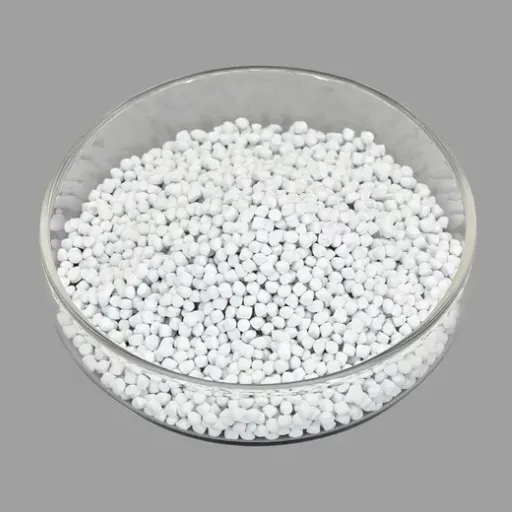
Factors Affecting Quality in HDPE Production
Several crucial factors influence the quality of HDPE pellets. They start with the selection of raw materials and extend to processing methods. The feedstock impurities are the first to mention since they have a direct effect on the final product in terms of consistency and performance characteristics. Undesired substances or pollutants in the feedstock can result in the formation of defects or in reduced pellet strength. Additionally, accurate temperature control during polymerization and extrusion processes is an essential factor in determining the molecular weight distribution and crystallinity of HDPE, with immediate effects on mechanical characteristics. The catalyst’s nature and the polymerization conditions, along with the polymerization parameters, control the attributes of the polymer structure and play significant roles in quality. It also becomes critical to monitor the moisture content and the uniformity of the pellets, as differences can extend beyond downstream processing and affect the overall reliability of the material. Of utmost importance is the existence of an advanced quality control system, along with a strict testing protocol, to ensure that HDPE pellets with top performance are produced that comply with industry specifications and sustainability standards.
Testing and Standards for HDPE Pellets
The testing and standardization of HDPE pellets is a comprehensive process, as every physical, chemical, and mechanical property must be thoroughly analyzed to ensure the products remain of consistent quality and meet market demands. Essential tests include MFI tests to assess the ease with which the material can be processed, density measurements for material classification, and tensile strength tests to gauge the material’s capacity to withstand stress. Moreover, thermal properties, such as the heating point and the temperature of heat deflection, are investigated to double-check the material’s fitness for purpose across various types of applications.
International standards, such as those from ASTM International and ISO, for example, recommend testing procedures and quality benchmarks. ASTM D1238, for example, is the standard method for measuring the MFI of thermoplastics, while ISO 1183 is the primary document for density determination techniques. Fourier-transform infrared spectroscopy (FTIR) and differential scanning calorimetry (DSC) are two advanced characterization techniques essential for analyzing polymer composition and thermal behavior. Manufacturers that adhere to such strict standards can be assured that their HDPE pellets are reliable, sustainable, and suitable for a variety of industrial applications.
Quality Consistency at Peak Levels
The industry’s demand for HDPE pellets of the same quality is met through the combined use of high-tech machinery, strict adherence to rules, and precision at all times. To support real-time tracking of several manufacturing parameters, manufacturers are using the latest equipment. The use of statistical process control (SPC) is one of the most common methods manufacturers use to address variation and maintain production quality from one big run to another at a similar level. In addition, companies conduct ongoing quality control checks, and among the numerous tests implemented are tensile strength and melt flow index (MFI). Through the utilization of these best practices, the industry is able to have and maintain a better level of consistency than what used to be and the industry thus is able to meet even the high demand for cutting-edge HDPE applications.
Innovations in HDPE Material Use
Emerging Technologies in HDPE Manufacturing
The latest research I conducted showed that emerging technologies in HDPE (High-Density Polyethylene) manufacturing prioritize achieving the highest efficiency, sustainability, and performance. Among the most prominent improvements is the use of up-to-date catalyst technologies. These catalysts are the main reason for the much-improved control over the properties of a given polymer, so the HDPE grades were completely new and intended to fit specific applications perfectly. For instance, metallocene catalysts, which offer greater clarity, strength, and processability, have been well received for resin production. These innovations have the effect of expanding the application areas of HDPE almost infinitely, while simultaneously improving product quality.
Digitalization and Automation in HDPE production are intertwined, and it is one of the most exciting areas. In the context of HDPE production, technologies such as Artificial Intelligence (AI) and Machine Learning are used to a large extent in production line optimization, defect detection in real-time and reduction of energy consumption. Furthermore, the implementation of sensors and IoT (Internet of Things) devices plays a vital role in monitoring equipment performance, reducing downtime and improving overall efficiency. The use of these technologies not only saves raw materials and water but also enhances the sustainability of the HDPE production process.
With the rise of recycling-based technologies and the production world championing zero-waste approaches, the shift to closed-loop manufacturing processes has been gaining traction. The circular economy is emerging. It is getting closer to life. The eco-circle begins with one of the mentioned zero-waste technologies. Transforming end-of-life HDPE packaging into a new bottle from bottle-to-bottle strategy is well within the industry’s scope. Reducing the use of raw material for this purpose is akin to killing two birds with one stone: waste reduction and, eventually, reduced sourcing of the fossil-fuel-dependent HDPE resin, since less raw material is obtained and processed to make new bottles. This is the complete process where the very same HDPE material is used. Ashoka’s one of the winners of the environment category in 2019 developed the BPET shampoo bottle made from what we throw away (from white PET packaging waste).
Case Studies of Innovative HDPE Applications
Recently, as I explored new and creative ways to use HDPE, I came up with a number of interesting examples that admirably showcase its complex, real-world problem-solving nature. One instance is the use of recycled HDPE in sustainable infrastructure projects. The epoch-making thing about it is that many companies have already started manufacturing products such as pipes, plastic lumber, and roofing tiles made entirely from post-consumer HDPE. In fact, recycled HDPE pipes are among the best-known applications and most accepted in municipal water systems because of their high resistance, longer life, and lower susceptibility to corrosion compared to materials like steel or concrete. The economy that goes along with these alternatives is such that, while they will be environmental-footprint-minimizing, they will hardly bring down the level of durability and performance that infrastructure currently has.
Yet another interesting sector is packaging, where state-of-the-art technologies now integrate HDPE to deliver more intelligent, greener packaging designs. A significant case is the manufacturing of totally recyclable HDPE bottles for the personal care and household products sectors. Major corporations like Unilever and Procter & Gamble are bringing to market bottles that contain high levels of recycled HDPE without compromising quality or appearance. These new ideas mean not only that less virgin plastic is used but also that closed-loop recycling systems are encouraged, thereby promoting the concept of circularity.
To conclude, HDPE is now an automotive industry favorite that is being used in the production of the vehicles to obtain lighter and more fuel-efficient ones. Accessories such as fuel tanks, bumpers, and interior panels are manufactured from HDPE because of its remarkable toughness and low weight, making it an important material. Based on the newly started process, not only are production costs reduced, but there is also energy savings and reduced pollution, which, together, are more eco-friendly than the traditional way of making cars. These examples suggest that HDPE is still on the way to promote industries in a more environmentally friendly way via the conventional method, i.e., performance trade-off.
The Future of HDPE in Modern Manufacturing
In my view, the prospects for HDPE (High-Density Polyethylene) in the contemporary manufacturing sector are highly favorable, owing to its multifunctionality and alignment with the green economy. Due to the growing emphasis on environmental safety, more and more industries are opting for HDPE, a plastic of choice. Production of both materials and goods is the primary sector in which HDPE is used at an accelerating rate. Recyclability and durability are among this plastic’s strongest suits, proving its worth to manufacturers as a substitute for waste while delivering satisfying performance. Businesses are investing in advanced recycling systems, such as chemical recycling, that turn waste HDPE back into a material of the same quality as virgin HDPE. This way, the material’s lifetime is extended while environmental impact is reduced.
The adoption of innovative production techniques is a major contributor to the high demand for HDPE. A current trend set by manufacturers is the use of bio-based raw materials, such as Renewable plant sources, which will eventually result in the production of HDPE without the need for oil. This eco-friendly creation mode fits perfectly with the world agenda of discontinuing the use of petroleum and avoiding greenhouse gas emissions from associated activities. In addition, many sectors, including packaging, automotive, construction, and medical industries, are finding new ways to streamline their processes by incorporating HDPE into applications that require toughness, ductility, cost efficiency, etc.
When I look to the future, I predict that HDPE will become extremely important in the circular economy, a model in which materials are continually reused to minimize waste. It is expected that the main activities in the area of research and development will be aimed at such areas as the enhancement of that material’s qualities just to make it ideal for some even more strenuous applications, e.g., extreme temperatures or innovative technology for traceability. HDPE may be the material of the future for the production of everyday items, as it offers a clear pathway to sustainability and technological innovation in the process.
Reference Sources
-
The Ultimate Guide to HDPE Plastic Pellets
Highlights the benefits of HDPE granules, including tensile strength, abrasion resistance, and chemical resistance. -
Exploring the Versatile Applications of HDPE Pellets in Modern Manufacturing
Discusses the toughness and water-resistant qualities of HDPE pellets across various industries. -
Versatile HDPE Plastic Pellets in White and Black Colors
Explains the advanced processing technologies ensuring consistent quality of HDPE granules. -
Understanding HDPE Pellets: Properties and Applications
Covers the use of virgin and recycled HDPE in applications like irrigation pipes, greenhouse films, and garden furniture. -
Characteristics And Applications of HDPE Pellets
Focuses on the role of HDPE pellets in packaging solutions, including bottles, caps, and plastic bags.
Frequently Asked Questions (FAQs)
What can be the usage of HDPE pellets for injection molding, and why are they used?
The steady, low-cost transportation, a prominent feature of polyethylene, enables ventures that contribute most to improving melt flow, mass consistency, and overall dimensional control to become more probable. Various suppliers of virgin HDPE pellets offer two main categories: pure and recycled. Unique among the world’s polymers, the recycled material can be the most significant raw material source. The final product is made from different blends of recycled plastics, easily recognizable on the market and with varying flow, stiffness, and the like. The profit from using the correct material is significant in high-precision, narrow-tolerance mold and part design applications. For surface finish and fast filling, most large processors prefer materials with better flow. The time and money savings from the improved processing not only stop at the selection of the product but extend to the complete processing, preceded by the right drying.
What is the environmental impact of recycled plastic pellets?
Recycled plastic pellets help reduce landfill waste and have a lower energy footprint than virgin HDPE produced from crude oil-derived feedstocks. In terms of resources, recycled HDPE pellets can play a role in a tire-to-tire movement that will ultimately reduce greenhouse gas emissions throughout the product life cycle. However, the quality and consistency of recycled materials also need to be managed, and the end-use applications for which the material will be used must be considered; otherwise, it will not perform well. The development of blends using various byproducts and other waste materials is one way to avoid having to recycle the whole product, but no matter how good the process and material quality are, they are something to keep in mind. Certification and tracing of recycled pellets also ensure that manufacturers are sourcing pellets responsibly in their production process.
How does the quality of the pellet impact the performance of the product?
Pellet quality is a critical factor that directly impacts the mechanical properties, surface finish, and long-term durability of the end product. Pellet quality primarily determines the mechanical properties of the final product. Most polyethylene pellet manufacturing requires a separate process for each grade because differences in melting points and mechanical properties make them unsuitable for the same extruder. The more consistent and uniform the melt is, the more uniform the finished product specification, hence the higher the production rate. Pellets of poor quality may come from low-grade stock materials or have been inadequately processed; either way, they affect the final product. It is normal for polyethylene manufacturers to designate each grade with a typical melt flow index range and contaminants level, and with overall irregular intensity of such a choice as the principal factor to select the economically smart feedstock pattern
What are the advantages of using recycled hdpe pellets in terms of energy?
The energy consumption in producing recycled HDPE pellets is typically lower than that of manufacturing virgin HDPE, hence, reducing the overall carbon intensity of the product. This reduced energy demand in the feedstock processing can result in cost savings and more favorable sustainability indicators for the downstream manufacturers. When properly processed, recycled pellets can be made to have similar mechanical properties and they will still be applicable for many low- and medium-risk applications. Energy savings are optimal when the recycling streams are thoroughly sorted, and contamination is kept to a minimum thus reducing the number of reprocessing steps. Life cycle assessments consistently confirm significant energy and emission reductions associated with the use of recycled pellets instead of virgin material.
What kind of plastic materials is high-end extrusion and molding the best choice for?
Polyethylene has various grades, among them HDPE pellets are the most popularly used in extrusion and molding processes that are tough and chemical resistant. It is crucial to consider the right melt flow and molecular weight when seeking high-performance parts, as this is the key to achieving maximum strength while also providing a high-quality surface. In most cases, virgin HDPE is the one chosen when the need is for a superplastic with a predictable run, and blends of recycled material can be fine-tuned to reduce costs and resin use. A range of substances and stabilizers is available to prevent the development of defects, such as UV resistance, impact strength, and thermal stability. Suppliers will be of great assistance in selecting the most suitable product to meet the demands of different applications.
How to minimize defects from happening when working with HDPE plastic pellets and granules for manufacturing?
Controlling drying, temperature profiles, and screw speed are steps to reduce defects during the processing of HDPE pellets and to keep the flow and melt homogeneity in check. Among the strategies, selecting pellets of equal size and low contamination will directly reduce burns, gels, and voids in the molded product, resulting in a nearly seamless molding operation. The choice of a proper-grade polyethylene having the right melt flow index for the part geometry also contributes to better filling and surface quality. Even the regularness of equipment maintenance and the monitoring of performance metrics can be the way to go for scrap rates to drop and the overall product yield to rise. Finally, another way to securely anchor high, repetitive standards in production is to conduct source verification and quality testing for incoming batches.
This comprehensive guide demonstrates how HDPE plastic pellets continue to be an essential material in modern manufacturing, combining durability, versatility, and sustainability to meet the evolving demands of various industries worldwide.