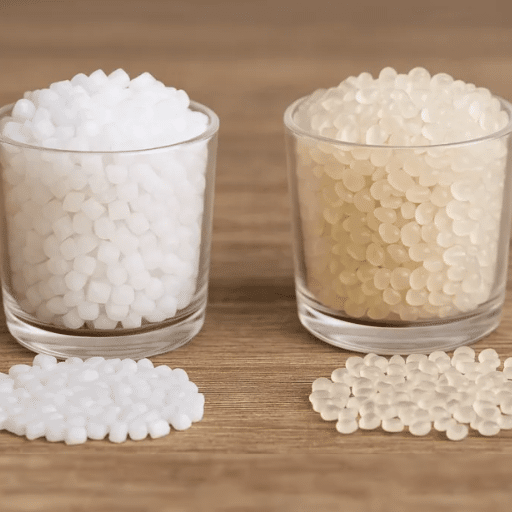
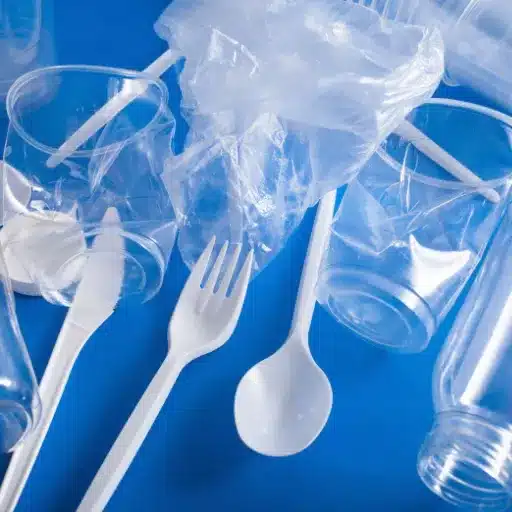
Plastic used to be a very important material in the modern industrial and consumer market. This has in most cases been an alteration in the way of life, work, and the environment have been affected around us. It has mainly been owing to its flexibility, durability, neatness, and low manufacturing cost that it has found its way from just a few uses in sectors like packaging and automotive manufacturing to a wide range of applications in healthcare and electronics. Still, the general use of plastic is also related to probably the most complex and harsh environmental and social impacts, which in their turn have been the cause of the most intense discussions on the need for sustainability and innovation. This article is about giving 10 key facts and then a further analysis of the contribution of plastic use to the world’s economic performance, the status of the environment, and new demand patterns. Under this presentation, readers will be successful in gaining a detailed view of plastic not only as a very important and highly useful source of progress but also as a tough issue that obliges the human race to be constantly thinking, and acting creative.
Understanding Plastic and Its Origins
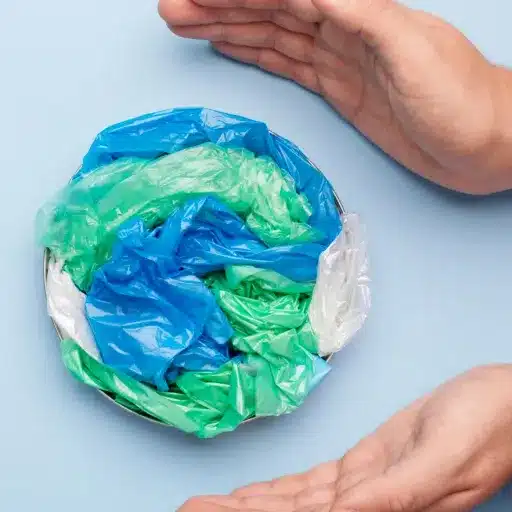
📌What is Plastic?
Plastic is made of the primary materials, which are the polymers that are long chains of the repeating molecular units, that are synthetic or semi-synthetic. The origin of these polymers is usually from natural resources like crude oil, natural gas, or plant-based materials. The manufacturing process normally includes polymerization or polycondensation, which results in broadly adapted substances that can be formed into diverse shapes and sizes by means of heat and pressure. Based on its properties and structural elements, plastic can mainly be divided into two types that include thermoplastics and thermosetting plastics, where the former can be remelted and reshaped many times and the latter will be solid after the first molding. Plastics have become a necessary part of industries such as the packaging and automotive because of such qualities as lightness and the ability to resist corrosion apart from their long use and in some cases even irreplaceable materials. delving into the nature of these traits, people can also easily be reminded of the fact that although plastic is one of the toughest materials on earth, its resistance to decomposition is an important factor that supports the accumulation of waste and pollution in the environment.
📜The History of Plastic Production
Plastic started being produced on a larger scale in the mid-19th century through the manufacturing of Parkesine, the first man-made plastic, by Alexander Parkes in 1862. Parkesine was first derived from cellulose and further developed to serve as a substitute for organic materials like ivory and tortoiseshell, resulting in a more readily available and adaptable choice. The era of the synthetic fabric began in 1907 when the production of Bakelite was first made possible. The chemist responsible for this history-changing event was Leo Baekeland, who invented and registered the patent. Bakelite was the very first product of industry that was made only of oil and gas. Thus, its production was one of the biggest milestones in the history of materials science. Being well-resistant to heat and one of the best electrical insulators among materials, it soon found its way into a lot of manufactured articles from the electron field and household goods in general.
The period that came right after the end of World War II was quite a significant one in terms of the growth that the plastic production sector achieved with an incredible pace. All of it was greatly facilitated by the development of polymer chemistry and, on the other hand, by the global industrial boom that marked the entire 20th century and brought along with it an increasing demand for plastics. The invention of the core plastics like polyethylene, polypropylene, and polyvinyl chloride (PVC) reshaped the industrial world. One great example is polyethylene, spotted in the 1930s, it soon turned to be a top material for packaging world markets thanks to it being light, water-resistant, and durable. The becoming of diverse plastic polymers has surely been a key factor in the coming about of many diverse solutions more able to meet the specific needs of due to corrosion, the industrial sector, among others, and consequently the plastics technological revolution. Plastic material has been so greatly used that it began to concern as after the end of the twentieth century, it became nearly impossible to distinguish any modern product that does not contain components of plastic material, and these products are often also made solely of plastic material.
Global plastic production surplus a few hundreds of metric tons every year, a pace credited for the advances in polymer science and technology and manufacturing. Moving the same direction, the whole world is becoming acquainted with Valley Recycles, the entire universe population realizing that the best way to fix this is to make changes in both tech and law concurrently, not one or the other. The emergence of recycles and biodegradable is the other face of the coin in that it is close to impossible. A proper analysis of the evolution of synthetic polymers not only puts in focus the great role they have played in the world’s industrialization but also the need for a sustainable way to naturally.
🔬Types of Plastics Used Today
After the heat and chemical structure, clear distinctions between these two groups of plastics can be made: the thermoplastics and the thermosetting plastics. Thermoplastic family, such as polyethylene (PE), polypropylene (PP), polystyrene (PS), and polyethylene terephthalate (PET), is developing the ability to be melted and shaped for many times without notable chemical deterioration as their characteristic bearing. These undoubtedly dominant in the industries of packaging and construction, and automotive manufacturing, the lightness, durability, and economic operation among their attributes frequently considered. Moreover, it is in the case of consumer goods like bags and bottles that polyethylene, for one, is mostly seen, PET, on the other hand, is very much a part of the beverage industry and the container sector.
Thermosetting plastics, unlike thermoplastics, are made up of materials like epoxy resins, phenolic resins, and polyurethane. Their nature hardens the plastic and ensures that it can not be re-melted or re-formed after being hardened. The toughness and inability to be soft-used of the thermosetting plastics, because of the high resistance to high temperatures and high strength, have led to the extensive use of these plastics in aerospace, electronic, and construction industries.
Moreover, there have been significant developments in polymer science through which have been produced stretches of plastic that could be used in the construction process and in the high-performance plastic such as polycarbonate (PC), polytetrafluoroethylene (PTFE), and polyphenylene sulfide (PPS). These types of materials come with improved mechanical and thermal properties which make them the first choice for a number of strategic applications including medical devices, advanced automotive components, and industrial manufacturing. To know these divisions is the mainstay in the creation of eco-friendly and material-efficient plastic replacements across industry segments.
10 Facts About Plastic Pollution
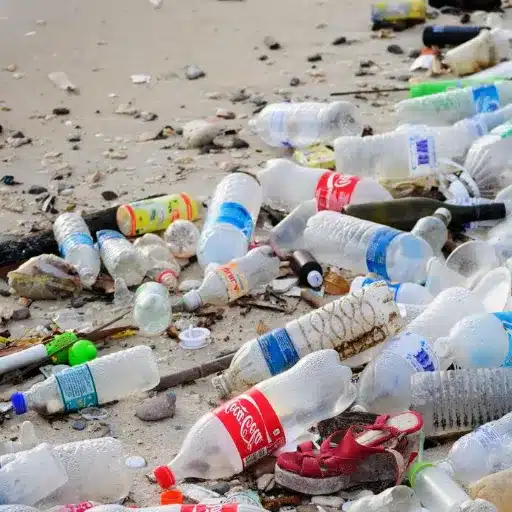
Statistics on Plastic Pollution
1Global Plastic Production
Current global plastic production exceeds 400 million metric tons annually, with approximately half of this being single-use plastics. The widespread reliance on single-use products amplifies waste accumulation, particularly in urban and marine environments.
2Marine Debris Impact
Over 8 million metric tons of plastic waste enter the oceans every year, forming massive pollution hotspots such as the Great Pacific Garbage Patch, which spans an estimated surface area of 1.6 million square kilometers.
3Recycling Rates
Despite advancements in recycling technology, globally, only about 9% of all plastic waste produced is successfully recycled. The remainder is often incinerated, sent to landfill, or improperly discarded.
4Microplastics in the Ecosystem
Microplastics, defined as plastic particles less than 5 millimeters in size, have been detected in approximately 90% of bottled water brands globally and are now present in soil, air, and various food chains.
5Economic Costs of Pollution
The economic damage caused by marine plastic pollution is estimated to reach $13 billion annually, encompassing clean-up efforts and losses in key industries such as fisheries and tourism.
6Human Health Risks
Studies reveal growing concerns about the potential health impacts of plastic pollution, as humans ingest and inhale microplastics. On average, individuals may consume up to 5 grams of plastic per week, roughly equivalent to the weight of a credit card.
7Plastic Waste Exports
High-income countries export significant amounts of plastic waste to lower-income nations for processing or disposal. This practice frequently leads to environmental and human health issues in underregulated regions.
8Reduction Initiatives
Over 60 countries have implemented bans or regulations on single-use plastics, including straws, bags, and cutlery, aiming to mitigate local pollution and drive sustainable material innovation.
9Projected Increase in Plastic Usage
Without intervention, plastic production is projected to triple by 2060, driven by industrial demand and consumer packaging trends, further exacerbating waste management challenges.
10Impact on Marine Species
More than 700 marine species are directly affected by plastic pollution, with ingestion or entanglement often resulting in injury or death. Sea turtles, seabirds, and marine mammals are among the most vulnerable groups.
Addressing these staggering statistics requires a coordinated global effort to innovate materials, enforce policies, and promote behavioral shifts toward more sustainable consumption patterns.
Impact of Plastic on Marine Life
Plastic contamination has an even more serious impact on marine life than the debris we see. Microplastics—plastic pieces less than 5mm—are a big problem. These small particles, mostly from the disintegration of large plastics but also from sources like man-made fabrics or industrial grinding powders, have been found in all water environments, starting from sea sediments near the coast to deep-sea underwater sediments. Microplastics are consumed by a wide variety of aquatic organisms, plankton, fish, shellfish among others, forcing the food web to be mutated so that harmful chemical additives are introduced into the system and the creatures are deprived of feeding by the blocking of their intestine.
Besides that, plastic waste is also notorious for proliferating invasive species and pathogens. Moreover, it has been identified as a colonization and migration booster, especially with the help of floating plastic that can carry different kinds of life-forms across oceans and on to different ecosystems which in turn leads to imbalance of the ecosystem. The economic implication of such events is extremely high since plastic pollution affects the fisheries, tourism, and other marine-based industries through the collapse of ecosystems and the emergence of high cleanup costs. Current advances in the use of biodegradable plastics and the development of recycling systems have made some major contributions in the struggle; however, these solutions must be taken up by everyone and the policy has to be consistently implemented to prevent any forthcoming severe damage properly.
Plastic Pollution in Urban Areas
The urban areas’ plastic pollution, on the other hand, is at a very critical point, especially due to rapid urban globalization, the development of the population, and the poor quality of the public waste disposal system. The residential waste produced by the cities is enormous, and the plastic items are significantly present. They have a bad habit of avoiding proper disposal places and then finding their way to the streets, waterways, and drainage systems, thus causing a lot of problems both environmentally and infrastructure-wise. Data-related research shows that the plastic debris from the cities is a major source of marine plastic pollution, as the management practices in these places are not up to the required standards and the debris is able to get into the rivers through which it eventually reaches the ocean.
In place of this issue, there are already innovative solutions. Some cities have been making use of the best achievable methods in recycling waste as well as smart recycling programmes that have excellent plastic recovery rates. Additionally, the support of reusable materials and the imposition of stricter regulations targeting plastic bag usage have managed to cut down the dependency on single-use plastics. Though, these initiatives to a great extent depend upon unswerving enforcement, public support, and investment in comprehensive waste infrastructure. To cope with the plastic pollution problem in cities a multi-faceted strategy is to be followed – which includes, but not limited to, education, policy reformation, and technology leap.
The Role of Single-Use Plastics
Definition and Examples of Single-Use Plastic
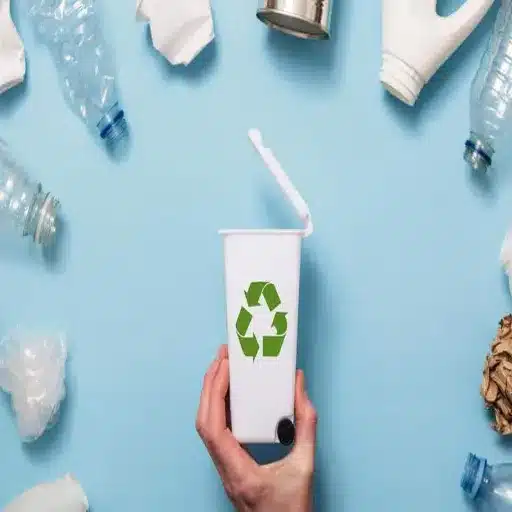
Plastics that are used once and thrown away are single-use plastics. They are usually produced for the sake of convenience and are not meant to last for very long or be used multiple times. The most common products in this category are plastic bags, straws, water bottles, cutlery, and food packaging. Despite their indispensable role in the way we live today, the single-use items often embody an economic strategy and a non-reusable aspect that goes against the environment. Recent reports have it that a considerable part of all plastic waste is made up of single-use plastic materials. Billions of tons are dumped into landfills or seep into ecosystems every year. Due to the inability to recycle them and the lasting negative effects on nature, single-used plastic materials have turned into a very pressing and challenging issue to manage waste and preserve the environment at the same time.
Environmental Impact of Single-Use Plastics
Among the different causes of environmental pollution, one can find single-use plastics standing out because of the following very reason that they are produced, distributed, and remain in the environment for a very long period. Data that has been collected very recently is pointing to a global production of approximately 400 million tons of plastic per year, with disposable items occupying almost 50% of the total output. These are the products that are ultimately destined for the convenience of the customers, yet they commonly become waste scattered all over natural ecosystems or crumbled into microplastics, which eventually find their way through soils and water systems. Microplastics pollution has become a matter of global concern, as their existence has been identified even in the outwardmost regions and remotest locations such as the deepest oceans to the highest ice caps, showing how plastic contamination has become a global picture. Besides the biodegradation of these substances is the leaching of poisonous chemicals into the surroundings adding fuel to the fire. Consequently, microplastics have the potential to indirectly harm the whole food web through their continuous circulation. In addition, the leaching of these materials releases harmful chemicals into the environment, further exacerbating the issue.iola100This pervasive pollution leads to a multitude of risks for the living organisms and the marine ecosystem is arguably the most affected through different routes of exposure such as ingestion or entanglement of the plastics. Solving this problem will need the application of changes in the manner of producing these products and other processes that are systemic and the cooperation of countries so that the environmental impact of single-use plastics can b creek was about to happen.
Alternatives to Single-Use Plastics
Moving away from using single-use plastics is becoming possible only with the adoption of the environmentally friendly and scalable alternatives. An excellent option is the application of bio-based materials, e.g. polylactic acid (PLA) made from either corn starch or sugarcane. The materials break down in an industrial compost environment contributing significantly to saving the environmental footprint. The same instead, another green option, polyhydroxyalkanoates (PHA) is going very well in the market as they are also able to break down naturally and are safe for life forms without providing harm.
Yet another major solution consists in the use of materials that are long-lasting, such as glass, stainless steel, or silicone, for the manufacture of the reusable product. The items like bottles, straws, and food containers which can be reused and therefore are more sustainable means of packaging. Additionally, the stuff made of paper, if taken from a managed forest and preserved with water repellent, may become an acceptable substitute to the bags and packages that were for one-time use.
The emergence of such solutions as the seaweed or milk protein-based edible packaging is very exciting; some even find them revolutionary. They do not only get rid of unnecessary waste materials but also open up novel ways of designing a product that won’t harm the environment. Besides, implementation of plastic recycling and reuse consumer waste-based and other principles stemming from circular economy with the help of appropriate government rules should be the later part of the plan aiming for the globalizing of the alternative energies.
To ensure the success of these options, widespread consumer education and corporate accountability must go hand-in-hand with advancements in material science. Only through a collaborative approach can the dependence on single-use plastics be effectively diminished.
Recycling and Its Challenges
How Plastic Recycling Works
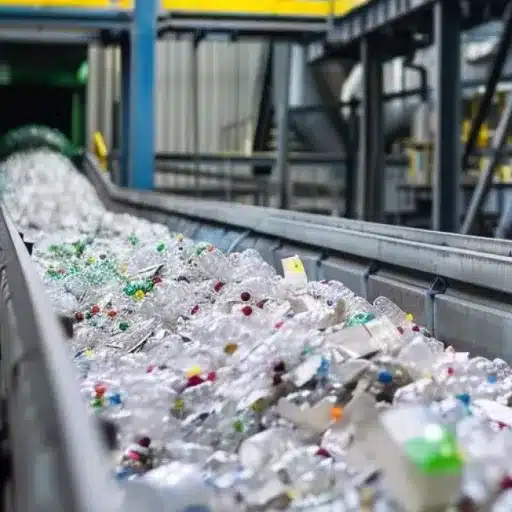
Plastic recycling is a multi-step process by which post-consumer waste is transformed into reusable material, hence reducing environmental impact. The first step for the collected plastics is a sorting phase in which they are divided according to their resin type and color. great technological advancements are with the use of near-infrared (NIR) spectroscopy and AI-powered sorting systems which have brought about the accurateness and productivity of this step. The next step is cleaning of plastics through which the contaminants such as labels, adhesives, and residual contents are being removed thereby making the recycled material pure.
After cleaning, the plastics are shredded into small pieces or melted to become pellets if the application requires. These are known as recyclate or rather raw material for the formation of new products. Besides, there is a new factor chemical recycling that contributes an essential feature as the plastics can be broken down only to the molecular chains, which seems to mean that the recycling of complex and multi-layered materials, which are extremely difficult for mechanical recycling, may be a reality soon. However, there is still no shortage of problems, including contamination and the lack of a large market for the recycle of low-grade materials, and the question of whether recycled materials are as cost-effective as virgin plastics remains a big issue for the scaling up of plastic recycling businesses.
Challenges in Plastic Recycling
Technological inefficiency is at the core of one of the biggest challenges of plastic recycling. Actually, chemical recycling and advanced sorting systems have made lots of progress, but the problem of sorting and processing mixed plastic waste still remains complex. Managing plastic polymers like multi-layered plastics is an issue in most recycling facilities. These circuits are mostly used for food packaging. The result that there are few technologies available to work efficiently with these materials in a scalable manner leading to most of the plastic waste being either burned or dumped in landfills.
An erection of further aggravating the battle by economic signs. The present age finds no other way to a more cost-conducive production line for plastics than by utilizing subsidized remember me of fossil in the market which today is controlled by fossil helping featuring virgin plastic. Plus, there are the ups and downs of oil prices that are so influential for recycling economics of constraint{but} that the market is sometimes so unsteady. The price of virgin plastic is manipulated by crude oil markets. The prices are directly related. The same happens with recycled material as it is closed to virgin plastic.
Innovative Recycling Solutions
The coming together of most recent technologies and innovational tactics has the chance to solve plastic recycling crucial issues. The advanced chemical recycling techniques, like depolymerization, are one of the promising ones by disintegrating plastics into the original monomers, thus making virgin-equivalent materials. They are especially effective in the cases when the plastic does not allow the traditional mechanical methods to recycle, like with complex or contaminated waste.
Furthermore, with the help of AI, the garbage categorization has become much more effective and accurate, machines like such as those using robotics and the model learning are being used. These machines are responsible for the identification and separation of plastics according to resin types and impurities. Such a method of automation is the best technique as it is very effective depending on the type of the target material; it has 99% accuracy. Coding and running such programs is the only to accurately sort out the target material. This computer-based method is reliable and works fast, assuming that the requirements for coding are realistic. Not only is it faster, but also significant cost savings are apparent in the material and labor costs. Automating the process will surely result in cost energy savings. However, the most important aspect is the development of better and new plastic materials which are biodegradable and recyclable and on top of that the establishment of laws and programs based on Extended Producer Responsibility (EPR), these along other things making the systems more supportable. The very act of encouraging policies, research, and industry leaders to work in tandem is certainly the most effective way to make plastic a part of a circular economy through re-use and recycling.
Identifying Major Plastic Polluters
Top Industries Contributing to Plastic Waste
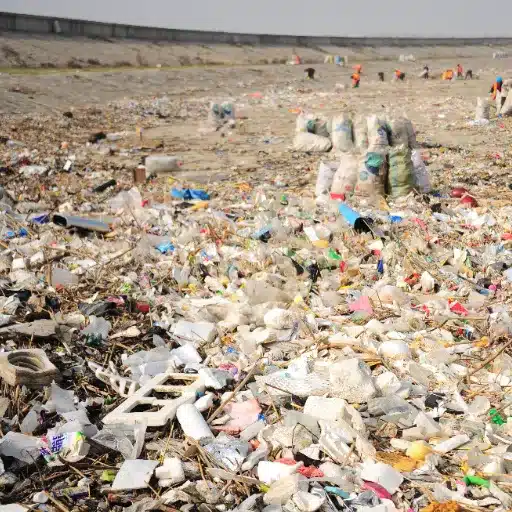
There are numerous industries known for their contribution to a significant amount of global plastic waste for using one-time plastics very heavily, non-recyclable packaging materials, and no-eco-friendly production models. The Food and Beverage industry has been a big factor in plastic contamination due to the use of and throw away practice i.e., the extensive use of disposable packaging such as bottles, wrappers, and current takeout containers. Similarly, Retail is a vast sector in plastic shopping bags, bubble wraps, and other protective materials that are very well used in logistics and e-commerce and the online retailing industry.
The healthcare industry, though very much needed in ensuring good public health, still produces in large quantities the medical plastics such as syringes, gloves, and single-use diagnostic equipment. Additionally, the cosmetics and personal care sector is a big consumer of plastics which are not easily degradable since they are the main ingredient in their product packaging and are also used as microplastics in scrubs and toothpaste.
Furthermore, plastic is frequently used in the consumer electronics industry for making the devices, accessories, and packaging that are hard or impossible to recycle. The confluence of these industries essentially emphasizes the crucial importance of taking up sustainability through design, recycling methods that are enhanced, and a switch to materials that are eco-friendly albeit in a slow transition.
Corporate Responsibility and Plastic Reduction
It is necessary for businesses to take corporate responsibility in efforts to reduce the plastic pollution in the surrounding environment as it has come to represent a significant impediment to the progress of the sustainability plans. As one of the strategies to this end, companies must take a multi-faceted route of acting on both plastic reduction as well as the related environmental impact with the consequent elimination of plastics in their products and packaging and thus their use of natural resources. Recent enhancements to the waste treatment process are pointing out the advantages of the ‘circle economy’ – the way it can be practiced is that the materials go through reusing, repairing, and recycling. It is worth noting, for instance, that some industries have been utilizing PCR (post-consumer recycled) plastics in their production, so shrinking their virgin material consumption step by step.
Moreover, corporate schemes like the EPR programs have been accepted. Enterprises have become responsible for the various stages in the life of the product, including the disposal and recycling, all the while enhancing accountability. Many companies that put these sustainability practices into place have, in fact, not only been able to shrink their environmental footprints but also strengthen their branding as demonstrated in the industrial statistics.
For a company to succeed in the long run, they should support new material development besides other strategies. Different options like bioplastics from renewable resources or compostable materials have the potential to replace the traditional plastics made from petroleum. Yet, the difficulty of scaling up production and the lack of funds together still pose a barrier. Cooperation among manufacturers, federal agencies, and scholarly or scientific organizations may be a solution for moving past these difficulties and making a big, engaging change.
Community Actions Against Plastic Pollution
Community-led initiatives are one of the main pillars of fighting against plastic pollution by sharing efforts to solve local as well as global problems. These are the very reasons why anti-plastics groups and non-governmental organizations pay so much attention to the issue of single-use plastics, taking various roles from raising awareness through campaigns to developing and executing programs for behavior change. One of the results is that the practice of promoting the use of reusable products, supporting the separation of waste at home, and cleaning drives reduces the plastic wastage significantly at the same time in both the town and countryside.
Educational outreach programs are another way of making sustainability a part of the environment mindset through workshops that schools, society centers, and local government put on to portray the long-term plastic pollution impact and the necessity of correct disposal. Moreover, the people contributing actively to the recycling and upcycling projects are the ones who make a significant difference in reducing the stress on landfills overall.
Furthermore, policy support at the community level, such as advocating for local bans on specific plastic items or supporting municipal recycling infrastructure, amplifies the effectiveness of global efforts. Through these concerted actions, communities become active stakeholders in solving the plastic pollution crisis and ensuring a sustainable future.
Reference Sources
- Trash Talk: As Plastic Use Soars, Researchers Examine Biodegradable Solutions – University of Arkansas
Discusses global plastic production and its applications, including packaging and single-use plastics. - Inside the Plastics Industry Playbook – Yale Environment 360
Highlights the environmental and human impact of plastic production and usage over the decades. - Addressing The Growing Plastic Crisis – Columbia University
Explores the role of biodegradable plastics and their potential in waste management. - Single-Use Plastics 101 – NRDC
Examines the connection between plastic production, fossil fuels, and climate impact. - A Visual Scoping Review of Plastic Consumption in Everyday Life – ResearchGate
Provides a comprehensive review of plastic consumption in daily life and its implications.
Frequently Asked Questions (FAQs)
Are plastic bag bans effective at reducing plastic waste and why?
Prohibiting the utilization of single-use plastic bags can significantly minimize the plastic waste that goes to the landfill, waterways, and the ocean since it will urge people to either use the reusable bag or the reusable alternative. A plethora of studies indicate that a decrease in litter and fewer plastic bags among the top 10 items found during beach cleanups after the banning or putting a fee are in place. These policies also reduce the amount of plastic shopping waste and the production demand that leads to more extraction of petrochemical feedstocks. Although it is a fact that bans by themselves do not get rid of the microplastics or plastic particles from other origins, nevertheless, they are effective in reducing the plastic fragments that the wildlife especially the sea turtles and dolphins accidentally consume. To be able to reduce CO2 concentrations and the plastic pollution rates as well as to tackle their associated issues, other policies such as recycling, cleaning up, and industry stewardship must be in place together with the bans.
How does plastic affect the ocean and marine species?
The presence of plastics in oceans has a detrimental effect on marine life in three main ways-water pollution, Clogging and non-decomposable waste, and a constant spread of the waste matter. The traditional plastic items further break down to small pieces and over time to microplastics that are then widely scattered across the waters in oceanic gyres such as the Great Pacific Garbage Patch. Those microplastics can accommodate hazardous chemicals and the like as they proceed with their transportation in the food chain from the small to the big ones through feeding. The spread of cigarette butts and also other litter marks on the beaches and in the water brings in the additional contamination of the toxicants and microfibers. The reduction of plastic waste and the purification work that is carried out in these areas are very effective in maintaining biodiversity and preserving the ecological health of the oceans and the coastal communities.
What are the most important plastic pollution facts to know?
It is widely known that a huge amount of plastic (in millions of tones) is manufactured every year and it similarly found its way to oceans and rivers with the same amount yearly while the most commonly identified items in ocean pollution surveys are still plastic bottles and plastic bags. Plastic never completely degrades; instead it breaks down into microplastics and small plastic particles which are environmentally stable and that get amount the food chain. The whole process of plastic life going from going through the extraction of fossil fuels to the disposing it causes a rise in gas emissions and therefore the biggest contributor to the current climate crisis is the plastic industry. Plastic usage, and particularly packaging, is such a big issue to tackle the solution due to a lot of actions needed but now a combination of different measures is being seen as the best to fight plastic pollution; one such — drastic — measure is to pass laws which ban the usage of plastic bags. The very same plastic items are the ones that are most often part of the waste that is washed up on the beaches. Efforts to promote, reuse, recycle, and re-design are made and they significantly influence the amount of material that is floated into circulation. Also, the public’s scale of judgment about leading environmental problems can be beneficial in creating a sustainable life and a clean and healthy environment.
How are fossil fuels connected to plastic production and climate change?
Most plastics are crafted from petrochemical feedstocks that are obtained through oil and gas extraction; that’s why plastic production is closely related to fossil fuels, and thus to greenhouse gas emissions. The whole plastic cycle is a cause of air pollution and carbon emissions from the source of extraction to the very-ends of the chain through refining, manufacturing, and transportation. Consequently, the industry keeps on increasing the petrochemical infrastructure to meet the high demand for such products like plastic bottles, straws, and wrappers, which in turn, links the pollution to the environment for years. Minimizing the plastic use, finding better ways for recycling, and redirecting the investments towards circular materials do create ways of both diminishing the parting with and absorbing the climate impacts related to plastic. Progressing from dependence on oil and coal to renewables mitigates the life cycle emissions of plastics.
What will happen by 2050 if current plastic production trends continue?
If the current situation continues, predictions are that by the year 2050, the oceans will have more plastic in them by weight than the fish and several hundred million tonnes of plastic waste will have accumulated in both the sea and the dump sites. Such a scenario would lead to increasing the intake of plastic by the marine species, worsening the health of the turtles, dolphins, and other wildlife while at the same time increasing the number of microplastics getting into the food chain and thus being consumed by humans. The garbage disposal problem will keep on being a generator of larger and larger piles of garbage and other obstructions, and it will also give rise to the pollution of the air and contribute to the emission of greenhouse gases and harmful air pollutants and decomposition and incineration of the waste plastic. The solutions to reducing plastic litter like stringent enforcement of plastic disposal regulations, using the “bag-for-life” bag, upgrading the waste collection and recycling equipment and the removal of one-time products such as straws and forks made of plastic are the means to changing the course of plastic waste pollution. Jointly initiated global activities, the removal of waste from the environment, and the change in the business model of the industry are some of the ways to 2050{T} of the most disastrous consequences from happening.
How dangerous are small pieces of plastic and microplastics to human and environmental health?
Plastic products could be made with different characteristics like solubility in aqueous solutions or resistance to microbial attack, so that customer convenience and ecological compatibility are achieved simultaneously. Plastic sequestration in ordinary recycling can be viewed as a reduction of carbon emissions, but not all plastic leaking into the environment is being collected and properly managed. Production of recycled plastic may not be mainstream, or enough of the collected plastic may be downcycled and treated as waste, with a possibility of parts of this leaking out to the environment. Each ton of plastic that is currently landfilled or incinerated with energy recovery could be converted back into its original polymer and monomer in the presence of the desired catalyst.