Thermoplastic Elastomers(TPE) and Polyvinyl Chloride (PVC) are the two most common materials used in modern manufacturing processes. Despite that, choosing any of these is not a piece of cake, as they are entirely different in the sense of performance. They have very different physical properties, and this is the reason both can be recommended for different technological and organizational purposes like the following: engineering of cars, consumer goods, construction and medical devices. So, there is no doubt that for the majority of commercial and industrial applications, these two materials are very suitable. By the end of this article, you will have been given the opportunity to choose the best material for your situation through a thorough forapventional analysis of the two including composition, performance characteristics, durability, environmental impact, and cost efficiency aspects. Even if you are just moving from one phase to another in your manufacturing process or defining your product development strategy, the article will help you decide the most appropriate material.
Understanding TPE and PVC
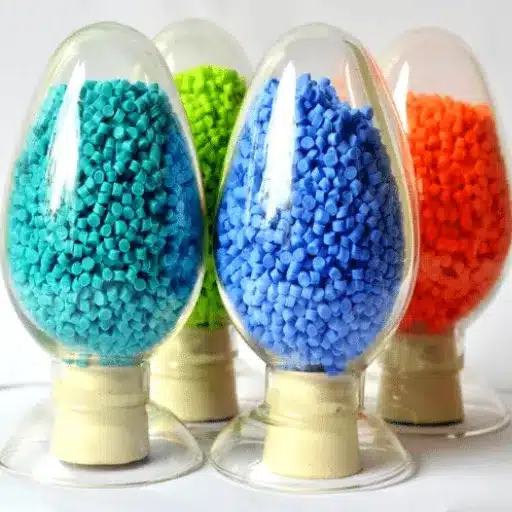
TPE stands for Thermoplastic elastomers
Thermoplastic elastomers (TPEs) can be characterized as a class of polymers that join the elastic elements of thermoset rubbers and the workability of thermoplastics. The molecules of TPEs are structurally formed by a multi-block copolymer arrangement (group of hard thermoplastic domains and soft elastomeric domains). Thanks to this exclusive formulation, TPEs can offer high flexibility together with high tensile strength and excellent durability at the same time. TPEs can be processed, extruded and recaptured by the usual methods of plastic processing, this makes them very adaptable to the industrial applications. Products such as TPEs, with their they describe are typical attributes of automotive, consumer electronics, medical devices, and sports equipment, have been the most frequently used materials because of their superior features such as vibration dampening, weather resistance and chemical stability, among many others. When using TPEs, it should be noted, that recycling facilities are and will be in place, and this is what makes the demand for these materials ever-increasing.
What is PVC?
Polyvinyl Chloride (PVC) is a synthetic thermoplastic polymer broadly used owing to the fact that it is durable, versatile, and at the same time quite inexpensive. The chemical structure of this material is a combination of the main elements chlorine and ethylene. The outcome is the process of polymerization (that is, consecutively adding the monomer of vinyl chloride). The material is mostly consumed in the form of rigid and the most common final applications are like pipes, window frames, and construction materials. Flexible forms are a new phase in furthering the character of PVC — flexible PVC can be used in such sectors as cables, flooring, and medical devices when some plasticizers are added. PVC stands for its quality of being highly resistant to the negative effects of corrosion, as well as for its chemical passive nature, and domi-life, which are characteristics that, to a great extent, determine its application in the environmental surroundings which demand great care. The ability to make improvements in the manufacturing process has also helped the environment, the unique property of PVC being its capability to be recycled while some production stages become eco-friendly.
Mastering Thermoplastic Elastomers
Thermoplastic elastomers are a unique group of materials which are elastic like the conventional rubbers; however, they can be processed like plastics. The structure of TPEs is made up of both hard and soft segments in the molecular framework, thus allowing it to show properties such as flexibility, resilience, and good moldability or extrudability. TPEs are types of materials that can be easily melted and solidified many times without getting damaged, thus making the recycling and manufacturing processes more efficient.
The key point and feature of TPEs is that they have all the necessary properties to make them suitable for a variety of industries. One specific example is the automotive industry where TPEs are used for such purposes as weather seals, airbag covers, and soft-touch interior parts, which are applications where flexibility and durability are crucial. The medical field also makes use of them owing to their biocompatibility and sterilization ease, respectively, using TPEs in tubing, seals, and wearable devices. In the same way, TPEs are everywhere in consumer products of all kinds like footwear, grips, and personal care. Comfort and design of ergonomic products are the chief concerns in the production of such items. But, the point is, TPEs are technological innovations that have the potential to provide unlimited mechanical, thermal, and chemical customizations, in order to fit each application perfectly.
Differences Between TPE and PVC
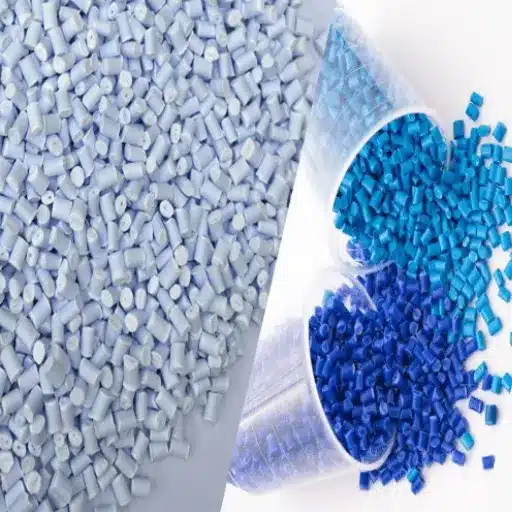
Physical Characteristics Comparison
Thermoplastic elastomers (TPE) and polyvinyl chloride (PVC) are completely different in nature, particularly regarding their physical characteristics which determine their suitability for various applications. TPEs have a high level of flexibility and this gives them a remarkable quality of being able to sustain repeated stretching and compression without any permanent deformation thus making them ideal for applications which are based on elasticity. Contrary to this, PVC is and always in its original state, rigid but on the other hand, can still be adjusted using plasticizers to get different flexibilities. Still, the rubber-like elasticity given by TPE is the one thing that even the most flexible PVC cannot come close to.
Another important difference is the density and weight of the material. In general, PVC has a higher density compared to TPE which is attributable to the molecular structure. This, in turn, could be to the disadvantage of PVC in the application areas where the lightest material possible is required. Along with this, TPE is rather less hard which is the reason for the possibility of less tough insulation coatings available for that particular area and the material more likely to be worn that is very comfortable especially in the office. However, PVC is the material which usually comes with the hottest and stiffest feeling among those composites and therefore can be seen as the first choice when mechanical or load-bearing functions are required.
It’s worth noting here that the TPE material has been shown to be one of the best in terms of the wide spectrum of temperature ranges where it can effectively perform the function of the product. That means that TPE can endure both the extremely cold and hot temperatures without a significant loss of performance. On the other hand, PVC has a smaller tolerance to temperature variation and is more likely to be fragile in the cold or floppy in the heat of the user’s environment unless it is specially created.
It is really important to pick the perfect material according to the specific performance criteria in the following striking examples of the distinction with TPE emerging in dynamic, flexible, and ergonomic applications, whereas PVC is still recommended for cost-effective and structurally demanding uses.
Chemical Composition and Structure
The chemical compositions and molecular structures differ considerably between thermoplastic elastomers (TPE) and polyvinyl chloride (PVC), which in turn determine the properties and applications of the materials. TPE is a material where the hard and the soft segments have combined in the same molecular structure rendering it able to present both the rubber-like elasticity and the thermoplastic processing freedom. The soft segments give the material the ability to be compliant and flexile, while the hard segments are mainly responsible for the material’s strength and durability. TPEs are most often produced by the use of block copolymers, such as styrene-ethylene-butylene-styrene (SEBS) or by using thermoplastic polyurethanes, TPU, from which a great number of formulations meeting different performance requirements can be tailor-made.
On the other hand, PVC is a man-made polymer made from the monomer vinyl chloride and polymerization. It is characterized by a straight molecular chain and by recurring chlorine atoms associated with its carbon backbone, which give it rigidity and resistance to fire. The introduction of plasticizers to PVC can lead to a radical change in its mechanical behavior, for example, making the material flexible and very versatile so that it can be used for such diverse purposes as the insulation of wires, and medical tubing, and even flooring. (A rigid piece of) PVC without the plasticizers is highly durable and can be applied in various structural purposes, with pipes and building materials being some examples. The molecular structure of TPE and PVC is what basically makes them different due to the radically divergent functions of each. TPE stands out due to its superior elasticity and resistance to chemicals, while PVC can be made to work in both the rigid and the flexible realms by simple adjustments in composition.
Performance Characteristics
The performance characteristics of Thermoplastic Elastomers (TPE) and Polyvinyl Chloride (PVC) exhibit significant difference because they have very different molecular compositions, but each with its specific industrial application advantages. On the customer’s side, TPE has been recognized as the best because of its super elasticity, springiness, and fatigue resistance, which ensures the material does not sag or crack under repeated stress, and so can be applied with both flexibility and long life. Apart from the good qualities mentioned before, TPE also shows excellent chemical resistance, weathering, and UV radiation, which means it can be placed in outdoor and high-performance conditions without any problem.
PVC, on the other hand, is a material with great flexibility that can be designed to be either rigid or flexible. One of the areas where this feature of PVC can be seen is in the construction industry. Rigid PVC is a superb solution for structural use because of its high tensile strength, hardness, and good heat resistance. With the addition of plasticizers, flexible PVC is excellent for applications where such properties as softness, see-through, and non-flammability are needed, for example, electrical insulation, medical items, and car interiors. Both materials can be made to last a very long time and be very reliable through the line with the industry’s parameters. The advantages of PVC are also its gentle way of dismantling – having the performance of other materials, but as much as the makers want to use or dispose of it.
Applications of TPE and PVC

Used in Yoga Mats
TPE (Thermoplastic Elastomers) and PVC (Polyvinyl Chloride) are both types of synthetic rubbers widely utilized in the making of yoga mats for their outstanding mechanical and environmental performances. TPE presents high stretchability, shock absorbing, and anti-skid properties, which suggest it as the most suitable material for the mats that are made to give more comfort and steadiness during the practice. In addition, TPE is mostly chemically harmless and eco-friendly due to its lightness and thus promotes the in line with nature kind of manufacturing.
However, PVC is still the number one choice in the yoga industry as it is highly durable and cost-effective at the same time. PVC-made mats also show excellent resistance to abrasion, which means that they can be used under hard and regular conditions for a long period without any sign of wear. Moreover, PVC provides very good grip and can be manufactured in different thicknesses and with different patterns to meet the demands of various users.
In the case of yoga mat production, choosing the material can be a tedious job for the manufacturer because there are so many things to consider like total cost, ecological factors, as well as the end-user requirements. Through one simple procedure which involves the modern material science practices, the two mats, TPE and PVC, could be set for high performance while ensuring their total costs is low, therefore making it possible to get high-quality equipment for fitness enthusiasts that will be tailored for their needs.
Applications in Wire and Cable Jackets
Among very many other things, environmental concerns are the motivation behind the development of new insulation materials and will continue to demand new and more eco-friendly products. With changing customer needs and stringent environmental regulations, PVC’s electrical insulating party is coming to an end: it is no longer the chemical of choice for plastic manufacturers and is being replaced by other materials. Though a PVC compound still very cost-effective, coaxial cable compound with longer continence to heat is needed to replace PVC or sheathing mixtures that give more strength.
TPEs is increasingly being preferred in high-performance or specialized applications. TPE’s elasticity, weathering resistance, and renewability put it in a position to be considered a quality material in cases where durability and sustainability are very important. It is mainly used in the industries where high resistance to wear or high temperature exposure is required. The following two examples are automotive wiring and heavy-duty industrial cables. The polymer compounding technology has also been found as a useful tool to modify the mechanical properties, morphology, as well as enabling surface-engineering modifications of the TPEs, and the resulting benefit is the creation of TPEs with properties difficult to achieve by earlier generations of TPEs.
Other Common Applications
Polymer compounds are the kinds of substances that are often used when it comes to the production of medical devices and devices that are able to work inside a human body because they are non-toxic and they can be sterilized. At the same time, their adaptation for almost any shape is one of the reasons why such compounds are involved in so many other processes that could be related to the biomedical field. Another example is thermoplastic elastomers that act as the raw material of drug delivery systems and medical tubing, they are tough, durable and at the same time, flexible and resilient. Aerospace, on the other hand, is the biggest industry that uses a high amount of polymers made with high-temperature technology such as polyetheretherketone (PEEK) and polyimides that are very strong and can be processed very easily. Moreover, less weight is related to the strength of the polymer. Just think of solar panels and wind turbine blades as they have to withstand the punishing weather all year round. Polymers in the form of solar modules are also proving their worth scientifically as the advancements in the field are very rapid and dynamic.
Environmental Impact and Sustainability
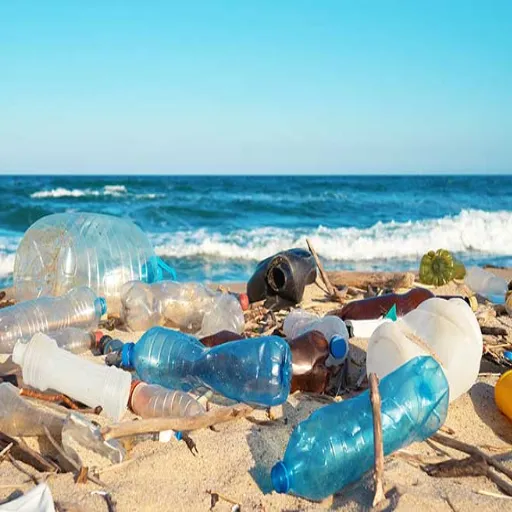
Eco-friendliness of TPE vs PVC
TPE and PVC have very different carbon footprints because of their respective chemical formulas, manufacturing needs, and the ease of recycling. TPE can be the first choice for the greener environment. It can be molded again and again which is the reason why TPE is considered a more sustainable solution than PVC. TPE is a waste material friendly material that can be processed back into the production line with minor to no property change. Moreover, TPE is non-plasticizer-dependent and this is a great advantage as the PVC is the most used plasticizer that gives the flexibility but often, due to phthalates migrating into the environment, it has those green and healthy aspects related to health and the environment.
However, during its lifecycle, PVC will become a nightmare putting so many challenges. This is because its making is dependent on chlorine and other chemicals that are capable of producing toxic properties like dioxins which are highly dangerous and also killing the manufacturing or incineration process. And in addition, the disposal of PVC material has been difficult: it is not as biodegradable as other materials and might even release harmful substances if handled carelessly. On the other hand, PVC recycling has been made more efficient through technological advancements, but still, the materials’ tough and high grade applicability make the implementing of large-scale recycling a great issue.
When taking into account the life expectancy of the two, both the materials give out almost the same results but the ability of TPE to be melted and molded again and again is the one that gives it a huge lead in terms of following circular economy principles. Also, there is a constant development of the bio-based TPE formulations which is even making the material’s eco-friendliness stronger and thus it is becoming a good choice for companies that want to reduce their carbon footprint.
Recycling and Disposal Considerations
In case of thermoplastic elastomers (TPE) and thermoset materials, one must compare recycling and disposal policies to their actual structural differences, which is an indisputable point of reference. The fact that TPEs are thermoplastics pretty much make them recyclable by nature since they can soften and reform into new shapes during heating without losing much of their material properties. This makes it easier for TPE waste to be circulated into the closed-loop recycling schemes, thus reducing the amount of waste and giving a better use of resources.
On the other hand, thermoset materials with their crosslinked polymer structures are a group of materials that after being cured cannot be remelted. This means that recycling them is extremely hard and it is often the case that advanced chemical recycling methods or special processes that break down polymers into their constituent parts are needed. Although there is a continuous research on making thermosets more recyclable, the most common practice is incinerating or landfilling them because of the low recyclable rate.
On the other hand, technological progress in TPE, e.g., use of raw materials based on biological sources and recycling processes that are a blend of conventional and hybrid techniques are the reasons which are being associated with the improvement of the profile for sustainability of TPE. These changes are the result of the industries having more compliance with the laws and at the same time agreeing with the global sustainability goals. As a result, the use of TPEs instead of thermosets by those industries that are more eco-conscious in their manufacturing and waste management practices is not only the best but more the only way forward.
Regulatory Standards and Compliance
Rigorous regulatory standards are in place for thermoplastic elastomers (TPEs) to make sure that their safety, performance, and environmental impact comply with the industrial and governmental standards and expectations. For instance, institutions of global acclaim such as the European Chemicals Agency (ECHA) through REACH (Registration, Evaluation, Authorization, and Restriction of Chemicals) and the U. S. Food and Drug Administration (FDA) provide and enforce the necessary regulations for the composition and application of TPEs in several sectors. The primary focus of these regulations is to reduce the presence of harmful substances, in addition to ensuring the product safety of the industries that are in direct contact with the consumers such as medical devices and food contact materials, and to the promotion of the use of environmentally friendly materials through sustainable measures that follow policies and standards.
Moreover, the EU’s sustainability regulations, namely the Circular Economy Action Plan, are a force in shifting the market toward more sustainable TPEs. Consequently, there is a big push for manufacturers to introduce and co-exist with green methods of production. While this is happening, the adoption of ISO standards, e.g. ISO 14001 for environmental management systems and ISO 10993 for biocompatibility testing, is a significant signal of safety and environmental measures worldwide in the production of TPE. They will have to follow these rules at every step of their product’s life cycle to ensure their product’s competitiveness in a market that is increasingly demanding in terms of sustainability and safety issues.
Choosing the Right Material
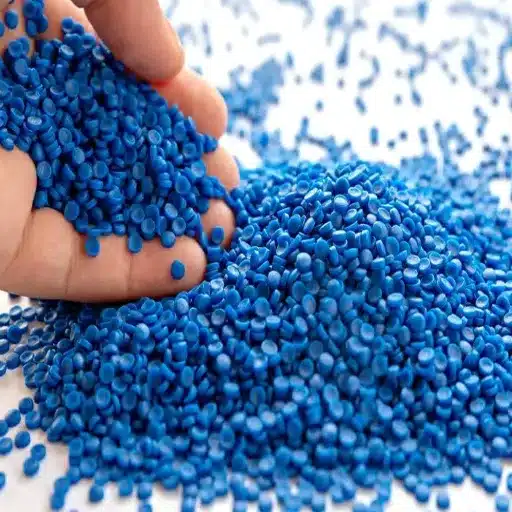
Factors to Consider for Specific Applications
Prioritizing performance, durability, and regulatory compliance during the selection of materials for specific applications require that several technical and operational factors be evaluated. The material’s mechanical properties, which include tensile strength, elasticity, thermal resistance–are the factors that most influent the material’s suitability in high stress or fluctuating temperature situations. The compatibility with chemicals is another must-have when it comes to the applications exposed to solvents, oils, and other corrosive substances, at the same time.
Moreover, the environmental side, like whether it can be recycled or what impact on nature the material has during its life cycle, is coming to the fore when it comes to material selection. The industries are changing slowly toward nature-friendly resolutions to satisfy the consumer needs and even stricter environmental policies. At the same time, the cost of being efficient and the availability of materials are also to be taken into account, meaning with the decision the sector has to go, the material is the one that meets the budget constraints without violating the operational standards. And to end with the application domain the regulatory issues concerned may require the material to be FDA approved if the materials are to be used in the food industry or if it is for medical applications, then it has to be ISO certified, that is, the material is in accordance with the safety and quality benchmarks.
Cost Comparison: TPE vs PVC
Aside from just the cost of plastic pellets (raw material) used in TPE and PVC, the money spent on PPR, or Polypropylene Random, which is primarily being used as a base pipe material, is equally important and makes a major difference in the final cost of a pipe. The difference is not the same as the one in the polymers, as the price per kilogram for the PPR material is not the same as one for the TPE and PVC, so here the difference is bigger(referring to its significance). ppr takes all the major components of the pipe, the pipe will be really expensive without it. Again, the cost of the PPR material used in both TPE and PVC pipes will be the same and have no effect on the TPE/PVC pipes’ final costifference exists only in the minor components but in the end, the thermoplastic elastomer (TPE) pipe will be cheaper than the PVC pipe.
TPE, on the contrary, though usually more costly for every unit of weight than PVC, is a lot more advantageous in terms of the versatility of the application and processing side. The main advantage of TPEs is their thermoplastic nature which makes them easier to process leading to less energy and time needed for molding or extrusion. On top of that, TPEs are reincarnation materials that make it possible to perform recycling within the production and hence, to obtain secondary cost benefits for the sectors focusing on eco-friendly production. It is evident that TPE is also the way to go when it comes to less waste management and providing a cheaper alternative to expensive disposal for the PVC at the end of their life span that is often the case with the environmental impact and hence need for the special treatment of these products.
In the end, PVC might seem the more cost-effective choice for projects having very tight budget constraints, however, on the flip side, TPE as a better recyclable material usually meets well with modern environmental standards. It additionally brings about cost savings and is easy to process. The decision on one of these materials should be taken with utmost care by considering both the upfront costs and the overall costs, which will then ensure the project’s financial and operational goals are in line.
Future Trends in Material Selection
In terms of future material selection, sustainability and technology go hand in hand. The innovation comes from the technology and the regulations will allow or even drive it. The whole area of material science is quickly changing and the environment protecting materials usage is among the areas that are at the forefront with plastics as the main target with replacements first. By doing so, companies in the packaging sector and the automotive one have moved to renewable resource materials that are made up of the same chemical components as the alternatives that are from the renewable polymers like polylactic acid (PLA) and polyhydroxyalkanoates (PHAs). It is important to know that these new solutions have several other benefits: they do not pollute the environment and they are also in agreement with the global environmental policies that are being put into operation, i.e., Europe’s ban on some single-use plastics and similar measures in America and Asia, too.
The interaction between advanced materials and digital technologies represents a major trend in the fields of material sciences and engineering. This refers to the employment of machine learning and simulation tools to achieve optimum material performance and avoid waste. Among these technologies, the use of predictive modelling is evident to the point that new materials with very specific qualities can be created and, in a way, serve the niche application, hence, contributing to the improvement of product and manufacturing efficiency and merchandising purposes. Besides, the new product life cycle is being influenced by the recycling materials and up-cycling. It suggests a future in which recycling and upcycling will become major vehicles for material innovation. In the future, it is likely that the process of making high-quality new products will model those new substances (recycled and upcycled) with less energy and material consumption than the current practice.
In the current situation, multi-functionality and smart materials, that can react to external stimuli such as temperature or pressure changes, are gaining more and more importance. It is a perfect example of how materials, smart polymers in this case, are able to do more than what they have always been doing, when we see them being used as medical and aerospace devices instead of just being the structure. I predict the future trends of the materials selection process which will be strictly controlled by the above-mentioned points and accompanied by the newest technological approaches to fit the world of an evolving global market.
Reference Sources
-
Recent Developments for Thermoplastic Elastomers – Discusses TPEs, including blends with PVC, and their performance characteristics.
-
Performance Benefits of TPE Inter-Material Substitution Using Metallocene Ethylene Elastomers – Offers a comparison of TPE and PVC in terms of cost and performance.
-
PVC Concrete Composites: Comparative Study with Other Polymer Concrete – Examines PVC and TPE in composite materials, focusing on mechanical and thermal properties.
-
Comparative Properties of TPE Materials for Automotive Interiors – Compares TPE and PVC materials in automotive applications, highlighting their relative strengths.
-
PVC Technology – A detailed exploration of PVC properties and its comparison with other materials like TPE.
Frequently Asked Questions (FAQs)
What distinguishes TPE material from Polyvinyl Chloride (PVC)?
TPE is a thermoplastic elastomer favorably combining rubber and plastic positives, while the latter, polyvinyl chloride (PVC), is a vinyl-based plastic usually made flexible through the use of plasticizers. TPE usually has the elasticity and flexibility of rubber better than PVC, and it also returns to its original shape fast after deformation. Because of these reasons, people in the industry use the material quite often. PVC, on the other hand, can indeed exhibit great durability and abrasion resistance, taking it to just about any industrial application that one can think of, but it may still have plasticizers that may be of environmental and health concern. TPE grades, such as the NFTPE, are mostly seen as superior to some of the PVC formulations with regards to promoting recycling and environmental protection. It all comes down to the specific requirements such as chemical resistance, UV performance, and whether electrical insulation or flame retardancy is needed.
Is the use of PVC yoga mat safe if compared to the use of TPE yoga mat?
PVC yoga mats are very popular, and the main reasons are that they are affordable, durable, and have good grip, but the downside is that they might contain plasticizers and vinyl chloride residues that make some users worry and look for alternatives. TPE yoga mats, as well as Eco-friendly, have perfect recyclability and less harmful additives, and TPE is frequently named halogen-free TPE in order to reduce toxic emissions. TPE is very similar to natural rubber in terms of elasticity, cushioning, and also provides easier cleaning and faster drying for mats made of this material.from TPE. From a performance point of view, TPE mats are similar to rubber, but they also offer good elasticity and cushioning, are easy to clean, and dry quickly. Users who are chemically sensitive or looking for environmental protection are the ones who usually choose the TPE. On the other hand, PVC mats are great for those who are looking for the long-term abrasion-resistance of high-end PVC mats. But the best thing to do is to always check the chemicals and the materials that were used when selecting a yoga mat.
How are cable jackets and cable insulation different from TPE and PVC?
TPE is a common material used in the production of wires and cable jackets due to its ability to behave like rubber, combined with the fact that it has a good low-temperature flexibility and its formulation does not contain halogens which ultimately supports the goals of environmental protection. PVC has always been a popular choice for cable insulation because of its good electrical insulation properties, flame retardancy, and also because of its good impact resistance even in its rigid grades. Special TPE compounds which possess resistance to oils, chemicals, and abrasions can be more cost-effective than flexible PVC, but PVC can still be used for less demanding cable applications due to its low price and durability features. When it comes to high temperatures or very harsh environmental conditions, a thorough material comparison should involve checking the chemical resistance and the stability of material under UV light in order to make the right choice. One of the key factors that drive the material selection process for insulation is the electrical insulation requirements, and the other main factors are the regulatory restrictions on halogen content and the long-term performance.
Is TPE the best option when it comes to cable jacketing and electric vehicle cable insulation?
Many medical devices prefer TPE over other types of materials as several grade can be designed not to have plasticizers like phthalates and can be produced to meet sterilization and biocompatibility standards. However, people have been using PVC for tubing and devices in the medical field for a long time because it is cost effective and easy to process, but environmental and compliance issues with plasticizers and vinyl chloride continue to rise. TPE has the ability to provide the strengths of the rubber-like feel along with the elasticity and flexibility of rubber-like material, and these properties make TPE suitable for single-use medical components where easy sealing is important. The last important factor in deciding between T PE and PVC, when it comes to the recycling process a number of TPEs are still superior to PVC. In general, TPE is the most convenient choice for single-use disposable products, while PVC can be used for applications that mandate repeated sterilization, chemical resistance, or specific regulatory clearances. Medical device designers need to strike a balance between materials that are better choices and the processes and applications for which validated data supporting safety over the long term are available.
Which polymer is tough and solvent resistant: tpe or pvc or other plastics?
The benefits of using PVC (Polyvinyl Chloride) are indeed remarkable. For one, the product is very resistant to chemical change, thus, can withstand acids, alkalis, and salts. Its durability has been proved in various industrial applications, especially when it is made as rigid PVC for impact resistance. TPEs, on the other hand, come in various types (or grades) and selection could be based on the level of chemical resistance or the elasticity needed, etc. In addition, a few formulations of the product can provide better service when compared to flexible PVC, notably against exposure to oils, solvents, and repeated mechanical deformation. The service life of each of these materials will also depend on the grade, and this is the amicable part of PVC, abrasion resistance can be rated as good to excellent, but TPE abrasion resistance is still unknown and not well explored. However, the right conduct of the test and making the proper choice of the grade which in this case has the potential to give the same or even above PVC product in abrasion resistance. Temperature and specific chemical exposure and UV in some cases are the end-use variables that would determine which material to use for the long term. Stabilizer package and add-on controls are crucial determinants most of the time whether one material is better than pvc for a certain use.
Is it possible to recycle either of the materials, and which of them is more environmentally friendly for the preservation of the ecosystem?
In terms of recyclability, TPE is usually a more environmentally friendly option compared to many flexible PVC options because it is quite frequently a composite material that does not emit harmful plasticizers or vinyl chloride compounds when reprocessed. The recycling of PVC, on the other hand, is a challenging task, with the presence of add-on and the known plasticizers that can be a deterrent to recyclability which, at the same time, is very inconvenient and can lead to the production of harmful materials upon disposal. Especially in those cases where halogen content is regulated and the material must be both recyclable with a reduced environmental impact, halogen-free TPE grades offer solutions that are difficult to overlook. The complete and final decision of the most eco-friendly material also takes into account the whole life cycle system including the major factors such as the energy during production and the durability of the material, and the way the material phase ends. In terms of these factors, TPE is a preferable material for applications seeking recyclability and that can make do without chemical additives.
Does one wonder which is the cheaper and better-suited: pvc exists along with tpe is the right choice?
PVC is commonly a more cost-effective solution at the outset, and as such, it is most likely to be the first choice for high-volume and low-budget situations where it is also fit for the purpose. TPE could involve proportionately higher prices for the material; however, it might also enable cost savings when practiced recycling, a decrease in the usage of plasticizers, and overall better performance in such applications where being flexible, working in cold environments, or regular bending are the requirements. For any electrical insulating, chemically resistant, or flame-retardant application, one must conduct a close review of the different grades (including tpu or the special TPEs) to make the best possible match. Designers have to balance the total cost of ownership, including maintenance, frequency of replacing, and the eco-disposal of it as a waste at the end of its useful life, rather than considering only the immediate material cost. The decision between these two materials is often influenced by the set of specific requirements like the demand for wear resistance, UV protection, and adherence to legal rules.