The material known as nylon or polyamide is one of the most flexible and durable fabrics that is mainly used for clothing, furniture, etc., because of its strong and elastic properties, and its good wear resistance. However, when it comes to the subject of the care, a lot of people are scratching their heads about the behaviors of such polyamide, like in the washing and heating processes. Do you not know how to make the polyamide garments and textiles last long? Is that because you do not understand all the steps to get the garments and fabrics in the right condition? The purpose of the present article is to provide a comprehensive and reliable guide on the subject, which would help the readers get a better grip on how to keep the polyamide garments and textiles in good shape. At the end, you should have moved a step ahead which was totally out of your mind to the point where you took it – Caring for the fabric in a very confident manner.
Introduction to Polyamide Fabric
What is Polyamide?
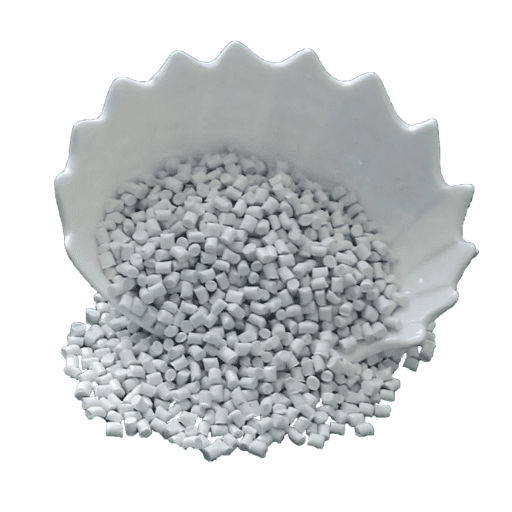
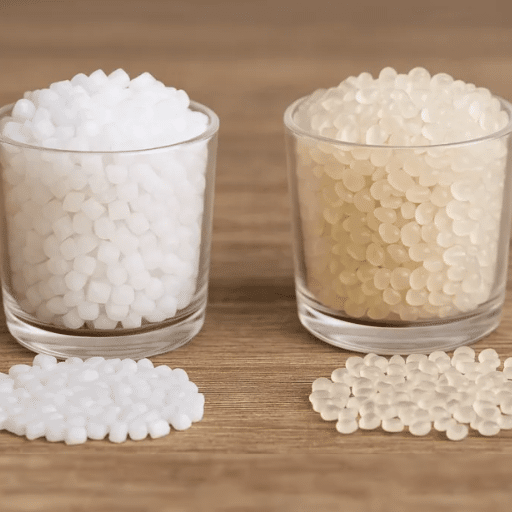
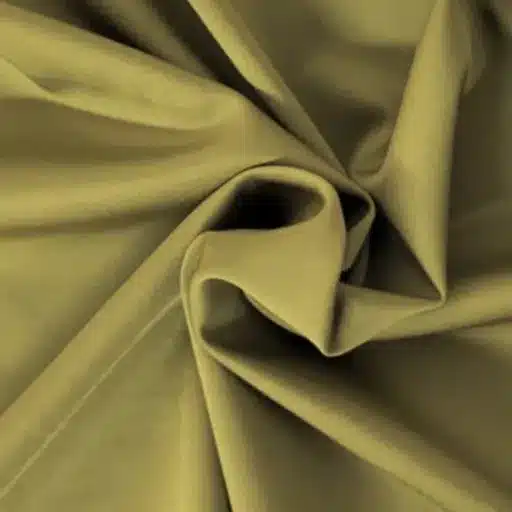
Polyamide, also known as nylon, is a type of manmade polymer, which has become very popular because of its extreme resistance against wear and tear, elasticity and its resistance to abrasion. Chemically, polyamides are made from repetitive amide bonds linked by a polymerization process through the use of such chemical monomers as adipic acid and hexamethylenediamine. The first appearance of polyamide on the market in the 1930s created a shock in industries as it was able to imitate the aesthetics and performance of natural silk while being more resilient. The use of this very light and fast drying material that is also inherently chemical and mold-resistant has found its place in very many applications namely the clothing and sportswear industry as well as the industrial sector where it is used in the production of ropes and conveyor belts. Nevertheless, the plastic material requires handling with care during the washing and prolonged exposure to heat in order to avoid any deformation and loss of the integrity of its structure.
Polyamide is widely used in the apparel industry
The clothing industry extensively uses polyamide fibers because of their adaptability and the specific, exceptional performance they offer. Elastic, lightweight and moisture-wicking fibre is one of the definitions of what polyamide is – no wonder it is the sought-for material for the activewear and sportswear industry. Polyamide not only stands on its own but also combines beautifully with other fabrics such as hosiery and lingerie, giving a smooth feel to the pieces and their strengths the gentle yet long-lasting option. Also, the construction of outerwear like jackets and windbreakers employs polyamide fabrics as they provide commerce of water and toughness. The preferred choice in everyday apparel is the it, not only for the color and shape it is able to maintain but also for the quality of the material itself. Fashion items mainly made of polyamide nowadays also contain other fibers like elastane or cotton in order to increase comfort, fit, and performance thus making it one of the major materials in the fashion industry.
Polyamide and Nylon- Properties
One of the key characteristics of Polyamide and Nylon is their tensile strength, which is very high and at the same time they are durable and wear-resistant under rigorous conditions. They are also chemically strong, that is to say, they remain unchanged after coming into contact with many kinds of oils, solvents, and chemicals hence they are widely used in industry.
In addition, polyamide and nylon are types of fibers that have the qualities of being light in weight and, at the same time, able to repel water, thus they have a setting in end products where weight and water-repellent capabilities play a crucial role like in the case of outdoor apparel and sportswear.
One more important attribute of these materials is that they are able to endure moderately high temperatures without losing their structural integrity, although their use in extreme environments should be accompanied by a consideration of thermal restrictions.
Adding polyamide to the mix further compliments the other fibers, for example, cotton as a softener or elastane as a stretcher and implicitly it also acts as a performance enhancer in the aspect of flexibility, breathability, and comfort. Recent progress in the field of polymers also paves the way for the availability of recycled nylon, a shift that will presently lead to zero-waste and near-carbon-neutral production, and the new nylon will even embody all the properties of the old one. Furthermore, the progress in these areas of technology also Systematically expand the scope of application of polyamides and nylons in the textiles and automotive engineering, and other support industries.
Understanding Shrinkage in Polyamide
Factors Affecting Polyamide Shrinkage
The shrinkage of polyamide is influenced by a number of interrelated factors, which come mainly from material’s molecular structure, processing conditions, and environmental exposure. The crystallinity of the polymer is one of the main issues. Highly crystalline parts are much less likely to change their size while amorphous sections can easily shrink. The interplay of the ordered and the disordered molecular arrangements is a very important determinant of the total stability.
The process can be controlled depending on the different rates of cooling during the injection or extrusion molding procedure, which very often is also influenced by the speed of the process. One of the consequences of rapid cooling is the buildup of residual stresses, which will in turn cause the material to expand in an irregular fashion. Also, the processing temperatures affect the rates of shrinkage, with the higher ones giving the polymer chains more mobility, which in turn can result in an even larger dimensional change during the cooling phase.
Environmental factors, such as the presence of water or changes in temperature around a body, add even more to the fact that the material shrinks. Polyamides are hygroscopic, that is, they get water from their environment, and this water content can cause them to either swell or shrink according to the moisture present and the relative humidity. The Polyamide material’s sensitivity to the environment requires precise control in storage and application places that are under full regulation.
On top of that, the influence of polyamide by the addition of fillers, for example, glass fibers, can significantly boost the shrinkage by the means of giving the product its shape and reducing the mobility of the molecules. Learning and maintaining these factors are must for when upholding the precision and consistency in the production of Polyamide materials.
Does Polyamide Shrink in the Dryer?
Polyamide is quite vulnerable to heat and how it reacts in drying really differs very much with the specific polyamide, the temperature drying of and the duration of the exposure. Nylon, one of the most usual polyamide materials, has a melting point that is relatively low as compared to other thermoplastics, this is characterized as ranging from 428°F (220°C) and 500°F (260°C) based on the formulation. Heat dryer temperatures could be a cause of thermal degradation or deformation of polyamide fibers, both shrinkage being the most classical of all these changes.
Polyamide’s hygroscopic character is another factor that contributes to the dynamics of drying. If the substance has taken on moisture, the application of heat will lead to uneven shrinkage or even warping, particularly if the material is in the form of fabric. Generally, the temperatures in domestic dryers are around 135°F up to 150°F (57°C to 65°C), which, even below the polyamide’s melting point, may still be a cause of dimensional instability in case no special measures are taken. Therefore, it is of paramount importance to opt for a low-heat dry cycle or let the material dry in the air as ways of minimizing shrinkage risk and keeping the material structure untouched.
Comparing Polyamide Shrinkage to Other Fabrics
When discussing the shrinkage behavior of polyamide and comparing it to other popular fabrics, we must take into account the inherent characteristics of each material. If we take natural fibers like cotton or wool, for example, they are known for their high shrinkage rates which are caused by water-absorbing ability or hygroscopic nature. For example, at high temperatures the cotton may shrink as much as 3-5%, and the wool may suffer felting shrinkage because the scales of the wool are forced to intertwine due to heat and agitation.
If, however, we take the case of the synthetic fibers e.g. polyester or acrylic, they have lower shrinkage rates in general because of the strong thermal stability and the hydrophobic characteristics possessed. Polyester, for instance, is intentionally designed to withstand the temperatures of the home dryers and usually changes minimally in dimension.
Polyamide is in a middle world. It has more heat resistance property than most of the natural fibers; still, owing to its semi-crystalline polymer structure, it is more like to be damaged by temperature-induced shrinkage or warping than polyester. Thus, whether we use polyamide or not, the way it is handled and the adherence to the prescribed care instructions are – fabric’s issues. The care will still be fabric-oriented for tailored maintenance in the case of the semi-synthetics which the behavior of polyamide clearly indicates. This kind of management is essential thus it is only through such a fabric-specific and detailed care that the features with respect to performance of a textile still remain and are thus kept constant.
Caring for Polyamide Clothing
Best Washing Practices for Polyamide
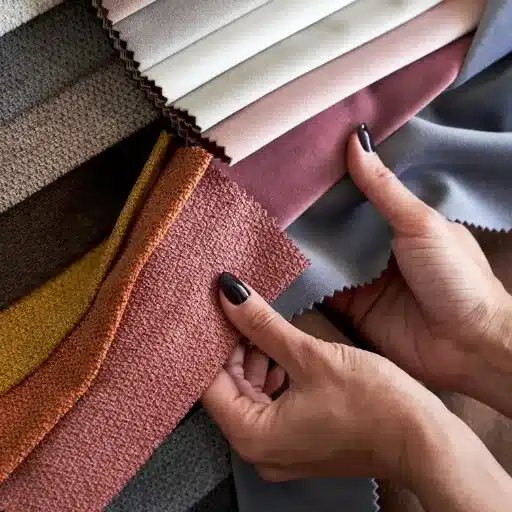
Polyamide fabrics, by virtue of their semi-synthetic nature, call for special washing techniques to stop breakdown of the structure and to keep the functional properties intact. In all cases, hot or very warm water dissolves the material’s elasticity and destructing fiber which is why one must be used to it. Besides, the use of a kind of detergent that contains no salt is instead of the one but dirty with the stuff that is the most advisable, for it can cause the decaying of the polyamide fiber and give it up finally, which is only the start of the affair during a considerable time. As for the washing machines, running a gentle cycle most likely one the least amount of stress is applied to the fabric, thus the integrity of the fabric is the most protected.
It is essential to take into consideration the most fragile component in the blend when polyamide is mixed with other materials. To conform with the recommended guidelines, it is necessary to scrupulously observe the care labels. Refrain from using fabric softeners as they may produce a deposit on polyamide fabrics that might impair their breathability and moisture-wicking properties. Following such practices will keep the polyamide garments in optimal conditions, thus ensuring their longevity and performance.
Dryer Usage: How to Prevent Shrinking
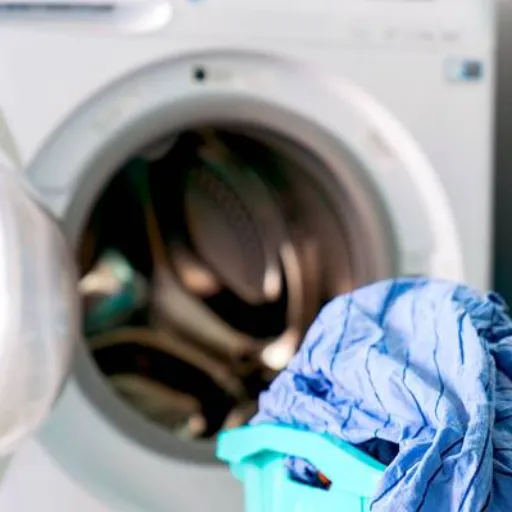
When a dry machine is used, the most effective way of preventing fabric shrinkage is to set the drying temperature according to the fabric composition of the garment. Choose the setting of a low heat or an air flow dryer cycle because high heat can lead to shrinking of fibers which may cause a permanent decrease in size. Moreover, the fabric drying process can be stopped without drying it completely, and drying it fully by air can cause less shrinking. In the case of delicate fabrics like polyamide, using a mesh laundry bag can cause the friction with other materials in the drum to be less and can provide a little extra protection. Besides, it is inadvisable to overload the dryer because this might lead to non-uniform drying and put more pressure on the fabric hence the structure of the fabric can be changed. The above-mentioned practices, if followed, prove to be the savior of the fabric’s quality and its well-fit.
The Best Way to Store Polyamide Newynomials
Correct storage of polyamide garments is needed so their life is long and as the new ones remain in their original form. Firstly, the most best place where you can keep polyamide is a cool and dry place, and it should be far away from ultraviolet light because sunlight can weaken the synthetic, break the fabric, and cause fading of colors. It is better to store polyamide in bags made of a breathable material, because these types of bags are able to get moisture out and let air in, thus preventing mold and mildew at the same time. Though, do not hang the heavy polyamide items as it can result in stretching or distortion; instead, it is better to stack them neatly to keep their original shape. Moreover, do not forget to separate sharp stuff or hard stuff from polyamide fabrics, which might scrape, cut or hook them. All in all, make sure you provide some kind of desiccant like silica gel where your keeping your things to maintain a dry condition, which is good for the fabric. If you follow these storage instructions to the letter, it will always be the best for your polyamide clothes, from the quality and durability point of view.
The Role of Elastane in Polyamide Fabrics

What is Elastane and Its Benefits?
Strictly speaking, Elastane is an example of a highly elastic synthetic fiber consisting of not less than 85% polyurethane. It has the ability to participate positively in a number of useful polyamide textile applications such as garments, assisting them to acquire a great deal of comfort, softness, and form-retaining, that is necessary due to the high Elastane content. Besides, Elastane can produce a novelty stretchy effect in a pure polyamide composition which gives an additional product appeal, and it also widens the possibilities of garment marketability—these are some of the aspects that made Elastane a successful and still very much used fiber in the textile industry.
One of the main selling points of using elastane is that it gives a close but still free fit. The perfect balance between the two could be reached by mixing elastane and polyamide fabrics, with the latter coming with some elasticity enhancements and still having durability and wear and tear resistance at the same time. Furthermore, elastane is a great extender of the shape, which is why it is able to keep the fabric from losing its form and stretched look after many washing cycles. The capability of pulling the moisture out of the body and away from the skin may cause the fabric to be cooler, drier, and quieter, thus defending the various activities and wear conditions that may occur. All in all, the combination of elastane and polyamide gives the amazing property of not only being able to have both of the mentioned characteristics but also to be water repellent, breathable, and almost noiseless.
How Does Elastane Affect Shrinkage?
Polyamide and elastane clothing is more likely not to shrink when elastane is combined with them. This resistance to shrinkage is the people through to the elastane’s elasticity which is inherent to and its resilience to the stress that is also can also be the other reason for it. The fibers are brought back to their original dimensions no matter how much they are pulled or stressed due to the traits the elastane has. When talking about the natural fibers, they really get exposed to shrinkage that basically cannot be reversed by high heat or moisture, and the synthetic structure used in elastane practically guarantees that the material will not lose its real form under different wash and dry cycles. The research also says that the size and fit of elastane blends remain unchanged and are better than those of the drawings through the use of the material as instructed by the care labels or care labels of the material even after washing and wearing the same item many times. The material is further promoted for the use of performance clothing in the market and is also used in the production of textiles that need durability and of a constant fit, as it is proved in most research.
Tips on how to Take Care of Polyamide and Elastane Blends
To ensure longevity and performance of polyamide and elastane blends, it is extremely important to adhere to proper care procedures. The said materials are supposed to be washed in either cold or lukewarm water, as high temperature can result in polymer degradation, thus the strength and elasticity of fibers getting weaker. A mild detergent, which is not abrasive, is the one to be used so as to prevent the fabric structure from the chemical reactions. Say no to bleach and the like, as they only cause the fabric to turn yellow and lack of integrity[length of the original source].
On the contrary, air drying is very beneficial as a method of dying, because the heat used in the process can affect the elastane’s flexibility and the polyamide’s size. If machine drying is the only choice, the minimum temperature should be chosen. When ironing, iron at the bottom temperature and if possible, place a piece of cloth between the fabric and iron to keep synthetics from deforming or melting.
Moreover, when you are storing the garment for the long term, ensure it is clean and dry before you fold it or hang it up, as moisture and UV exposure can lead to the degradation of the material by time. Through comforming to these directives, it is possible to gain the most of polyamide and elastane fabric regarding wear, performance and looks.
Common Myths about Polyamide Shrinkage
Debunking Myths About Shrinkage
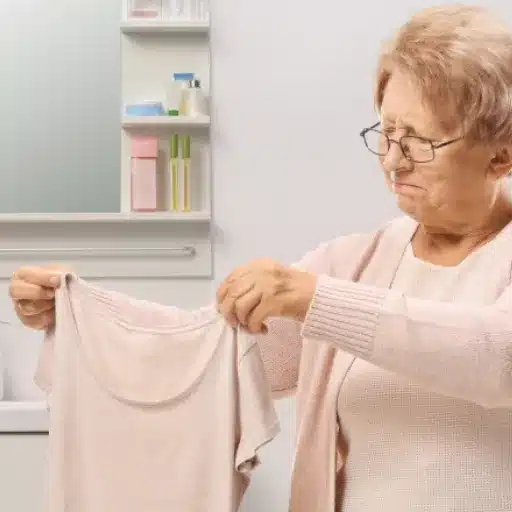
Technically, polyamide and elastane fabrics will not shrink when they are washed and dried under normal conditions if they are carefully taken care of. The belief that these fabrics will shrink to a much smaller size might be because of the non-understanding of other materials like wool or cotton, which are extremely prone to having big changes in size after they are exposed to heat or water. Polyamide, a man-made polymer, and elastane, a material marked by its unique elasticity, are designed to endure through the myriad temperature changes, still not changing their shape or size. Nevertheless, unfriendly actions like washing in hot water or machine drying on high heat levels can still shrink the clothes a bit due to the release of tension within the fiber structure that is not allowed by the fibers.
Humidity is the prime force boosting this misbelief, as polyamide and elastane are two synthetic fibers that could be found mixed with natural fibers in some fabrics. Such textiles may crumple their structure and exhibit a joint textile shrinkage symptom when the different components are exposed to the shrinkage subjected to the natural component, creating a case of the whole garment appearing to contract. However, this is a non-direct impact of the polyamide or elastane rather it is the interaction of the associated substances that is mainly responsible for the situation. It is absolutely necessary for individuals to look at the instructions provided by the manufacturer if they want to preserve both the look and the fit of blended-garment clothes. The wash label typically gives temperatures that are very mild as well as low tumble dry settings, the use of which is the key to making the clothing.
You can guard the durability and dimensional stability of polyamide and elastane fabrics provided by the manufacturer from the very beginning by just washing them and dryerizing them in the right way. Not just about the shrinkage, the myths about shrinking are still very much alive meanwhile we can see that the correct understanding of the topic is getting through by the knowledge of the material science behind the fabrics, which is able to shed a light of reliability and maintenance at the same time, and lead to the elimination of unnecessary fear and misinformation.
Learn to read care labels on fabrics
I’ve come to realize that the instructions on care labels are the most important rules of thumb to follow if you want your garments to last and perform well for a long time. The care labels, also in form of icons, give precise and test-based methods for washing, drying, ironing, etc. according to the fabric properties. For example, a simple basin icon might have a number associated with it that stands for the maximum water temperature in which the fabric can be washed. The other symbols or dots, if any, are used to show the kind of washing that the item needs: normal, delicates, or the three heat levels; low, medium, or high (respectively). The information on fabric care labels is not only for users’ benefit though; its scientifically-fundamented nature is a result of its durability testing by the manufacturers under the pre-determined conditions.
Ironing and drying instructions are equally as significant. Take, for example, the case of various dots within the drying symbol—these dots dictate heat tolerance for tumble drying. One dot is low heat, two dots are medium heat, and so on. Among other things, the use of a circle within a square usually means dryer-compatibility, but when a crossed-out symbol is used it is probably best not to use the dryer at all. Additionally, the dry-clean-only clothes would be identified with an open circle, sometimes specifying the solvents allowed, which is a must for delicate clothes such as silk- or wool-made clothes. By rigorously following these guidelines, not only do I make my clothes last longer but also avoid and unnecessary wear and damage to them.
Furthermore, the care label comprehension has been my guide through the changes in the industry’s methods, which is the push or the shift towards the green laundry methods. The eco standards now are also seen in newer clothing labels including recommendations for water- and energy-efficiency care, which is eco-living trend-wise nice. The clothes being slightly dirty may be the best case where one can do it with cold-water washing that uses heat from the sun – open-air drying – the biggest downside of which is still the long duration. With particular care to towels and modification symbols & updates, I feel very proud about managing my wardrobe very well and at the same time supporting the fabric manufacturers and the environment. Previously unknown facts always make a person appreciate care labels as an indispensable accessory but not just a trivial affair.
Expert opinion on polyamide care
The proper care of polyamide fabrics highly depends on taking the proper route, as the fabric must be handled in a certain way to keep its integrity, performance, and appearance. Polyamide or nylon, the fabric is a synthetic fiber that is loved for its strength, stretchability, and lightness. The experts unanimously agree that there are a few primary steps that need to be taken in order to make the best use of the fabric for the longest time, inevitably cold or lukewarm water should be used for washing polyamide items as hot laundering temperature may cause the fibers to break down or lose their stretch ability over time. Another way to prevent the fabric from being damaged by the harsh chemicals is to use a mild detergent.
Yet another major point noted by experts is the method of drying. The technique of air drying gets the upper hand over the machine drying in that the heat provided by dryers may cause not only polyamide garments to shrink but it may also reduce their moisture-wicking or quick-drying abilities, which are commonly recognized as their vital uses. For example, sports and the polyamide-made swimsuit will have big advantages if they are air-dried since it is one way to keep the clothes in the same shape and flexibility. Additionally, This Old House supports that sorting out the garments properly no matter whether you follow this method or use the dryer will help in keeping the clothes fresh longer.
Ironing polyamide fabrics is one of the procedures to be undertaken with care. The recommended approach from the professionals is to use a low-temperature setting when ironing is a must and it is best to use a protective cloth that would be placed between the fabric and the iron to prevent direct contact which could result in melting or deformation. By a combination of these good practices, I shall be able to uphold the lasting and productive life of my polyamide clothes and see to it that they will forever be in a very good state. The technical expertise provided on this matter points out the fact that the necessary and informed care practices for synthetic materials like polyamide should have the bulk of the fashion business due to their utilization in sportswear and high-performance fabrics set to have even more extensive market presence.
Reference Sources
-
Ironing on Nylon: Is It Safe and Effective? – University of Arizona – Discusses the sensitivity of nylon (a type of polyamide) to heat, including potential shrinkage.
-
Research on Influence of Scan Strategy on Part Shrinkage – University of Texas – Explores material shrinkage during solidification, relevant to polyamide properties.
-
Products | Textiles – University of Georgia Extension – Provides general fabric care advice, including precautions for synthetic materials like polyamide.
Frequently Asked Questions (FAQs)
Will the polyamide shrink if the hot dryer is used?
Polyamide (commonly known as nylon), being a man-made polymer material, has a very high tolerance to shrinking than fibers obtained from nature, although it can shrink under the influence of heat and agitation. A hot dryer or a hot wash that causes high temperatures could very well result in the fibers getting relaxed and shrinking could considerably take place. The most sensitive situation is the gentle polyamide knits or garments that have been made from a mixture of synthetic fibers like polyester and cotton. Therefore, while it may be acceptable to use a hot dryer to dry the other clothes, always remember to air-dry the polyamide ones which will help in maintaining the shape and the elasticity of the garment. On another matter, sportswear, swimwear, and activewear that contain elastane or spandex are exclusive products in the way they are highly sensitive to heat setting and might even lose stretch when they are exposed to the hot dryer. Washing and drying in cool water and using a gentle cycle helps in preventing polyamide shrinkage, and at the same time, promotes the performance of the fabric in wicking away the moisture.
How does the shrinkage of the polyamide fabric respond to the washing and drying process?
The degree of shrinkage of polyamide fabric is primarily determined by the washing and drying practices, as this can lead to further shrinking beyond what the molecular structure of the material already allows. When the fabric is machine washed in warm or hot water and then dried in the machine, the fibers may absorb water and swell, and then the heat from the dryer and the agitation can cause the fibers to relax and thus become shorter. To prevent the fabric from losing its elasticity, try washing it in cold water, using a slow cycle, and a mild detergent specially made for synthetic fibers; do not use bleach. Low temperature and soft spinning also help the fibers to remain undamaged during washing. Be careful not to overstretch the fabric when wet and machine-drying, as twisted or knit fabrics especially shrink a lot but can also be gained in stress if stretched beyond their elasticity and the threads may pop. This, however, can be minimised simply by the proper ironing and taking care when handling the cloth.
What about the case of the highly stretchable polyamide and elastane blended fabrics which shrink or lose shape?
Exposure to high temperatures or harsh chemicals might cause a loss of elasticity in the nylon and spandex fiber combinations, and it is even possible for such fabrics to maintain the same size. Repeated cycles of hot air and strong mechanical action destroy the integrity of the elastic fibers leading to permanent harm of the fabric’s elasticity and the two fields of activewear and lingerie tickets suffer from a reduced stretch. To take care of these tailored garments, the polyamide fabric blends should only be procured of a gentle cycle of cool water and mild detergent washing, and flat air dried as the first choice. Heat treatment in a hot drier fastens the fiber relaxation process and should not be done for swimwear and sportswear garments. Properly caring for polyamide fibers is what makes the article of clothing comfortable and performance-supportive over the years.
Do the clothes made of polyamide shrink more compared to polyester or other synthetic fibers?
Polyamide is more flexible and absorbent many times, comparing it to polyester; both, however, are synthetic fibers which are resistant to shrinking in general. Polyester tends to hold its shape excellently and is also more resistant to heat as compared to polyamide which is one the other hand might undergo slight shrinkage especially when treated with high temperature plus rough handling since the molecular structure of this material is different. Despite the difference, both fibers still perform better than natural fibers such as cotton or wool in terms of shrinkage; the most typical cause of shrinkage is usual washing and drying using cool settings which still are very safe for both polyester and polyamide. Taking care of blends or fine polyamide garments, apply gentle cycles and air-drying methods to retain the fabric’s elasticity. For the activewear and outdoor gear manufacturers, they suggest individual wash instructions, as the fabrics are made for performance and comfort.
How to correctly clean polyamide fabric not to change its size and strength?
Washing polyamide fabric with the utmost care can be fun and simple. It is always worth it to use cool water and a gentle cycle when washing polyamide. Ideally, you surcease to combine a mild detergent specifically created for synthetic fibers with bleach or other potentially harsh chemicals as they can aggravate the fibers. Though not necessary, you may also simply not use a detergent at all. Afterward, hang the garment in a place where it can get the least sun or moonlight or if you are in a hurry and do not mind a bit of noise, you can machine dry it albeit on the lowest heat setting. Dryers with higher heat might shrink the fabric and restrict its stretch if the fabric is for example sportswear or swimwear. Still, it is advisable to take care of more delicate polyamide items such as lingerie or tight garments by hand washing and letting them air-dry. To give another example, the same also applies to non-delicate clothes that might be polyamide. Following these care tips will make polyamide clothing much nicer to wear and extend the life of the garment.
Is polyamide shrinkage common in knitted garments and fitted activewear?
If you’re looking for a way to improve the fit of your activewear, knitted and fitted garments made of polyamide or a blend of polyamide and elastane are less likely to change their fit after being exposed to heat and agitation than polyamide weaves. Since knitted fabrics can either relax or stretch their fibers, sweating fibers to relax under hot tumble dryer conditions can cause a noticeably smaller or less stretch. To preserve the elasticity and moisture-wicking activities, cold water machine-wash the garments on a gentle cycle and stay away from fabrics with a cover that can coat the synthetic fibers. Airing or tumble drying at low settings is the best way to prevent heat damage and maintain the fit for such items as activewear and swimsuits. Proper care of polyamide garments guarantees comfort, performance, and durability throughout the lifespan of the product.