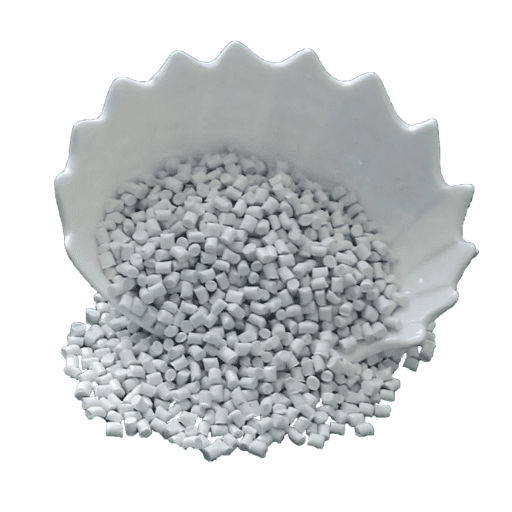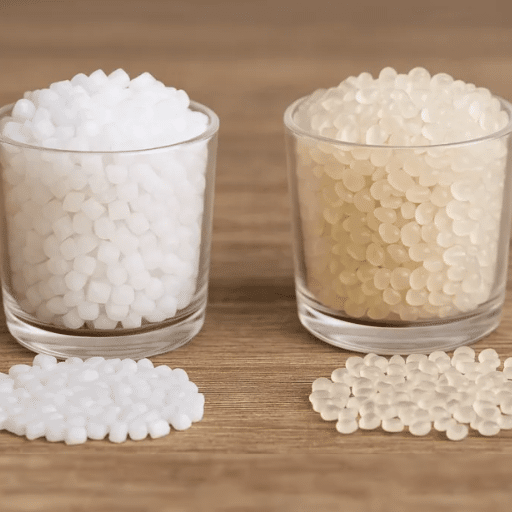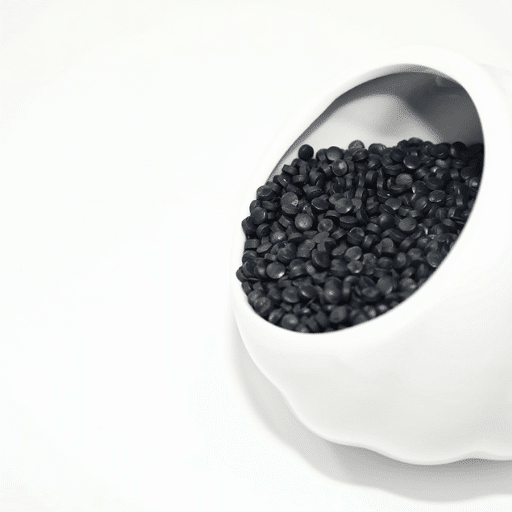
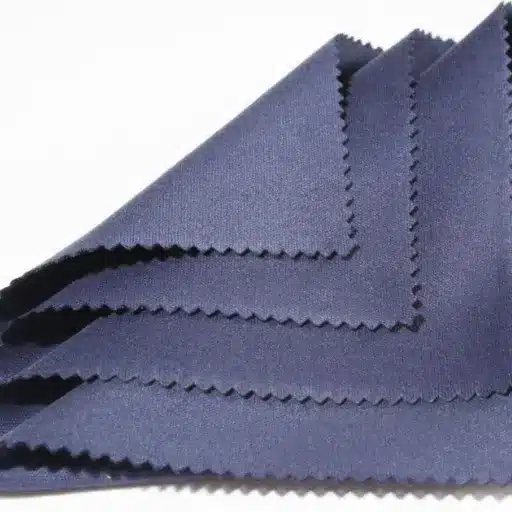
Polyamide fabric, often named as nylon, has been the most popular synthetic fibers in the textile industry for many decades. The main reason for that is its capacity to take almost any shape and its robustness. Polyamide is used both in clothing and activewear manufacturing and in industrial application. However, recently consumers started to care more about the environment and attention is paid to the quality of the materials used. Like that’s the case with polyamide, questions might arise whether it is a good or a bad choice. This guide is made with the aim of exploring the major pros and cons of using polyamide fabric which will help you to understand its performance, sustainability, and the extent to which it matches your individual or professional needs. It means that at the end of the day, you will be able to make your judgment based on very good information and facts whether polyamide will be part of your life further or will be rejected.
Understanding Polyamide Fabric
What is Polyamide Fabric?
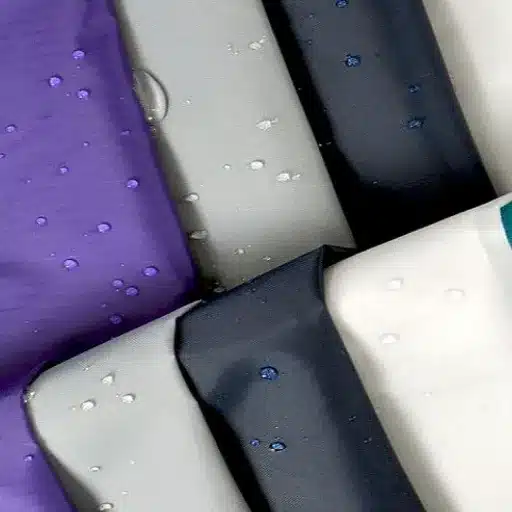
Polyamide fabric, often referred to as nylon, is a synthetic polymer that is achieved by the polymerization of monomers featuring amide groups. It was produced in the 1930s to substitute for the most sought-after fibers of that age, like silk. In chemicals terminology, polyamide is the bond of all its strength and flexibility comes by the chain of long molecules. The most prominent features of the fabric are being tough, with high tensile strength, and do not get affected by much, all of which together make this fabric one of the present-day best choices for many industries like the clothing one, the automotive one, or users in the industrial field. The role of polyamide is now even more substantiated through the development of such various kinds of polyamide that are being made in a more environmentally friendly manner with the key aim being the issue of sustainability.
Types of Polyamide Fabrics
Classification by their own specific composition, structure, and usage are the possible ways of polyamide fabrics segregation and usually, they fall into two common categories as follows:
Nylon 6: Nylon 6 is a synthetic polyamide made of only one monomer – caprolactam. A single polymerization event of a ring-opening nature takes place to form this. This polymer is in high demand in the textile industry, among other things, for its extremely high elasticity and great abrasion resistance and durability. A lower melting point, compared to other polyamides, is a trait that facilitates processing NY 6 by different manufacturing methods, which require the controlled application of heat also known as tempering.
Nylon 6,6: Nylon 6,6, formed through the condensation polymerization of hexamethylenediamine and adipic acid, is characterized by its high melting point and superior mechanical properties. This variant offers exceptional strength, thermal resistance, and dimensional stability, making it a choice material for automotive components, engineering plastics, and performance-driven textiles.
Aramids: Each and every single one of the aroma polyamides is being used extensively all over the world today, mainly because of the exceptional features they provide like better performance in high-temperature conditions, and resisting the damaging effects of mechanical stress. The biggest representatives of the aromids are Kevlar® and Nomex®.
Bio-based Polyamides: Bio-based polyamides have been replacing conventional ones due to being environmental-friendly. They are synthesized from renewable raw materials such as castor oil. These kinds of materials are of lower greenhouse gas emissions when produced and still have all the characteristics and qualities of a a polyamide fiber. They are increasingly used in the market segments where the interest of sustainability is strong, like garments made of organic fibers and automobile interiors with a green intent.
Polyamides when blended with elastane or polyester show high elasticity, good moisture management, and resistance to wear due to the load sharing among the different types of fiber and polymer. Similar properties they can be found in nature, in wool, and in elastane. Elastane/polyamide mixed fabrics are therefore ideal for sports-wear and other applications that require high-performance and comfort at the same time.
In the meantime, each polyamide fabric represents specific characteristics, and due to their diversity, these fabrics can be used in a range of various applications across different industries easily. It is foreseen that material science will keep making progress and that thus the textile area will be influenced by the driver of improved performance and environmental friendliness simultaneously.
Comparison with Wool, Polycotton and Other Fabrics
Polyamide and polyester are two of the most commonly used synthetic fibers that are being selected a lot in manufacturing because of their resistivity, adaptability, and the economy they come with. The two materials have been found similar in being man-made and their property of being wear resisting but they differ in a way that they are suitable for varying applications.
Nylon, one of the polyamides, is famous for its great strength and elasticity, which render it as the best choice for the products that require very flexible and durable materials, like hosiery, sportswear, and other industrial products such as ropes. One more important thing to mention is that it is also highly resistant to abrasion, so it is suitable for using in the places where the environment is challenging. Nevertheless, polyamide has the capability of more moisture absorption than polyester, which may lead to slower drying, and also increased odor retention in certain cases.
Polyamide, meanwhile, even though not as moisture-wicking or quick drying material as polyester, also has its own set of advantages. Performance-optimized, polyamide fabrics are frequently used in the making of outdoor and day-to-day active wear, where the main factors like water resistivity and UV protection require a very high standard. Unlike polyamide, polyamide textiles also require less maintenance as they are more resistant to wrinkling and shrinking and, at the same time, meet the rigor in the clothing industry.
Besides, the two have to meet environmental standards that are also a little different from theirs. Recycling is more common with polyester than with polyamide, and the former is increasingly used in manufacturing that is said to be ecological, all thanks to some technological improvements. Nonetheless, this is no excuse for the two to be complained about in terms of environmental pollution. They are still under the microscope for the potential of increased energy use in the stages of intense production and also for the shedding of microplastic m
Understanding these major differences will help companies to opt for the right materials in terms of the requirements for performance, aesthetics, and environment of their products. The sectors of polyamide and polyester are changing as well since they are constantly being improved and adapted to modern life with more performance.
Benefits of Polyamide Fabric
Durability and Strength
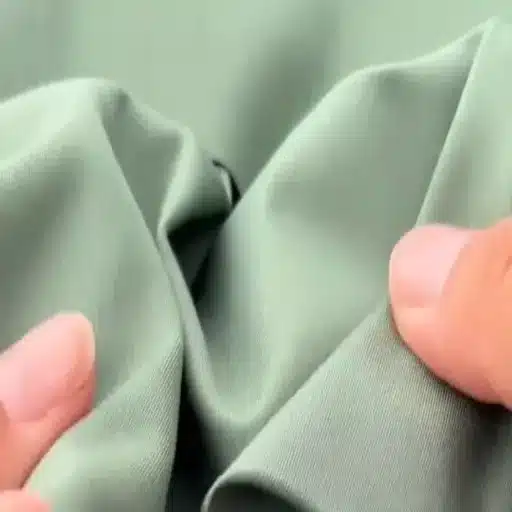
Polyamide fabric is known to be highly durable and possess an unparalleled tensile strength, thereby being first-choice material for the most challenging applications like outdoor gear, industrial textiles, and athletic wear. Its molecular structure is such that there are long polymer chains with very strong inter-molecular bonds so ripping and abrasive wearing are minimized to the maximum extent. Moreover, the ongoing advancements in the field of fiber technology have boosted polyamide’s performance, hence, the lightweight, highly durable versions that can cope up with the prolonged mechanical stress and the environmental exposure have come into the market. Having these traits in on one material provides the consumer, manufacturers, and designers with assurance of the strength, durability, and reliability to a great extent and even in the extreme conditions issues, and therefore becoming one of the materials that cannot be done without, in both functional and technical domains. HTML
Breathability and Comfort
Breathability and comfort are the main advantage of using polyamide fabrics, thereby the materials are mainly targeted for technical applications and performance apparel. Hence, their technological features create the conditions for an excellent moisture management system through the elimination of the abnormally intense perspiration from the body, thus ensuring a steady skin temperature even in case of a very hard workout. Textile technological innovation of recent times saw the formulation of texturized woven fabric with the presence of micro-ventilation patterns and wicking agents which improved the breathability of these materials. In addition, the natural elasticity and the lightness of the polyamide have been major factors in the wearability of the fabric making it very comfortable to wear for long periods. The use of the right materials and the right kind of engineering has proved to be a good formula combining the need for functionality with the provision of a user-friendly environment.
Versatility in Applications
The properties of Polyamide that made it a “jack of all trades” material in various industries around the world are also multiple and are characterized by high tensile strength, abrasion resistance, and thermal stability. The attributes above and so forth make it a material of choice across different businesses. In weaving, Polyamide is the major raw material for high-stress fabric production. That is when there is a high demand for fabric with the following features: high performance ability and great efficiency in water absorption due to the fact it is moisture-controlled and at the same time very strong. In the motor vehicle industry, the qualified product is mainly polyamide-based and strong and light at the same time. It also contributes to the improvement of fuel efficiency with its presence as a class-leading material for the engine covers and intake manifolds alike. Moreover, in contrast to the previous example, Polyamide serves to be vital in engineering applications given that precision parts are crucial in mechanical and electrical assemblies where dimensional stability and fatigue resistance are key factors. Another area that Polyamide is perfectly suitable for is the medical field where biocompatibility and strength are the main factors. Polyamide’s presence is so inevitable that in the wide field of applications it has the fastest growing market and has the lead in modern material science and engineering.
Drawbacks of Polyamide Fabric
The Environmental impact of Polyamide Production
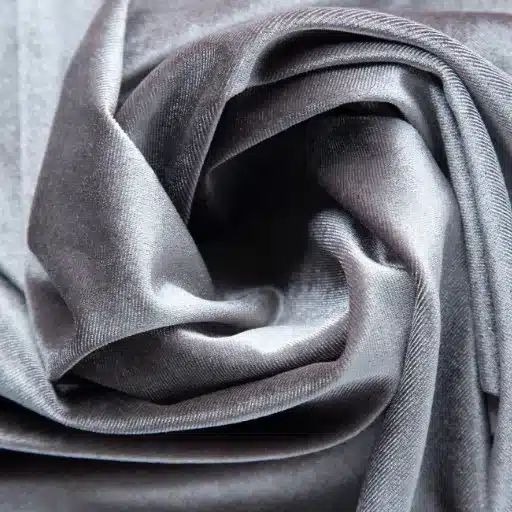
Polyamide fabric production, despite being beneficial in a lot of areas, it still has some negative impacts on the environment. The main issue here is the fact that the production of polyamide fabric depends mainly on petrochemical resources, which includes crude oil. The mining and processing of these fossil fuels are the main sources of greenhouse gases, affecting the global warming issue. Besides, the polyamide production includes such energy-intensive aspects as putting the whole process under a very high energy input, and the process includes the use of hazardous chemicals, one of them is adipic acid. This chemical, through the production process, can generate nitrous oxide, a very strong greenhouse gas, and release it into the atmosphere.
Yet another environmental problem that is very sensitive is polyamide products. Since polyamide is a man-made polymer, it is also not biodegradable and can be preserved for 100 years if not put in the right place to degrade. All of the material pollution in our earth’s soil and waters is mainly due to this polyamide with hundreds of thousands of microplastics, and hence, the whole food cycle with all animals being sick. Despite polyamide recycling opportunities gradually proliferating, the recycling process still remains extremely energy-consuming and the recycling infrastructure is not yet widely developed. Therefore, the changed landscape around plastics calls for new, eco-friendly production methods, while recycling should also be advanced by increased efficiency and alternative sources such as bio-based polyamides that are from renewable sources, are the direction worth exploring.
Health Concerns and Allergies
Polyamide materials, traditionally found in the textile industry and in numerous industrial settings, are materials that can bring about different health issues through their chemical make-up and their way of interacting with human skin. For those people with the most sensitive skin, one of the risks brought about by wearing polyamide fabrics for a long time, especially when the temperature is high and sweating is happening, is the possibility of getting skin irritation or even experience an allergic reaction. This adverse reaction is often connected to the presence of some residual chemicals like dyes or finishing agents in the material, which are left there as a result of the production process. Besides, several studies have been pointing out that slow release of microplastics from some polyamide goods after use or washing can be another source of environmental exposure and that these particles may find their way to food or water supplies and thus be ingested in the long run, posing a concern of long-term health effects.
The respiratory system could be adversely affected by the presence of particles in the air that could be released due to the production or handling of polyamide materials. Furthermore, these particles could act as irritants, especially within the work environment. The workers serving the sectors of polyamide fiber production or processing are highly encouraged to use protective gear and strictly follow safety protocols to counteract these hazards. Scientists are still at the stage of developing polyamides which do not trigger allergies and are at the same time compatible with the human cells to address this worrying issue and to make the goods safe for consumers and workers.
Why is it healthy to avoid some fabrics?
It is advisable to steer clear of certain kinds of fabrics that may lead to health, comfort, and environmental concerns. Polyester and nylon, the synthetic fabrics, are being colored and finished through the use of certain chemicals, the majority of which may leach out harmful compounds like phthalates or formaldehyde-based substances which are endocrine-disrupting. These substances, if in contact with the skin, can cause irritation or allergic reactions, particularly in those having sensitive skin. More so, the non-biodegradable synthetic fabrics are a big contributor to environmental pollution since they come out as microplastics during washing, which goes to the water systems and thus is harmful to aquatic ecosystems.
Even natural fabrics like wool or untreated cotton are not without health risks. Wool, being a breathable and insulating material, may still cause allergic reactions in some people due to lanolin content or processing agents that are still in the fabric. Similarly, cotton that has not gone through any treatment usually means that the crop has been treated with a lot of insecticides, which brings up the problem of toxicity in the residue. One way to make the risks of using such fabric less, is by going for certified organic fibers or fabrics that have less chemical treatments in their production. Both the consumers and the producers are called for a switch onto the track for green textile technology that is not hazardous toxicologically, and the developments are aimed to meet the present health and environmental needs.
Polyamide vs. Natural Fabrics
Comparison of Artificial and Natural Materials
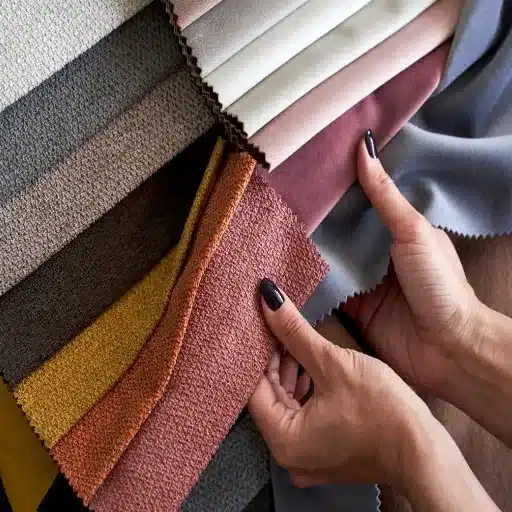
Artificial materials like polyamide, are man-made materials that are specifically engineered to give very high tensile strength, water resistance and flexibility while retain a high level of durability, synthesis and tailorability. One of the most popular polyamides is nylon; this is a variant used particularly in activewear and other industrial applications. However, nylon’s production is energy consuming and raw materials are related to the petrochemical industry, which is a negative aspect of the material concerning the environment,
probably due to the greenhouse gas emissions and the non-biodegradability.
On the other hand, natural fabrics such as cotton, wool, and silk are made of renewable resources and are the biggest advantage is that they can be fully decomposed. For example, cotton, besides offering hypoallergenic properties and breathability, it is also suitable for usage in wide range applications. Nonetheless, the cotton usage is still a major environmental issue due to the following reasons: high water consumption for farming, chemical usage, land area being exploited that could be used for other purposes is the case for a start.
Comparatively, synthetic fabrics outperform natural textiles in some specified needs, which include water resistance or tear strength, thereby making them well-suited for definite applications. However, fabrics of the natural kind are the best performers in comfort, biodegradability, and environmental compatibility. The textile industry has seen major leaps forward with the introduction of the mixed fiber fabrics which are a composite of natural and synthetic fibers. Besides this, the use of the bio-polyamides and the organic agricultural procedures, the industry will finally reach the stage of sustainable and high-performance textile production.
When to Choose Natural Fabrics Over Polyamide
When comfort, breathability, and sustainability are the major criteria, it is suggested to use natural fabrics. For example, materials like cotton, linen, and wool are highly recognized for the great moisture-wicking and thermoregulation abilities, making them perfect for warm weather or sportswear to keep the body cool and dry. Furthermore, the biodegradability of the natural fibers used in the clothes is responsible for reducing the environmental impact in the long run to a great extent, as it is in the case of polyamide blends that might cause a plastic microfiber pollution.
No less important is the matter of skin sensitivity. Natural fabrics are the best choice for sensitive-skin individuals and those who are allergic to synthetic fabrics due to their hypoallergenic features. At the same time, natural fabrics are the safest bet for baby clothes or medical disposables as there, materials with no cancer risk or air penetration issues are the chief elements to look for.
Nevertheless, polyamide-based fabrics would still have an advantage in applications where the strength, elasticity, or water resistance are to be taken into consideration. The choice ultimately lies in reaching a balance between performance and sustainability, and this is supported by the specific functional requirements of the end use.
Prospective Blends: Polyamide and Elastane
Polyamide and elastane blends are a dynamic duo that is often seen in different kinds of markets that demand a lot of flexibility, strength, and comfort. It is only natural that polyamide adds strength, durability, and structural integrity. These features make it perfect for use cases that are very likely to involve sportswear and functional clothing. Elastane is the one that makes that match with the help of the comfort and stretch that are harder to achieve with other fibers. The fabric-to-fabric elastic filament bonding of 100% elastane as the supporting act guarantees that the garm.
The precise control over the blend of polyamide and elastane in textiles is provided by advanced manufacturing techniques. It increases the material’s ability to fulfill the specific performance standards. The fabric becomes elastic and flexible with the trace of elastane in more than one percent only thus, becoming suitable for athletic-wear or compression clothing products. On the contrary, more polyamide in the blend can increase the maximum stretch and durability of the material which is very much needed for beachwear and active gear.
On the list of accomplishments concerning this mixture, the most remarkable is the adding of two new features, already mentioned, one of which improves the outdoor protection quality of the fabric while the second one, differs the moisture into the outer area quickly. Utilization of these technologies made it possible to produce fabrics with different functionalities – modern users require them to be all-weather, all-terrain. As a result, the blend of polyamide and elastane is a major breakthrough in the textile industry. It resolves the conflict between good overall performance and high user comfort level.
Conclusion: Is Polyamide Fabric Right for You?
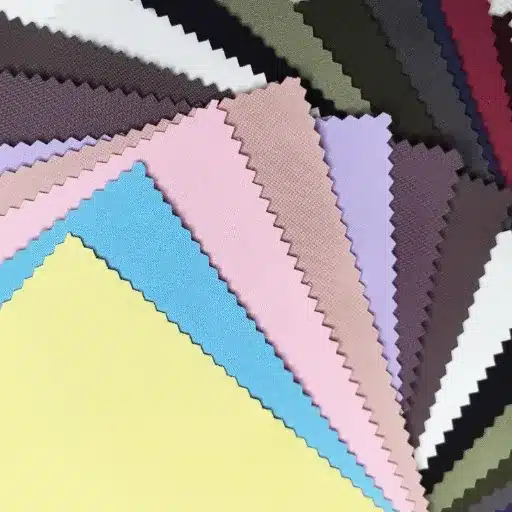
When analyzing your array of needs and preferences
At the time of taking the case that polyamide fabric is your right choice, you must necessarily consider your own specific needs, what your way of living is and where you are going to use it for. From my point of view, polyamide is by far the best choice in case you believe that your equipment should be very tough, stretchy, and lightweight. The reason behind it is not only the fact that it is hard to get anything torn out of it and its stretching ability. it also makes it a very good material for clothes and gear that are worn during sports activities, outdoor sightseeing or hiking. Moreover, the increased capacity of the fabric to absorb moisture (sweat and rain) and UV rays (for shielding the delicate skin tissues) does not only ensure that your fabrics remain dry and comfortable for longer but also that they stand up to the harsh elements where other fabrics would fail.
Still, your choice should be influenced by pragmatic factors such as sustainability, heat endurance, and user-friendliness. Tradeoffs include the very good functionality of polyamide fabrics against their being man-made. An environmental concern about its important carbon footprint can be raised especially for those customers who are very much eco-friendly. The best option might be a fabric type that has similarity to nylon but it’s still biodegradable or one that is easier to recycle. In the case of maintenance, nylons are very heat sensitive and this needs some attention during washing or drying.
Polyamide as a textile is a good choice depending on the balance of technological advancement and personal values and preferences. If you are more interested in the functionality, longevity, and versatility of a garment, polyamide is a very good alternative. Those who put the same premium on sustainability as they do other aspects of the fabric may, however, rank polyamide hybrids still relatively high.
Final Thoughts on Polyamide Wear
Are those who are into the environment and durability? One of the options that can go well with that is polyamide considering the quality and the future of the garment first. Its characteristics of being more durable, more able to take wear and tear, and to keep the use area dry are typical in cases where various applications are required. The quality of polyamide is that it keeps its shape long enough and its care is of low maintenance which is of great interest to anyone who seeks the interaction and the living long through the existing clothing.
First and foremost, I think that the impact polyamide has on the environment is a significant downside considering petroleum as its non-renewable starting point and the related microplastic issues from washing. The thoughts which these things evoke, drive people to look for other clothing options that are more sustainable, but still the bio-based or recycled polymer blends with the inclusion of polyamide are surely sustainable directions. By doing so, these developments help in retaining both the high-performance nature of the material and the urgency for drastic sustainable measures.
Choose synthetic fibers and spend only a part of the day shopping for clothes, an option that is more of a personal deal than a global one. To me, it is a very reasonable option when high durability and adaptability are the main aspects of a context. Nevertheless, I am ready to learn about the environment-friendly alternatives and to the improvements in textile technology that are in line with the performance needs and environmental friendliness both.
Future of Synthetic Fabrics in Fashion
It seems that the fabric production sector is heading towards a very fine line where what will matter is the mix of adventurousness, practicability, and sustainability, that is to say; the new fibers in the green field of the usage of plastic fiber are pretty much the same as the old fibers. However, the giant step in the industry would be the fibers which will be developed from the most (bio)degradable sources, and at the same time, they will share the properties of the best or most used fibers of this time.
For me, the incorporation of smart textiles and nanotechnology comes as the most interesting part. Hence, the smart material gains various innovation that was going before the traditional one. The innovation becomes smart such as temperature modifications, moisture absorption, and the use of detectors that specifically respond to the environment. The mentioned functions have some relevance for the future since they can very well be the new face of performance wear; at the same time, that would be essentially true for everyday clothing as well. Furthermore, it would be the garments that are represented by the above properties that would not only look good but are also considered very easy to use since they can be worn anyway for any need. However, to bring technology like this to a wider audience, we still have to figure out the right way of making it both ethical and affordable.
At the same time, I, too, cannot avoid being concerned about microplastic pollution as a very severe issue that is getting worse because of synthetic fabrics. Encouragingly, alternatives such as installation of high-tech filters in washing facilities and the invention of plastic fibers that are totally degradable are crucial as the initial steps to address this problem. For me, one of the industry’s prospects of continuing to produce the synthetic fabrics is the successful and responsible innovation that guarantees not only the materials being top in performance but also eco-friendly. To be innovative but environmental at the same time, synthetic fabric producers must tie together all aspects of the supply chain. Most importantly, creative and responsible sourcing of raw materials can directly lead to a reduction in the negative impacts of the harmful waste that is the main source of the problem.
Reference Sources
-
2017-18 Senior Design Projects – Wilson College of Textiles – Explores fabric properties, including lamination and bonding techniques.
-
A Review of Long Fibre-Reinforced Thermoplastics – Purdue University – Discusses advanced materials, including polyamide composites.
-
Sustainable Recycling of Polyamides – PubMed Central – Focuses on recycling strategies and the environmental impact of polyamides.
Frequently Asked Questions (FAQs)
Is polyamide cloth a good choice for everyday wear?
Polyamide fabric is a man-made fiber that is known to be incredibly lightweight, elastic, and quick-drying, making it an excellent choice for everyday wear. It has the ability to wick moisture and hence, keep your body cool and dry, even during intense workout sessions or casual wear, and its strength ensures that clothing will have a longer lifespan compared with many other natural fibers. Though it sounds oxymoronic, the main materials almost always can be harmful to the earth. Some plant-based fibers or recycled plastic options may be preferred by those who don’t want to deal with the guilt of adding to the environmental burden. Polyamide fiber does not easily fracture (wear out) and in school, commonly found in sports uniforms or dance tights, but the smell can be a problem if proper caution is not taken, and the fibers can attract static too. It would be great if the intended application with polyamide would be in contact with human skin such as cloth or underwear. However, it can still be a great option for other uses.
Are there any possible negative health effects that can come from using the polyamide fiber?
Polyamide’s negative impact has caused concerns, triggering discussions on the skin rashes from nylon, the use of harsh chemicals for finishing, and the allergies to synthetics. However, most people do wear nylon without a hitch. Some water-resistant garments achieve that property by using the most problematic perfluorinated chemicals; therefore, it is better to wash new clothes and go for the untreated or eco-friendly options to minimize the exposure. Having a tendency to release fibers when washed, polymers can also take sharing part in the environmental pollution, that is why, a microfiber filter or bag can be connected to the drain of the washing machine to help capture most of these. If you have any skin sensitivity, then you should start by looking for fabrics that are part natural or which are made of naturally dyed and grown plants, so that you can easily avoid such things as contact itch. To sum up, polyamide is not harmful in itself in wearing but the choice made in production and treatment influences safety aspects and the environment through pollution.
Would nylon be a good choice for breathable sportswear or activewear fabrics?
Nylon is a synthetic material that, when produced as microfibers or in a blend with moisture-wicking and ventilation properties, amongst others, can be very porous. This is why we find nylon being used in many sportswear and active garments. The sweat-wicking promise and quick dry of the very best nylon fabrics also help to make them very comfortable to wear when training. Specifically, when it comes to heat and humidity, not every type of nylon is adequate, for example, the heavy or covered one which is used in the making of garments to repel water, hence, the heat and moisture get trapped. For vigorous physical activities, seek materials boasting moisture-wicking or breathability and that have mesh panels or vents; this will facilitate the movement of air and attainment of some level of comfort. Another idea to comfort with a lesser footprint on the environment is to mix nylon with the nature environment or to utilize the recycled polyamide.
How is the case of a breathable synthetic material vs. natural fibers in terms of the degree of breathability?
There is no doubt that when compared to many natural fibers, a breathable synthetic material like polyamide is great at wicking moisture and quick drying. This is what has made it a popular choice in swimwear and activewear. Though some people still prefer the feel of natural fibers such as cotton or rayon, the former mainly make up the casual wear market as they take up moisture and dry slowly. On the other hand, synthetic polyamide lasts much longer than most natural options, but on the downside, it is derived from petroleum and can release microfibers into the environment. On the bright side, the combination of polyamide with natural fibers in the textile can make it really breathable, comfortable, and stiff. For the ecologically mindful, buying recycled polyamide or naturally produced blends is a good way to lessen the impact of the garment and to decrease the use of new plastic.
Are there any benefits and drawbacks of the polyamide and polyester blends?
A blend of polyamide and polyester will lead to the development of fabrics that are very strong, quick to be dried, and resistant to wrinkling; hence, the merger of the best features and the disadvantages of both the types of synthetic fibers. According to the data on the Internet, such mixes are highly popular in the outerwear, sportswear, and travel wear markets due to the fact they resist abrasion, keep you dry, and are pretty easy to look after. However, a negative point is their being both produced of petroleum-based plastics, and therefore, they have the tendency to release microfibers during washing which is one of the causes of environmental pollution. The blending of these two types is most likely to lead to a situation where the result will be fabrics that have less breathability than natural ones and probably will be bad smell keepers unless the fabrics undergo antimicrobial treatments, a procedure which involves toxic chemicals sometimes. Besides, the recycled forms of polyester or polyamide should be chosen and the clothes should be washed in a microfiber-capturing bag to lessen the negative consequences of the industry on the environment and at the same time keep the good features.
What are the main factors of polyamide material that are responsible for the wear performance of the fabrics?
Polyamide has the following characteristics; it is high in tensile strength, elasticity, abrasion resistance, and also presents fast drying ability which is why it is frequently employed in areas of demand like swimming garments, outdoor gear, and sportswear. Additionally, polyamide is both light and the microfibers made from it can be engineered to improve softness as well as the removal of moisture from the skin, thus, making it the perfect solution for the maintenance of a dry body. The usage of polyamide in garment making can have detrimental effects on the environment as it is solely an artificial fabric manufactured from oil-based feedstock, unless methods of recycling and responsible manufacturing are used. The “beauty” of the fabric does come with maintenance restrictions, such as being resistant to many chemicals and stains but being extremely sensitive to temperatures and some solvents. The problematic issues that must be considered by end-users are the extent of sacrificing performance and durability for the sake of taking a bigger eco-footprint and causing a potential reduction of microfibers in the environment.
Is there any other polyamide material that is environmentally friendly that can be opted for?
Indeed—using recycled nylon and items that are made from recycled nylon cuts down on the use of brand-new petroleum-based plastics and is also able to lessen the total ecological footprint of clothing. Opting for used nylon for swimsuits, hosiery, or outdoor wear not only prevents plastic build-up in landfills but also reduces the demand for fresh raw material with the microfiber release issue being a concern. A number of companies do not only manufacture without harmful coatings and perfluorinated chemicals but also make their fabrics more eco-friendly and safer for human skin by their approach to the polyamide fabric making. Washing at low temperatures, using microfiber filters, and mending garments all contribute to prolonging the life of garments and reducing waste. Although nylon is an artificial fiber, the aforementioned practices offset its high-performance nature and make it more environmentally friendly.