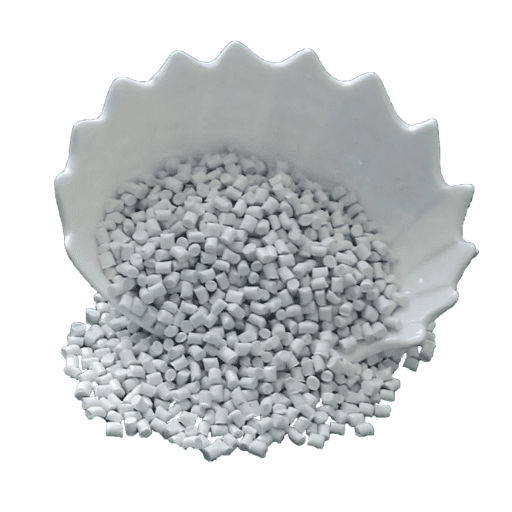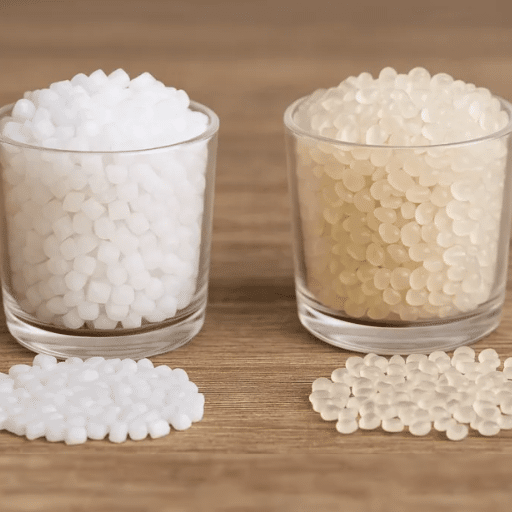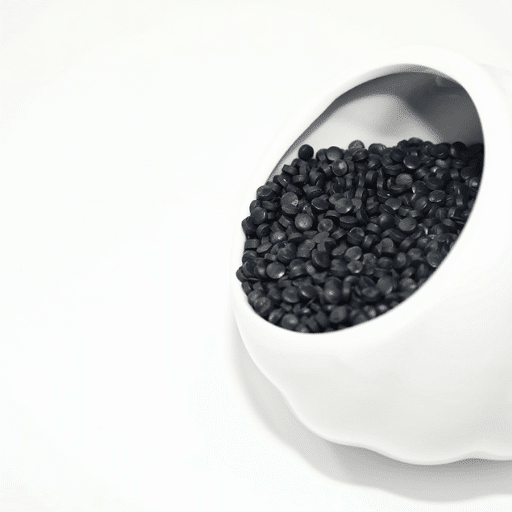
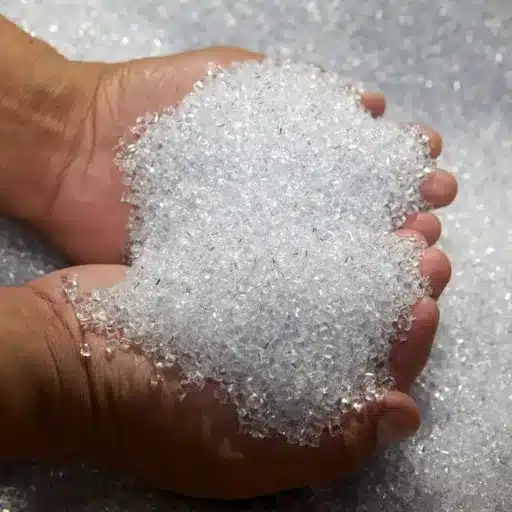
Plastic pellets made of polyethylene are extremely important as they are used in the production of various items which are used daily such as packaging, household goods, etc., to name a few. By knowing the complex processes involved in the production of these versatile pellets, the insight of their application throughout the world is found through functioning. The main manufacturing journey-article will cover about the dramatic change in polyethylene that takes place as the standardized pellets are made, mentioning every single phase, from the polymerization to extrusion, and the technologies that are used. Apart from this, we have studied multiple sectors that are in favor with these pellets and thus the products they produce are not only very good but also innovative and efficient. Due to this light, the production of polyethylene for science and business purposes has been demystified and we have a post that will inform and engage the audience as well on the topic of the material’s truth being in the realms of modern manufacturing.
Understanding Polyethylene Plastic and Its Varieties
What is Polyethylene?
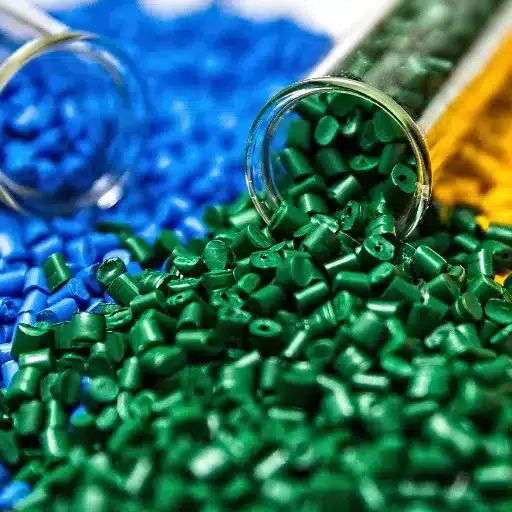
Polyethylene is a very pliable thermoplastic polymer that is one of the most widely used material in the world. This polymer, which is made of an interconnection of monomers of ethylene having long chains, has such a structure that it is characterized by its amazing balance between flexibility, toughness, and chemical resistance. The most common forms of polyethylene are low-density polyethylene (LDPE), high-density polyethylene (HDPE), linear low-density polyethylene (LLDPE), and ultrahigh-molecular-weight polyethylene (UHMWPE) that are needed for various applications. Specifically speaking, LDPE is most frequently used for the production of flexible packaging since it is very flexible; whereas HDPE, on the other hand, offers more strength and rigidity for pipes and containers. Besides, new polymerization techniques have been innovated that further heighten the performance of polyethylene and facilitate the provision of adjusted properties like increment in the toughness or decrease of the mass for the industrial and domestic applications. The wide-ranging application of polyethylene is attributed to its cost-efficiency, recyclability, and versatility which are enough to cater to all requirements of various industries like healthcare or construction.
Types of Polyethylene: HDPE vs. LDPE
The High-Density Polyethylene (HDPE) and Low-Density Polyethylene (LDPE) are two main categories of polyethylene which are solely based on their molecular structure, density, and mechanical properties. A linear molecular structure makeup with minimum branching can be said to be the characteristic of HDPE of the two which is behind the creation of a very dense and much crystalline material. Its structure confers HDPE with an enviable strength-to-density ratio, chemical resistance, and longevity, thus, a perfect raw material for the piping systems, industrial containers parts, and even cutting boards required in household products.
On the other hand, LDPE has the most twisted molecular composition of plastics, hence the lightest and the most flexible. Further, characteristics of LDPE are the highest levels of elongation in combination with ductility, impact resistance, and transparency, making it especially convenient to be used for the production of plastic films, bags, and bottles designed to be squeezed. Tensile strength is one of the few properties at which LDPE falls behind HDPE; however, the former severely beats the latter in elongation, or in other words, in flexibility applications.
Each of the two types of polyethylene has got its best application scenarios and appeals to different users of a variety of industrial and commercial sectors. The combination of HDPE’s stiffness and neatness and of LDPE’s elasticity results in the formation of light and highly adaptable designs. Deciding upon the perfect material comes down to the intended application and the performance criteria. Innovations are further strengthening the capabilities of HDPE and LDPE and making them more accepted in more applications through the latest in material science.
Polyethylene Plastic Pellets: Physical and Chemical Properties
The physical and chemical properties of polyethylene plastic pellets are such that the material is highly versatile and can be used in a lot of different industrial and commercial applications. The plastic material is chemically very resistant which helps it be able to last even when it is exposed to solvents, strong acids, and bases. Concerning the thermal stability, the latter now is reliant on the density and with the HDPE having better up to around 130 °C, on the other hand, LDPE has a much lower end of about 105 °C.
Key Physical Properties
- Chemical Resistance: Excellent resistance to solvents, strong acids, and bases
- Thermal Stability: HDPE up to 130°C, LDPE up to 105°C
- Water Absorption: Very low rate, enhancing durability in humid conditions
- Dielectric Properties: Excellent for electrical insulation applications
- Thermoplastic Nature: Easy to mold and shape using heat
The properties of the plastics in pellet form do not just lie within the density and crystallinity alone but also in their mechanical characteristics. The tensile strength and rigidity characteristics of HDPE, which has a denser and more crystalline structure, are far higher than the other type of plastic, and so it becomes the material of choice in many applications like building and construction. At the same time, LDPE, which is known to have a low-density branched structure, and so the material gives the excellence of flexibility and shock resistance that is needed for flexible cover type applications. Both plastics display a very low rate of water absorption, which in turn is contributing to a much better durability of the products in the place of high humidity and in the presence of liquid’s.
Polyethylene pellets are really thermoplastic from the point of view of processing and making, to the extent that it is very easy for the plastic to be molded and shaped using heat. Besides, they have very good dielectric properties which is why they are used in electrical insulation components. However, the greatest feature is that they can be further modified by additives which help companies dealing with the product to easily extend the range of the polyethylene and, at the same time, to make it suitable for various applications all at once. Part of the modification is the UV protection and the addition of the flame retardant property, zero halogen, and the composite formula is polymer+glow masterbatch. This is the key to the growing list of the relevant properties and the polyethylene pellets remain the top material for the material in modern times.
The Manufacturing Process of Polyethylene Plastic Pellets
Raw Materials and Initial Processing
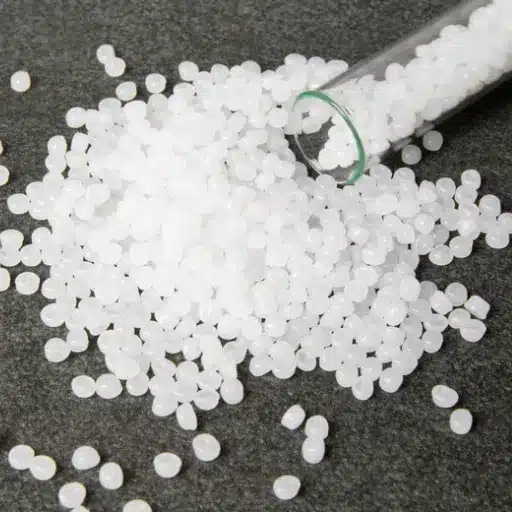
The making of polyethylene stuff begins with one petroleum- or probably natural gas-based product that is the raw material ethylene, the petrochemical that is most important. Ethylene, a hydrocarbon, is the monomer used for the polymerization of polyethylene. Ethylene is first processed and then it reacts in the polymerization which can be accomplished by triggering through various ways of polymerizing such as high-pressure radical polymerization for low-density polyethylene (LDPE) or catalytic polymerization for high-density polyethylene (HDPE). To avoid undesired deviations of the properties, fine-tuned distributions of polymer chain lengths and improved matching of the structural arrangement of macromolecules group, which in addition are the reasons for the functional properties of polyethylene, advanced catalysts namely Ziegler-Natta type of catalysts or metallocene catalysts are used. Furthermore, unless carried out with no violations, this is to make the polymerization happen namely at the temperature, pressure, and with the proper feedstock composition that are defined, among other reaction conditions. The outcome quality in the terms of yield and at the same time the quality of the polymer are surely enhanced by this control. Polymer chains are made to have the properties that are adaptable to the application requirements through this kind of control which is surely one of the most important factors in the whole production process.
Manufacturing Process Overview:
- Source ethylene from petroleum or natural gas
- Select polymerization method (high-pressure for LDPE or catalytic for HDPE)
- Add advanced catalysts (Ziegler-Natta or metallocene)
- Control temperature, pressure, and feedstock composition
- Ensure proper polymer chain distribution for desired properties
Techniques for Pelletization: Extrusion and Injection Molding
Pelletization is one of the most important operations in polymer processing where polymer material is converted into uniform manageable pellets that can be used for various downstream processes. For doing so, two main methods are widely adopted, which are extrusion and injection. The former is a process where molten polymer is forced through a die which is followed by cutting the extruded strands with a rotary cutter into pellets. The die design, cutter speed, and melt temperature are three of the main operating parameters which have to match with each other to get the desired pellet size and shape with extrusion processing.
While traditionally considered the primary method for creating finished polymer products, injection molding can also be adjusted to be used for pelletization in small-scale applications and research environments. The material is injected into the mold and then made to solidify quickly, getting the specific shape which later can be processed into pellets. Injection molding for pelletizing is the best option if a very accurate size and shape are needed, notably when using specialty polymers or manufacturing custom formulations.
Both methods have been devised to secure the same features of material across the industry, minimize that which is not still in production and to actually keep the material’s intended disintegrative properties, hence, providing a strong starting-point for subsequent steps of manufacturing. The decision to use either extrusion or injection molding must be made based on the material, scale of production, and the specific performance requirements of the final application.
Quality Control in Pellet Production
Quality control in pellet manufacturing bears an essential contribution to the uniformity, the performance level, and the dependability of the product. The process consists of a variety of tests, the use of universal manufacturing protocols, and the employment of highly trusted tools for inspections at every point of the manufacturing step. Main factors like size, humidity level, hardness and chemical composition of the beads are taken to the last detail in order to comply with the predetermined specifications. Inline optical sensors, infrared spectroscopy, and automated sampling devices are among the common instruments used to instantly locate deviations and eliminate possible flaws in the manufacturing process.
Quality Control Methods
- Testing Parameters: Size, humidity level, hardness, chemical composition
- Inspection Tools: Inline optical sensors, infrared spectroscopy, automated sampling devices
- Standards Compliance: ISO 9001, industry-specific guidelines
- Process Control: Statistical process control (SPC) methods
- Maintenance: Regular equipment calibration, operator training programs
Compliance with global standards such as ISO 9001 or industry-specific guidelines is a key factor to ensure the manufacturing process follows the law and satisfies the consumer needs. Statistical process control (SPC) methods have been proven to introduce changes in the efficiency of the production process while decreasing waste and variability. Furthermore, the equipment should be calibrated regularly and operator training programs conducted to meet the high-quality standards. This degree of exactitude and meticulousness in quality control not only protects the integrity of the pellets, but it also improves their performance across various applications, from heavy industrial manufacturing to specialized production settings.
Industrial Uses of Polyethylene Plastic Pellets
Applications in Packaging and Containers
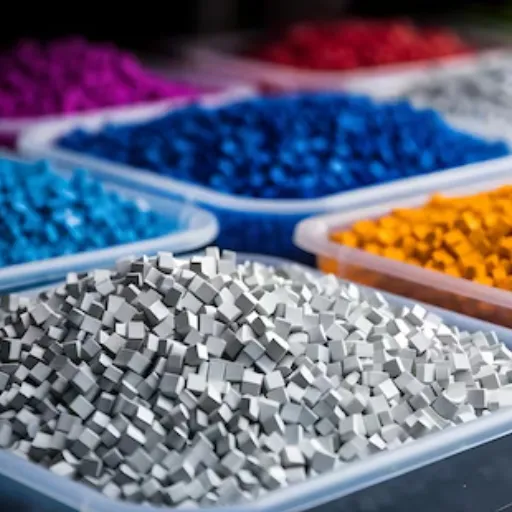
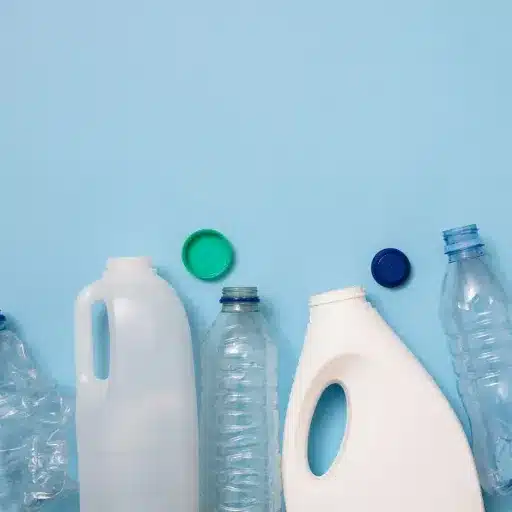
Polyethylene plastic pellets are one of the main constituent materials used in the vast number of packaging and container solutions because they are exceptionally versatile, lightweight and at the same time cost-effective. These pellets are made into films, bottles and other forms of packaging, which provide strength and at the same time, performance. For making rigid containers, high-density polyethylene (HDPE) is used mostly as it is the material to be selected for detergent bottles, milk jugs, and industrial drums where the highest possible resistance to both strength and chemicals is required. Conversely, low-density polyethylene (LDPE) is mainly chosen for the production of film related products that need flexibility such as plastic bags, shrink wraps, and packaging liners, due to its resistance against puncture and its outstanding qualities for sealing. Besides, the use of plastic films for health and environmental reasons has made it possible to add certain compounds to be used within polyethylene, for example, to make it even more moisture, oxygen, and UV radiation barrier, thus, make it the shelf life of the product longer. Constants enforced for health and environmental reasons have changed polyethylene from an outdated using case in modern packaging. mm
Common Packaging Applications
HDPE Applications:
- Detergent bottles
- Milk jugs
- Industrial drums
- Rigid containers
LDPE Applications:
- Plastic bags
- Shrink wraps
- Packaging liners
- Flexible films
Using in Fabrication of Weighted Blankets and Lap Pads
Polyethylene, especially in the way of high-density polyethylene (HDPE) pellets or beads, has been recognized as the most excellent material for making weighted blankets and lap pads. These little round polyethylene pellets with a uniform size and density are very good for the product’s weight distribution with accuracy and thereby enhancing its therapeutic efficacy at the same time. Weighted blankets and lap pads are very frequently utilized to supply deep pressure stimulation (DPS), a method that helps in relaxation and lessening stress and hence the correct selection of the material is paramount to being able to get the best result.
Benefits of Polyethylene Pellets for Weighted Products
- Safety: Non-toxic and hypoallergenic
- Water Resistance: Does not absorb water, ensuring long-term durability
- Impact Resistance: Prevents shrinkage or cracking during use
- Noise Reduction: Soft feel minimizes noise during movement
- Sustainability: Recyclable options available for eco-friendly manufacturing
Polyethylene pellets are safe for humans, do not cause allergies, and do not take in water, thus providing a safe and durable long time service. The strength of the material that is also an important property is its resistance to impact. The same property will, therefore, extend its service life by preventing shrinkage or cracking during loading, washing, or continuous use. Furthermore, the peacefulness and feel of polyethylene pellets are very soft and this minimizes noise during their movement which is often a major comfort issue for the user. The development of this sustainable manufacturing has eventually resulted in the supply of recyclable polyethylene as a secondary choice, corresponding to the textile industry’s environment-friendly objectives. These properties taken together place polyethylene as the first-class option to make out blankets weighted and pads that are going to be custom-made according to user needs.
Polyethylene Pellets as Rock Tumbling Media
Polyethylene pellets have now become a very good and adaptable medium in rock tumbling but this is because of the unique, physical and chemical characteristics that they possess. During the process of rock tumbling, they replace with their cushioning function the stones, towards which chips and fractures are likely while polishing results remain homogenously good. They are of course not only light but also help to smooth material movement within the tumbler, thus lessening the load on machinery and material that goes with processing.
Advantages in Rock Tumbling:
- Cushioning function prevents chips and fractures
- Lightweight design smooths material movement
- Reduces load on machinery during processing
- Chemical inactivity ensures contamination-free results
- Reusable and economical for multiple cycles
- Ideal for softer and delicate stones
In addition, polyethylene is just chemically inactive which implies that it does not cause any troubles with the abrasives or the polishing compounds that are typically used in rock tumbling. Therefore, and more importantly, a very neat and non-contaminated process can be guaranteed, which is critical for achieving top-quality finishes. Apart from that, the polyethylene pellets can also be reused which makes it an economical and eco-friendly solution that is suitable for hobbyists and professionals. Polyethylene pellets are the best choice to tumble softer and delicate stones because they will protect the stones but at the same time will not reduce the beauty or the strength of the stones.
Comparing Polyethylene to Other Plastic Materials
Polypropylene vs. Polyethylene: A Comparative Study
Polypropylene(PV) and polyethylene (PE) are two different polymers that have contrasting mechanical properties and applications. The main difference between the two is seen in the fact that polypropylene has the ability to melt at a higher level, usually around 160°C, thus becoming very heat-resistant and, therefore, suitable for uses where thermal endurance is key. One the other hand, polyethylene may not have such melting point and may even have a range, in the cases of its density (HDPE, LDPE), of 120-130°C, though it is a better material for flexing and impact resistance. This said, the fact that it does not harden on temperature increases makes PE a very good choice for packaging, tubing and film usage.
Besides, PE is known for its great chemical resistance, especially to acids and bases, and PP is chosen for its high fatigue performance which becomes possible through its excellent elastic recovery properties. Because of these specific differences in properties, manufacturers are free to select the right material for their application that will need structural rigidity, thermal resistance, or durability in very aggressive chemical environments. Thus, people working both in industrial and consumer sectors should know these basic differences the best to be able to optimize material selection.
The Use of Filler Beads in Improving Plastic Characteristics
The presence of filler beads in plastic materials is a necessity for manufacturers to adapt and even improve material properties to specific performance demands. Using filler beads, the mechanical strengths that can be stretched, the resistance to impact applied and the resistance to dimensional change exhibited by the manufactured articles can be increased. One of the most common uses of glass beads is to rigidify the material and to shrink it less, which results in more predictable dimensions for the plastic parts made by molding. Moreover, the addition of mineral fillers such as calcium carbonate or talc can help the manufacturer to cut costs by minimizing the use of resin and, at the same time, to improve the quality of the products through the increased thermal resistance and surface finish.
Benefits of Filler Beads
- Mechanical Enhancement: Increased tensile strength and impact resistance
- Dimensional Stability: Reduced shrinkage, more predictable dimensions
- Cost Efficiency: Minimizes resin usage while maintaining quality
- Thermal Properties: Enhanced thermal resistance
- Weight Optimization: Creates lightweight yet strong composites
- Functional Properties: Can add electrical conductivity or other specialized features
Beside the improvements in mechanical properties, filler beads are indeed a big part of the weight optimization which in turn, assists in the production of composites that are light but very strong. The space is filled with a lot more filler beads are very weak at this point, and as a result, tire composites with respect to weight and a good balance of strength and stiffness. Automotive and aerospace are also industries where weight is the main factor in the design process and where, in one way or another, the structure must be kept intact. The combination of fiber and filler beads gives the composites the character of being high in strength and lightweight. This is the main reason why the manufacturing industry is leaning towards the integration of more and more filler beads along with other ways of reinforcing like using fibers.
The capacitive filler beads being one example of the functional fillers that has been integrated in recent developments, its exterior shell gives the conductive property, the inner material being an insulator causes a multiple approach by the two conductive paths of scattering and tunneling, was even better for the project because its electrical conductivity was the same as carbon black. They could vary, among other properties, the material’s or of the composite’s electrical properties, through the addition of these so-called fillers of different types with different volumes and concentrations.
Environmental Considerations and Recycling Options
Concern over the environmental consequences of plastic materials, specifically single-use plastic products, has become so enormous that there is no longer any issue as to the inevitability of the need to adopt measures for production and recycling that are sustainable. The newest technologies in the field of recycling, namely chemical recycling, are already viable and are transforming the plastics into their primary forms for reusing and thus effectively decreasing the usage and eventual management of materials in loops. Moreover, the use of bioplastics which are made from natural components, say, starch or polylactic acid (PLA), also diminishes the oil reliance and the total amount of emitted greenhouse gases during production.
🌱 Sustainable Practices in Polyethylene Production
- Chemical recycling technologies transforming plastics into primary forms
- Bioplastics from natural components (starch, PLA) reducing oil dependence
- Design for recyclability using compatible polymers and additives
- Improved labeling for easier sorting and recovery
- Extended Producer Responsibility (EPR) systems
- Reduced greenhouse gas emissions in production
There’s another key aspect related to designs that may be recycled. Running away from one of the materials, namely polymers and additives, that do not allow a strong emphasis in recycling facilities leads to the modern development of products. For instance, the utilization of fillers that are instead compatible with polymers, and the marking of labels are being developed to make sorting and recovery easier. Concurrently, the viability of composite and multi-layering materials being direct parted to recyclable materials has gained the attention of scientists as it can also help to reduce waste in landfills.
Besides, the formulation of the Extended Producer Responsibility (EPR) system drives the companies to create products that are environmentally responsible. By applying both new technologies and business strategies the plastics industry can kill two birds with one stone: the ecological footprint will be greatly lowered while the demands for both the performance and sustainability of the product are met.
Reference Sources
- Introduction to Industrial Polyethylene – University of Cincinnati – Covers the properties, catalysts, and processes involved in polyethylene production.
- Processing of Ultra-High Molecular Weight Polyethylene – Discusses the molding process of polyethylene pellets into various shapes.
- Formosa Plastics Corporation: Plant-Wide Assessment – Details the production of polyethylene pellets and their downstream applications.
- Industry & Trade Summary – U.S. International Trade Commission – Highlights major applications of polyethylene in industries like packaging and consumer goods.
Frequently Asked Questions (FAQs)
❓ What are polyethylene plastic pellets and how are they made?
Polyethylene plastic pellets are one of the most commonly used to mold a wide variety of plastic products – they are used as raw materials in all kinds of plastics production in the world. They are produced by polymerizing ethylene into high-density polyethylene or other grades of PE, then cutting the extruded strands into uniform resin pellets. The product pellets can take the form of resin (bagged, or shipped in bulk) and they come making it transparent or pigmented with its physical properties suitable for both molding and extrusion. Manufacturers that turn the pellets into products can see the pellets in the color like the natural color if that is what they want.
❓ How could I keep the pellets in a bag in a way that will make them of high quality?
If you need to store pellets for weighted blankets, the best solution would be to get a sealed bagatan area where the atmosphere is cool and dry to avoid moisture uptake and prevent contamination from dust or glass beads nearby the bags. Keep lifting bags from the ground to ensure they are not losing transparency and being eaten away due to heat. Whenever you are feeding pellets into a hopper or machine, make sure it is done through proper filtering and sieving so as not to let foreign particles get in the melting process. If you are going to use the pellets for stuffing a toy or a soft pillow, make sure the product bag has the required food or toy safety label on it. The customer’s needs can be met by regularly changing the location of the stored products so that the resin pellets are the first ones in–first ones out, hence producing a uniform quality result.
❓ Are the roly-poly plastic pellets considered the same as those used for weighted blankets?
“Roly poly plastic pellets” is a slang term to describe small resin pellets, but not all of them are fit for weighted blankets pellets applications. Weighted blanket pellets typically require equal weight and non-abrasive surfaces; some suppliers propose pellets specifically meant for weighted blankets in bulk or glass beads for weighted blankets as alternatives. Plastic poly pellets for molding might have additives or residual monomers which may not be suitable for textile use, so it is always better to check the product specifications. For sensory or therapeutic items, pick pellets or polystyrene stuffing beads that are compliant with safety and non-toxicity standards. The manufacturers of bean bag filler or stuffing for stuffed animals usually offer specific filling options for safety and comfort reasons.
❓ Can PP and HDPE be used instead of PE plastic pellets?
Polypropylene (PP) and high density polyethylene (HDPE) represent two plastic resins with various characteristics, such as melting points, rigidities, and tolerance to various chemicals, thereby and not being interchangeable in the manufacturing process. If a machine is loaded with polyethylene plastic pellets, then the operator may have to make changes in processing parameters and the screw design to run PP smoothly. Both resins’ pellets and PP supply streams are available in bulk, but the product choice should be aligned with the application, for instance, PP being capable of more impact resistance while HDPE provides greater rigidity and moisture resistance. The resin choice affects the feel and strength of goods that are filled with the like a bean bag filler or soft pillow stuffing, therefore, use only the best pellets designed for the given final use. It is always advisable to refer to the technical data sheets for precise processing and compatibility recommendations.
❓ What products or screens should go after pelletization of resins in the molding machines?
Install metal mesh filters and perforated plates on your injection molding or extrusion machines correspondingly to counteract the contaminated and degraded polymer which may otherwise spoil the quality of the final product. Filters would guard the melt from various impurities such as rock tumbling medium or dust; thus protecting the dies as well as molds from damage and at the same time preserving the transparency in cases where optical properties are involved. Failure to perform regular maintenance on the filter can lead to the creation of partial clogs which may result in the flow to be inconsistent and also end up spoiling the surface finish. For the case of using pellets, the vacuum loaders located in the process line often use screens to prevent the entry of bag parts into the hopper during product transfer from a bag or bulk container. Plan to check the filters periodically and replace them as recommended by the manufacturer to keep the resin processing machine running continuously and the same way the resin pellet processing would remain consistent with no delays.
❓ Is Fairfield Poly-Fil poly-pellets a better choice than polystyrene fill-in beads for making soft toys and sensory products?
Fairfield Poly-Fil poly-pellets are a type of polyethylene-based filling that is specially created for crafts, toys, and weighted items and it offers a very strong and pliable feel in comparison with polystyrene stuffing beads. Use of poly-pellets is not likely to cause static and, therefore, they can also offer a different kind of sensory experience that is softer, mushier, etc. Polystyrene beads may be lighter but easier to break and cause noise. Poly pellets still, however, present themselves with a distinct set of characteristics, not only weight but also softness. And that is the reason stuffers of animals and sensory cushions are generally using poly pellets. The pellets can be the most heavy due to their material making polystyrene the lighter alternative, whatever man has the lighter side at the same time has the liability to the bigger damages that the loftier and heavier one. Washable when properly enclosed, non-loud, not-brittle-requiring polystyrene solution has its less popular project areas though. Makers, who use poly pellets for applications where additional weight is preferred, mix them with glass beads. This could for example be with weighted blankets to get a distribution of weight that is easier to handle. Always double-check the label on any stuffing for safety and flammability when making children’s products.
❓ Can the media used in the plastic pellets as rock tumbling, and what are the advantages and disadvantages?
Plastic pellets are the main rock tumbling media in a rock tumbler for buffering and noise reduction while polishing, and some grades are exclusively sold as plastic pellets rock tumbling media for this very purpose. The pros here are the minimized attrition of the stones, the recyclability, and a little more gentle polishing effect compared to the harder ceramic or grit media. On the other hand, there are some unwanted results when melting or contaminating by using just any resin pellets or resin for injection molding, so choose pellets specifically for tumbling. Plastic media is eco-friendly when reusable and is a forgiving material for the more delicate rocks to be polished, but it may not have the same level of finish as the finer abrasive compounds in some cases. To have the same quality output every time, it is recommended to use the pellet size, barrel load, and tumbling time as per the manufacturer’s instructions.