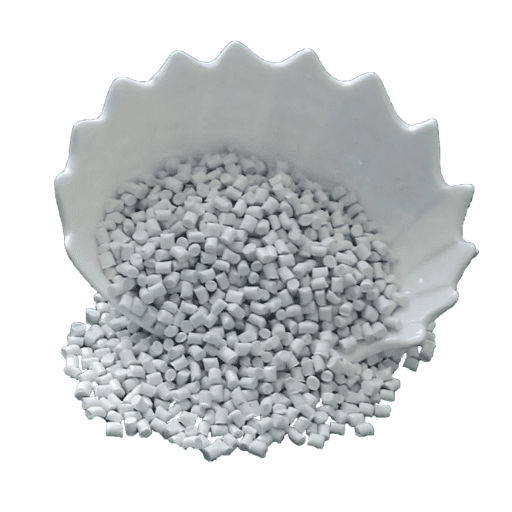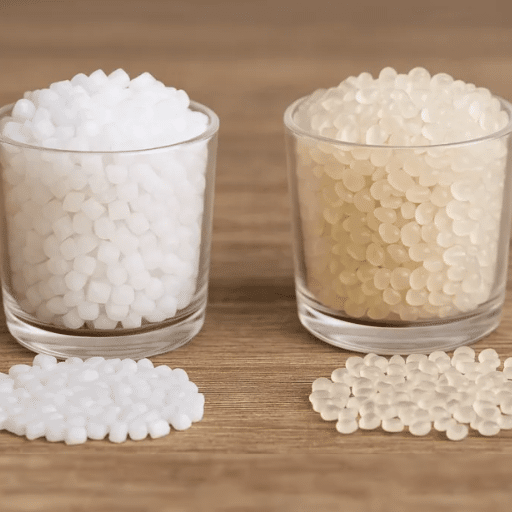
The use of recycled high-densitypolyethylene (HDPE) as plastic pellets quickly gains ground in many industries as they serve as a green and low-cost option to those made of virgin materials. As the world is getting to insist on the nature-friendly methods in all the sectors, companies are more and more turning to these kinds of materials to do innovations and at the same, making an ecological footprint smaller. This is a full impact text focusing on the very new applications of the recycled HDPE plastic pellets, and displaying just how much they are revolutionizing the sectors such as packing, building, and auto making. We are all going to be more nature-friendly this way with the use of recycled HDPE when we show these breakthroughs. The piece of writing will thus not only be more moderate and competitive, but it will also give the tools for the general public to be a part of the commerce that is moving to a more environmentally friendly approach of selling.
Understanding Recycled Plastic Pellets
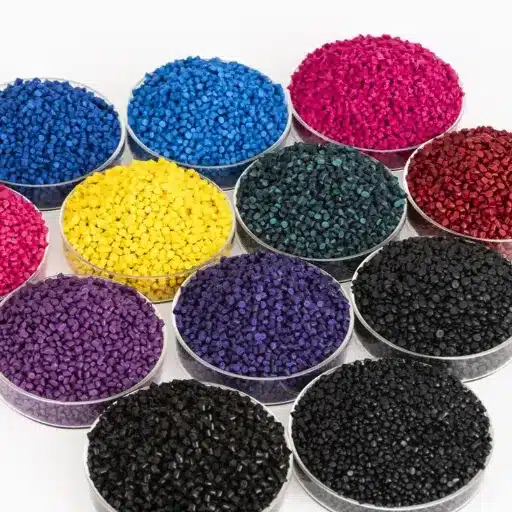
What are Recycled HDPE Plastic Pellets?
Recycled HDPE Plastic Pellets are the pellets which we receive after the process of converting the post-consumer and post-industrial HDPE waste into it. The recycled HDPE (High-Density Polyethylene) plastic pellets are small, cylindrical pieces of processed plastic. Recycling process is basically a five-step process from Collection to sorting, washing (cleaning), shredding, and re-pelletizing of HDPE materials which include used detergent containers, milk bottles, and construction scraps. HDPE’s thermoplastic properties allow it to be melted and reformed without degrading its structural integrity, making recycled pellets a versatile raw material for numerous industrial applications.
High strength-to-density ratio, resistance to impact, and durability against environmental stressors such as moisture and chemicals make recycled HDPE plastic a valuable product. The same product is obtained from the pellets having properties to serve as the pellets having the same properties and being a reliable alternative to the virgin HDPE at the same time. In addition, it offers even more performance consistency and, at the same time, very considerable advantages for the environment.*==* The giving high importance of the environment, that is a politically correct issue, the industries, in general, take into consideration, in their production of items such as pipes, plastic lumber, automotive parts and sustainable packaging material, the use of recycled HDPE pellets.
The Process of Recycling High Density Polyethylene
To ensure the purity, efficiency, and sustainability of the material, the High Density Polyethylene (HDPE) recycling process consists of a number of very important steps. One of the first steps is to collect the HDPE objects from post-consumer or post-industrial sites and sort them out by the use of advanced techniques like near-infrared (NIR) spectroscopy and density-based separation. These methods not only just find but also isolate the HDPE from other polymers and impurities, thus ensuring a top-notch input stream.
Right after they have been sorted, the HDPE materials go through an extensive washing process to get rid of both dirt and remnants of labels and adhesives. This stage is extremely important in that it guards against those foreign matters that could in any way harm the functionality of the material. The HDPE is then cut into pieces, which are further heated and formed into round pieces using precise extrusion methods. The round shapes are again removed of any even the minutest pollutant particles through filtration, thereby making the final product have the physical characteristics and mechanical properties of a virgin one.
Chemical recycling and depolymerization are examples of recent progress in recycling technology besides mechanical recycling. These sophisticated methods make the HDPE molecules break down to the monomeric or oligomeric forms that are much easier to be recycled and that way also easier to produce high-purity recycled polymers with a wider range of applications at the same time. The HDPE recycling process that is composed of these very stages not only supports the circular economy but also goes along with global sustainability objectives through cutting down on waste and saving non-renewable resources.
Advantages of Using Recycled Plastic Pellets
Recycled plastic pellets are such a great thing to have in terms of both the environment and the economy that they have become an indispensable part of modern manufacturing processes. The pellets, when they are used, cut down the need for fresh plastic so much that it decreases the use of non-renewable natural resources like petroleum and natural gas. This switch doesn’t just make the carbon footprint smaller but also cuts the amount of greenhouse gas emissions connected with the standard polymer synthesis through.
Using recycled plastic pellets as a raw material is cost-effective but the brand does not lose its high tensile strength, durability, and flexibility properties. Modern processing methods are in place to make sure that the pellets satisfy the specifications, making them usable in multiple sectors such as packaging, automotive, and building. What’s more, through their use in production pipelines, the company shows a forward-looking stance towards sustainability issues and thus improves its social and environmental responsibility image.
The practice of using recycled pellets in manufacturing will lead to companies and society as a whole achieving the objective of tracing a delicate path between economic growth and environmental conservation.
Applications of Recycled HDPE in Various Industries
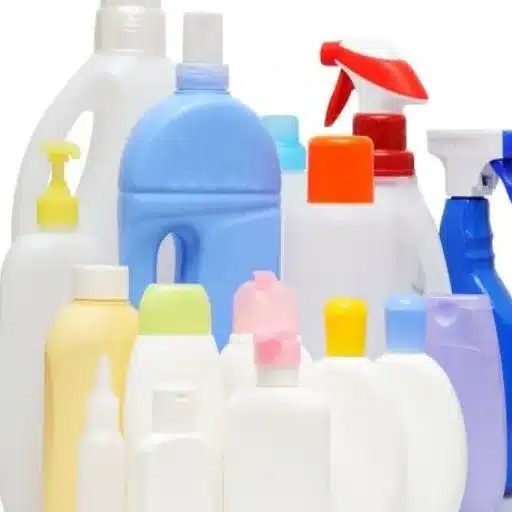
Wrapped With the Help of Reclaimed Plastics
Recycled HDPE (High-Density Polyethylene) has played an essential role in green packaging solutions for different sectors. It is solid, has good chemical resistance, and is easy to be worked with, which are the reasons why it is the best material for the processes of making bottles and containers, other than industrial packaging. When recycled HDPE is used responsible (from an environmental point of view the carbon footprint is reduced by up to 50% compared to virgin plastics), that is also in accordance with the goal of diminishing the global ecological impact.
One of the most successful examples is the production of recycled bottles for consumer goods including shampoos, detergents, and beverages. HDPE in these products plays a key role in retaining the structural integrity of the products in addition to the fact that it meets the requirements of the highest product safety standards. In the case of the industrial sectors, recycled HDPE enables the manufacturing of shipping containers, pallets, and protective packaging materials, which are long-lasting and at the same time budget-friendly.
Breakthroughs in the sphere of sorting and waste management machines have led to a notable increase in the quality of the recycled HDPE, which, in turn, has made it possible to meet the strict standards of food-grade applications. The said innovation has become the opening in the sustainable packaging of products that are consumed food and drinks by food and beverage companies for which product safety matters the most.
The advent of recycled plastics in the manufacturing sector has been an acknowledgment of the coexistence of the sustainability and the technology-innovation spheres, leading to a pull-effect on the manufacturers side, in the light of current eco-conscious consumer behavior. _This is step is far from being a mere drop in the ocean in that it also helps companies in reaching their environmental goals and at the same time, establishing a more solid market presence in an increasingly ecologically-aware society with growing sustainable business orders.
Injection Molding: Using Recycled HDPE
The use of recycled high-density polyethylene (HDPE) in the injection molding process requires complicated engineering aiming at reaching the same level of quality as that of the virgin materials. Initially, the recycled HDPE already in circulation which may come from the post-consumer containers and industrial scrap is put through a series of steps to make it clean and uniform pellets which are later on used to the material ensuring its consistent. Then the pellets are molded by melting them at particular and pre-set temperatures (which usually range from 356°F to 518°F, depending on the type of grade being used) and high pressure is applied during injection into molds. It is absolutely important to adapt the mold, cooling rate, and other parameters to the unique properties of the recycled HDPE, since they are not the same as those of the virgin HDPE, for instance, recycled HDPE might have different flow characteristics and thermal behavior from the virgin HDPE.
Its durability, resistance to chemicals, and overall flexibility play a significant role in the material finding manufacturing uses like pipes, vehicle parts, and packages for the consumer. Manufacturers indeed manage to keep their structural and aesthetic requirements for their products without causing more environmental problems by using recycled HDPE and other materials. This clearly shows that the utilization of reclaimed materials in precision injection molding is being made possible by the ever-innovative world of polymer science.
Sustainable Practices in the Manufacturing Industry
Manufacturing and producing environment-friendly methods and processes that comfort the environment and aim less waste and resource use with the highest efficiency is a definition of sustainable practices in manufacturing. In addition, the plastics industry is one of the chief contributors to land and marine pollution. A fundamental change in the process of producing the materials that are the basic elements for the industry has been adopted by industries willing to switch to the circular model, as the plastics are the biggest contributors to pollution among other materials. The reduction of green-house gases is another vital benefit that the changeover to the renewable source, solar energy to be specific, and amongst others, can be realized sooner or later. Through the application of advanced manufacturing technologies, for example, additive manufacturing and smart automation, as well as process flexibility with non-nature-dependent programmed work to speed up operations.arsimplore.ças and processes have undergone change making the industry unite in finding a solution to reduce product, process or, system waste.ifestyles as in the LCA way, will be the most frequently made use of the new medical, scientific, beauty and home products can be produced with the least impact on nature and maximum comfort. These professional standards during the development stage mean that the state of affairs of long-term benefits over short-term ones, have been balanced.
Environmental Impact of Recycled HDPE Pellets
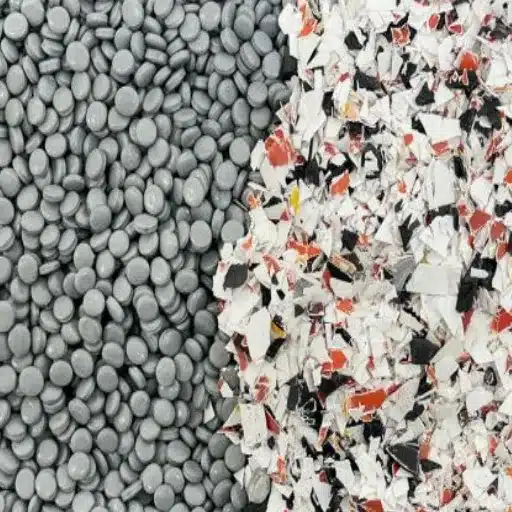
The Role of Recycling in Reducing Plastic Waste
Plastic waste is a serious environmental challenge that the word is facing right now. Recycling has played a key role in the global circular economy and it has become even more important in recent years. The emphasis on recycling is not solely due to energy savings through remanufacturing but also due to the necessity of reducing the overall load and or pressure on the environment. The vast quantities of plastic used that have been diverted from landfill sites rather than becoming plastic pellets-like products in the USA, Europe, and globally by the end of the year 2020 have already been quite a significant impact on our total fuel consumption as a result of less trash being collected and carried to these sites as well as the waste incineration units that are on the outskirts of many urban areas. Another point to note is that every ton of recycled plastic saves the equivalent of nearly two tons of carbon emissions.
Carbon Footprint and Sustainability
It is a vital issue for the sustainability of the various industries to be linked with the reduction of the carbon footprint. Carbon footprint of a product or process is the total greenhouse gas emissions which are generated throughout its lifespan – starting from raw material extraction and ending with its disposal after usage. Innovations in renewable energy and the adoption of energy-efficient manufacturing processes have enabled significant reductions in the emissions related to industrial production. As an illustration, by moving from fossil fuels to renewable energy sources like solar and wind one can cut their carbon emissions by 80%. Another very critical aspect is the adoption of methodologies like life cycle assessments (LCAs), which not only provide an in-depth insight into the environmental impacts but also a much informed decision-making leading to the optimization of the sustainability strategies. It is only when these two approaches are integrated that very few steps would then be needed for the attainment of the global climate goals and the transformation of the economy into one that is low-carbon and resource-efficient.
Lifecycle Analysis of Recycled Plastic Products
Recycling plastic products and carrying out a complete lifecycle analysis of their environmental impacts which has become a very familiar concept. The process involved includes various steps such as pursuing and acquiring the raw material, carrying out the production process, the distribution of the product, as well as the usage and the end-of-life management which could either be recycling or disposal. More so, recycled plastics usually show a lesser carbon footprint than virgin plastics because less energy is used up during production and it also reduces the reliance on raw materials that are fossil fuels in nature.
For instance, research demonstrates that the manufacturing stage of recycled polyethylene terephthalate (rPET) can lower greenhouse gas emissions by as much as 79% compared to virgin PET. Moreover, modern recycling techniques, like chemical recycling, play a part in the establishment of closed-loop systems by the conversion of plastics into their basic chemical components for reusing them in high-quality products. This method not only cancels the need of the new material extraction but also lengthens the functional life of plastics.
It is crucial to go for Life Cycle Assessments (LCAs) while dealing with recycled plastic products as it will show us the areas with the worst environmental impacts, like transportation emissions or poorly working recycling techniques. The stakeholders need to connect reliable data and region-specific settings in order to be able to find the areas where Material Recovery System can be improved, product designs can be updated to be more recyclable, and the overall lifecycle impacts can be minimized. In this data-centered approach, a strong basis is set by making the use of plastics sustainable in a circular economy paradigm.
Challenges in the Recycled Plastic Supply Chain
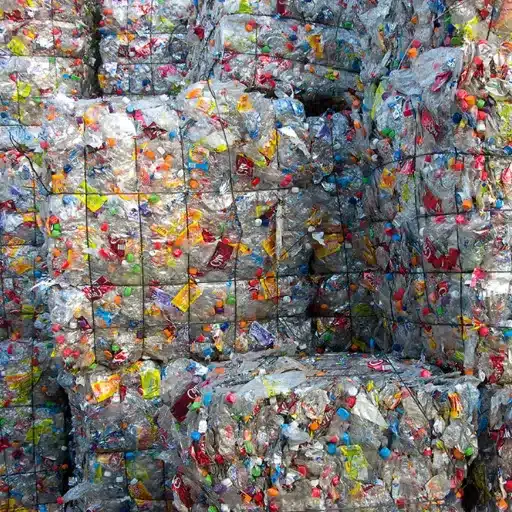
Quality Control in Recycled HDPE Production
High-density polyethylene recycling still has a long way to go in terms of overcoming obstacles in keeping the material quality stable during the production course. The differences in the composition of the feedstock, contamination from various types of plastics, and the quality of the reprocessing steps directly affect the mechanical properties of the material like tensile strength and the fluidity of the process. The critical end-use applications are strongly dependent on these aspects. Modern technology and the use of near-infrared (NIR) spectroscopy, as well as digital sorting technologies, have shown a high degree of success in making materials more homogeneous by identifying and eliminating contaminants in large numbers. Moreover, the implementation of strict quality control measures, for example, by providing tensile strength and impact resistance, will guarantee that the recycled HDPE meets the rigid performance specifications needed for consumer goods or industrial applications. Utilizing automation and applying predictive analytics are the new tools that can make the difference for better process control, hence, less waste and more reliable overall supply chain performance. These all together are the key factors that will help solve the perennial quality issues with recycled HDPE and will allow for a more transparent decision-making process with regard to the material choice.
Market Demand for Recycled Materials
The demand for recycled materials, such as recycled high-density polyethylene (HDPE), is skyrocketing across different sectors. This surge can be attributed to the ongoing rise in environmental awareness and the changes in regulations. Various governments are putting in place harsher rules like extended producer responsibility (EPR) and recycled content mandates, thereby requiring the industries to become more sustainable. One of the industrial areas with the highest expectation in the form of making the change from one-time use of plastics to alternatives which are either recyclable or recycled is the packaging sector. The other industries that are seen as the main sectors dealing with the environment have a different view to that of the negative impact of pollution and progressively they have been committed to the use of more and more recycled material in order to carry on with their green agenda. The policy is forcing plastic converters to make the switch, but the job is not always an easy one although it can be accomplished. In a similar landmark event, the automotive and construction industries are already joining the bandwagon by including recycled materials in their operations in a bid to quantify their carbon and at the same time become sustainable.
Demand is also pushed by economy-based factors. The shifting market prices and supply constraints of the raw materials that are used for the first time will make recycled commodities look even more economical. Many innovations in the sphere of recycling have made the process lots easier. The difficulty of figuring out the availability and quality of materials has been greatly reduced and the performance of the recycled materials has been made closer to that of the virgin ones. The move to a circular economy in the world is another factor that contributes to the need for the market. This is one of the reasons that support the businesses to have the closed-loop system in place, with very high-quality materials that have been recycled used for the production of goods. The above mentioned factors that are showing an increasing trend will lead to a huge jump in the commercial value of recycled materials.
Overcoming Barriers to Recycling
Dealing with the recycling barriers requires a comprehensive intervention that includes the technological factors, the policy matters, and the industrial sector, all working together. One of the big problems is the contamination of recyclable materials that can hamper the processing efficiency and cause the lower quality of materials. The advanced sorting technologies like the AI and robotics-driven sorting have shown considerable improvement in material identification and separation with great accuracy.
One of the other significant obstacles is the economic feasibility of recycling initiatives. Lower raw material prices make recycled products a less attractive option to the consumers since the costs of production to manufacturers become unreachable. Nevertheless, the introduction of the fiscal measures like support payments and rebates tied to recycled materials utilization functions as a tactic for the promotion of these practices. The manufacturer’s EPR initiatives have become the main driving factors to set the bar high in recycling activities, as the respective products’ producers are the ones responsible for their final disposal.
Another solution yes would be a consumer behavior study which could have a great impact on the overall recycling challenges. The public awareness campaigns and clearer labeling systems, when collaborated upon, will not only boost up consumer engagement but also minimize the contamination from a very first stage. Besides, through the material design revolution, for example, but not only the highly recyclable packaging, the recycling process not only made easier but also the very complexity in the process is no more. The implementation of those strategies will then constitute an all encompassing, waste minimization and thus a recycling system that is both sustainable and eco-friendly.
Future Trends in Recycled HDPE Applications
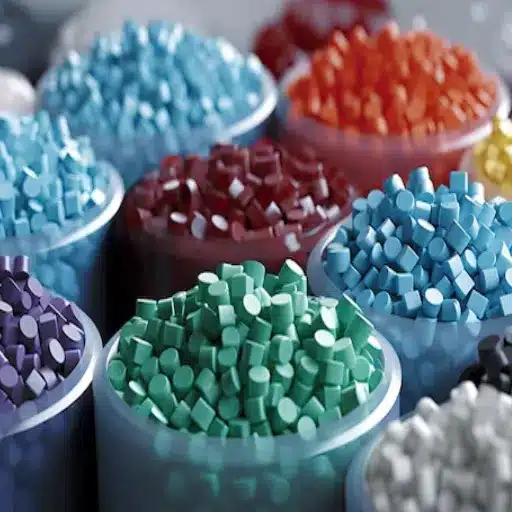
Innovative Technologies in Plastic Recycling
Technologies are shifting and changing the landscape of plastic recycling more than ever, especially in the HDPE aspect. Among the most promising innovations is chemical recycling, which is a process that uses very advanced methods like pyrolysis, gasification, and depolymerization to convert plastics into their monomers. Unlike the mechanical way of recycling, the traditional way, which sometimes makes the plastic lose quality, chemical recycling instead gives the possibility of producing near-virgin quality materials, which are also applicable to high-performance applications. Along with the HDPE’s malleability and toughness, this process has the ability to greatly expand its use of recycled solutions in markets like automotive, building, and food containers.
One more innovative key point to be mentioned here is the partnership of AI and robotics in the sorting area. The rapid progress in the field of machine learning and computer vision makes it possible for the robot system to detect and isolate HDPE plastic from the rest right to the extent of being perfectly accurate. This high level of administration results in the reduction of the previously mentioned contamination to a very high level, which, in turn, makes the feedstock for recycling much more of a premium material. On top of that, AI technologies are now going to be used in the monitoring of the flow and ID of recycled plastics through the lifecycle, and this will give the customer very incredibly a new level of transparency and it will also be the main mover of the circular economy paradigms.
Moreover, the drastic increase in the employment of enzymes to perform the recycling process is attracting more attention. This is due to their ability to be modulated to the extent of being able to reduce plastic waste to its elemental form, and in the process, the method they apply is green and emission-free. With the help of enzymes, the entire transformation chain of products is now under the shadow of an unbreakable link. This means that the same milk jugs, detergent bottles, and pipes that are considered waste today can one day be used as materials of equal or even greater performance. Together, such advanced technologies signal a reorientation in terms of addressing the issues surrounding HDPE recycling, promising a much brighter and a more eco-friendly future.
Emerging Markets for Recycled Plastics
It is obvious from the studies that the new market and use of the same constituents (in the form of plastics) have broadened the scope of the sectors and industries due to the rise of mechanical appliances and the increase of eco-ethical consumption. The sector that is most visibly growing thanks to technological and environmental revolution and is “driving” the green transition is the packing industry, which is being pushed by the environmentalists, the consumers and the legislations surrounding the use of bio-degradable things. The production of packaging materials such as food and beverage containers, cosmetic packaging, and shipping materials, is steadily but increasingly relying on the use of recycled plastics, in particular, rPET (recycled polyethylene terephthalate). The recycling rate, which is the ratio of the quantity of recycled/plastic used to the primary plastic, and the virgin plastic usage will gradually decrease when major corporations adjust and adopt policies aiming at the environment.
among the leading developing markets currently is the automotive sector as well as the chemical sector. In order to manufacture light, economic components like vehicle interiors, bumpers, and battery casings automakers are investigating the use of recycled HDPE and polypropylene. Likewise, the building sector is making use of recycled plastics in the form of roofing tiles, pipes, insulation, and composite lumber for decking. Therefore, the new technologies are not only decreasing the negative impact on the environment but they are also introducing very affordable, high-end materials possessing the same, if not better, characteristics of the virgin ones.
In addition, the movement towards reused plastics is becoming prevalent in the field of textiles and home goods being a results of the elevating of the circular economy. The major clothing brands are employing the recycled polyester (rPET) to make the eco-friendly clothing collections, while the producers of the electronics products are now putting the recycled plastics inside the casings of the devices and also making the accessories from the same material. Thanks to chemical recycling and enzymatic processes, the recycling technology is constantly improving thus the waste is turned into the materials of great value which are later used in the market of the economy otherwise unreachable. These changes point out the fact that the recycled plastics are no more a micro-markets product but a maximum resource pushing innovation in the various industries.
Changes in Policies to Adapt Eco-friendly Practices
In order to bring down the environmental impact, nations are introducing new sets of rules and schemes that take into account the whole life cycle of a product. An example is the European Union that, through its Circular Economy Action Plan, actively supports eco-friendly product design and has been asking manufacturers to place resource efficiency and recyclability as top priorities in production planning. Also, extended producer responsibility (EPR) regulations are getting more and more widespread as they oblige the producers to manage the waste and at the same time give financial incentives to those who choose environmentally friendly materials and devise creative ways of waste reduction in the production/extraction/mining/… process.
The United States’ government, for example, has drastically been taking action through policies like the Save Our Seas Act 2.0 that was recognized by both parties, and has focused on stopping marine debris and promoting recycling industry within the country. At the regional level, the adoption of California’s SB 343 law was a major step as it required the use of labels on the recyclable materials, which in turn led to the decrease of contamination in the recycling stream and the increased public awareness. These are highly impactful measures as they have pushed the corporates to change their ways through more sustainable supply chains and have been primary in bringing in the light of the day the importance of being transparent and accountable on every side.
Also, the collaboration of companies worldwide encapsulated in alliances and contracts like the Plastic Pact drives, are stressing joint action in trash and pollution fighting, using set numbers and being so in the same cooperation area while. The above-mentioned steps of collecting and recycling the plastics waste show a change of attitude on the part of both the government and big business, being the latter as the much greener of the two. Hence, we can say that such rules are creating the appropriate image for the public to be less proud of throwing away plastics and more of recycling, to finally give rise to a cleaner world.
Reference Sources
-
Utilization of High Contaminant Recycled HDPE in Concrete – MIT – Explores the use of recycled HDPE in both consumer and industrial applications, including its challenges and benefits.
-
Effects of Recycled HDPE and Nanoclay on Stress Cracking – University of Nebraska – Examines the blending of recycled HDPE pellets with pristine HDPE for enhanced material properties.
-
Additive Manufacturing with High-Density Polyethylene – South Dakota State University – Highlights the advantages of HDPE in additive manufacturing and its widespread availability.
-
Applications of Recycled Materials in Roadside Safety – University of Texas – Discusses the use of recycled materials, including HDPE, in roadside safety devices.
-
Practicality of Single-Stream Recycling of HDPE – University of Wisconsin – Investigates the feasibility of using recycled HDPE in products like milk bottles.
Frequently Asked Questions (FAQs)
What is recycled plastic resin and how does it compare to virgin resin material?
Recycled plastic resin is a kind of polymer that is not virgin and is reprocessed from HDPE via different methods, which includes making of pellets. These are great alternative to virgin plastic resin for various applications. They can be mixed with virgin hdpe down to 10% or 100% depending on quality requirements and manufacturers, mfi and regrind levels are often specified to match processing needs. Recycled virgin may show more variability in color and odor as compared to virgin resin although high-quality pellets may very well meet the strictest requirements for containers, bottles, and packaging. On the other hand, recycled resin can support sustainable manufacturing and reduce the demand for raw fossil-based materials. A lot of the producers have the black and natural hdpe colors, and there is always an option to add colorant to achieve the desired aesthetics.
How does recycled hdpe resin impact packaging and sustainable supply chains?
Recycled HDPE resin is a packaging material that is broadly used as a green solution for plastic. This is because, it is considered to be very close to being eco-friendly as the virgin plastics. So, one of the factors which might be persuading brands to switch to the recycled HDPE resins, is most likely their setting the sustainability target as the top priority. The virgin hdpe is the most affected when recycled plastic resin pellets are integrated into packaging like bottles, containers, and bags as it is their main source and it also raises the demand for recycling. Some of the aspects for the supply of recycled plastic resin chips involve uniform quality of resin, the chance of needing to compound, and the guarantee that the recycled material is prepared to meet the food-contact or regulatory standards when needed. By using green production techniques and by gorge-collecting (waste recovered from the oceans) or rPET feedstock that is obtained via post-consumer recycling, the sourcing of plastics can be made even more sustainable. Following testing point of view, a number of suppliers give certificates and perform the test to make sure the recycling of the material for extrusion or injection goes through for qualified results.
Is it possible to recycle the plastic resin pellets and use them in the injection processes as well as in the other processes of manufacturing?
Yes, if the material satisfies required measures like melt flow index and cleanliness level, recycled plastic resin pellets can be successfully used in injection applications, extrusion, and blow molding. During the injection molding phase, the processors focus on indicators like mfi, regrind content, and presence of impurities so that the cycle times are consistent and the finished part is of good quality. Upon going through proper testing and potential compounding with additives, the recycled pellets are then and there used in the production of automotive parts, electronic housings, furniture components, and bottle caps. Some of the high quality recycled grades have been designed to act like a premium drop-in option that can reduce or completely replace the virgin polymer percentage. When the pellet blend is designed to fit specific mechanical and aesthetic requirements, it is easier to reach the desired end results if done through a reliable manufacturing partner.
Which recycled hdpe resin is typically used in consumer and industrial products?
One of the applications of recycled HDPE resin is its use in a very wide range of consumer products and industrial uses, which include the making of containers, bottles, and bags and larger molded goods like furniture or electronic enclosures. Although it is also used in non-food packaging, agricultural products, and the automotive industry in places where strength and chemical resistance play a major role. But unlike in the case of the virgin hdpe market, in which recycled resin is not used, a number of the manufacturers of such materials have ventured into the production of compounds. In such a scenario, the compounds get their colors and are tailored to the limits of high-quality recycled material and can, therefore, match the required appearance and mechanical properties. The recycling of/as resin used to make bottle caps and containers is a step towards circularity that can significantly cut the carbon footprint when compared to virgin hdpe. The plastic industry sometimes resorts to the use of polypropylene pellets or other polymer blending to cater to the needs of different use cases.
How does the supply of recycled plastic resin pellets affect the price and availability?
Whether or not supply is readily available depends on the origin of recycled plastic waste, the infrastructure of the retrieval systems, and the capacity of the transformation facilities, all of which may significantly affect the price and delivery time. Recycled materials from the ocean and from the consumer market, such as bottle caps or regrind materials, could have significantly different rates of availability throughout the year and from one geographical region to another, thereby having significant impacts on the supply of high-quality recycled materials. The manufacturers might resort to the lower-grade, but still reliable, or the finest materials to produce, but these might be more expensive as compared to the virgin plastic that is used in large-scale production. If consumers want to maintain a steady supply of materials, they have to go for the companies that have long-term contracts and are environmentally safe in their sourcing of the materials. On the other hand, companies will have to invest in excellent, resilient, and quality-proven suppliers together with their transparent supply chains, ensuring them sustained material availability which is quite crucial in production industries.
Are hdpe resin pellets from recycled materials ecologically safe and a practicable alternative to the HDPE of virgin grade?
Recycled HDPE resin pellets are generally an environmentally conscious variant of virgin HDPE because they decrease the pollution emitted, decrease the usage of new raw materials, and most of the time have a lower total energy cost. When taken from the right sources—like ocean-bound or post-consumer streams—recycled pellets help stop plastic pollution and at the same time, they support a circular economy. Still, the extent of the environmental advantage depends on the effectiveness of waste collection, the degree of reprocessing that the material goes through, and possible pollution that would affect the recyclability. In different fields, high-quality recycled materials can outperform virgin ones, and they can be used as direct replacements for bottles, containers, and industrial parts. Through the use of the mentioned assessments, certifications, and life cycle assessments, the buyers can trace the truth in the sustainability claims and can opt for the best material that suits their requirements.
What kind of checks do the producers conduct to make sure the quality and performance of recycled plastic resin pellets?
To ensure that the manufacturer maintains the quality of recycled plastic resin pellets, the material has to go through several processes such as sorting, washing, extruding, and pelletizing, and the final product may also have to be tested based on its mfi, tensile strength, and odor. In addition, they could make composite blends or use stabilizers and colorants to be able to easily have the desired performance for the final form of the material, whether this is in the extrusion, injection or blow molding process. The manufacturers’ offering of traceability and certifications for rPET that comes from post-consumer sources, as well as the company’s focus on ocean-bound rPET sources, is a guarantee that the sustainability of the product is not an issue. Good quality recycled resin pellets, provided that the processing is done properly and as long as the contamination is kept to a minimum, can still be at par with virgin plastic in terms of many of the functional properties. The cooperation of converters with trusted suppliers helps in the choice of the material’s right grade such as black hdpe industry, natural color, or specialty compounds sector that would be able to give the product a uniform quality both in terms of physical appearance and performance.