Polyethylene plastic pellets are the key to various industries and the main components of a wide range of materials. Yet, the global plastic waste and sustainability problems are making it more important for the plastic pellets to be managed and recycled properly. This, in turn, gives manufacturers, recyclers, and environmentalists a common area of focus. In all this, the guide is still very much needed: to offer a well-thought process of managing and recycling polyethylene pellets; to give a peek into the best practices, state-of-the-art technologies, and the environmental and economic advantages of adopting such strategies. Even though you might be interested in refining your production processes, reducing material costs, or helping to shape a more sustainable future, this all-embracing reference material is what you need to make it possible – the knowledge to achieve all these. The polyethylene recycling and reuse sector is no different from any other in needing a highly efficient and low environmental impact strategy to be put in place, so the following text is all about this.
Understanding Polyethylene Plastic Pellets

What Are Polyethylene Plastic Pellets?
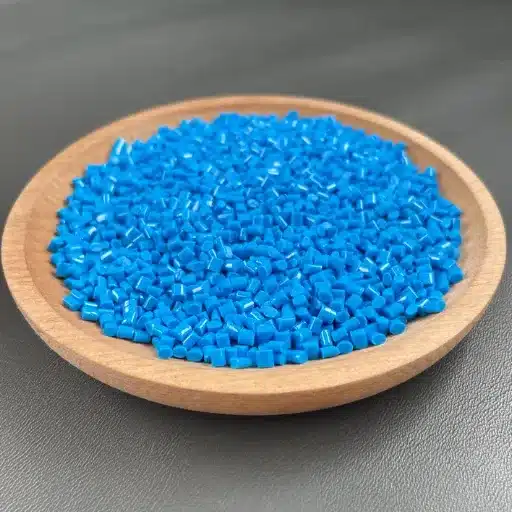
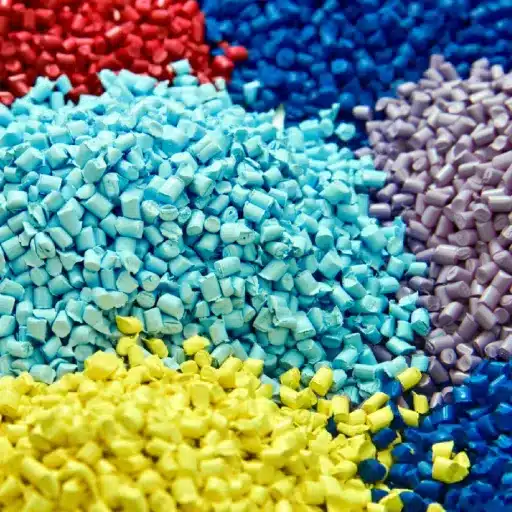
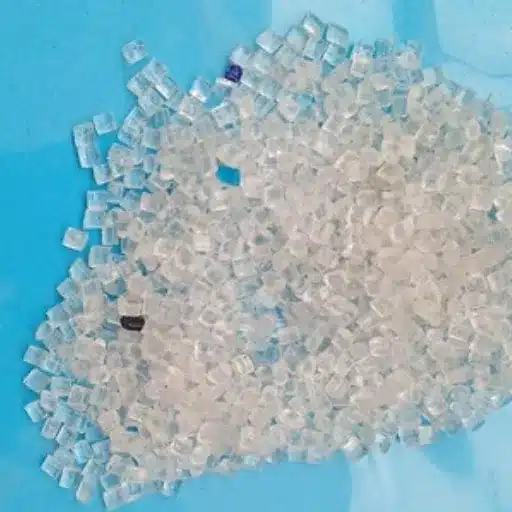
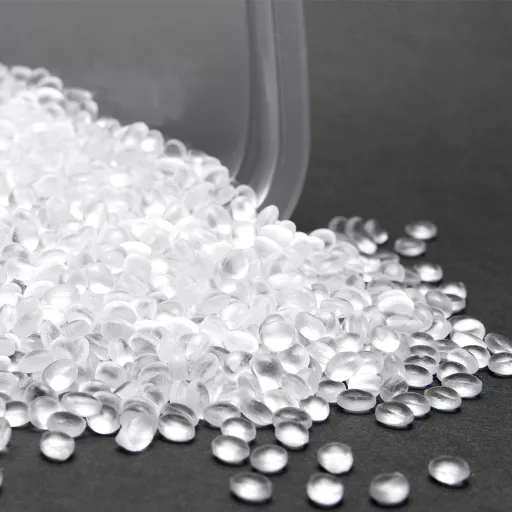
Polyethylene plastic pellets are minute, bead-like substances formed from polyethylene, which is one of the most commonly used types of thermoplastic polymers. These pellets are the essential materials at the initial stage of the manufacturing and recycling process and are the major ingredient for an array of products ,such as packaging materials, containers and household tools. The fact that they come in one single size and form is what makes them the perfect material for melting, molding, and extrusion processes that are the major ones for producing the brand new products as well as the recycled ones. depending on their density and molecular structure, polyethylene pellets are generally divided into high density polyethylene (HDPE) and low density polyethylene (LDPE), and each is used for particular areas. The synthetic technology missing has also made it possible to generate polyethylene pellets from the biomass and from recycled products the result has been by getting the circular economy wouldn’t have another case of utilizing birgin materials at all. Making industries that implement the use of bio-based and recycled polyethylene pellets to reduce their reliance on virgin materials should have a good idea of what role they play.
Types of Polyethylene: High Density versus Low Density
Polyethylene falls under two main categories of high-density polyethylene (HDPE) and low-density polyethylene (LDPE). The former and the latter have different molecular patterns and traits that are optimized for various industrial uses.
High-Density Polyethylene (HDPE): The distinguishing feature of HDPE is that it has straight polymer chains with few side branches, thus creating a dense and crystalline system. Such an arrangement grants HDPE greater endurance, stiffness, and attraction with respect to the outer forces such as chemical and environmental factors impacting the product. Generally, one can see that HDPE can be used in the form of piping for systems, and the production material for containers, industrial tanks and so on. Aside that, companies that offer such a product as HDPE argue for it because its physical durability allows the product to be used for food and drink packages that don’t leach into food. HDPE’s higher melting point also points out that the material can be used for applications requiring high temperatures. However, the ongoing development in the field of polymer science has resulted in the availability of new HDPE formulations which are even better properties such as mechanical performance and environmental resistance.
Low-Density Polyethylene (LDPE): The polymer chains of LDPE are very branched and this results in a less dense structure, yet with outstanding flexibility and transparency. The properties of this polymer make it very suitable for plastic bags, film wraps, and squeezable bottles, where flexibility and transparency are the key characteristics. LDPE shows a good resistance against water and chemicals but it lacks the hard rigidity of HDPE. Current manufacturing methods have even enabled the LDPE product to be very specific, with variations in thickness, strength, environmental friendliness for.
Though HDPE and LDPE are poles apart in terms of their structuring, they both are indispensable in industries worldwide. The polyethylene industry is being fundamentally changed as new HDPE and LDPE based on biomass are being commercialized, as well as recycled HDPE and LDPE. The emerging technologies address the main issues of the polyethylene industry, namely efficiency, functionality, and ecological responsibility, which go well with the sustainability goals through the whole supply chain.
Polyethylene Plastic Pellets Applications
The polyethylene plastic pellets are utilized across a wide spectrum of industries due to their versatility, durability, and adaptability to various processing methods. High-density polyethylene (HDPE) pellets are the type of polyethylene that is often used in the production of solid products like pipes, containers, and automotive components because of their high tensile strength and chemical resistance. On the other hand, low-density polyethylene (LDPE) pellets are extensively used for the aforementioned distribution areas, for instance, film production, as well as packaging materials, shrink wraps, and agricultural films, due to their flexibility and great sealing properties.
Polyethylene formulations continue to conquer new territories thanks to the progress made recently. In particular, the use of bio-based polyethylene pellets is providing the industry with lighter, more sustainable options for single-use packaging. Besides that, there is rising demand for the recycled polyethylene pellets from the industries that follow a circular production model, e.g. construction, textiles and consumer goods. All these are happening together and they are making it possible to produce at an even higher speed, to produce in a very eco-friendly manner and still have a high-quality product that meets all the requirements. Thus, Polyethylene will always be a . High-performance demand will always be fulfilled by molded and modified po
The Recycling Process of Polyethylene Pellets
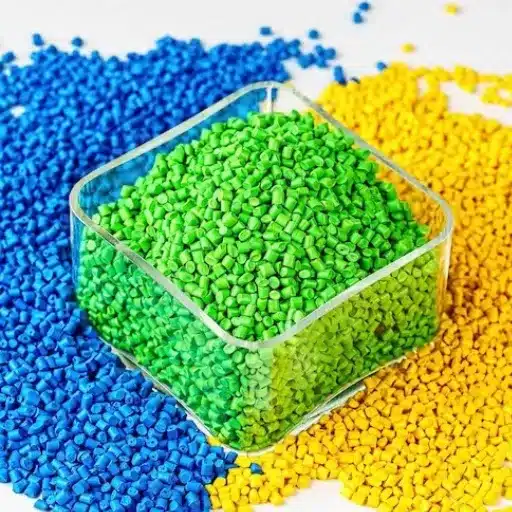
Polyethylene Plastic Recycling Steps
Recycling Steps in Collection and Segregation: Recycling of polyethylene involves a step that is the very first of all, the calculated picking-up of polyethylene that is no more needed, polyethylene is by the way separated from still useful materials with the help of very effective and high-tech sorting technology. Drones bearing infrared cameras flying across landfills are a good example of how technology changes the old-fashion sorting method.
Drone-bearing infrared cameras is a notable example of technology changing the traditional sorting method to the more modern and effective one. This group of highly unlikely events showed us what a smart and motivated team can do.
Pelletization: The polyethylene plates are cut into small pieces or flakes and then are subjected to a process in which the plastic melts, and finally, the melted plastic passes through an extrusion process in the form of circular small units of uniform diameter. These units then can be utilized as a basic material likewise transparent and haziness quality films, bags, tubes, pipes, laminated products, and the like or in other applications.
Reintegration into Manufacturing: The import of polyethylene pellets in the production procedure, too, contributes to the multiple dynamics of the pellet while at the same time benefiting from the fact that frequent incorporation of virgin polyethylene pellets better the final composite attributes. The resulting recycled materials still have a virgin quality and can be used in many sectors, leading to a notable decrease in the consumption of petrochemical-based plastics, as is the case with other recycling processes.
Quality Control and Monitoring: Having an efficient quality control system in place is one of the first steps required when it comes to recycling of polyethylene. Mechanical property tests are one of the factors, together with others like the minimization of contamination and at the same time the constant control of the composition of the pellets, that assure the quality of the recycled material to be one that is equal to or better than the virgin.
The recycling of polyethylene requires chemical recycling and improved catalysts that are the major breakthroughs in technology. This process continuously changes to meet the challenges and offer the best yield together with minimizing the environmental damage. Running such a closed-loop is crucial in attaining circularity in polyethylene production, thus assisting in the realization of global sustainability goals.
Challenges in Recycling Plastic Pellets
When it comes to recycling plastic pellets, it is not 100% straightforward. There are several technical and logistical challenges that accompany this process, which require continuous innovation and adaptation to be met. The contamination problem is one of the biggest issues with plastic waste being the main source of impurities typically such as food residuals, non recyclable materials, or even mixed polymer, thus degrading the quality of recycled pellets. The most crucial but resource-intensive technologies to implement at a large scale continue to be effective sorting, e.g. near-infrared (NIR) spectroscopy, and AI-driven systems.
Another big problem encountered is the breaking of polymer chains during recycle process because of this happening especially very much in mechanical recycling. This breakdown hinders the material’s physical characteristics, resulting in poorer quality pellets and high-performance applications being detrimentally affected by using them. Chemical recycling methods have high promise but they are also limited in their expansion of the business plans and therefore adoption on a broad scale is not possible yet.
The other big and important issue is the commercial feasibility. Even though oil prices are low, the money spent on the collection, preparation, and re-treatment of plastic is usually more than the cost of producing the new plastic. Furthermore, regulations and the lack of standardization of the recycled material specifications, sometimes, make global trading and overcoming the barriers to recycled pellets usage a real problem.
The problem that has not yet been solved is the multifaceted issue of the expectations of uniform quality of pellets by the consumers and the industries. Among color, density, and mechanical strength, getting the pellets in the same hue, density, and mechanical strength brings some hardship because the materials taken out of the recycling process, each and every time, are different due to their origins. Hence, coming up with a solution to this concern is imperative as it is the only way that the production sector is going to operate with greater recall on the recycle loop and with less sufficiency.
Advantages of Polyethylene Recycling
The recycling of Polyethylene is an attractive sector due to the wide range of environmental, economic, and industrial benefits it presents, so no doubt, it is a major target now for the recycling industry. The process of polyethylene recycling reduces the volume of plastic waste thus decreasing the load on landfills and the resultant environmental pollution in a large way. Furthermore, the operation of the recycling systems has equally helped cut down the greenhouse gases letting the amount of virgin polyethylene produced by the energy-consuming and material-intensive processes that go through}
Given the consumer and industrial demands for consistent pellet quality remain a bit issue, technological advancements in waste management are required to tackle the pollution problem that is concomitant with the use of non-biodegradable plastics, a matter that is increasingly becoming unbearable to both man and the natural environment.
Polyethylene recycling contributes ecologically and economically through cost savings thereby reducing the reliance on virgin polymers that usually have a volataile pricing. The recycling of polyethylene can be an alternate plan for the plastics industry to thin the dependency on the main raw material ‘oil’, thing that eliminates most of the risks connected to the price volatility of oil. The container the displaced recycling amounts to nearly 92%, which means the industry uses new material for only 8% of the production. This trend is supported by the increased demand for ECO-friendly products, which are paid for due to the additional cost of raw materials.
Recent advancements in sorting and reprocessing technologies have made it possible to obtain high-quality recycled polyethylene more efficiently. These technologies not only increase the recycling rates of the materials but also minimize the impact of the plastic among the community by making it last longer thus limiting the need to produce it as frequently. Besides, the sorted and clustered reprocessing of the polyethylene is another way to elevate its demand in the market. The packaging of such materials through the application of certain technologies is considered a challenging task for the present plastics industry, but the said products are already commercially available.
Reusing Polyethylene Plastic Pellets
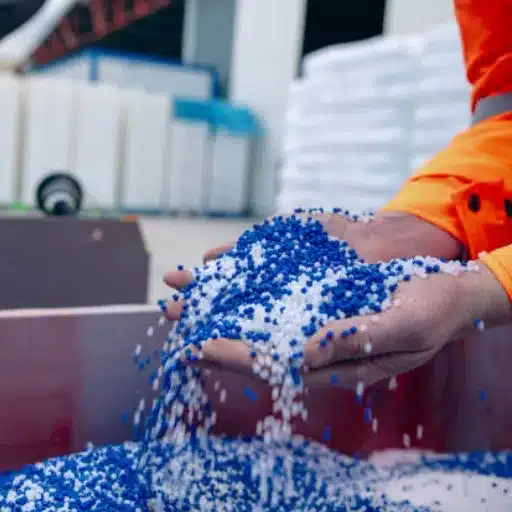
Some New Ways for Reuse of Plastic Pellets
The usage of the only PE plastic pellets after recycling had been made practical by the recent advancements in the field of polyethylene processing and has a lot of the processing problems reduced because of the cleaner, brighter, and better-pigmented reflections of the old items. Technologies such as the advance filtration of melted plastic and the automated color sorting system are the top most ones that have eased the process of re-processing post-consumer and post-industrial plastics to something any company can afford without compromising on quality which was a big issue in the past. These innovations bring about much more flexibility and accuracy in discharging of impurities, and at the same time those machine materials will have somewhat the same properties. Also, the use of the extrusion technique with multi-layers is an example of a new way to introduce recycled pellets into the end product without the need of any structure, much less the performance in standards being met or even exceeded. All such discoveries have their accompanying advantages of lessening the negative impact on the earth and at the same time facilitating a circular economy mainly in polymer production.
Making Weighted Blankets Utilizing Polyethylene Pellets
Poly Pellets are considered to be the top choice when designing weighted blankets because of their even weight distribution, strength, and non-hazardousness. Normally, these are designed with high precision in order to maintain the same weight and density, which are very important for the overall weight of the blanket. Also, polyethylene is a very stable polymer that has a natural resistance to moisture absorption and chemical degradation over time, thus making it perfect for the continuous use in textiles. With its hypoallergenic feature, people can confidently use it without worrying about allergies. Manufacturers can still produce a high-quality product with the use of Polyethylene pellets and at the same time meet the ever-increasing demands for functionality and coziness. Thus, these pellets are in line with the sustainability practice when they come from the recycled sources thus adding to the green factor of the weighed blankets.
Poly Pellets in Rock Tumbling Media
Polyethylene pellets or poly pellets are the most common and ideal material used in the rock-tumbling media because of their adaptability and durability. The pellets have multiple significant roles throughout the rock-tumbling process by being the stones’ beds during the tumbling cycles, by removing or diminishing the possibility of roughness and breakage, and by guarantying a nondirectional polish over the stone’s entire surface. The small size and shape of the pellets are particularly beneficial as they create enough distance between the stones so that the abrasive compounds can get the job done to full potential without getting packed.
One more advantage of poly pellets in rock tumbling media is their reusability. After each tumbling cycle, pellets can be cleaned and reused, which results in cost efficiency through the a reduction of material waste. Poly pellets are even chemically inert so they can’t mix with the abrasive compounds or trigger any unintended reactions throughout the tumbling process. This characteristic is a good quality and safe choice for both hobbyists and professionals. Over and beyond that, the improvement in producing and recycling poly pellets has ensured that eco-friendly ones are available for purchasing, thus promoting the use of eco-friendly tumbling practices.
Environmental Impact of Polyethylene Plastic
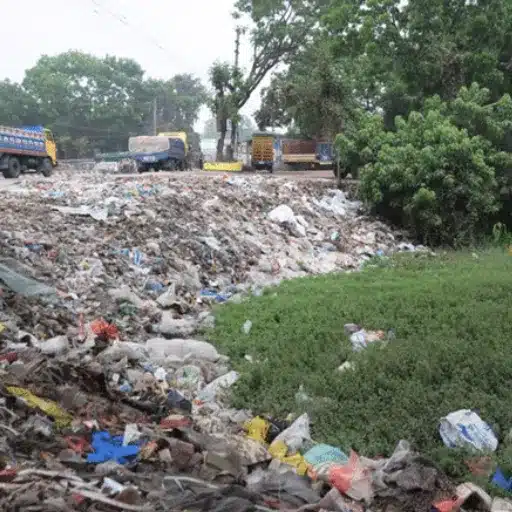
Plastic Pollution and Its Effects
Plastic pollution is indeed a big environmental and health hazard that is faced by all the ecosystems worldwide. The overproduction and the bad disposing of polyethylene, one of the most broadly used plastics, have caused the contamination of both water and land. For the oceans, reports show that every year over 8 million metric tons of plastic waste find their way in, breaking down into microplastics. It is these minutest of particles that sometimes are eaten by marine life and at the end of the food chain, even reach human beings. Adding to this, plastic waste that is not efficiently disposed of is believed to be a source of greenhouse gas emissions during its degradation, therefore, making climate change worse.
Although the durability of polyethylene is a positive factor for its use, it can be very harmful environmentally if it remains for many years-period of time. The problem is further aggravated by the garbage and streets full of litter which act as a signal for weak waste disposal systems mainly in areas with insufficiently developed infrastructure. Ways such as highly innovative recycling plant models, eco-friendly replacements for plastics, and public persuasion programs have begun to be adopted to lessen the impacts, but the most challenging obstacle is to see to it that these various methods are adopted and scaled up. It is claimed that there should be a taking-back-system that would include a new approach to treatment, law, and shifting from a consumer-based to a society that is a creative and positive force for addressing plastic pollution and also a new concept of a city such as a green city.
Submission of an article in response to a Call for Papers
Recycling is one of the most effective ways of waste reduction and natural resource conservation. The recycling process has been made more efficient through the most advanced technologies and the recycling scope has been increased. A good model of this is the use of chemical recycling. Chemical recycling is an outright solution to the materials that conventional mechanical recycling deem unworthy, as it is through this process that the complex plastic constituents are broken down into the basic stuff and the latter is then used in similar products. Besides, the recycling sites are now applying artificial intelligence in the management of their materials sorting system; thus, we can expect not only more control over the operation but also a lower contamination rate among the recyclables that are collected.
Adopting a model of the circular economy encourages the design of products with recyclability as a major factor, which in turn minimizes waste generation right where materials are extracted. In addition, thorough public awareness efforts and rewards are provided for recycling schemes, particularly highlighting the importance of the consumer’s role in the process. In the end, summits of the people from different industries who are cooperating with each other are driving the production of materials that are based on biological derivatives and which are eco-friendly as well, and that are also compatible with the available recycling facilities, thus ensuring the sustainable waste reduction in the long run.
Future of Polyethylene: Biodegradable Alternatives
The shift to sustainable materials science is highlighted by the emergence of biodegradable alternatives to polyethylene. The technology of biopolymers is being developed fiercely, and the existing brands are polylactic acid (PLA) and polyhydroxyalkanoates (PHA). They are a source of renewable, compostable products when compared to conventional polyethylene. The process of these biodegradable materials’ decomposition takes place under specific conditions and the technology relies on the agricultural feedstock sources such as corn starch, sugarcane, or even algae, Carbon dioxide, water, and biomass, the natural byproducts that are the result of the materials decomposing, have a majorly reduced environmental footprint.
Prominently the live cycle analysis of biodegradable polyethene displays a great future for green house gas emissions reduction as compared to the regular production. The industries’ fast-paced adoption of bioethanol is partly due to a favorable market price for biobased materials.
Best Practices for Handling Polyethylene Plastic Pellets

Safety advice working with resin pellets
It is my top priority making my working space safe and free from any kind od harm by simply following the proper safety rules when I work with resin pellets. One of the things that I always do, is wearing the right Personal protective equipment (PPE) in the form of my eye protection, gloves, and a mask, if needed to be worn, depending on the work. This is very effective against the discomfort of the skin and eyes skin that can be very irritating if they are continuously in contact with the pellets and also it protects very much the respiratory from the fine plastic dust inhaling that can be released during working or transferring processes, in such, we can controlate to some extent the pollution that we produce.
One more important matter that I want to tackle is the necessity of effectively managing the risk of spillage and the removal of such risks. When it comes to resin pellets, spilling them could lead to hazards, especially in work areas where the water would be mixed with the pellets, and hence, could contaminate waterways. I always follow the spill control guidelines that are set for the site. They might include the use of trays or barriers, and cleaning that will totally prevent the spread of the spill. I ensure the adoption of these measures and, thus, secure the workplace and make the business less pollution-prone at the same time.
Storage and Transportation of Plastic Pellets
In order to maintain the safety regarding the environmental concerns throughout the handling of plastic pellets, it becomes necessary to apply and adhere to the most convenient practices that are recommended by the industry in the use of storage and transport. Keeping items in the right place includes the use of secure and weather-resistant containers or silos for the protection of the pellets from being exposed to moisture, sunlight, or any accidental release. Those containers are not only contamination-friendly but also checked in terms of integrity. Alongside, the plastic pallets are kept indoors whenever it is feasible to further the protection from the outdoor environmental influences and reduce the chances of pellets getting lost.
While moving the products from one place to another, I make use of the packaging that is completely sealed and bulk containers that are designed for pellet shipping in particular like Gaylord boxes or FIBCs (Flexible Intermediate Bulk Containers). These materials prevent spills and at the same time still allow to handle them in a controlled manner during the processes of loading and unloading. Also, I follow statutory requirements like Operation Clean Sweep® protocols to the letter, which involves practices such as watching out for leaks in equipment, keeping good seals in the course of material transfers, and teaching the workforce the right pellet-containment practices.
I work towards the strategies for good storage as well as strong transportation and this is my major step toward eliminating the hazards of pellet spillage and environmental contamination. This is in accordance with the objectives of protecting the environment and complying with the laws, thus, to those who are involved in the procedures of handling plastic materials, the process will continue to be safe, economical, and environmentally friendly in all stages.
Quality Control in Plastic Pellet Production
Quality control in plastic pellet production is a complex process where a lot of factors need to be closely observed and monitored, and among them is the use of high-tech monitoring tools. One way I start is by choosing the best raw materials since their quality and consistency can make a big difference in the physical and chemical properties of the finished pellets. I use spectroscopic analysis and various other lab techniques to confirm and find impurities consequent to the raw materials before manufacturing even starts. Doing this in advance lessens the range of variation and guarantees the identicalness of the end product.
During the manufacturing process, I use in-line monitoring techniques like NIR (near-infrared spectroscopy) and extrusion control to analyze critical properties like melt flow index, density, and moisture content in real time. Melt flow index, density, and moisture content, in real time. Control systems offer the possibility of immediate adaptation of the processing conditions needed for the pellets to keep their mechanical characteristics as per the specifications of the industry’s most stringent and still meet its standards. Moreover, after the production of the pellets, carrying out mechanical stress testing, thermal analysis, and contamination screening, as a very essential step, to prove the pellets’ performance and reliability under various conditions.
I can improve the throughput and pinpoint discrepancies more quickly with automation and analytics and this can be done in a series of quality control measures. The adoption of this method benefits not only quality but also rather waste and operational expenses shrink. Relentless testing and verification procedures are the guarantee that the pellets I make are always meeting the highest standards and the necessary environmental and safety regulations.
Reference Sources
The Future of Recycling Could One Day Mean Dissolving Plastic with Electricity – University of Colorado – Explores innovative recycling methods for breaking down plastics into reusable materials.
Life Cycle Assessment of Recycling High-Density Plastics – Virginia Tech – Highlights the efficiency of recycling plants in managing plastic waste and producing reusable materials.
New Recycling Technology and Biodegradable Polymer Development – USC – Discusses advanced recycling techniques that simplify the process by leveraging chemical properties.
Plastics Recycling Fact Sheet – University of Michigan – Details the process of grinding plastics into pellets for reuse in various applications.
Recycling of Plastics in the United States – PubMed Central – Examines mechanical recycling processes for converting post-consumer plastics into polymer pellets.
Frequently Asked Questions (FAQs)
What are polyethylene plastic pellets and how do they compare to polypropylene and high density polyethylene?
Polyethylene plastic pellets, as the name suggests, are tiny beads with a consistent size, being used as unprocessed plastic material that is to be made into various products and are available in high density polyethylene and low density. At the same time, polypropylene has a better tolerance to heat and a greater bending stiffness; the latter, on the other hand, has the strongest and chemically resistant characteristic which is why it is primarily used for tubes and tanks. A lot of manufacturers tend to name them like plastic poly pellets or poly beads while also making a statement of environmental-friendliness and the fact that they are made in the USA. Moreover, poly pellets may be mixed with filler particles or inferior filler beads to modify the density and the mechanical properties for the specific application in the plastics industry such as injection molding. The crucial thing to bear in mind is the purpose of the usage e.g., polishing rocks or making weighted fabric products because the plastic pellets have a big difference in terms of density and they are not to be used as toys for kids.
Can polyethylene pellets be used for injection molding, and are they designed for injection molding?
Yes, it is possible to use polyethylene pellets for injection molding; they are commonly formulated for this purpose and can carry additional additives to help in flow and finish. In general, manufacturers usually supply grades that are compatible with standard injection machines and can be further modified with fillers or glass beads to achieve the desired weight or rigidity for weighted blankets. Specialized pellets like meltable polymorph pellets or white reuse thermoplastic beads provide re-molding capability for prototyping and crafts. To have the same result every time, make sure that the pellets correspond to your process’s melt flow index and thermal stability needs. Using the right pellets not only ensures no defects but also that the cycle is no longer the bottleneck by being fast while still allowing the integration of a media plastic filler to protect components in case they are fragile.
Can poly pellets be made as a part of the filler beads or pellets for weighted blankets and bean bag stuffing?
Poly pellets are a standard choice for weighted blankets’ pellets and also used with a cheaper price than glass beads for glass-weighted stuffing beads, like beans, or pellets. They provide a nicer, non-toxic option that could be simply washed away in comparison with glass beads. Weights are generally given for the common types of poly pellets or other material beads while the glass ones are not. Some people like to use polyfill pellets or poly beads being that they are soft, ear-friendly and help to distribute the weight evenly, although many retail versions of 1 lb poly pellets weighted stuffing or 2 lbs the plastic pellets have been popular. Buyers in bulk are in the pursuit of plastic pellets’ bulk for weighted blankets; on the other hand, some go for fairfield poly-fil poly-pellets as a brand reference. Leakage should be taken into account very seriously and sturdy sealing should be chosen for the pellets when one is filling dolls or bean bags to prevent the migration of pellets.
Can plastic pellets be a part of the rock tumbling media?
Yes, plastic pellets rock tumbling media and pellets rock tumbling media are two sides of the same coin, which is a choice rather than traditional ceramic media. That’s because apart from being lighter, you end up with a reusable medium that won’t do any serious damage to the tolls and the Rocks. Tumbling media plastic fills the gap of being a protective shield for the weak rocks and gentle stones by the across-the-board-affect of making the edges blunt and absorbing the impact in the end, which in this way protects the whole area during polishing. Plastic pellets that rock tumbling rock were the pack sizes in many hobbyists to buy, specifically: 1 lb plastic pellets rock tumbler and 2 lb plastic pellets rock tumbler; definitely these can be cleaned and reused from batch to batch. Even though the feature of plastic media taking a longer time to do the job than some abrasives is true, it remains a perfect fit for the final stages of a polishing process or for the pieces of the gemstone or the rock to be tumbled. Think over the possibility of using other polishing compounds with the plastic media for different mineral types so that you can arrive at the finish you want.
What are the safety and environmental considerations when using polyethylene pellets and are there environmentally friendly options?
Some situations in which safety may be affected are the swallowing of the pellets and the production of dust, with workers and end-users as the main groups at risk, while products labeled as made in the usa are inclined to have higher safety standards and better quality. There are alternatives like recycled polyethylene pellets and biodegradable ones that may be good for the environment, however, you still have to make sure that the manufacturer’s claims are valid and also check the instructions for the end-of-life. If dealing with children or pets, the use of a certified non-toxic grade is recommended, while the pellets should be kept in a really strong container to prevent leakage, beans, or poly pellets weighted stuffing bead products. Industrial applications can make malleable polymorph pellets and white, reusable thermoplastic beads that are suitable for reworking activities, and can reduce waste at the same time. Moreover, proper storage, the prevention of spills, and recycling programs are some of the methods that can help in the reduction of the environmental impact and the pelleting of the pellets away from the water bodies.
How do I choose between plastic pellets, glass beads, and other filler materials for a project?
Select materials in accordance with the desired density, cost, tactile properties, and durability—for instance, glass beads for weighted blankets deliver a higher density per volume, whereas the usage of plastic pellets for stuffing results in to softness and lighter weight at the same time. If your items are fragile and needs protection, then media plastic filler protect fragile and plastic filler protect fragile stones act as a cushioning media in tumbling and packing. On the other hand, for such projects as mentioned before for example stuffing weighted blankets or filling dolls, polyfill pellets or fairfield poly-fil poly-pellets may be a good option for loft and comfort, or lb poly pellets weighted stuffing in case you need a heavier fill. So, it is common that suppliers sell pellets bulk for weighted blankets or in 2 lbs plastic pellets rock quantities, hence you have to buy the needed volumes and also check for the certifications they have. Moreover, put into the picture manufacturing particulars: for example, injection molding and designed for injection molding grades are tailored for processing, while meltable polymorph pellets and pellets polymorph may be of benefit for prototyping and craft uses.
Where is the usual place to buy bulk polyethylene pellets and are there any specialty types like ones that can melt or that are reusable?
Plastic pellets in bulk for weighted blankets can be procured from industrial resin distributors, hobby suppliers, or other suppliers who are distributors of FairField Poly-Fil Poly-Pellets. Specialty offerings in this category are meltable polymorph pellets, pellets polymorph, and white reusable thermoplastic beads, all of which are suitable for prototyping, crafts, and reusable molding work. If you are searching for rock tumbling supplies, consider first pellets rock tumbling media plastic or even specific rock tumbler media suppliers who also stock tumbling media plastic filler protect options. The majority of suppliers mention the country of origin of their goods and display various pack sizes like lbs plastic pellets rock tumbling or lb poly pellets weighted stuffing thus aiding the choice of buyers. Always ask for a technical data sheet in the case of Injection Molding grades or Specialty Beads to confirm they are compatible with your equipment and project specifications.