Every manufacturing company and engineering department in various sectors are always in need of the materials that would be durable and strong and outstanding in terms of precision all at the same time, and Delrin plastic just might be one of those “just right” materials. Delrin that is widely known for possession of an array of excellent physical and chemical properties, as well as, used conveniently wherever the best of its kind is needed, offers to solve the industrial problems in different ways. This particular article breaks down the main categories of Delrin, each in a very detailed manner, thus making it possible for the readers to be equipped with the most important insights in the area that they need, unknown to many, the role that Delrin plays in the modern manufacturing. If you are in the product development, manufacturing, or material selection group, this one is a must-read for you as it will tell you the reasons why in most cases Delrin is the material selected for applications that need the mix of high performance and reliability.
Introduction to Delrin and Its Significance
What is Delrin Plastic?
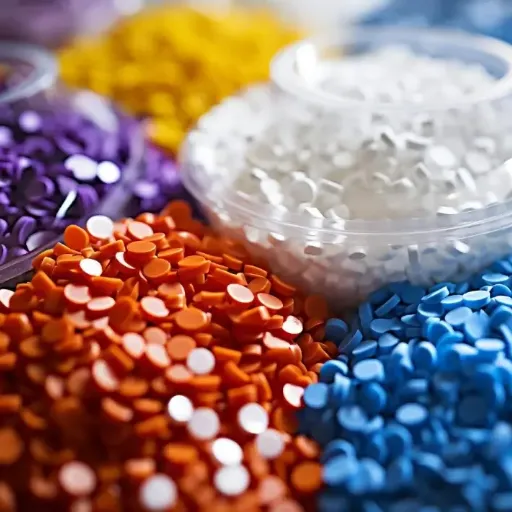
Delrin, also known as polyoxymethylene (POM) or acetal homopolymer, is a high-performance engineering thermoplastic mainly due to its superior mechanical properties and dimensional stability. Delrin, manufactured by DuPont, is distinguished by its exceptional tensile, Young’s Modulus, and impact strengths, thereby making it an ideal material for the fabrication of precision parts and components. Delrin’s wear resistance is so amazing that the material is considered self-lubricating. Moreover, the polymer is also notable for its fatigue and impact resistance. It is also quite resistant to fuels, solvents, and other harsh environments. Despite the relatively high machining cost, the material acquisition cost in general is lower than that of similar polymers. The bulk of the machining cost can be typically attributed to the carbide tools used. The other extreme of mechanical applications focuses on low friction & wear behavior of materials which in turn reduces maintenance and replacement costs. The outstanding performance of Delrin under a wide range of temperatures remains to be one of the strongest points of the material.
Polyoxymethylene (POM) Overview
Polyoxymethylene (POM) that is also known as acetal or polyacetal is a superior mechanically and dimensionally stable material due to it being highly crystalline among engineering thermoplastics. The material can be a homopolymeror a copolymer derived from the polymerization of formaldehyde or similar compounds, and after its formation, it is made of a strong polymer backbone with both high tensile strength and rigidity. It is among the best materials for its low friction coefficient, very good wear resistance, and almost no water absorption which makes it very useful for precision applications that require very close tolerances and long-term stability.
Because of its exceptional thermal and chemical durability, POM delivers performance in a very effective manner in the range of temperatures that is as wide as it is from -40°F to 212°F (-40°C to 100°C). This thermal property is the one that makes it appropriate for applications involving rather often thermal cycling or variable conditions. Furthermore, it has a high mechanical strength and good electrical insulation besides the fact that POM has good impact strength and is lubricatable. That is why POM is extensively used in automotive, domestic, and commercial applications.
One of the primary reasons for the increase in the popularity of POM or Acetal with its grades being further improved is the development made in the area of material formulation, for example new types of POM such as the glass-filled and lubricated ones which promise better performance in terms of rigidity and wear resistance. A very important step done by the innovators is their coming up with ways which allow the use of POM in high load, abrasive and moving parts like gears, bearings as well as conveyor systems. The popularity of POM in the industrial field still remains high mainly due to the fact that it is a significant part of almost all engineering applications through offering a material, which is both effective and cost-efficient.
The Role of Acetal in the Field of Industry
Acetal, named formally Polyoxymethylene (POM), is very much necessary in the various industrial activities due to its high-performance qualities. Its unusually good dimensional stability guarantees that the component will work according to expectations, which is very common in precise tolerances like precision gears, valves, and fasteners. The low coefficient of friction and the excellent wear resistance of the material is very advantageous in the areas where the moving parts are placed under constant stress thus necessity for maintenance is reduced and the life of the components is extended. Furthermore, acetal resins are very well known in the automotive sector as one of the primary choices for making fuel tanks and other parts. The strength as well as the versatility of these resins make them an ideal option for various industrial applications whereby harsh weather conditions and aggressive media are to be faced by the material. In addition to this, the weight-saving due to replacement of metal with plastic and the benefit of capabilities like self-lubrication is another factor that makes the material more preferred and common than other materials. Therefore, it is a regular routine for acetal to be the prime choice for users who look for optimum cost-effectiveness and environmental compliance without compromising on system efficiency performance.
Material Properties of Delrin
Key Properties of Delrin Plastic
High-Strength and Stiffness: Delrin is the material with excellent mechanical strength and rigidity features that make it a top choice for components that should not break or deform under stress and load. The material’s tensile strength is 62 to 80 MPa, thus it can be used under adverse conditions.
Low Friction and Wear Resistance: Delrin is known for its low friction coefficient and high wear resistance, even when no lubrication is present. Many users consider these traits as perfect for their applications since in the case of moving parts, there is a need to reduce losses and prolong the working life of the part.
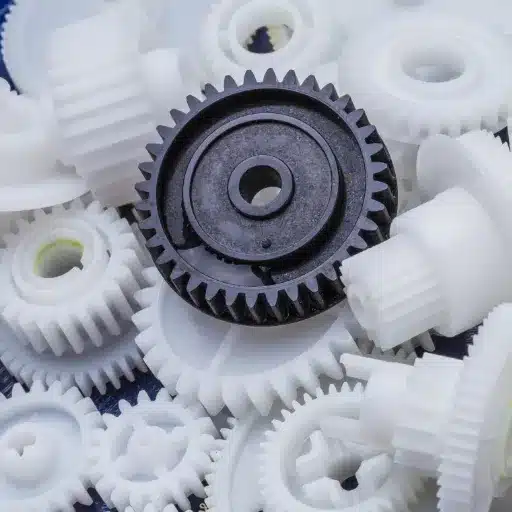
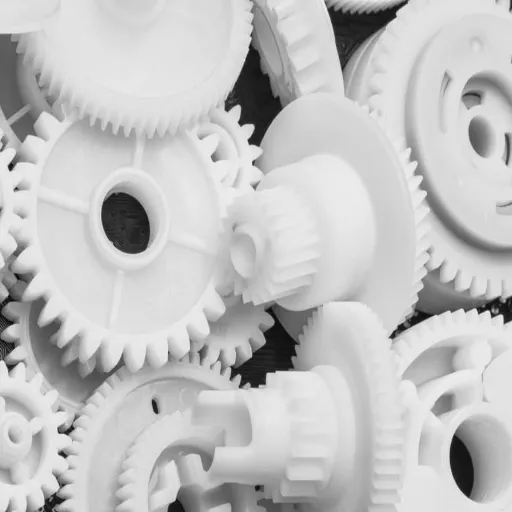
Figure 1.1. 2 – Dimensional Stability: Delrin is known for its one outstanding property, which is its ability to be free from dimension changes, such as those due to temperature, heat or other scenarios. Thus, it is a guarantee for very high precision in engineering applications, as shown in the figure above.
Chemical Resistance:Delrin is a very good example of a material that can resist a lot of different chemicals, which include hydrocarbons, solvents, and alkalis, hence being suitable for the environments that are exposed to industrial chemicals or fuels. Still, it cannot be used with strong acids or some oxidizers.
Broad Thermal Range:Delrin is versatile material that is also quite temperature tolerant, i.e. it works great when used with -40 to 120 degrees Celsius as the continuous use temperature. Another feature that affirms its thermal range lies in its high melting point, which is about 175°C.
Water Resistance: Contrary to the fact that some polymers are unable to stand the presence of water, Delrin does not absorb it and thus can maintain both its mechanical properties and dimensions while being situated in a humid or wet environment.
Impact Resistance:Delrin is one of the few materials which possess the quality of impact resistance and can thereby cater to an intense mechanical shock without being cracked or broken. This feature is especially beneficial in heavy-duty industrial applications.
Through the unification of these features, Delrin has certainly become an indispensable raw material for many industries including automotive, electronics, medical, and consumer goods where uncompromising performance is a must.
Comparison of Acetal Homopolymer and Copolymer
The two forms of polyoxymethylene, acetal homopolymer, and copolymer, have complementary advantages based on the reuse of the application. Different industries are welcomed to the world of the two materials with different compositions and performances and they are able to pick with easy the most appropriate one for the particular applications.
Chemical Composition:Acetal homopolymer, such as Delrin, is made up of a single repeating monomer, thus enabling a higher level of crystallinity. This results in the material exhibiting higher strength, stiffness, and creep resistance. In contrast, acetal copolymer contains a combination of monomers that results in thermal stability and chemical resistance being improved, especially in situations where moisture or acidic substances are present in the environment.
Mechanical Properties: For the benefit of its superior tensile strength and hardness as the top-notch properties, homopolymer is in a good position to become the best choice for load-bearing components or applications demanding very high dimensional stability. Nonetheless, copolymer is way ahead in the terms of being processed and thus it proves to be better in cases of fatigue resistance over the lift time being longer, thus giving a better performance where the requirement is consistent durability under cyclic loads.
Moisture Resistance: Despite the fact, the two are naturally moisture absorbing resistant, acetal copolymer one can say that it is the best one in the case of moisture resistance due to its extra resistance to hydrolysis in the humid wet environment. So when we look at the comparison, it is more ready to take up the challenge of the opening up of the possibility of the usage in the underwater or outdoor conditions or the extreme environment of being very slowly degraded against the homopolymer, could be if at all over a certain time lapse, not to mention the main difference through these two materials, which is the moisture absorbing property.
Thermal Stability: One notable property of an alternate copolymer is that this polymer has a very stable relation with temperature, whereas the homopolymer may be at times tougher and stronger but is not more resistant to high heat, so it is another reason that its use might not be recommended for high temperature applications demanding undisturbed operating conditions for a considerable period of time.
Cost and Availability: Usually, acetal copolymer is considered to be the more cost-effective polymer since it is produced in a larger quantity and through a simpler process. Homopolymers, while having their own mechanical superiority, for the most part, are the expensive types used when the mechanical properties are of the utmost importance.
Examining these differences in an in-depth way will help the manufacturing and engineering sectors effectively choose between the properties of increased strength and ductility seen in homopolymers and the excellent thermal and chemical resistance of copolymers.
Mechanical Properties of Delrin Acetal
Commonly known as Polyoxymethylene (POM), Delrin Acetal is characterized by an extraordinary array of mechanical features that place it in a very broad zone of applicability in both industrial and engineering fields. It is also cited for its remarkable tensile strength, high stiffness, and the challenge to break – properties that are maintained even in the coldest of places. Particularly low friction and very high wear resistance of Delrin further secure its operation in gears, bearings, and the carrying equipment where the latter demonstrates a very frequent movement and thus, the wear is the highest among co-operating elements.
The high dimensional stability of Delrin Acetal is its one of the most significant properties. It ensures the consistent performance and almost no deformation under the action of mechanical forces or thermal fluctuations. This is complemented by its fatigue resistance that allows for long-time functioning in the cyclically loaded applications to the point where the structure degrades. Of all the properties, Delrin also presents great creep resistance when the loads are sustained; this means that the material is very reliable in locations where very precise tolerances are crucial.
These mechanical and other properties, and also the fact that it does not absorb moisture and is not easily attacked by chemicals, make Delrin Acetal the best choice among the materials for parts that demand high endurance and the same performance under the most difficult conditions.
Common Applications of Delrin Plastic
Delrin in Automotive Sectors
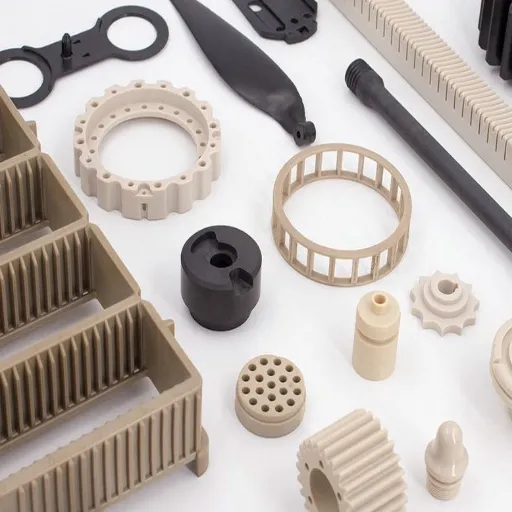
Strong mechanical and stable dimensional properties have made Delrin Acetal highly popular in car industry. Delrin-made parts are normally equipped with hard-wearing characteristics, a low sliding process, and a strong structure, thus, the material being suitable for the toughest vehicle application. Parts like gears, bushings, fuel system parts, and door mechanisms are among the most commonly used where precision and durability are the key factors.
Moreover, the fact that Delrin is naturally and chemically resistant ensures consistent operation under a wide variety of ambient conditions and temperatures, and this is a vital factor for car parts that are exposed to the constant fluctuation of thermal cycles and likely to fluid contact. Furthermore, the low weight of the material contributes to the efficiency of the vehicle as a whole since the reduction of the component mass is one of the ways to get better fuel economy and less emissions – both of which are core requirements that have to be met under modern regulations. These advanced properties in a mix make Delrin a major player as a material source of the future high-performing automobile design.
The Use of Delrin in plastics for engineering purposes
Delrin, a type of plastic made from polyoxymethylene (POM) resin, is considered one of the most used engineering thermoplastics today because of its extremely good combination of property characteristics, withstanding mechanical stress, chemical attacks and at the same time maintaining a fixed shape. It has minimum sliding friction plus terrific durability thus being a primary material for the production of many industrial machinery parts like gears, bearings, and conveyor components. Delrin’s capacity to take a great level of load and at the same time not to fail is a resultant feature of its very high-strength value and fatigue resistance; among others, this is a critical need for automation systems like the robotics.
Further, Delrin is the best-cast material when it comes to staying in contact in severe chemical situations, that it is a must-have in the chemical processing equipment. The very low ability of Delrin to allow moisture absorption permits it to run at the same performance level even during high relative humidity, which is a vital factor in the arrangement of long life of the parts. Today, Delrin thanks to continuous evolution of polymer technology is being made even better by merging other things like additives that are used for the production of polymers with improved UV resistance, thermal properties, and electrical insulation. This thereby widens the range of applications of Delrin to include the electronics, aerospace, and medical device sectors, among others. The plastic’s versatility is the basis for Delrin being regarded as the most essential material in the new engineering plastic trend-jump to it!
Delrin in Manufacturing Plastic Parts
Just Delrin is the material that, due to its superior dimensional stability and low friction features, is considered as a perfect material for the production of complex plastic components. The material’s excellent machineability and all the other good characteristics make it very easy to attain exact engineering and proper manufacturing thus enabling the producers to meet very tight tolerances as well as make very complex geometries. Another critical attribute of Delrin is the fact that it has a very high degree of mechanical strength and stiffness, which is a must-have feature in those applications where the result needs to be durable and reliable under a given load.
One more of the other points that need to be considered is that Delrin being a good master to the chemicals such as fuels, solvents, and hydrocarbons is; therefore, it is found suitable for the environments where there is a possibility of contact of the substance to the harsh one. This resistance, along with the low moisture absorption rate, reduces the impact that the operational difficulties might have on the mechanical properties of the components. Moreover, the high fatigue resistance Delrin possesses, allows for it to be able to withstand the repeated mechanical stress, which is a great advantage especially in the context of gears, bearings, and fastening systems.
Delrin, when considering high-volume production, is also compatible with the injection molding processes, thus ensuring that the manufacturing is both cost-effective and of consistent quality. The fact that it can be molded into parts that are complex without any extensive post-machining required is the feature that the efficiency of the material in an industrial production setting is most strongly emphasized. Delrin is therefore highly beneficial to the various sectors, such as automotive, consumer goods, and industrial systems among others, by using these properties in a clever way.
Understanding the Differences Between Acetal and Delrin
Chemical Composition and Structure
In chemistry, the substances that form are the chemical compositions. A class of chemical substances that are characterized by their physical and chemical properties, constitution and structure are called polymers. Polymers are large molecules formed by joining small simple molecules that excluding water molecules are called monomers. Monomers are the building blocks of polymers. Recurrent structure and structure of polymer itself highly influence the physical properties of polymers. Such as; larger or more prominent crystals or complex mechanical properties, which are analogous to the crystalline and amorphous states. A good analogy is to compare polymer macromolecules to a rope. Ropes are made up of tiny fibers, more like the situation with polymers, literally from thousands of individual molecules. As a “rope” is stronger than the individual fibers that make it up, the strength of a polymeric material is often greater than the sum of the strengths of the individual molecules that comprise it.
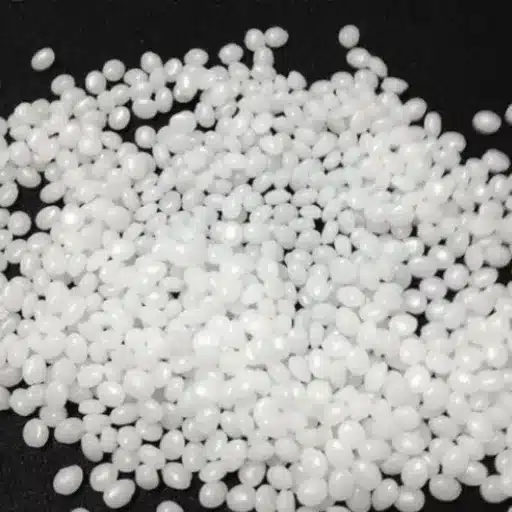
Delrin, a well-known DuPont trademark, is an acetal homopolymer with an exceptionally regular molecular structure. This particular uniformity is, Chemical_tests_about the raw polymermaterial_and its_presentation_handle_yielding_Delrin_with the same regularity_as_to_the Carbon_atoms_in_diamond.its enabling feature_ of Delrin in regard to its mechanical behavior. It comes in the form of higher tensile strength and stiffer materials in comparison to acetal copolymer. Delrin is also very good at fatigue, the material for all the other things that makes the labors easier: it has pores barely open and space for only one carbon atom thick. On the other hand, copolymer acetals, although less tough, most of the time present better thermal stability and chemical resistance because copolymerization with the less reactive monomers keeps the degradation low at high temperatures and in the presence of strong alkalis. So, material selection for specific industrial applications must be based on understanding such structural nuances.
Performance Characteristics
Acetal polymers are known to have a good mix of mechanical strength, dimensional stability, and low friction, which makes them a good material for high precision and durability-demanding applications. A normal tensile strength value for acetal homopolymers is between 60-70 MPa with the hardness level somewhere around Rockwell M80, that gives very little to no deformation resistance under load. Moreover, not only do they have a small coefficient of friction (approximately 0.2–0.3 against steel) but they also greatly minimize the wear, which is one of the main features in applications with moving parts such as gears or bearings.
Another key characteristic of acetal polymers is their thermal performance as they possess stability over a wide temperature band. The homopolymer grades have a heat deflection temperature which is higher and can reach, in some cases, 120°C. The copolymers, in contrast, offer rather similar heat deflection in the global shift, but at the same time, they have increased resistance to high temperatures owing to the fewer thermal oxidation effects. Acetals also show excellent chemical resistance and are able to endure the attack of hydrocarbons, solvents, and alkaline solutions efficiently, despite being less resistant to strong acids.
Additionally, one more outstanding feature of acetals is that they absorb very little moisture (between 0.2 and 0.5%), which ensures that there is no swelling of the material during its use in a humid environment. This property in combination with the property of not creeping under the load but standing fast, makes acetals the right material for those applications where change in the environment is very critical and the best examples are automobile parts and precision instruments.
Cost and Availability
Acetals are frequently considered as one of the most cost-efficient types of engineering plastics because of their joint mechanical and environmental properties that are going to be loved by everybody. It is a material that can be got in many different forms right from the manufacturer, such as sheets, rods, and other client-specific components. Such a situation is a facilitation for the use of the product in many different fields of industries. Besides this, the pricing can be totally different for the specific categories, a homopolymer acetal (POM-H), for example, being sold at a much higher price than a copolymer acetal (POM-C) even though the former is more resistant, both in its strength and stiffness properties. All these also have a share in the overall costs. At present, with the revolutionizing of industrialization through recent methods and through increase of production capacity, acetals have not only become within reach of but have also managed to retain the very demanding sectors such as the automotive, the medical devices, and consumer electronics. On the other hand, the world markets including the regional supplier networks have their share in the price and have thus become major factors apart from the raw materials and the influence of the level of processing required that must be included in the overall costs.
Material Selection for Industrial Applications

Factors Impacting Material Selection
When it comes to choosing a suitable material for use in the industrial sector, there must be a comprehensive assessment along three main fronts, namely performance, cost efficiency, and environmental impact. Determining a material’s mechanical properties like its tensile strength, impact resistance, and elasticity is one of the most significant factors that directly influence the decision of selecting the material. Apart from this, resistance to heat is another crucial aspect, especially in cases where high heat is involved, and the materials have to keep their structure and functioning as it is. Resistance to chemical exposure is also a very important factor, and it can be said to be the next very demanding requirement especially because of the involved areas such as the pharmaceutical and manufacturing industries where materials come into contact with aggressive media.
Economic considerations are also a major factor where production costs, the lifespan value, and the ease of processing have to be in line with project budgets and schedules. Besides that, sustainability goals are more and more the reason for the choice of the materials, with an emphasis on the materials that are recyclable, have lower carbon footprints or are coming from renewable resources. New material science developments open the way for the creation of composites and the engineered solutions that are able to meet a bundle of these criteria, making the industries more flexible to achieve their goals in both operating and environmentally friendly ways.
Evaluating Delrin versus Other Engineering Plastics
When compared to various engineering plastics, I always weigh Delrin against them because it has the best mechanical properties, performs better under stress, and accommodates application-specific requirements best. The homopolymer-type acetal branded as Delrin and manufactured by DuPont possesses a high degree of stability in terms of dimensions among others, stiffness as well as friction, and thus is far ahead of the pack. Its capacity to secure these properties in a wide temperature range as well as repel moisture absorption allows for the precision-making of parts like gears, bearings, and bushings, since these are the major applications. As a result of the original processes employed, Delrin is far from the case of generic acetal copolymers in terms of the tensile strength of the materials and so is the case with fatigue resistance and other properties; that is why it is advantageous for the manufacturer to position Delrin as the high-end choice for the vigorous applicati
On the contrary, selecting engineering plastics is always a series of questions about what the project needs specifically. When we speak, for example, about the project that needs the chemical resistance as well as the stability at high-temperature conditions the best options might be such products as PEEK (polyether ether ketone) and PTFE (polytetrafluoroethylene). The physical properties of these materials make them stand out as they almost literally live in very harsh aggressive chemical or high-temperature environments, although, all things considered, they will be more expensive than the common alternatives. The situation is totally different with the applications that require price-friendly plastics as expensive Delrin but the performance requirement is not that high. Such materials as nylon or the standard type of acetal copolymer will be enough for them and the offer is really a performance to cost ratio maintained by these materials as well.
In general, Delrin is highly recommended for the application that asks for precise and strong mechanical properties and wear resistance. However, the ultimate choice is subject to careful evaluation of application specifics, environmental influences, and financial limits. It is by harmonizing these factors that optimization of the material selection can be done to fulfill both technical and economic demands.
Best Practices for Delrin Use in Design
In the design process of using Delrin, my main goal is to enhance its performance by exploring the distinct qualities of the material. Delrin, a type of acetal that is also known as polyoxymethylene, is a top material for applications where strength, longevity, and wear resistance are required. A key principle that I always follow in that case is the invariable dimensional of stability of parts in different environmental circumstances. To be more specific, Delrin has a very low moisture absorption, that’s why it is possible to have parts that remain intact and maintain their initial size when they are in an environment with high humidity. However, one always has to take into account possible thermal expansion when they design parts with very small tolerances because Delrin might become larger when it gets hotter.
One of the key methods is that we use the great machinability of Delrin to our advantage. We put a lot of effort into creating the best possible finishes and the highest possible accuracies by using machining techniques that are accurate and very precise. The use of sharp tools and the right cutting speeds is one of the best ways to avoid any undesirable defects, such as chatter or built-up edges, on the surfaces, which could eventually affect the mechanical properties of the material. Besides that, I also do not try to tighten the screw to much in the Delrin part. This will otherwise cause stress raisers that may result in creeping or cracking of the material later on.
At the very end, my main focus would be on the right ultimate and wear analysis before implementing Delrin in places where there are moving parts. Despite a very high level of wear resistance, Delrin produces better service life and lower degradation when it is used together with low-friction materials like PTFE in dynamic compounds. The careful testing of materials and their pairing with computational simulations during the design process are indispensable. Through this Delrin’s additive properties can be fully used as well as the potential limitations reduced, thus one would get the perfect and efficient solutions as needed in various applications.
Reference Sources
-
Assessment of Mechanical Properties of Flax Fiber Reinforced with Delrin Polymer Composite – Explores the mechanical properties of Delrin in composite materials.
-
Plastics and Rubbers in Machine Design – Examines the use of Delrin in machine design, including its performance in gears.
-
Morphology and Properties of Poly (Oxymethylene) Engineering Plastics – Analyzes the structural and mechanical properties of Delrin as an engineering plastic.
-
Performance Analysis of Turning Operation Parameters Empirically on Delrin – Investigates Delrin’s wear resistance and tensile strength in machining operations.
Frequently Asked Questions (FAQs)
What is the composition of Delrin acetal homopolymer?
Delrin Homopolymer (Polyoxymethylene) possesses great stability in terms of size, with high tensile strength and a very little moisture absorption rate, testifying to be a reliable engineering plastic material. Apart from the features of low friction coefficient and high wear resistance, which allow the product to be largely used in the sliding parts like bearings, bushings, and rollers, Delrin has an additional characteristic that is chemical resistance up to some degree. Delrin performs well when it comes to resistance against the solvents and light acids; however, the solution is to avoid very strong acids and certain kinds of solvents. The material features very little creep and behaves as a stiff material, and it operates just fine with a wide range of temperatures, so it is an excellent substituent for a wide range of metal parts. The production process of Delrin through injection molding produces parts that are uniform and accurate, which are very suitable for doing prototypes and for running in production.
What is the level of the plastic properties of the acetal copolymer for injection molding compared to the homopolymer?
Acetal copolymer is the preferred choice in injection molding compared to homopolymer POM-H when characteristics such as better thermal stability and resistance to hydrolysis are required. It is the best choice for those parts which are working under high temperatures and humidity and need resistance to cracking, as it does not only maintain the required specifications but also promises long term performance due to its stability. Aside from being more solvent and acid-resistant, copolymer grades are distinguished from homopolymers by their slightly reduced melting points, which facilitate their handling in the molding process. Copolymer parts have better wear resistance and lower friction, thus they are good for sliding applications, bearings, where part durability is important over a long term period. The reasonability in balance of strength and resistance to environmental stress when both are needed is mostly the rationale of the designer to go with an acetal copolymer’s grade.
What grades of Delrin plastic resin can provide high strength and stiffness, like Delrin 150?
Delrin 150 and its analogs are structured to finish with higher tensile strength and stiffness and thus display a higher plateau on the continuum of mechanical properties as opposed to some of the common resins. Not only do these resins have outstanding mechanical properties but also have an uncanny coefficient of friction which makes the use in mechanical components such as gears, rollers, and electrical insulator parts possible. Moreover, the use of Delrin 150 results in good dimensional stability and very little creep under load, which is essential for precision parts and metal replacements. The parts are processed by the method of injection moldings so that they come out strong and of high quality. The materials are very common when it comes to consumer goods and automotive applications but it should also be noted that the designer has to look at the temperature range and the chemicals that the part will be in contact with, so as to choose the final grade accordingly.
What exact parts are usually made of Acetal and Delrin materials in automobiles and consumer devices?
Both acetal resin and Delrin plastic are highly popular in the automotive sector, with examples of use in bushings, gears, fuel system components, and internal moving mechanisms due to their toughness and low friction characteristics. In the case of consumer goods, tools, conveyor rollers, and assemblies are the places where they are most commonly and extensively used due to their excellent properties such as dimensional stability and minimal moisture absorption. Their semi-crystalline formations and high tensile strength qualities make them actually the substitution of very many metal usages since they shrink the weight without giving up the quality. The resistance of Delrin acetal to load and chemicals as well as the fact that it is a self-insulating material makes it suitable for electrical insulator matter and prototype parts that are produced through the use of the injection mold. These materials have a great combination of mechanical properties and can operate at such a broad temperature range, that is the reason why the materials themselves can be used in a wider range of applications.
Is Acetal Resin Compatible with both Solvents and High Temperatures in the Manufacturing Process?
Acetal resin has been found to resist many of the solvents, fuels, and oils used in the chemical industry successfully, even though the resin may become unstable when it is coming into contact with concentrated mineral acids, certain solvents, or subjected to prolonged high temperatures. The to some extent crystalline structure of the acetal acts positively towards the good dimensional stability and relatively high melting point in contrast to the majority of the other thermoplastics, however, the selection of the acetal for the intended application must be a function of the service temperature limit. Consequently, in the case of the molding process, Delrin and other acetal types of plastics involved are quite similar and provide very good parts with tight tolerances, yet it is necessary to be watchful with the molding process that may degrade the material. When you need the parts to have a higher heat resistance, you resort to the copolymer grades that are particularly customized or even to other engineering thermoplastics. Proper selection of materials helps in the sustainability of the parts as well as in the retention of the desired properties such as the sliding properties, low friction and mechanical strength throughout the operating temperature range planned.