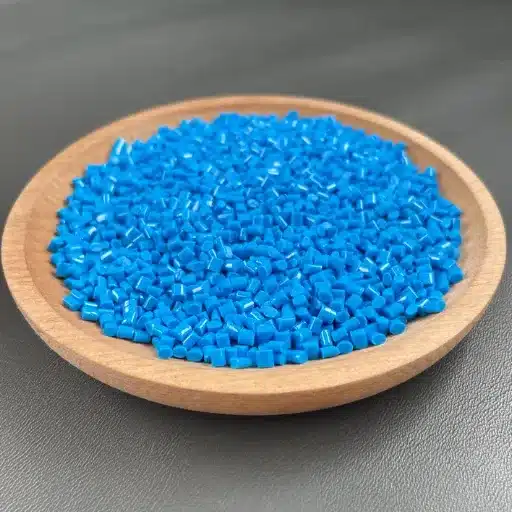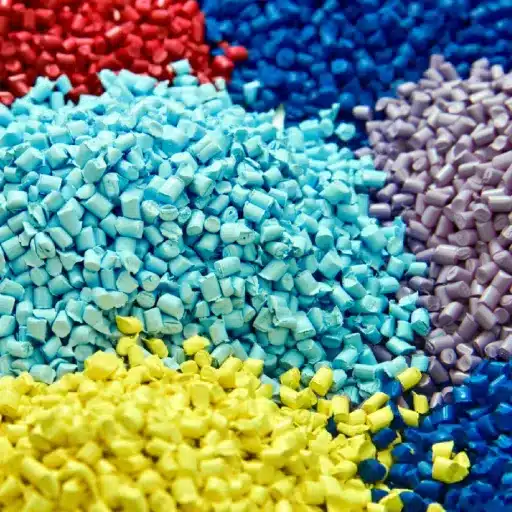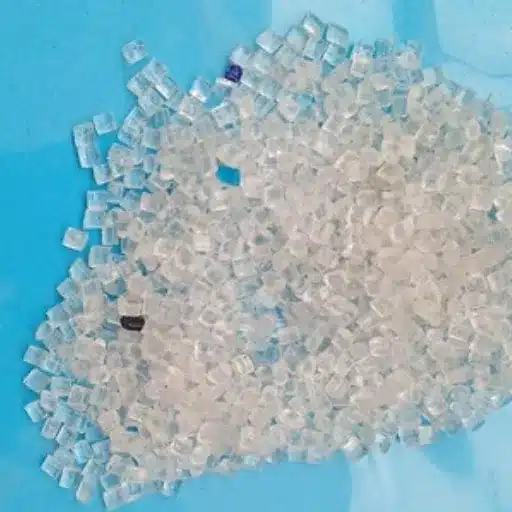
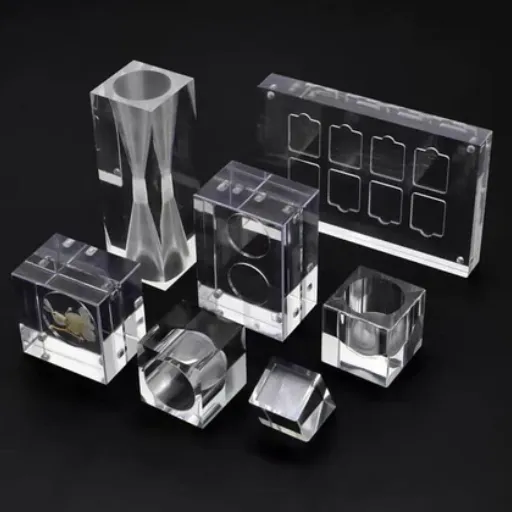
Acrylics have indeed been a part and parcel of the leading-edge manufacturing, having the attribute of being multipurpose, strong, and used in a variety of fields. But did you ever question or wonder how these materials get transformed and what is the reason for their indispensable nature in the sectors including automotive and consumer goods? The text to follow will demonstrate the art of making acrylics, making the labyrinthine processes and basic materials more transparent. Additionally, we will give a brief account of the reasons for the popularity of acrylics in the modern manufacturing sector by concentrating on their exceptional qualities and their capability to fulfill both functional and beauty demands. Everyone will have a very good understanding of the crucial role that acrylics perform in the formation of the goods and tools that we all make use of daily.
The Manufacturing Process of Acrylic Plastic
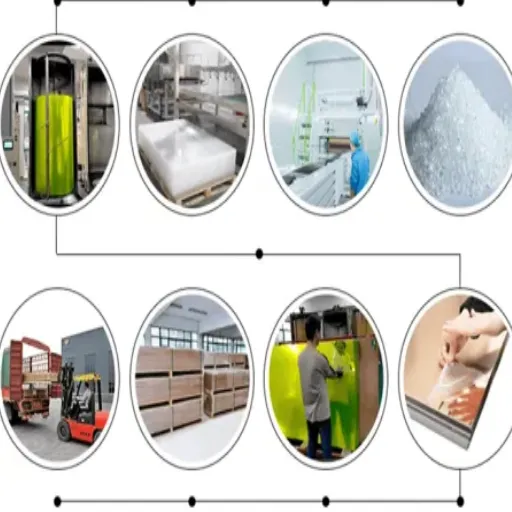
Acrylic Production Review
Acrylic is a very light, dust containing plastic scientifically named polymethyl methacrylate (PMMA). It is mainly made by the polymerization of methyl methacrylate (MMA) monomers. One common production process is to use bulk, solution, suspension or emulsion polymerization, which for each process, the properties and the purpose the product will serve, are adjusted to have the most satisfactory outcome. As an example of the above statement, bulk polymerization is a method that is mostly favored when it comes to sheet creation as it is very effective in terms of creating very pure and very clear acrylic.
In starting the process, the first step is to create methyl methacrylate by the reaction of acetone and hydrogen cyanide or through other pathways in which ethylene is used. This would be followed by the technique of polymerization, where say organic peroxides are there to facilitate the reaction taking place under such controlled conditions as to heat and pressure. The collected polymer melt is then given the initial shape to some extent, i.e., the shaping could be as a sheet, a rod, or some other form that is through extrusion, casting, or injection molding. And also additives may be mixed while during the production process to give some enhancement to the properties like, for UV resistant, having impact strength, lighter, etc. and sometimes even for the retention of color.
In the last few years, the sector has seen tremendous technological advancements that have the cutting edge in terms of acrylic being produced, as the treatment of the PMMA waste residue etc., and even the reduction of the footprint of the environment during manufacturing activities that have become the norm. High quality of the product and cost-effective manufacturing are the two main requisites to be able to cater to the industry-wide demand for acrylic which is mainly for the automotive, construction, and the medical device industries.
Key Raw Materials Used in the Manufacturing of Acrylic
PMMA, which is a kind of versatile polymer and is derived from the monomers of methyl methacrylate (MMA), serves as the: main constituent for the production of those materials, which are made of acrylic. Polymethyl methacrylate – PMMA is highly popular because of its great quality, transparency, and durability. MMA comes after the following: It is produced by very complicated limection with chemical result that usually go through the process of the esterification of methacrylic acid with methanol and the use of ACH-acetone cyanohydrin process. In order to make the whole acrylic product clear, strong, and very transparent, the very first-grade methacrylic acid needs to be used by the manufacturer.
Subsidiary molecules such as stabilizers, polymerization-initiators, and the necessary chemicals and compounds that are responsible for the coloring are being applied to the product making. We can mention for example the use of UV-stabilizing agents which leads to the polymer becoming more UV resistant, and the inorganic as well as the organic pigments that will find their place in the final product giving it a dichromatic appearance, the latter representing only one method of changing the product’s splendid colour into the colour demanded by the market. The precise processing of the said components definitely contributes to the fact that the acrylic products are not only up to the strict standards of the industry but even more, they are meeting diverse requirements for their deployment and application.
The Chemical Process of Polymerization
Polymerisation is a process in chemistry where the small monomer molecules get combined to form the polymer chains or else three-dimensional networks. The reaction takes place by two main methods: addition or chain-growth polymerisation, and condensation or step-growth polymerisation. In this path of the chemical formation, an active center keeps on attracting monomers with the help of their successive additions. This attraction is usually caused by free radicals, cations, or anions. Then the polymer chains quickly propagate after and until the termination point. While acetone it, condensation polymerisation proceeds the other way, i.e., monomers getting reacting one by one and losing small molecules like water or methanol in release; the final polymeric material since it has the repeating units alternated.
Thanks to the present developments in the techniques of polymerization, macromolecular weight, the structure of the polymer, as well as the attachment of the functional group in the polymer, the three most important parameters affecting a material’s performance, have been precisely regulated. This has led to the optimization of the performance through the utilization of new materials. A very good illustration is the controlled/living polymerization methods like Atom Transfer Radical Polymerization (ATRP) and Reversible Addition-Fragmentation Chain Transfer (RAFT) polymerization which have made it easy to produce block copolymers with properties that can be customized. All these achievements are a further evidence of the considerable importance of polymerization as a powerful means to cope with the constantly developing demands of different economic sectors like automotive, healthcare, and electronics.
Types of Acrylic and Their Characteristics
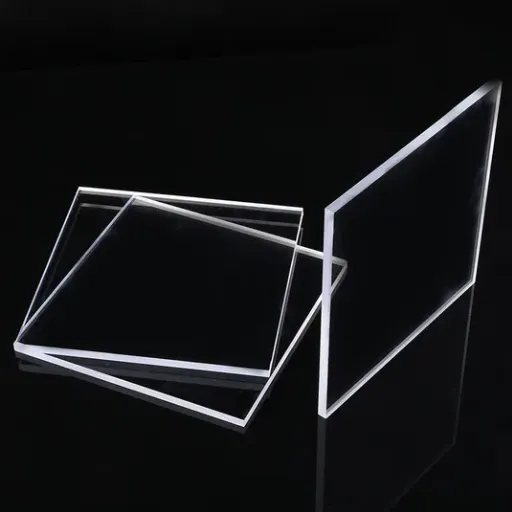
Comparison between Cast and Extruded Acrylic
Cast and extruded acrylic are two types of acrylic that have undergone a different manufacturing process resulting in the distinct property in their production, which makes sure that they are suitable for different applications. Cast acrylic production process in which a liquid monomer is poured into a mold-cell and polymerized has superior optical clarity, improved chemical resistance, and zero crazing or cracking breaking to stress materials. With that in mind, cast acrylic is perfect for applications requiring machining and polishing because of its unique properties such as optical lenses, display cases, and signage.
Extruded acrylic, in contrast, goes through a continuous extrusion process that the manufacturers employ to produce sheets with a uniform thickness. Consequently, this approach is more economical and leads to minimal material waste, though extruded acrylic turns out to be less tough than cast acrylic. Additionally, it shows reduced resistance to chemicals and a lesser melting point. The tensile strength and impact resistances are also much lower compared to the latter, making extruded acrylic the best choice for applications that prioritize the cost-efficient and easy-to-use qualities, such as with point-of-purchase displays and interior glazing.
The two materials present unique benefits and drawbacks, and so, the producers and designers can choose what fits the project’s respective demands by being fully aware of the characteristics of the two materials.
Durability and Performance of Different Acrylic Types
Evaluating the performance and durability of cast and extruded acrylic is a complex task with relation to multiple factors. Cast acrylic, which has a higher molecular weight and hardness, is extremely resistant to long-term UV exposure, heat cycling, and chemical attack since the molecular chains are closely bound. Most of the time, outdoor applications or places with alternating temperatures and high humidity require this plastic type because of these characteristics.
Extruded acrylic, although it does not have the same level of resilience, still, it provides utilitarian service in environments that have a controlled setting and lower stress conditions. Its consistent thickness makes it the right fit for applications where uniformity is a major concern even though its weaknesses are that it does not have a high resistance to scratching and wear.
The world consists of two kinds of acrylic. They are made very clear and except for the order in which you cut, you will never see a material that possesses such amazing optical properties like the one and the same with acetate. However, the other side of the coin is the cases where ductility is the focal point of interest for the customers, hence the very wide choice of materials among which they can choose their fit one. On a contrary to 10 or 15 years ago, the situation in the polymer industry is motivating the acrylic industry to be more creative than ever before. The whole journey of production; from monomer to polymer has been experiencing refinements in the miniaturization of scale as well as in the quality of the whole process applied, thus making the traditional uses of such sheets as the only path to extinction.
Advantages of Acrylic Sheets Over Many Different Industries
Acrylic sheets, being the heavy-duty, the hard, and easy-to-layer material, are the perfect choice in many industries, just because they provide a wide scope in terms of design and they are also very comfortable to put in use.
Construction and Architecture:In the construction industry, acrylic sheets have already established a reputation as the best building material. These are extensively used in the construction industry for windows, doors, and even building facades. After the fabrication and if they are with the proper edge band and with a thick layer of paint, windows made of acrylic sheets offer the same view for less price compared to the price of the glass that offers a less view and breaks for cheaper reasons.
Automotive & Transportation: In the automotive industry, acrylic sheets are used to make light covers, instrument panels, and aerodynamic visors that are high in impact resistance and able to maintain their optical properties after a long time, hence they are considered the best accordingly to their qualities for both interior and exterior applications of vehicles.
Retail & Advertising: Being the most perfect material for signage, display cases, and point-of-purchase displays is an outstanding property of acrylic sheets, besides, they have the clarity and facility of customizing and are therefore quite common. It is normal for them to be thermoformed to produce any shape desired thus making the retail environment a place for remarkable and beautiful designs to be realized.
Healthcare & Medical Devices: They are the exact material for protective screens, medical equipment housings, and lab tables in healthcare settings that acrylic sheets are, simply because of their hygiene features and the fact that they resist the kind of chemical attack that takes place in an environment where the usage of medical equipment is in progress. Their cleanliness and their ability to be sterilized easily also are the main reasons for their wide spread use in the field of medicine.
Aircraft windows, cockpit canopies, and interior components of civil and military planes commonly use acrylic sheets due to their strong strength and low weight.
History and Development of Acrylic
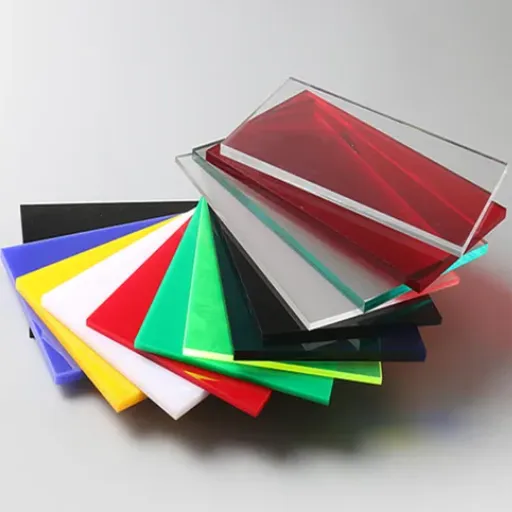
Invention and Early Uses of Acrylic Plastic
The acrylic plastic is engineered by means of a chemical known as polymethyl methacrylate (PMMA). The chemical was initially created in 1928 by Rohm and Haas Company’s chemists and made available for consumers in 1933 under the trade name of “Plexiglas.” Its application through acrylic was the revolution of material science as it met the strongest, transparent, and lightest materials that were demanded. Acrylic’s strength was instant because of its outstanding clarity at the optical level as well as that of impact. Different industries were very excited about the rapid embracing of the material and eventually, the use of acrylic found its proper place in the markets. During World War II, it became a part of the military especially due to its resistance to the effects of air pressure, among other issues, and there were examples of its use in many of the military crafts including ballistic air mounts, tank sights, submarine periscopes, and gun turrets, where indeed visibility and resistance were neededilarity and resistance were the issues.,
The quick acceptance of acrylic showed its adaptability and efficiency, cementing its role as a better choice than the typical glass where safety and performance are crucial. Besides its military applications, during the mid-20th century acrylic was also increasingly used in household products like lighting, furniture, and advertising since the industries found it to be inexpensive, easy to shape, and resistant to weather properties. The very beginning of the success of acrylic laid the ground for the big acceptance today, as manufacturing and the formulation technologies kept pace with the continuous advancement and further refinement and extended the range of applications.
Evolution of Acrylic Manufacturing Techniques
The manufacturing of acrylics has developed largely throughout these years the material came to place in the market, being mainly pushed by the need for more advanced technologies and production methods that are more efficient and environmentally friendly. Initial manufacturing steps usually made use of bulk polymerization, which, though was good, could not come up with accurate material properties due to its slower reaction times. Eventually, the origins of two new processes, being emulsion polymerization and suspension polymerization, were also accepted, and all these together were a breakthrough in the processing of acrylic polymers.
Nowadays, producers are utilizing advanced techniques such as continuous polymerization that keeps the process in a steady state, thereby enhancing production efficiency and at the same time the quality and homogeneity of the final product. On the other hand, the advancements in the formulation strategies have enabled manufacturers to modify acrylic resins for certain uses and by so doing, to meet the very demand of the market like, for instance, very specific application needs as in automotive where we go for high-impact resistance or very broad applications such as UV stability in outdoor signage.
Moreover, sustainability is the chief concern related to the contemporary acrylic industry. Technologies used for recycling acrylic materials like depolymerization are capable of splitting polymers into reusable monomers. The more advanced solvent recovery and waste minimization methods are currently being used to shrink the environmental footprint of the manufacturing process of acrylic, and thus making sure that acrylic production is in harmony with the global sustainability goals. Such continuous excellences point to the vibrant nature of the acrylic manufacturing sector and its adaptability to various industrial applications.
Impact of Acrylic on Modern Manufacturing
The utilization of acrylic could be considered as a revolutionary process in present-day industrial production because of its infinite ways of utilization, durability, and, besides that, being clear to light. The significant arrays of uses for it cross sectors such as cars, building, health, as well as for the customer goods. For example, one like in the automobile field, acrylic gets as a matter of course in headlights and inside the vehicle due to its toughness and feasible resistance to UV that will eventually break down. Likewise, different from the latter scenario, in the building industry, the sheets of acrylic are the alternative to the well-known but not so giving the consumer a product that will break because of weather changes, that the sheets of acrylic are therefore called and come without air in the spaces between the chains and glass;}:cratch, glassy materials being id=en for use by the public and for the commercial market by means offne astness.
Besides the features of its workability, which has been upgraded thanks to the use of recent developments in processing technologies, there have been improvements in the attributes which are usually involved with the functionality of products. Resistance to scratching and thermal features are found to be the best innovation examples to be closely used in high-performance sectors like aerospace and electronics. Such co-ordinate processes figure the given material to be one of the mostly accepted materials in the manufacturing field along with being efficiency in usage. Moreover, the development of laser cutting and 3D printing having gone side by side with the traditional manufacturing will create a great emphasis on technological control by many.
And apart from the fact that acrylic comes in many forms and can be employed to achieve many functions, the increased efficiency of resources and the recycling of waste will significantly improve our social existence through the nonviolence of the environment.
Advantages of Using Acrylic in Manufacturing
Lightweight and Versatile Plastic Material
Acrylic has gained popularity for being a very light material, and this very quality provides it with the weight advantage over glass and several metals in the various manufacturing fields. Even in its reduced weight, acrylic has been able to maintain its strength and impact resistance rights. A high strength-to-weight ratio is thus obtained. The attribute plays a key role, by providing the most benefit, in the industries of automotive and aeronautics as one of the applications, that is reducing the weight of a component leads directly to the improvement of fuel efficiency and performance. Moreover, the key factor for the versatility is its processability by means of machining, shaping, and customization by some of the most advanced methods, e.g. CNC machining and thermoplastic forming. By employing these methods acrylic is more adaptable and can be uniquely fitted to the dimensional and structural needs, thus meeting the rigorous demands of contemporary industrial processes.
Comparison of Acrylic with Other Plastics
Acrylic is the common name for polymethyl methacrylate (PMMA), and it is considered more advantageous than other typically used plastics like polycarbonate (PC), and polyethylene terephthalate (PET). The most superb of all is the crystal clear character of the material, which is higher than that of polycarbonate with a margin of about 92% to 88%. This clarity attribute is the main reason why acrylic polymer is a very good option for use in lighting, display cases, and even light-weighting applications.
Acrylic is less tough than polycarbonate regarding impact strength but, since it has a better light transmission capability, it may still be the second choice after polycarbonate in case higher transparency is recommended. The polycarbonate/ acrylic comparison is not an “all or nothing” one; however, whoever is designing a product may still need to make a decision on the issue of transparency. Addressing the question of UV stability, polycarbonate is considered as UV resistant, but it still has a problem of yellowing to some extent. For this reason, polycarbonate can be used in outdoor applications where other materials cannot be used, retaining clarity for a longer time period than any material which would have turned yellow.
The lower melt temperature of acrylic by comparison with polycarbonate makes it easier to mill and better to mold. On top of that, it is more scratch-resistant than polycarbonate, and therefore maintenance will be less of a problem in the long run in applications where surface integrity is a priority. While PET offers benefits such as recyclability and cost-friendliness, it is not as durable and structurally strong as acrylic in areas with particularly intense or high-stress conditions.
On a larger scale, the choice of acrylic or other plastics is largely contingent upon the requirements of the application. Therefore, factors like optical clarity, environmental resistance, impact strength, and cost cannot be overlooked when the material of most suitability is to be known.
Environmental Considerations in Acrylic Production
The major obstacles faced by producers are related to the organic chemistry process when it comes to the production of Acrylic. Substantially due to the involvement of petrochemical derivatives. Thus, the polymethyl methacrylate (PMMA) is the acrylic product from which the mentioned challenges are more bracketed. Methyl methacrylate (MMA) monomers are invariably used in the synthesis process and they come as fossil fuel derivatives resulting in huge CFC emissions that push gases into the atmosphere and depletion of natural resources. To add to the list of shortcomings, the activities involved in polymerization are very energy consuming and the production process right from the start to the end is marked by a very high carbon footprint, for this reason, among others that are not obvious at the same level, the production of this synthetic material cannot be as sustainable as, for example, the use of the various alternatives contending as eco-friendly and being a better choice in terms of leaving a smaller environmental footprint.
In terms of waste management, the non-biodegradable nature of acrylic is a significant issue that must be addressed when considering disposal environments. Despite the fact that the degradation of acrylic products may take too long in landfills, and this may cause long-term environmental impacts, it is believed that the recycling of acrylic products will still be a significant issue to deal with in the future. Recycling methods, which are currently undergoing refining such as the mechanical and chemical recycling methods, are envisaged to recover the MMA monomers and to reuse them in the new acrylic production cycles. Even though the situation seems to improve, there are challenges to overcome, among which the main ones are the issues of the cost and of the size of the market that need to be solved before the full technological package can be applied in the whole field.
In a bid to lessen the environmental problems, corporations related to the industry are considering producing bio-based acrylics as a more environmentally friendly and sustainable option. This will be extremely helpful as the sources of the materials are also the ones that can be renewed, such as the sugars derived from the plants, thus, you can be sure that the industry’s reliance on oil will go down the trough. In relevance to the present, these are entirely new technologies that may open a new era in the polymer industry of being truly sustainable. Still, it is the future of the industry that its production of acrylics will be following the circular economy guidelines and this will indeed be very helpful for the ecological restoration if not the decrease of it.
How Acrylic Sheets Are Made
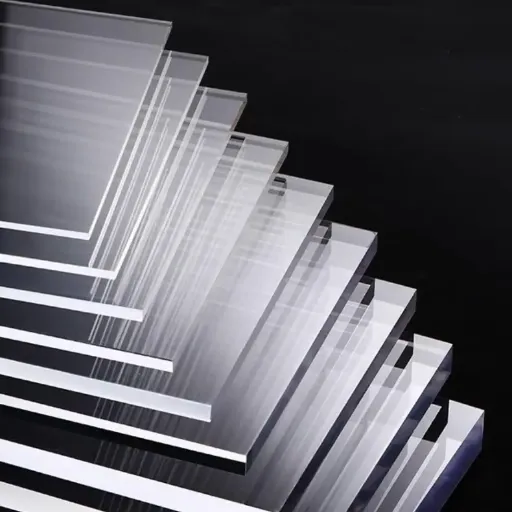
Process to Make Acrylic Sheets Step-By-Step
First of all, Methyl Methacrylate (MMA) Polymerization: Polymerization of methyl methacrylate is the first step in the manufacture of acrylic sheets. The process consists in the combination of MMA monomers and a catalyst in an environment under control. The catalyst starts a reaction that connects the MMA into long chains of polymers that result in the formation of polymethyl methacrylate (PMMA), which is the main material for acrylic sheets which is the right material for such use.
Secondly, Mixing and Casting: After the PMMA has been formed, it is subsequently mixed with other substances like colorants and stabilizers that give the material certain crucial commercial properties of the products (such as UV resistance or specific colors). The next step is for the mixture to be poured into flat molds that would take the shape of the required sheet. Typically, these molds are made of glass so that the resultant acrylic sheet has a smooth surface.
Curing Process: The filled molds are kept in the big ovens with heat and pressure. The process of curing guarantees that the polymer chains are totally formed and the material is hardening uniformly. The curing process takes place at the right duration and temperature under strict control that further improves the mechanical and optical properties of acrylic sheets.
Cooling and De-Molding: Once the curing process has concluded, the molds are allowed to cool down gradually in order to avoid the material being stressed from the inside. The acrylic sheets, already hardened when the cooling is adequate, are very cautiously taken out of the molds.
Cutting and Finishing: Moulded acrylic sheets are cut to size and then polished or sanded to perfect the surface quality. This step may also include defect inspection in order to meet strict quality control requirements.
The finishes are purely optional. It‘s all up to you whether the acrylic sheets will get the treatments or not. The treatments can be the ones like anti-scratch coatings, the ones that protect from UV rays, or they might get custom surface textures to get an entirely new effect and therefore new functionality.
Additionally, the sheets are rigorously inspected for the presence of foreign matter, cleansed, packed to prevent damage during transit, and then, subsequently, consigned to manufacturers and users for multiple applications.
The elaborate procedure of successive stages renders it possible to always have on hand long-lived, flexible and high-quality translucent plastic sheets which are applicable across a broad range of fields starting from construction to automotive design.
Acrylic Sheet Manufacturing Quality Control
The manufacture of acrylic sheets is a very important task, and detailed inspections and tests are done at every stage of the production process to conform to the rules and regulations of the industry. The control of the quality begins with the verification of the raw materials, wherein, the monomers and catalysts used are checked for the purity and composition of the raw monomers and catalysts which is to be done with a high level of precision in order to remove the possibility of impurities. During the process of polymerization, temperature and the rates of mixing are constantly monitored by the use of very advanced sensors in order to keep the quality at the most optimum and to prevent any defects at all.
When the sheet has been formed, the optical clarity and thickness of the sheet will be checked with a laser scanning device so that any defects or variations in the material will be detected. After that, the sheet has to pass the various mechanical tests such as tensile strength and impact resistance to ensure that the product is of good quality and resistant to breakages. In addition, aging tests with UV exposure and temperature change are performed to check the ability of the product to stand up to environmental changes over time.
Innovations in Acrylic Sheet Production Technology
According to my study, the acrylic sheet production industry has been able to make big leaps in terms of efficiency and material quality due to the introduction of advanced extrusion techniques. One of the most remarkable innovations is the application of highly advanced extrusion methods. These very systems make it possible for the manufacturers to produce acrylic sheets in a more precise way as far as the thickness and dimensional stability are concerned. Furthermore, the co-extrusion methods now have the capacity of combining derivable materials having different properties in one sheet so as to enjoy the UV resistance, or impact strength, or both, characteristics, and this does not involve any additional work. As a result, not only the production time is going to be shorter but also more new products having as their feature the application in specialized industrial sectors are going to be manufactured.
The integration of automation and smart manufacturing systems in the works is another revolutionary step. The use of Industry 4.0 technologies and devices that are IoT-enabled has been able to get the monitoring and the control of production parameters in real-time. Thereby, waste is reduced while ensuring that the tolerances are tight. In addition, through advanced polymer formulation techniques, it has become possible to produce acrylic sheets with properties that are not only unique but also very beneficial. For example, acrylic sheets with such properties as higher optical clarity, enhanced scratch resistance, and in addition to that even antimicrobial capabilities have been developed. These are innovated also in part by the increasing demand for premium quality and good performance that are essential in industry such as automotive, healthcare, and renewable energy.
And is really about the environment and sustainability. The main reasons being that the manufacturing of goods is one of the leading contributors to greenhouse gas emissions. Do you know any similar companies in your industry that promote sustainability and at the same time reduce waste at the same rate? Let’s move away from using chemicals that are derived from oil!
Reference Sources
A Better Way to Make Acrylics – University of Connecticut – Explores innovative techniques for producing acrylics using advanced catalysts.
Acrylics (PAN, PMMA) – Brigham Young University – Details the chemical processes involved in creating acrylic materials like PMMA.
Working with Acrylic – California Institute of Technology – Provides insights into the properties and handling of acrylic sheets in manufacturing.
Acrylics – Material Kitchen @ITP/IMA – New York University – Discusses the environmental impact and production requirements of acrylic materials.
Acrylic Acid Process – West Virginia University – Explains the industrial process of producing acrylic acid, a key component in acrylic manufacturing.
Frequently Asked Questions (FAQs)
How is Acrylic manufactured and what is the basic illustrated process?
The material known as Acrylic is produced by the polymerization of the monomer methyl methacrylate (MMA) to be polymethyl methacrylate (PMMA), the outcome being a transparent resin. The commercial production of acrylic generally prefers either casting or extrusion methods, where casting creates highly transparent, superior optical clarity sheets. In casting, the manufacturers pour the liquid MMA that is mixed with initiators into the molds where it hardens to plastic sheets while the extrusion pushes the molten polymer through a die to produce extruded acrylic sheets. Additives such as UV stabilizers are often used to enhance weathering and to protect acrylic from aging caused by sunlight. The produced polymer is a versatile material that is used quite widely in industries for plastic sheets and personalized acrylic components.
The evolution of acrylic: what was the history of this engineering plastics material?
In the early 20th century, chemists produced methyl methacrylate that later led to the development of acrylic polymers. It was during the 1930s and 1940s that polymethyl methacrylate was first made available for commercial purposes and was chosen for using where a transparency of the material was required to be higher than that of glass and the material itself was to be lightweight. Through time, the development of the materials was served by the progress both in the formulation, the resin and the technological methods of manufacturing, such as extrusion and casting which in turn allowed the production of various useful objects in the area of optical lens and sign making. Acrylic, among other polymers, was accepted as the material with the highest optical clarity, and the other fact about the material, being very easy to machine and therefore fabricate in complex shapes quickly added to the reason why it, for instance, gained great popularity.
What are the common applications and industries where Acrylic is used?
The sectors in which acrylic is heavily employed are architecture, automotive, medical devices, signage, and lighting, according to the transparency and strength it gives when used. People working in the designing field prefer to go with acrylic over other plastic sheets, for light fixtures, and display cases due to its clearness and the fact that it can be formed and carried out easily, including cutting, bending, and joining the acrylic parts. Where it happens that glass is required but is too heavy (lighter than glass), acrylic will then be the choice. The acrylic can be prepared in this way that it has increased resistance to impact or UV. Artists and hobbyists also use acrylic paints and cast acrylic in their projects. Manufacturers, on the other hand, can rely on casting and extrusion methods to carry out their production of components. Since it is simple to machine and finish, manufacturers will stick with acrylic for the manufacturing of custom acrylic parts and rapid prototyping.
Is there a difference between casting and extrusion methods when it comes to making acrylic materials?
The bulk of acrylic is done using resin casting which is the process of pouring liquid resin, normally the methyl methacrylate monomer with the initiators mixed together, into molds where it reacts to form solid sheets with very good optical clarity. On the other hand, the extrusion process pushes the already polymerized resin through heated machinery to produce the continuous extruded acrylic sheets which are most of the time cheaper and more uniform in thickness. Cast acrylic generally brings in the higher-quality, thicker panels and is suited for formulations of very good optical properties, while extruded acrylic sheets are great for the manufacture of large-volume and easy-to-work applications. Although both methods result in a polymethyl methacrylate product, the product can be completed, machined, and welded to form a complex plastic component. The decision to follow one method would mainly be based on the conditions under which the product will be required, such as impact resistance, surface finish, and cost.
How should one be aware when handling the resin?
Joining acrylic is regularly achieved by solvent welding, adhesives made for PMMA, or mechanical fasteners depending on the use and requirement of a joint. Acrylic so to speak is the plastic that is the most machinable and workable and, therefore, can be cut, drilled, and thermoformed by a fabricator even with the ordinary shop tools, but cutting down heat is important to prevent any stress or crazing. One the one hand, when bonding, the stains out of resin-based adhesives or solvent cements dissolving the edge a bit yield perfect joints of high strength and at the same time, no change in optical clarity. Hence if you have decided on using outdoor acrylic grades loaded with UV stabilizers, the products will enjoy a much longer life as well as look the same under the sun. In general, knowing the resins and the process of manufacturing gives the outcome of high-quality and long-lasting plastic parts and also beautiful acrylic products as well as services.writeHeadernointpacidfootpole393818>tagger