Unknowingly, people are consuming and being contaminated by the very small particles of plastic, which are the microplastics, in their food, water, and even air. These harmful pollutants have become present so much in the 21st-century lifestyle that it gives rise to serious issues of health and the environment as well. While the effect of microplastics on human happiness has arisen as a subject of debate, the one and only thing that is already quite certain is that it becomes more a step towards health protection to either greatly, or ideally, stop microplastic exposure. The primary goal of the piece is that it will give you to easy-to-follow recommendations that are in accordance with the latest science to lower the occurrence of microplastics in your diet and daily life. Another point to stress is that in these particular situations, the one who carefully selects the product type and adapts to the right storing habit will be the winner. In addition, the tips given by this article are not only few but also easy to follow and same as the change they will be very effective.
Understanding Microplastics
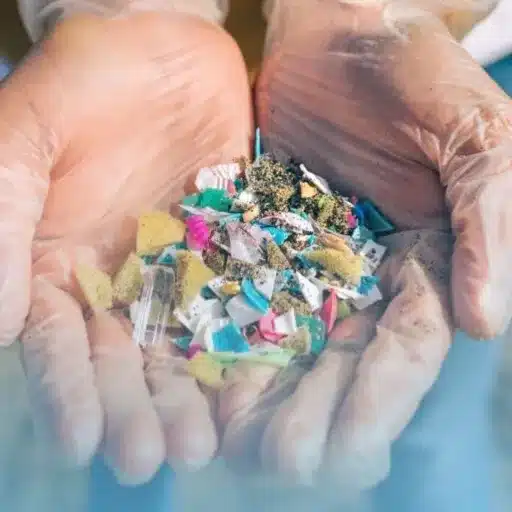
What exactly are Microplastics?
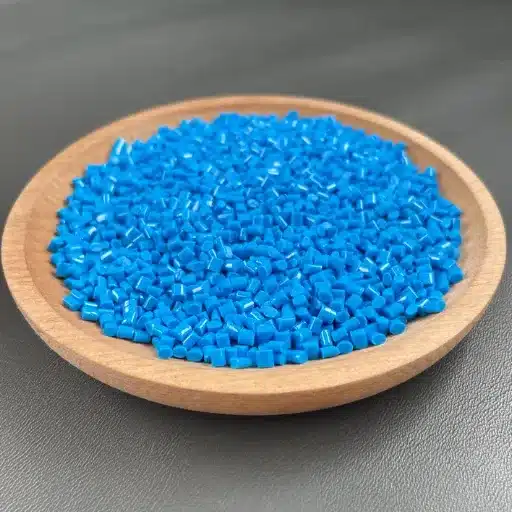
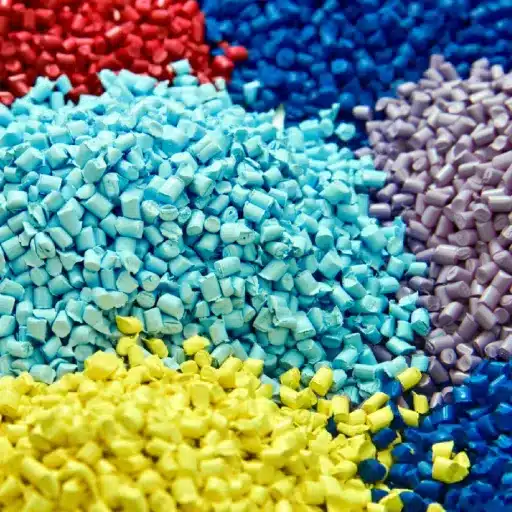
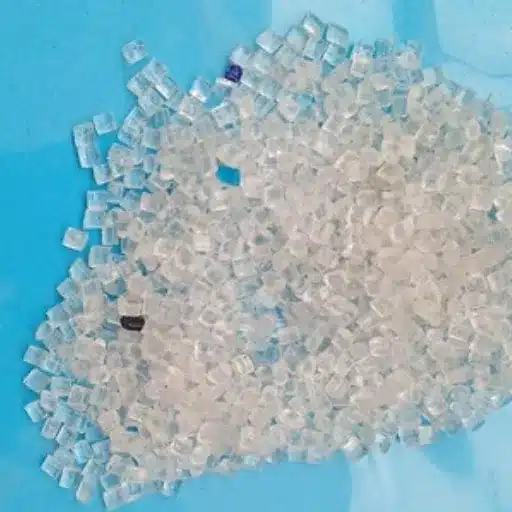
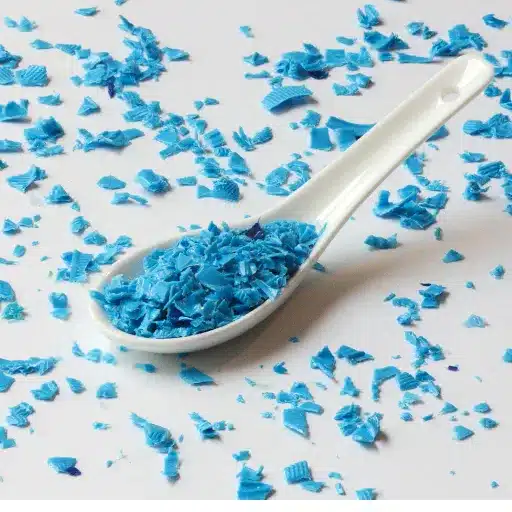
Microplastics, which usually come in a size of less than 5 millimeters, are tiny plastic pieces. These are either a by-product of the decomposition of bigger plastic objects or they are generated on purpose as part of industrial processes (like that for cosmetics and cleaning products). The primary reason for making the particles this way is for the consumer’s convenience and effectiveness in use. These particles fall under two categories—primary microplastics and secondary microplastics. The naturally degradable microbeads in personal care products are an example of the former, while the latter can be traced back to the deteriorated state of larger plastic objects like bottles, bags, and fishing nets, for instance, under the influence of environmental agents like the sun’s rays and mechanical weathering.
Microplastics can be found almost everywhere in the ecosystem, from the land to freshwater to the sea, but the dangers they present are no longer exclusively environmental. Being attracted to the soil, water, and air, they are transmitted to the food chain from these sources, and even sea products can be the ultimate cause. Modern analysis has indicated that the attributes of microplastics make biological disruptions a very possible scenario, e.g. through inflammation, injury to cells, or use as creators of toxic chemical substances. Origin, paths, and consequences of microplastics must be very well identified to control the mitigation efforts before they become a major problem.
How Microplastics Gain Entry to Our Food and Water
Water bodies are the primary distribution channels of microplastics that go into the food chain. These microscopically small items are the most often the product of the breakdown of larger pieces of plastic, synthetic fibers that are washed off fabrics, and the tiny beads that are almost impossible to see that are used in beauty products. Once they are in the water, that is the river, lake or sea, they are eaten by living creatures like fish and shellfish that are then consumed by people all over the world. Furthermore, agricultural activities are a big factor as the treatment of waste water, which is often very high in microplastics, ends up being the water for irrigation. This method transports the particles into the soil, from which the crops and drinking water can become contaminated. The presence of microplastics in the atmosphere also has a role to play, as the little particles settle down both on the ground and in the water. The area of contamination is thus further increased. This combination of pathways emphasizes the great spread of microplastics in the environment, and the necessity of having different professions work together to check and reduce their impact on the safety of food and water.
The adverse impacts of microplastic exposure on human health
Microplastics are hazardous to health due to their wide range of biotic systems they can penetrate. Once they are ingested or breathed in, these minute particles can gather in organs, thereby causing physical harm, inflammation and oxidative stress. Their capability to pass across the gut barrier into the bloodstream was already mentioned by some studies through the presence of particles in the liver and kidneys. This imposes a future risk of bioaccumulation and related harmful effects across the entire body.
The presence of chemicals linked to microplastics makes the former even more harmful. Microplastics have been found in many sources carrying dangerous substances like plasticizers, flame retardants, and persistent organic pollutants (POPs) which can be released to the nearby tissues. These agents have also been linked to endocrine disruption, reproductive toxicity, and in some cases, the development of cancer. Besides that, microplastics might play the role of environmental pollutants absorbents among them; heavy metals, thus they can be a source of secondary contamination to human and animal organisms as well.
It is clear that vulnerable populations, such as infants and people with prior health conditions, are at a much higher risk. Just to give an example of this, it was found that babies, who were exposed to plastic through plastic bottles, consumed much higher amounts of microplastics as compared to adults. This leaves no room for further research and a sound regulatory action. One of the troubles with the above issue-consumption of chronic microplastics- is also the long-term effects: this matter is still pending the most part of research and more data confirm that the problem has implications on global health with the intervention of interdisciplinary and policy to follow as an immediate response.
Microplastics in Your Diet
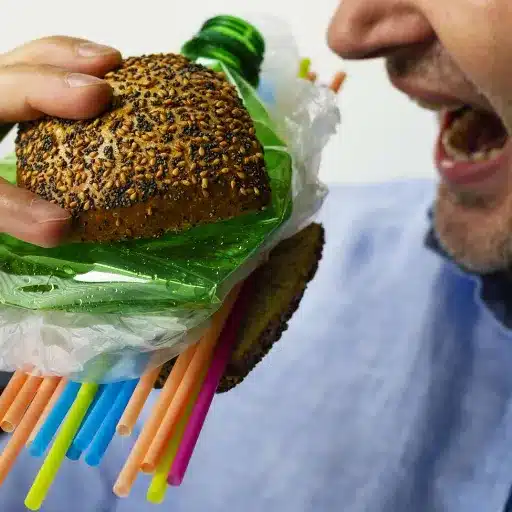
Identifying Microplastics in Food and Drinks
The human diet is frequently infiltrated by microplastics through various channels, most often caused by the disintegration of big plastic products or the direct release of micro-sized plastic particles. Marine animals such as shellfish and other benthic organisms are the major sources of microplastics, despite not intentionally becoming involved in the process of microplastic input into the ecosystem by eating zooplankton, when they feed themselves with microplastics, the microplastics continue to move through the food chain up to the level of the top predator. Similarly, bottled water and other packaged beverages may often contain microplastic particles that were introduced to the water during the production process or as a result of the container getting degraded naturally. Human factors also contribute to the issue since microplastic in crops grown in plastic-covered fields was recently detected and at the same time other microplastics contaminated from the wastewater treatment plant were found in some crops. The same is valid for processed foods as well as commercial salt, as both can be the sources of the microplastics due to the presence of contamination in the manufacturing or packaging processes. Discovery of these sources is crucial for the development of mitigation strategies that are targeted at minimizing microplastic neonatal exposure through dietary intake.
Common Sources of Microplastics in Your Meals
Microplastics consumption is a cause of great concern in regard to human health, because these are potentially hazardous particles that can contain toxic chemicals and POPs (persistent organic pollutants). Once you have eaten them inside your body, microplastics can possibly react with the digestive system to produce oxidative damage, prompt inflammation, or even unbalance the intestinal flora. It is a fresh insight that nanoscale plastics, which are by-products of the even further disintegration of microplastics, have the potential to migrate across cell walls and the like in the tissues, somewhat of a health risk that is yet to be fully perceived. The potential for extreme exposure as a result of the consumption of contaminated food and water on a daily basis makes it essential to have continuous monitoring of the effects in order to safely guide health authorities and policymakers in this regard.
The Impact of Plastic Food Containers on Your Health
Plastic food containers have a major health concern, which is the possibility of chemical leaching. Whenever they get exposure to heat, acidic foods, or extended storage times, the plastics might discharge toxic elements like bisphenol A (BPA) and phthalates into the food or drink they are holding. BPA is a man-made compound that is prevalently used in the meth production of polycarbonate plastics and epoxy resins, while phthalates are mostly added to plastics to make them more pliable and durable. These two compounds are under the category of endocrine disruptors which means they are able to interfere with the bodily hormonal systems and thus could cause a variety of health problems, including developmental, reproductive, and metabolic disorders.
Research has indicated that these compounds, even if present in small amounts, could have an accumulative influence owing to continued exposure. An instance of this is phthalates, which have been associated with affecting the production of the male hormone testosterone, whereas BPA has been connected with the occurrence of various types of the disease, as well as with neurologic disorders, and heart troubles. Although there have been steps taken to restrict their use in some instances, these hazardous chemicals are still being detected in so far as many types of the daily life commodities made of plastic are concerned. Such a state of affairs clearly points out the fact that consumers should be very careful while choosing the materials for food and drinks storage. Switching to the healthier options, for instance. glass or stainless steel can be of great help to the provided risks and thus the overall health as that is the basic idea.
Ways to Avoid Microplastics
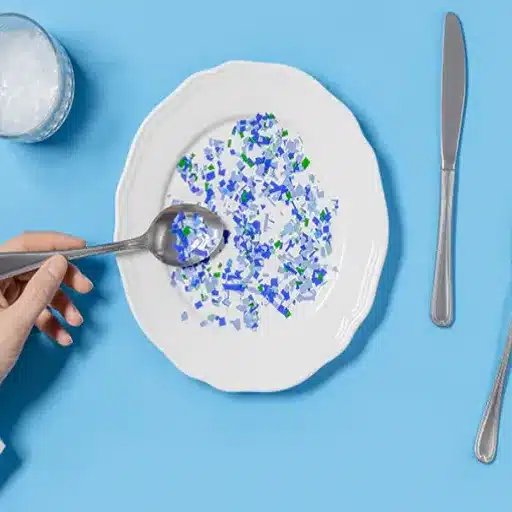
Choosing Plastic-Free Alternatives
When one decides to switch to plastic-free options, the person has to take a step back, be informed, and make an effort to steer clear of the substances that might cause harm. One of the most important and easiest things to do is to use glass or stainless steel containers for food and drinks as these are materials that have the ability to stop the leaching of plastic chemicals into their content. Products made of bamboo, natural fiber cloths, or ceramic are some other options for reducing plastic waste since they can perform the same duties as cutlery, bags, and dinnerware for a more extended period. Besides, the disadvantages of bioplastics that may be even unseen need to be well-prepared, the latter being the cases where different degradation rates and chemical safety results are given due to production and use conditions. Knowing the materials in depth and the production process such as the material certifications–BPA-free or food-grade safety labels—encourages individuals to be more empowered in their choices. Following these suggestions also reduces the personal use of plastics, thus overcoming the problem of plastic waste build-up by the avenues of environmental protection.
Wood Cutting Boards Versus Plastic Cutting Boards
When we talk about the two primary materials used for cutting boards, we will encounter hygienic, durability, and environmental issues. Literature dictates that the use of wood cutting boards, especially those made from hardwoods like maple, brings in an advantage of being able to naturally clean itself due to the porous characteristic of wood. The pores can trap bacteria and hence cause it to die off more quickly over time. This attributes sometimes wooden cutting boards well-maintained as the safer choice for the food-preparation area which may come into contact with the most people.
On the other hand, the plastic cutting boards are highly favored for the easiness of cleaning and the lack of moisture absorptions. They are also capable of being washed in a dishwasher, which means the highest level of sterilization for the kitchen utensils. However, one of the drawbacks of plastic cutting boards is that knife marks become pronounced with time and might become breeding grounds for bacteria if not widely disinfected. In addition, the plastic particles produced by cutting might contribute to the environment.
Wood is superior to plastic in terms of durability—given appropriate oiling which helps prevent drying and cracking of high-quality wooden boards, those boards can last for many years. Unlike plastic boards, which are quite cheap, but at a higher cost since because of the need to replace the board frequently. On the other hand, wooden boards are better from an environmental point of view if they are being sourced through sustainable methods. They are not only biodegradable but also do not contribute to microplastic pollution. Every choice has its strong points when it comes to usage and maintenance, and hence the proper understanding of the trade-offs is crucial for making a well-thought-out decision.
Tips for Cooking and Food Storage
Learning how to cook and preserve food efficiently can be done by knowing the technicalities as well as the science behind food preservation. Among criteria of cooking, accuracy of temperature control is very important for the reason that it guarantees both food safety and flavor development. For instance, in the case of meat, the internal temperature of 145°F (62.8°C) must be achieved for cuts like steaks and chops, while for poultry, a higher minimum temperature of 165°F (73.9°C) is needed to get rid of harmful pathogens. Likewise, gentle cooking methods such as steaming or sous vide are beneficial in retaining the nutrients compared to the high-heat methods like frying or grilling.
The primary objective of long-term storage is to maintain the quality of food and prevent microbial growth. By refrigerating food at or under 40°F (4.4°C), the growth of microbes is considerably slowed, increasing the useful life of the product. This applies to all perishable items, like dairy, meat, and fresh produce. To inhibit microbial growth completely, freezing food at 0°F (-18°C) is the only way, but at the same time, using a proper packaging, such as vacuum sealer, will reduce the occurrence of freezer burn and loss of nutrients for the item over time. On the other hand, nonperishables like grains and canned goods should be kept in cool and dry places to safeguard their structural integrity and nutritional content against the destructive effect of the sun and the consequent rise in temperature. The use of airtight containers in combination with control of humidity increases the life of food in the refrigerated area and/or pantry. The perfect cooking and storage practices, when implemented, not only help people to waste no food, but also guarantee the safety and desired quality of the food that they prepare.
Water and Microplastics
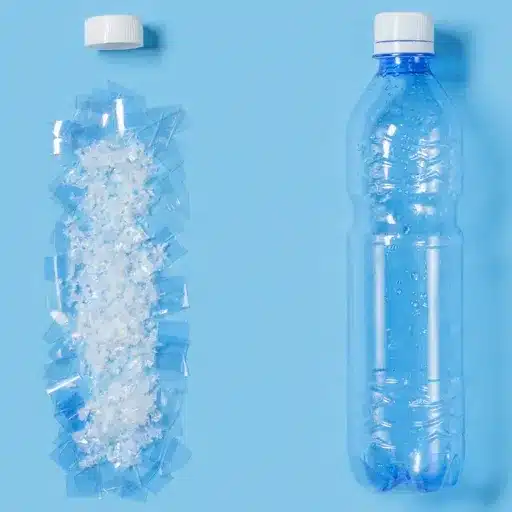
The Truth About Bottled Water and Microplastics
According to the latest studies, the possibility of the existence of microplastics in bottled water has become a new problem and has questioned the long-time safety of consuming it. Microplastics, which are plastic particles that are less than 5 millimeters in size, mostly come from the breakdown of larger plastic materials or are introduced during the fabrication and packaging processes. According to the studies done by the analysts, potentially significant numbers of bottled water samples all over the world have been found to contain microplastics, and this is a global problem that cannot be contained in just one area. The concentration of microplastics in the water was found to be widely dispersed following the respective standards and geographical regions of production, and that included one of the most usual forms of bottled water called “natural mineral water.”
The ingestion of microplastics could bring harmful health consequences and this issue is currently under examination through scientific research. The relevant work to date has indicated that these particles might behave as conveyors for harmful substances or microorganisms, thus adhesion of oxidative stress, inflammatory reactions, or other physiological disturbances in the human body is possible. Also, the thermoplastic constituents, like polyethylene terephthalate (PET), which are often employed in the manufacture of plastic bottles, may break up as a consequence of a long-term hot or sunlight environment, thus increasing the chances of leakage of microplastics.
Production being maintained with strict quality control and the introduction of the latest filtration technologies are among the most important steps that can be taken to get rid of the possibility of the presence of microplastics in bottled water. Along with this, by following a green lifestyle of using reusable water bottles and reducing single-used plastics, the ultimate solution to the global microplastic pollution problem can be achieved with time.
Top-Rated Water Filters for Minimizing Microplastics
If you want to buy a water filter that can effectively reduce microplastics, it is a must to pay attention to filtration systems that are very technology-intensive. Reverse osmosis (RO) systems are one of the best solutions to apply this technology, as they use semi-permeable membranes and can filter new particles as small as 0.0001 microns that is the size of almost all the microplastics. Multi-stage filtration systems with carbon block filters and sub-micron filters are also very good at capturing microplastics. The activated carbon in the system reduces the amount of chemical pollutants released, and the fine filter catches microplastic particles.
Ultrafiltration (UF) systems incorporate the use of membranes with porosities that are generally between 0.01 and 0.1 microns in size, eliminating the microplastics in addition to bacteria and other particles. Contaminants of this size are eradicated since microfiltration is aided by ion-exchange technologies and membrane processes. Furthermore, the UV disinfection considerably reduces the number of pathogens, which are then subjected to a physical elimination step.
Alternative Drinking Solutions to Minimize Exposure
To minimize contact with microplastics that may be present in drinking water, there are a number of things that an individual can do. A very practical and recommended measure is to use bottled water that comes from natural sources and that is subject to a strict regulation process. Nonetheless, it is very important to check the origin and the material of the packaging since some plastic bottles contribute to microplastic contamination by themselves. Glass or stainless steel can be a good solution here, too.
Another possible solution is to have modern home water purification equipment installed in your home. Among these installation options one might consider reverse osmosis and ultra-filtration units in particular. These processes enable the removal of impurities, such as microplastics, from water with very high efficiency by a series of filtration stages. There are lab tests that affirm the rinse water after such reverse osmosis system processing contained very few particles. This makes the water much safer to drink when lead up to such standard through reverse osmosis filtration. Another way to get water is to collect it from the rain, especially in places where there is little to no pollution. Clean and pure rainwater that has been properly filtered and stored can be an unlimited and free source of water that is almost free from micromplastic contamination if collection and purification measures are correctly implemented.
Ultimately, the aim is to stay updated with the water quality reports that the local utilities release, followed by live demonstrations by the independent testing organization. At the same time, if these solutions are applied together, they can dramatically reduce the exposure to microplastics and at the same time greatly improve the safety of the whole water system.
Reducing Single-Use Plastic

Single-Use Plastic’s Impact on Food and Drink
What I discovered from my research is that single-use plastic has a substantial impact on the safety and quality of food and drinks. These plastics, that are typically found in packaging materials, namely in bottles, wrappers, containers, etc., tend to break down and release harmful chemicals like bisphenol A (BPA) and phthalates into the consumables. The rapid breakdown of these chemicals then takes place due to such exposure as being in a hot environment, under direct sunlight, or in storage for extended periods of time eventually leading to the release of those substances into the food or drink. This is a major health issue because chemical migration affects many facets of human health, with the most severe being endocrine disruption, fetuses’ growth retardation, and myriad of related health issues in humans, particularly the ones who frequently consume the contaminated food in question.
Moreover, the utilization of plastics and the main cause of its pollution in the form of microplastics is also one of the topics discussed. In other words, microscopic particles of plastic from the disposal process or environmental issue make their way into the food chain through especially seafood, bottled water, and even salt. These non-biodegradable micron-sized synthetic polymers are not only at the forefront of human consumption but also at the risk of bioaccumulation and health damage which is currently under-researched. The omnipresence of microplastics is a call for the total ban of single-use plastics.
Speaking in general, being familiar with the single-use plastic unwanted impacts on food and drink emphasizes the fact that choosing ecologically sustainable goods is crucial. In my opinion, the sequence of actions to take is as follows: first come materials that can be used over and over again, followed by investments in packaging that can be degraded without leaving any harmful residue and then the use of policy to limit the amount of single-use plastic. You can hear a safer and more sustainable food system being mentioned at the same time as you positively affect a new product or service made through upcycling. A food system that is both safe and sustainable will be the end product of these measures, thereby triggering a new beginning for food and drink.
Effective Ways to Reduce the Use of Single-Use Plastic
If we want to reduce the use of plastics, it involves the change of some acts and the use of better substitutes. I have personally found one of the best ways to do it which is to have always with me the reusable items like, the water bottles, the coffee mugs and the shopping bags. It is the simplest of the alternatives that can lead to a great reduction in the plastic waste that comes from the disposable varieties. Also, I always use the reusable produce bags and containers whenever I go grocery shopping, which has prevented me from bringing home food with a lot of plastic like the packages that most stores provide.
Yet another effective strategy is to focus more on the purchase of bulk items or the use of zero-waste stores that exclusively sell goods without packaging. As you can imagine, I take the first step by providing own containers at such places which will lead to lower exposure of single-use plastics. Similarly, giving up on plastic wrap and going for bee’s wax wrap or switching to collapsible silicon food storage have been among the best and most eco-friendly changes that I have made. Moreover, by going over the list of recycling codes and the proper segregation of waste, I get to save a huge amount of recyclable materials from being sent to the landfill.
I have actually, gone to the extent of supporting the companies and their products, which show a deep concern for the environment by using biodegradable or compostable materials and at the same time are utilizing pioneering techniques in the sustainability of their packaging. The first choice I do for the personal care products is shampoo bars or toothpaste tablets which come in the forms of eliminating plastic bottles or tubes. Starting from informed decisions often involves changes then among the practices, but in my case, the former has been combined with the mission to reform the rules to regulate plastic use and make life more sustainable and at the same time to advocate for the change at the system level, therefore it becomes my concern that the individual who consumes above the average should not have to suffer the effects of overproduction, and as such a more sustainable future is achievable.
Community Initiatives to Reduce Plastic Waste
Indeed, the promotion and implementation of zero waste programs are among the most powerful actions taken by the communities to fight plastic pollution. This strategy to combat the problem of plastic waste encourages education, accessibility, and collaboration. Similar to the above, the reduction of waste is also a major objective of the waste that is generated and it is not the only alternative for waste conversion. In a few words, one should say that we are all aware of the fact that more than one hundred percent of waste will be reduced. Little by little, the culture of plastic bags, for example, is disappearing. No one is using those big plastic bags anymore. Rather, one can see them with the conscious people, who carry their stuff in cloth bags. The most significant aspect is that by adopting small, daily sustainable practices, one can protect the earth.
The reformation of the plastic waste management system and its collection in the form of residential programs and others also look very attractive. A few neighborhoods responded by getting associated with enterprises that deal in the transformation of used plastic into commodities like building materials or fabrics. By contributing to these initiatives, the refuge of my family’s plastic waste has as well been the landfills as its conversion into the sources of benefit is what is mainly happening. Moreover, the practical impact of a policy-led intervention in the case of a plastic ban day or imposing a prohibition on non-essential single-use plastics items by the local businesses, could be seen when cities start taking such necessary steps, thus being the leading cause of positive development.
At last, numerous grassroots movements are big on even broader regulation and community accountability. Since I have been working with local councils and policymakers, I have had chances to sign up and back actions that will be good in the long run and will be against the interests of some people, for example the same old story with eco-friendly packaging and refill stations. The attempt at this level will shake the whole area, it will say to all the other-conscious people – here is an example – take a look at it, and keep in your mind that this is just one step, but the rest of the steps will be still less hard; and in that way, the minimum amount of plastic waste is a possible condition for success for a community, The regional activation is the next natural thing and this is the chain that, in the long run, is going to change the direction of the pollution from our planet.
Reference Sources
-
You Are What You Eat: Microplastics in the Feces of Young Men Living in Beijing – Examines the correlation between packaged beverages and microplastic intake.
How Many Microplastics Do We Ingest When Using Disposable Drink Cups? – Analyzes microplastic exposure from disposable drink cups.
Human Consumption of Microplastics – Explores how microplastics enter the food chain and their potential health impacts.
Are We Eating Microplastics? – Discusses the presence of microplastics in the food chain and their effects on human health.
Status of Management and Mitigation of Microplastic Pollution – Provides insights into reducing microplastic pollution through behavioral changes and eco-friendly practices.
Frequently Asked Questions (FAQs)
How does exposure to microplastics happen through food and drinks?
Exposure to microplastics takes place when plastic particles released from wrappers, plastic bags or plastic food packaging go into the food we eat or the water we drink, and recent researches show microplastics in the food and all over the human body. Processed foods and packed in plastic items are the common sources as plastic can release tiny plastic particles and even nanoplastics into the food or the liquid in the plastic, particularly when it is heated in a microwave. Drinking bottled water or plastic water bottles may have higher microplastics levels than tap water in some studies, however the amount of microplastics varies greatly between the brands and the regions. Boiling tap water doesn’t effectively eliminate plastic particles, so using filtered water with a certified filter can greatly reduce microplastics in your drinking water. Making changes in your life that you can take to decrease exposure include selecting glass or ceramic containers and not using single-use plastic for food and water.
Do you think it is possible to reduce the exposure to microplastics by choosing bottled water instead of tap water?
Different water samples contained microplastic particles according to multiple surveys and some instances can be shown where bottled water had more microplastics than tap water, therefore shifting to bottled water was hardly the best option to reduce exposure to microplastics. Putting a top-notch water filter system on tap can strongly decrease the levels of microplastics and also increase the overall drinking water quality, whereas, purified water from a certified filter often shows a lower count of particles compared to unfiltered tap water. In case you like bottled water, then select brands that come in a glass container package or only those that frequently test for contamination, and only use plastic water bottles at a minimum rate. Meanwhile, new scientific studies about the air we breathe and the food we eat have given us a clue that there are more microplastics getting inside us, so the microplastics in water are just one part of the whole scenario adding up. To reduce your exposure, accompany the filtered drinking water by using plastic-free food storage as well as fewer packaged foods.
What practical methods might be employed to minimize the presence of microplastics in food that comes in plastic and plastic food containers?
One of the ways to decrease the plastic leach from plastics and limit the plastic particles that you come into contact with is to switch out plastic takeout containers and plastic food containers for glass or ceramic or ceramic or glass ones. Do not use a microwave oven to heat food in plastic containers, and rather use glass or ceramic, as heat could be a factor in the increasing of microplastic amounts and even leading to the chemicals in plastics to leach. Prefer fresh, unpackaged foods and cook from whole ingredients to eliminate processed foods that are packed in or contain plastic. Replace worn plastic cutting boards with either wood cutting boards or wood cutting boards alternatives that can shed microplastics, and reduce the usage of plastic and other items that are single-use-only. Taking these steps can cut down significantly on the microplastics present in your meals and will eventually help diminish our exposure as well.
What actions can I take to avoid both plastic and single-use plastic in my everyday eating?
Cut down your risk by developing a set of small but very efficient habits: never use a single-use item, always bring a reusable glass or metal bottle instead of plastic water bottles, and shop for loose or untagged packaged groceries rather than the ones packed in plastic. Do not forget to get rid of plastic storage containers and start using glass or ceramic jars. Do not use nylon mesh or plastic utensils to reduce the possibility of shedding of large plastic particles as well as microplastics. Keep an eye on takeout – request food without plastic containers and skip the plastic cutlery – and try to cut back on processed foods to eat fewer of them and thus fewer microplastics. Although microplastics are ubiquitous and it’s out of the question to cut them out completely from our surroundings, the reduction achieved through the measures above will lessen the amount that comes into contact with your body. These modifications will in the long run and in the aggregate solve the problem of microplastics and also reduce the level of microplastics in our bodies to a vast extent.
Are microplastics present in cutting boards and food-preparation utensils the same ones we eat, or are they available in food?
Cutting boards and utensils which are made of worn plastic, can start to shed microplastics into the food. In order to prevent the problem of microplastics, one could switch to wood cutting boards or high-quality ceramic or glass knives and boards. Fiber shedding may also be the problem with nylon scrubbing pads and some other plastic kitchen tools, also that of which could be remedied by choosing their non-plastic or stainless-steel analogous. Scratched, warped, and degraded plastic items should do the opposite of what is already shared i.e. they should be checked and replaced much more frequently to limit the shedding of the bigger plastic and microplastics that are less tight in. On top of that, cleaning habits also count: one should avoid using the heat and stress from the dishwasher cycles that will ruin the plastic kitchenware, and as for the bottled water, it is wiser to air-dry than to rapidly evaporate with high heat settings that contribute to the further destruction of the remaining plastics. The above steps, when taken in concert with the constant choice of less processed and less probable food, can immensely reduce exposure from the food production stage.
What are the health risks and limits related to avoiding microplastics?
Microplastics are suspected of being toxic and carcinogenic compounds carriers. Thus, in the latest studies, health consequences remain still unspecified. Evidence has, however, already indicated the presence of microplastics in human and even the particulate matter of the air we breathe; the health consequences of the presence of microplastics in our bodies are not yet clear. The complete avoidance of microplastics is simply out of the question due to the plastic waste, plastic production, and plastic items being everywhere, thus resulting in the presence of small plastic particles all over the world’s food and environment, and in some analyses the amount of plastic entering our bodies over some time is comparable to that of a credit card. Nevertheless, exposure may be lessened by cutting back on plastic food containers, not eating overheated food, and going for filtered water and non-plastic storage. The emphasis is on the reduction of exposure both in terms of amount and frequency so as to minimize the associated risks, not totally get rid of them, and taking little steps regularly can really make a big difference in intake of microplastics. The amount of microplastics intake can also be brought down through public policy and the practice of less plastic usage.