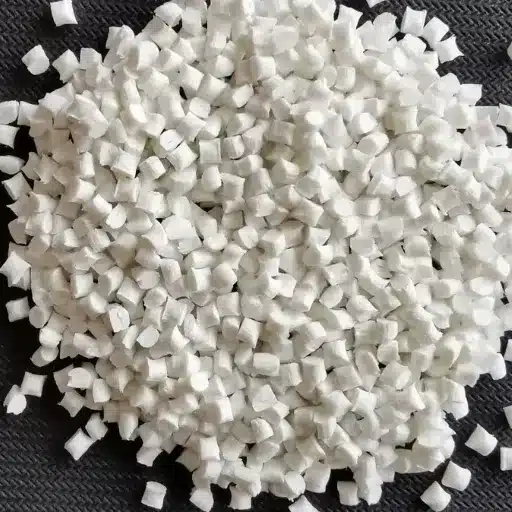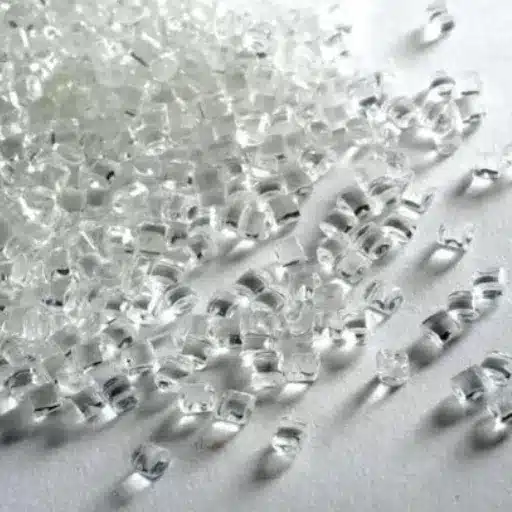
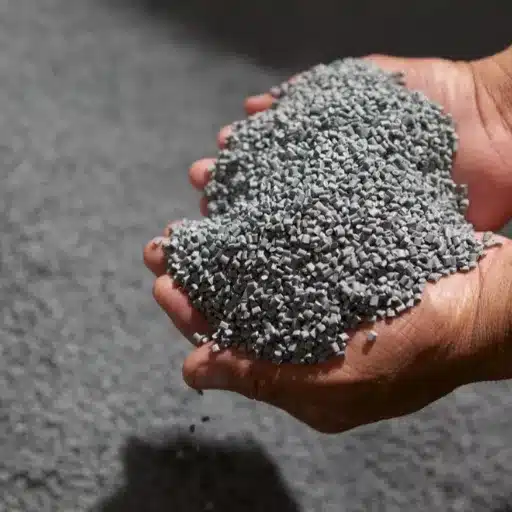
Among significant environmental issues arising in the present day, a menace related to plastic waste has taken the leading position, where tons of plastic wastes are used, abused and dumped into the environment. The recycled Polypropylene (PP) granules have been part of the solution in correcting how plastic wastes are managed in different societies and economies. Participation in these new techniques of sustainability and productivity optimization is within a circle drawn around innovation of these workability-enhanced materials or property-enhanced materials. This article strives to illustrate how such initiatives and complementary methods would minimize the toxic overload on the environment that recycled PP pellets can be utilized and the industries where such materials have been collapsing. For such purposes, an appreciation of these methods is necessary to understand the onset of ecologically sustainable production, use and disposal patterns to avoid environmental catastrophes and instead create capacities to fully exploit unwanted resources in the name of development.
Understanding Recycled PP Pellets
What are Recycled PP Pellets?
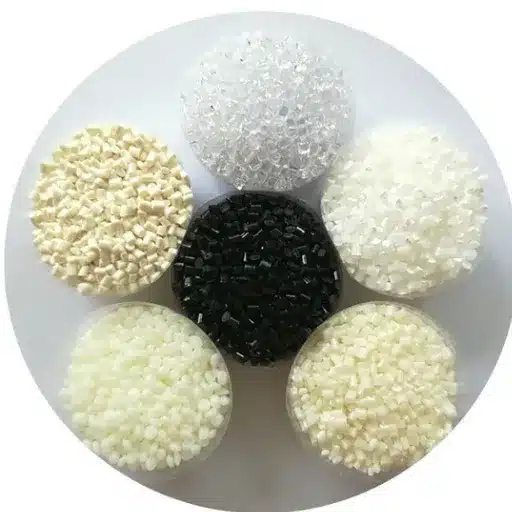
PP (Polypropylene) is a kind of themoplastic. Recycling pp is a way of bringing together old pp waste with useful applications for modern industries. These recycled polymers have a number of economically major advantages. It is suitable to collect and process waste (post-consumer pp waste, the most common, or post-industrial pp waste) and recreate it into resin pellets. The ability of Polypropylene to be both easily shaped and recrystallized while high temperatures make it a very desirable material for easy-to-make parts. This is the reason why such a material can be found in packages, goods, cars, and dresses among other items. The concept that the components may function as designed suggests that there is no reason for which they cannot be used in such areas. Most recycling processes include steps such as material separation, cleaning, size reduction and compounding of the materials. Design ease, and transparent flow of melt created by pressurized conditions, results in an output that is made of homogenized pellets of good quality. Most polypropylene recycled products retain almost all the virgin polypropylene’s properties, such as tensile and elongation properties, while reducing the utilization of virgin fossil based raw materials. In addition, in many examples, these have resulted in lowered GHG’s and lower energy expenditure than in the case of virgin production, demonstrating it’s importance in the utilization of maximum resources and eco friendly production processes.
Process of Recycling Polypropylene
To assure the quality of the resulting polypropylene, certain procedure are observed. This includes the collection feedstuff, which are in the form of waste from polypropylene products, and segregating them. Growing sorting means like a near-infrared scanner are being employed to the ascertaining of the location of polypropylene and other materials. This is extremely important in minimizing impurities in the repolymerized material.
Once separated, the polypropylene waste is sufficient for full removal of impurities such as dirt, grease or labels. Then it is taken up to the processing for shredding purposes. In order to further improve the measure of dispersal and allow for the uncomplicated handling and processing of these chips, their sizing is reduced to smaller particles better referred to as the flakes. This is followed by a melting process that is common in the industry commonly referred to as an extrusion where the plastic is heated, melted and remolded in to plaets or granules. Before the last stannding extruison phase there are some cleansing activities like filtering which is done to get rid of any traces of solvents.
Recycling plastic physically the conventional way has been known to see a boo[m hence the rise in the use of chemicals in the approach. To recycle plastics, methods are also known as animalians such as degrading or high-temperature thermolysis. In such methods, polyethylene is broken down into its individual units which can be then used to produce recycled material in the form of virgin plastic. It changes the aspect of reusability of polyethylene where mechanical recycling would be less practical due to contamination or breakdown.
These new techniques of recycling polypropylene will empower the manufacturers of plastic materials to employ extended range of available products for a similar end-use.
Benefits of Using Recycled PP
The use of recycled polypropylene (rPP) has many functionality, environmental, and commercial benefits, it is therefore an important element for promoting sustainability. Initially, through the addition of rPP in processing, the amount of polypropylene materials that are based on the fossil fuel production will significantly fall, in conjunction with the combustion of greenhouse gases and energy use in the making of the polymer. Anyone who has done this design can save up to 30% in carbon credits in the production of recycled polymers than using new ones.
The use of rPP is bound to waste management practices that put more plastics back into circular economy uses and hence prevent polypropylene from clogging up the landfills or finding its way to the marine environments / sources. This is of great importance given the current global emphasis put on controlling plastic pollution and protecting the environment in different ways. Recycled PP is quite resourceful as it can be produced either chemically or through advanced mechanical methods and still achieves the same characteristics while in virgin PP form. It boasts of very good standards measures of toughness, chemical properties as well as heat performance, which can be suitable for the purposes of industries like packaging, automobiles as well as in consumer goods.
The Environmental Impact of Using Recycled Plastic
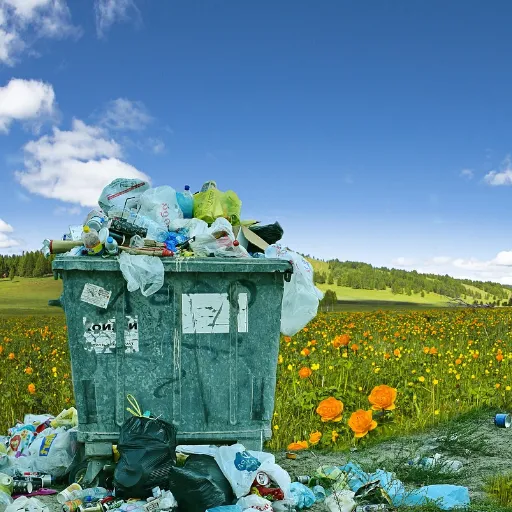
Reducing Carbon Footprint with Recycled Materials
Remanufacturing is a very useful process that can convert all wastes—industrial or not—such as plastics among others, before it is let loose in the environment to create worse problems. For instance, most plastics—polyvinyl chloride, polystyrene, phenolic plastic, laminates, etc.—are non-biodegradable. These are the materials that are most in need of remanufacture because only a very small percentage gets remanufactured. Moreover, we see a lot of these materials as waste that can never be re-built or reused in remanufacture when the fact is most of this waste can be entirely reused.
As more efforts are put forward to embrace the concept of the circular economy, the advantages of sustainability become amplified with the fact that everything can be recycled rather than just thrown away. Chemical recycling, a new method by which materials can be recycled has allowed for the capture of more top quality polymers with lower energy consumption compared to mechanical recycling. With these technologies coordinated in the most effective manner possible, companies are capable of implementing an industrial process that helps in combating pollution yet remains very strict especially on reducing the amounts of greenhouse gasses which the company emits for a specific period. Such inventive practices place them higher than the rest within the domain of environmental conservation and technological development.
Comparing Virgin and Recycled Polypropylene
Polypropylene without any additives is often favored to petroleum polypropylene. It has a number of advantages such as homogeneity, strength, clarity and many more which makes it a preferred polymer in many applications where cost is not an issue, or where the product has to be exceptionally good such as in automotive and packaging industries. Nonetheless, the extent to which environmental needs are met can be questioned since the process of production of fossil-based PP includes combustion of both organic and non-organic substances.
There are also setbacks associated with recycled polypropylene including the inability to get uniform quality. In fact, the mechanical properties are journal very advanced and in average perspective a mediocre quality always follows. This is also due to many factors such as contamination of the material, relating to the polymer degradation in previous service cycles or changes to the address of the polymer’s input varying the strength and appearance as well. However, practitioners in industries concerned with utilizing the least amount of resources find to advocacy for recycled pp particularly for uses that are unlikely to encourage high loads or reinforce sustainability themes in existing frameworks.
The decision in adoption of recycled polypropylene or virgin polypropylene often boils down to the requirement of the material performance and the environmental factors which also plays a major role. The industry is moving towards more integrated approaches by considering mixes with both virgin and recycled polypropylene to get a better mix of mechanical properties and a lower environmental effect. Besides, progression in the use of additives and resource recovery is bridging the gap and over time will further propel usage of recycled polypropylene in more applications.
Life Cycle Assessment of Recycled PP Pellets
Recycled polypropylene (PP) pellets are analyzed through the life cycle assessment (LCA) to evaluate the impacts on the environment at each stage from raw materials extraction to the processing at the end of the life of the product. There are lots of LCA projects that have documented how recycled PP pellets, in general, will emit significantly lower GHG emissions compared to those made from virgin polypropylene. It owes to the less energy-consuming extraction and polymerization processes experienced in the case when post consumer or post industry feed stock is bd. Another reason is the improvement in efficiencies and increase in recycling percentage through the use of updated configurations in mechanical, and chemical recycling systems.
Life cycle assessment provides an important framework for sustainability evaluation. Conducted analysis is extensive and captures energy, water and emissions uses. The production phase is in coordination with the whole value chain thus giving a true evaluation of the impacts in the whole life cycle.
Applications of Recycled PP Pellets
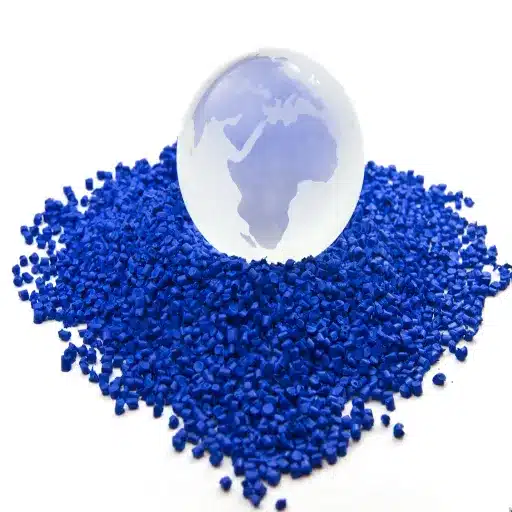
Industry Uses of Recycled Polypropylene
The uses of regenerated polypropylene (PP) pellets are extensive and particular in many areas across different sector because of their flexibility, endurance and low the cost of them. For example, when it comes to the automotive industry and the concern of the aesthetics of the interiors, a range of interior parts like dash, door and upholestry linings could be made from recycled PP because of the mass-saving and anti-wear properties of the materials. Likewise, recycled PP is very common in the packaging sector for the production of bottles, closures, and wrapping film that are environmentally friendly; that is to say, the materials are free from the environmental hazards and do not detract from mechanical and chemical characteristics. The construction sector also stands to benefit as recycled PP can be used to make thermal insulation panels, plumbing, as well as high strength geotextiles for the purpose of reinforcement of soil. Renewed appreciation of the conversion of thermoplastics has led to better grades of finished PP which are compatible with and satisfy the properties required by various applications. The pollution emitted into the environment is mitigated to great extent by the use of recycled PP across these sectors; which halt for the adoption of associate principles such as sustainability and efficiency of resources.
Innovative Products Made from Recycled PP
Today, recycled polymer-based composites are everywhere. These composites are used in aerospace, automotive, construction, and other industries, where stiff but lightweight materials are needed. They are used to provide floor and roof panels and composite struts with the desired properties. These carbon-based composites are made by combining the polymer matrix with a carbon fiber reinforcement phase. The matrix material consists of both the thermoplastic resin and thermoplastic fibers in the form of non-continuous yarns.
Quite significantly, the recycled PP enjoys an ongoing popularity within the packing sector. Such packaging encompasses re-use of other materials into PP containers that are capable of being further reused, or into newly moulded pallets or crates. Besides that, the unavoidable recycling process precedes turning recycled PP containers into high-quality textiles, such as carpets. These steps are essential in aligning industry practices with the trends in manufacturing in the light of sustainable development. Such advances have helped in examining the performance of recycled pp without necessarily observing general environmental concerns for sustainable designs of products in the various sector.
Extrusion Techniques for Recycled PP Pellets
Extrusion is critical in the manufacture of products made from recycling the polypropylene (PP) pellets. There is a lot of gain and ability in recycling and extruding the process for waste polythene. The process entails melting the pellets under various temperatures such as about 150–155°C temperature control temperatures to a particular viscosity that is required to ensure the polymer flows properly in the extruder. Single-screw or twin-screw factor has two elements: what particles it can and what particles it can not. Nevertheless, it has further elements such as extruder settings. The twin-screw-extruders offer a high level of mixing and enhanced inclusion of fillers or additives compared to the single screw type-‘interfacial surface generator’ which is justified for accurate description.
To meet the performance requirements of products, the extrusion parameters are modified according to the bascist process tuned to another filial product. Take for example, appropriate processes may be employed for the creation of monolithic films, sheetings, or filaments whose mechanical characteristics are as an example, including both the tensile strength as well as the dimensional stability, equally and uniformly in all products.
Furthermore, extrusion techniques that are more effective also integrate defect monitoring in the course of their operations, where detectors are employed to relocate and tweak thermal and pressure constraints so that, most defects associated with the extrusion process like generated poses or melted particles in the die do not happen. Moreover, by securing such technological enhancements, not only does the use of raw materials increase, rather the relevance of recycled PP beads in the framework of present-day energy-efficient industry is also put into perspective.
Challenges in Recycling PP Pellets
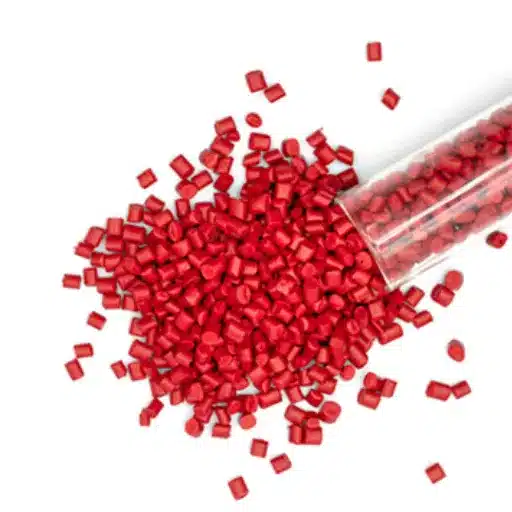
Quality Control in Recycled Plastic Production
Ensuring that recycled polypropylene (PP) pellets are as high quality as they can be for the variety of tasks they will be used in is a major concern in their production. Recycling calls for the application of advanced sources of sorting which in normal jargon is near-infrared (NIR) spectroscopy that is able to seclude even the most minute and stubborn undesired agents from the plastic waste stream. Another test, also normally carried out, is MFI test for appraising the homogeneity and the transformation quality of the recycled, blending, PP. These aspects of tensile strain at failure, elongation at break and water content of the assembled recycling product are also put on check so that the quality of the recycled PP is compliant with the industry performance requirements. Effective visual control systems supported by computational intelligence have been found to increase the accuracy and productivity of quality inspections through instant defect recognition. All these steps lead not just to guaranteeing the quality of the manufactured goods but also create confidence among final consumers towards the use of recycled materials and increase the application of such materials in the practice of ecological manufacturing.
Market Demand for Recycled Polypropylene
Subsequent demand for recycled polypropylene (rPP) has increased over the past years since the demands of people and organizations have shifted lifestyles. Wide range of existence of rPP and its application in the automotive industry, packaging and construction along with other users as protective capacity, sanitary and for standing specific environment conditions. As far as it is within the commercial limits, the rPP market’s potential for development will go $7.2 billion by the end of 2022. And therein, the CAGR is expected to range within 6-7 percent at an average for the next 10 years beyond.
Even more heightened is the rising customer preference who believe in the recycling process and have resolved to using alternatives other than virgin plastic. Similarly, many governments and international bodies have put in place different measures like the Plastic strategy developed by the European Commission, to encourage secondary plastic use. Furthermore, the strides in recycling technologies result in better quality and enhanced access to rPP, meaning the material complies with the set standards in various industries and will thus see the clear light of day.
In view of the above, more attention is required in the packaging industry as it plays a pivotal role in satisfying the demand mostly attributed to the shift towards green packaging and expectations for paper, steel, packaging, and other products. In a push to meet emission reduction targets, carmakers have started using rPP in the additional vehicle design and non-structural parts. These quick changes and these segments represent a situation where recycled polypropylene is used to address global sustainability objectives in technical and business steps is clear.
Overcoming Barriers to Recycling
Polypropylene recycling faces a number of difficulties including their tendency towards deviating in quality, especially due to contamination. Among the kinds of contaminants that can be found in recycling processes are left over food elements like take out containers, interfering polymers, linked throwaway items such as wrappers, and others. There is hope because henceforth, new advisable technologies such as near-infrared (NIR) spectroscopy and machine learning (ML) enabled sorting machines are being used to deal with it. With proper choices, degradation of polypropylene here can be drastically reduced by enhancing the recycling each stage.
Moreover, the absence of universal devices for the sorting and collection of the waste hinders the process in a significant way. As a result, most areas suffer from what the experts call “plastics famine”, due to lack of sorting and processing facilities for plastic and the recycling levels are lowered. Collaboration of bodies of the public sector with private business structures as well as civic associations is needed in order to support the development of the recycling facilities in the regions, introduce the practice of extended producer responsibility (EPR) and inform consumers on how to act when throwing products not needed anymore.
It is just as crucial to stress the importance of real efforts to enhance the economic viability of recycled polypropylene (rPP). This is because it happens a lot for recycling processes to be less viable and more costly in relation to producing virgin materials. Such efforts towards developing appropriate energy efficient chemical recycling methods viz; the initiation of depolymerization techniques that convert plastic to monomer illustrate reduced energy consumption in the processing and improved material quality if requiremtns. By tackling the feasibility and cost of recycling, these were the factors that when resolved would only bolster and scale up the polypropylene recycling solutions for containers as a way of reducing plastics in the environment Starikova et al., 2014.
Promoting a Circular Economy with PP Pellets
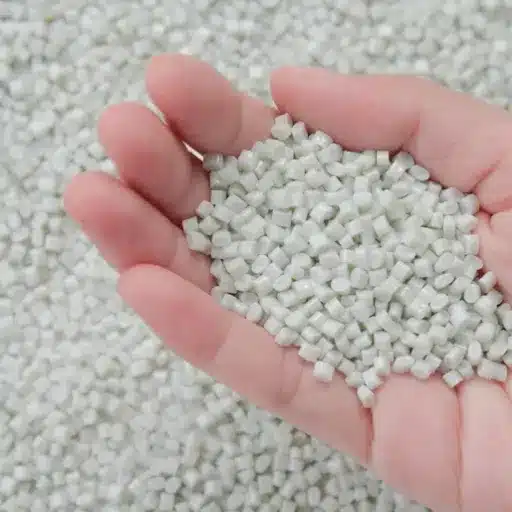
Strategies for Enhancing Recycled Plastic Use
I would like to highlight that in this regard of usual plastics subjects, where PP is at the forefront – pellets, for example since there is no recycling technology in the country. The approach that would work in this case is the use of advanced technologies and the improvement of logistics processes. The most crucial investment would involve the introduction of modern separation and purification equipment that enhances both the quality and cleanness of the collected polymer material ready for recycling. Techniques like optical or artificial intelligence-inspired separation are able cut applications like PP which makes the content being recycled cleaner and more useful with diverse products. It is also critical to design enablement that can engage manufacturers help in the fabrication of their products with these principles, such as the development of packages made of one kind of materials that are easy to be separated and recycled.
In addition, it is my goal and wish to carry out the encouragement of the development of sophisticated chemical recycling approaches. Unlike mechanical recycling, their biggest distinction concerns how effectively can such type of recycling break down polymers at an atomic level restoring their properties as seen in their original form. This implies that not only would it be possible for incorporation of recycled PP in substances, but also the problem of contamination would be greatly reduced. Effective promotion and scale-up of these technologies will require a collective effort on the part of government and industry. Support measures made available for these actions may include financial support, tax breaks, or basic scientific research grants.
Lastly, I forget, a dynamic market that will facilitate trading recycled materials is not optional due to strong reasons. I personally think that a way out can be found in the adoption of stringent regulatory measures like prescribed percentages of the use of recycled materials in products, which may have the effect of increasing the demand of PP as a raw material. Beyond that, awareness campaigns and industry cooperation deal making the inclusion of recycled materials in operations can be advanced. With these strategies in place, it is possible to promote a system of recycling that lessens the needs for raw materials, minimizes harm to the environment, and most importantly, offers hope for a sustainability enriched world.
Role of Legislation in Promoting Recycling
One critically crucial element for having recycling efforts escalated is the legislation. I had argued that such laws and regulations play a two-pronged role by providing the backing structure for individuals, business and industry sectors to behave more than debris acts from the society but to recycle, instead, emphasizing aggressive policies. EPR (Extended Producer Responsibility) for example are policies where manufacturers are responsible for managing their products after they have been consumed, these laws are geared towards increasing recycling rates of materials that are recyclable. This will definitely reduce the amount of waste generated in the state but at the same time the aspect of recycling will be this, in that of the use of resources. For such measures to be carried out, regulations will allow for industrial polluters to carry elements of their practices in a more eco-conscious manner.
Besides, legislative action enables the establishment of uniform recycling regimes, a most important factor influencing the achievement of a situation. Diverging approaches in waste management programmes in different regions often cause misunderstanding and misuse. If the country or states have any useful rules on how to dispose of waste, things will be much easier for everyone. Recycling will become more modern and comfortable for society, if use a common language. tax breaks and grants that will be provided to the companies that resort to secondary resources can significantly ease the exposure of barriers to recycling in different economic sectors. These concerns work towards reaching environmental objectives without compromising on whether it is viable or not, , by amending the existing structure of pricing.
Finally, in my view, at least, appropriate recycle mandates placed in national law are just as, if not more important or as enforcement of laws to do with education in the public sector. For instance, if there are regulations the countries, states or organizations have to follow for their waste management processes that involve solid waste education and awareness, the proportion of individuals that actually participate in such activities and the amounts of contamination in the same fibers are well controlled and monitored. Besides, there should be dissent towards apathy towards the laws, though citizens must have strict sanctions to fulfill the duties their beloved country is counting on. In the end, it is an elaborate system that is institute, which laws combat recycling or make it one of the ‘safest distant’ activities within the system.
Future Trends in Recycled PP Pellet Usage
It is my belief that the use of recycled polypropylene (PP) pellets will see a significant growth in the near future, given the rapid progress in recycling and environmental policies. A transition is underway in many countries towards the development of circular economies, which drives industries to source and utilise materials that are environmentally friendly, and PP is one of the first options due to it being economically and functionally usable. It is possible to further improve the recycling of PP including the inlet and extrusion processing procedures start employing other materials with recycling aids, like various other polymers.
When we delve into the contemporary issues of extending product life-cycle, particularly product design, factors that contribute to the reduction of waste and subsequent environmental degradation will be identified. For example, we now enjoy the consumption of products in a manner where they are temporarily useful and instead ensure that the product outlasts its useful life in light of rapid product obsolescence. Clothes: the second biggest source of micro plastics in the ocean – including synthetic fleece jackets, yoga pants, polyester clothes and swim wear- can release aromatic compounds which are more harmful when disposed as waste in our local landfills.
In the future, I predict increased use of innovative processing methods including artificial intelligence and machine learning during the sorting processes which will help to produce recyclable PP of better quality. Eventually, coalitions involving public officials, the business community, as well as the public will likely cause a faster spread of recycled compounds, including PP granules, as components of numerous branches of the economy. This is a good sign that recycled PP will be going somewhere, and that will be a sustainable future without wasting materials.
Reference Sources
- The Case Study of Opaque PET | Universitat Politecnica de Catalunya – Explores upcycling waste streams, including polypropylene, for better recycling outcomes.
- Designing for the Circular Economy | Wharton, University of Pennsylvania – Highlights innovations in recycling polypropylene and polyethylene for circular economy applications.
- The New Plastics Economy | Middlebury College – Advocates for implementing circular economy principles in the plastics sector, including polypropylene recycling.
- Assessing the Environmental Footprint of Recycled Plastic | ScienceDirect– Evaluates the environmental impact of producing recycled polymer pellets using life-cycle assessment.
Frequently Asked Questions (FAQs)
Define recycled PP pellets and explain how the recycled PP pellets can be produced?
Recycled pp pellets are essentially polypropylene granulates, which are with the help of plastic materials been made by the consumer or unused plastic remains or scrap material for example post-industrial waste streams filled. These are used as materials to undertake molding, extrusion processes or other processes. It involves the sequence of plastic waste separation, cleaning, fragmentation into pellets, heating, and converting grains of the waste into the recycled polypropylene which would work for the purpose needed. These particles can be made from PCR; (post-consumer use) or from industrial by-products such as extrusion scrap and can be mixed with pure pp to add stiffness and control the mfi of the resulting product for injection moulding or forming. Using recycled content is thus more sustainable because it prevents new plastic from being wasted in landfills and in most cases feeding. Recycled pellets that are of a good quality have been developed that seek to mimic the introduction of polypropylene into very many applications.
Can injection molds and other tooling processes be molded using recycled PP pellets?
Indeed, pp recycled pellets form a constituent in the end products of various packaging goods and consumer goods manufacturing processes which involve injection moulding, extrusion, thermoforming and moulding. In the case of injection moulding, the essentials namely density, mfi and impact resistance are examined by the processors to confirm whether the recyclates can mold as well as possess/envoy the part quality. Most of these compositions are specifically formulated to be adaptable to making bottle tops, pal boxes, car body panels, etc. and other consumer goods thus offer an affordable alternative to virgin polypropylene. There are also companies that offer masterbatch and compounding substances meant to introduce color, enhance mechanical properties, and improve the durability of such pp compounds for particular applications. So called secondary polypropylene is possible to achieve the same processing and finished product characteristics when it is mixed with only virgin pp or when additives also used at a very minimum level.
How do the mechanical properties of recycled PP compare to virgin PP or virgin polypropylene?
In most cases, the mechanical properties of recycled polypropylene rely on the quality of scrap coming into the processing line, the presence of added fibers, and the back-up of modification; however, virgin PP exhibits less variability. High-quality recycled pp and aliphatic polyesters as well as specialized grades such as reinforcement, fillers, and masterbatch may also supply the same impact strength, tensile strength, and low density for many applications but variations from non-homogeneous post-consumer sources are conventional. It is common for manufacturers to fill or reinforce carbon fibre or other materials with additives like glass in the form of fibre or easter and is also useful for injection molding parts such as automotive parts or engineering plastics. Also, evaluation of the mfi, the density of the molding, as well as preparing testing for the specimens under various conditions are very important to prove the suitability for the intended use, as well as to meet the performance levels without compromise, also known as sustainability without doing unacceptable performance trades. The application of certified PCR and the use of controlled injection processes two approaches to reducing variability and enhancing mechanical properties adaptability for a more extensive range of products.
Do recycled Polypropylene pellets have any Carbon content or Carbon fiber like pp pellets with carbon Besturgion fiber or Braskem GR605R-CF?
Certainly, this activity can be perfectly implemented by adding benzene or carbon fiber into the recycled PP pellets. This include recycled pp pellets with carbon as well as many other products such as BRASKEM GR605r-CF which could be hardly attained in the past resp. provide solutions in the design of arbitrarily integrated components thanks to the widespread use of plastics. Recycled compounds with carbon fiber or pp pellets with carbon fiber offer a serious suitability for usage in the applications for example which are the automotive parts and intellectual property which is mechanical equipment of the living space. These compounds are still aimed at maintaining the lightness as well as the normally desired properties of low density, water resistance, and impact strength for polypropylene parts. The application of such materials enables manufacturers to reduce the use of virgin plastics in applications of high processing conditions. Composers are advised to ascertain distribution, graitation, and aesthetics with respect to injection- joulding machinery and other processing equipment in the course of using carbon-infused compounds.
What are the notable applications for reclaimed PP pellets and what is their most expansible utility?
Such feedstock pellets can be found in many packaging and household products such as packaging agricultural products in crates, capping bottles wherever they are, for storage in tare boxes and for making molds for thermoforming. Additionally, they are used in the building and automotive industries and furniture making for parts not particularly critical to safety systems. These materials are cheap and pretty light hence making them a reinforcing type of resin for many uses like soft polymer processing or hard processing of parts as well as dies casting pellets. There is a level of high-quality recycled and post-consumer granules which has been made possible with the goal of achieving environmental objectives within the packaging and consumer goods much without blowing a new plastic in every instance. No new plastic is needed for every application as a result of waste utilization and use of pp recyclates and pcr compounds is suitable as a starting material for additive processing through injection molding and special molding. These materials are applied in numerous fields due to good performance, durability, and sustainability characteristics that they have.
How do recycled PP pellets contribute to sustainability and reduce carbon footprint?
The usage of Polypropylene Copolymers pregulin reduces the dependency that is applied on virgin sources of plastic while also promoting the virtue of a closed loop in a circular economy where resources-such as plastic waste – would not accumulate in landfills but rather, the need of them is greatly reduced at large. More then that, the use of Recycled Content and in addition the application of the principles of green manufacturing result in lowering the carbon footprint of goods, giving a green and responsible for the environment variation which would further the achievement of the objectives for corporate social responsibility. It is possible for manufacturers to adhere to sustainable objectives by the inclusion of PCR, thereby, taking into account high-performance recycled pellets and / or regrind and yet limiting implement overuse of the environment. By the way, by the means of adding the above mentioned compounds and masterbatches to improve polimer,”recycled” variants can be also resulted in addition, “modified” variants could be also made, as brands can use sustainable raw material and still have it effective on performance and aesthetic requirements. In general, recycled PP pellets can promote more sustainable practices in packaging, consumer products and even in industrial applications.