The use of High-Density Polyethylene (HDPE) plastic pellets has made the production of materials smoother, and easier, among various industries. The material offers amazing power, enduring quality, and flexibility which resulted in its wide acceptance in every kind of industry. This paper presents an examination of the use of HDPE pellets in the context of the durability and the flexibility improvement of the materials, thus being the major factors in the feedstock in the most modern manufacturing and design. HDPE Plastic as such has been the chief ingredient for many applications since it can be easily molded to any form and still retain its tough qualities. Whether you are a product developer, manufacturer, or a curious innovator, this blog is your guide to understanding how the HDPE pellets are splendidly contributing in the making of the coming age materials and are thus being the automatic choice of the industries which ardently want to put the environmental factor on a lighter side without lowering the aspect of good performance.
Introduction to HDPE Plastic Pellets
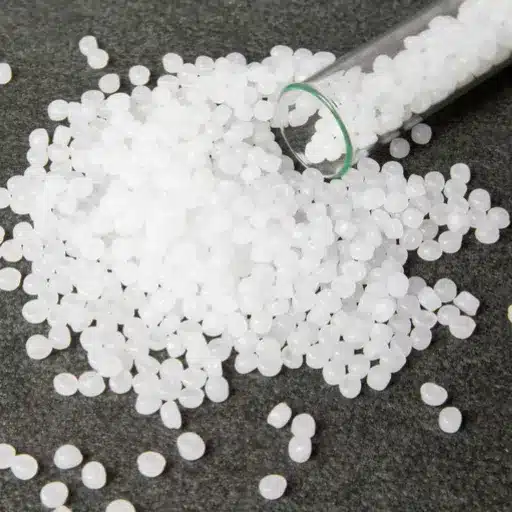
What are HDPE Plastic Pellets?
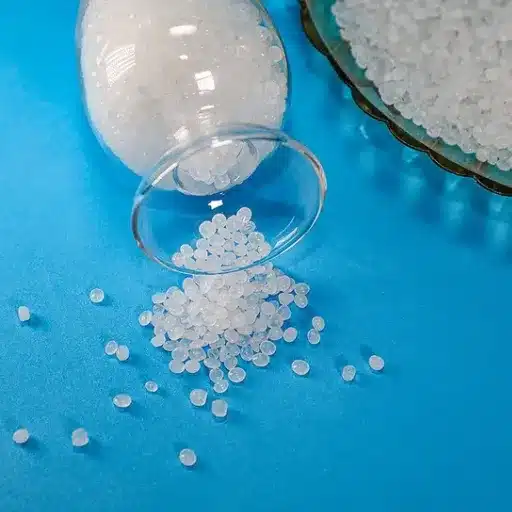
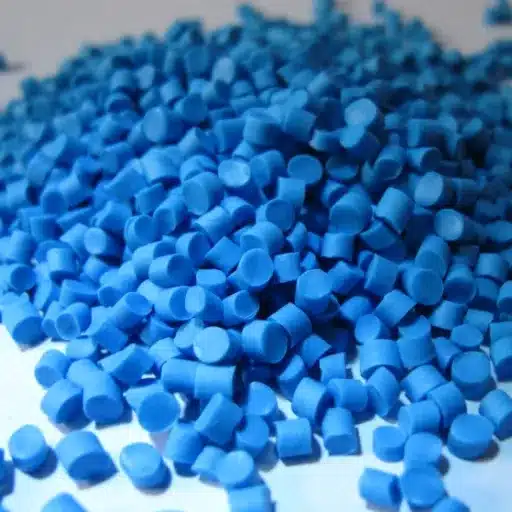
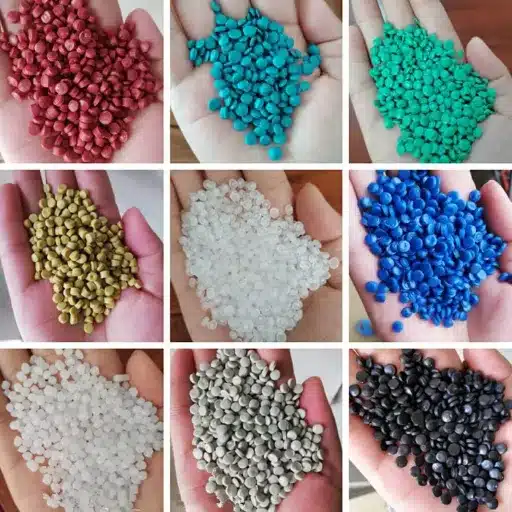
HDPE plastic pellets are small, solid granules made from high-density polyethylene (HDPE), a thermoplastic polymer known for its robustness and versatility. These pellets are the primary form of HDPE material that is used for melting and molding into various products. They have a unique strength-to-density ratio that makes them very light but at the same time very strong, so they are able to resist high impact, chemical exposure, and temperature variations. The industry makes use of HDPE pellets for various applications like automotive parts, medical containers, pipes, and also for eco-friendly packaging solutions. In addition to that, HDPE pellets can be recycled, which is in line with the sustainability goals and at the same time they do not lose their strength and utility in the process of production.
Properties of HDPE and Its Density
Among the most important facts we can say about High-Density Polyethylene (HDPE) is that this unique material displays very special and remarkable properties. Its density is mostly situated between 0.93 and 0.97 g/cm³, and it is therefore one of the lowest among all common polymers. However, it still presents high strength and durability. The excellent balance of these properties leads to a very favorable material that is light in weight, simple to work with, and particularly adapts to those areas where both impact strength and stiffness are required.
The tensile strength of HDPE is due to its very high weight, which is the reason it is used in such difficult applications as industrial piping systems, fuel tanks, and heavy-duty packaging. Furthermore, the plastic resin does not absorb moisture and is not easily affected by chemicals, which makes it more durable when used outdoors and in industry situations. HDPE is not just stable but its stable under a wide range of temperatures, from freezing conditions to moderate heat; therefore, it performs consistently even in different climatic settings. Meanwhile, these properties in addition to the recycling potential still put HDPE as a material of choice through numerous industries that are environmentally conscious and cost-saving.
Types of Plastic: Understanding High-Density Polyethylene
The unique characteristic of being both strong, durable, and eco-friendly makes High-Density Polyethylene (HDPE) a well-liked material in diverse industry areas. The most typical use among them is found in the packaging sector, utilizing light but strong nature in the making of different containers types, such as bottles, caps, etc., thereby minimizing both waste as well as shipment cost. Additionally, HDPE plays a crucial role in the water, gas, and wastewater piping systems, as it is not susceptible to chemical attack that easily causes corrosion and thus is capable of lifelong and dependable performance.
Construction is yet another sector which takes the advantage of HDPE using products like geomembranes, that is, asards for landfills, canals, and reservoirs, thus giving a robust answer to the environmental safety needs. Thus t is no surprise that among the more common metallic materials are also foundixes MSDSs that are not one bit more toxic than others. Also, medical implant devices made of biocompatible metals (those that do not adversely affect body tissues or cause harm by releasing toxic compounds) possess these categories as well. Biofunctionality and biocompatibility are closely related concepts although from the given information, it is only biocompatibility that is stated explicitly as a requirement.
Common Uses of HDPE Plastic Pellets
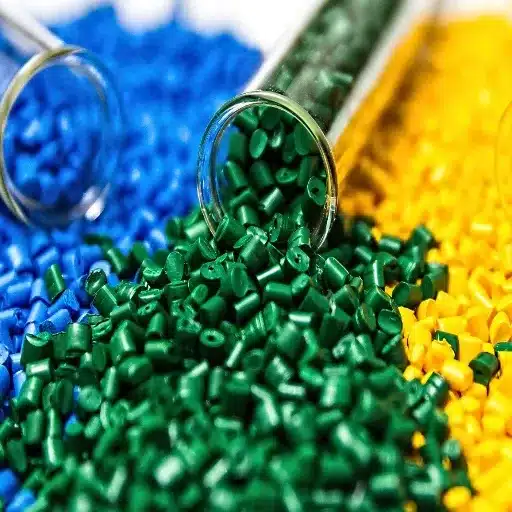
Applications in Packaging and Containers
The production of sturdy and environmentally friendly packaging is where HDPE plastic pellets are mostly used, becoming a preferred material in a wide range of industries. Their top-notch mechanical strength and ability to hold up against corrosive agents assure the trouble-free storage and movement of goods, especially in the case of food and beverage packaging like milk bottles, juice containers, and cereal box liners. The same features also factor in HDPE being a perfect material for the purpose of industrial applications such as the manufacture of chemical drums and packaging of automotive components.
HDPE, on its recycling ability, adopting hazardous waste management for the development of packaging sources that can be used again and again in compliance with sustainability aims and its part is also recyclability as well as its recyclability. Lightening up HDPE packages came with advanced designs that both reduced the usage of materials and made them lightweight, while retaining the same strength, which by and large resulted in lessening both the cost of transportation and also the carbon footprint together. What HDPE is also able to do is to be a material that is able to withstand temperature and UV rays right in the middle of exposure which additionally contributes to its application in outside storage and transfer of goods. The said properties are why the green brands are the driving force behind the use of HDPE, and nowadays not only are they the ones who are buying but also the packaging is echoing the sustainability standards that go hand in hand with high performance.
Construction and Industrial Uses
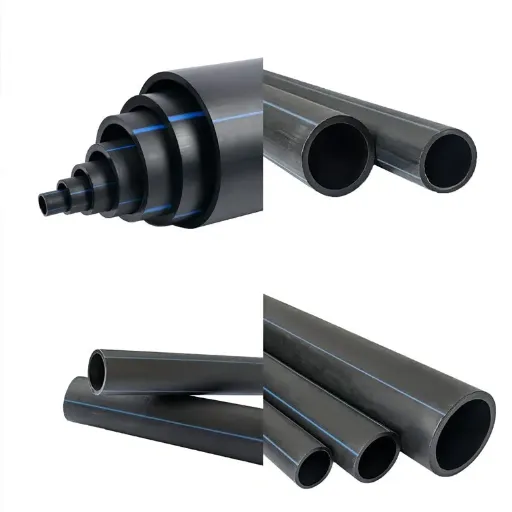
Because of its excellent strength-to–density ratio, durability, and chemical resistance, High-Density Polyethylene (HDPE) is now a fundamental substance in building and industrial areas. The easy to handle property owing to its lightweight lessens the cost of transportation, installation, and labor among others. Another feature of HDPE is its non-corrosive nature, which is very suitable for the application of piping systems in water supply, for example, sewage and chemical chemicals too.
One of the ways through which consumer goods industrial design has been transformed is the production of HDPE (High-Density Polyethylene). The introduction of new variants of HDPE, with corrugated pipes being one of them, has lead to the products with the capability to be used in underground situations, having more weight under them. Moreover, the HDPE pipes’ capability to change their shape under pressure makes it hard for them to crack or break, hence their use for the high-pressure systems. In addition, HDPE sheeting is frequently put to the test by the impact resistance of the material that gives it a cutting edge, the usual scenario is the usage of it in construction in the form of barricades, liners, and ground stabilization. By incorporating these properties, the product is basically never-ending, and in that case, it would be uneconomical to dispose of what is still of use, so industries that consider the eco-friendly and economical side will gain long-term benefits and en route, they will have the commodity as the mainstay in the green design industry.
Role in Consumer Goods Manufacturing
High-Density Polyethylene is a key player in the creation of consumer goods since it provides a mix of toughness, versatility, and lower costs. Its characteristic of being light in weight and tough at the same time makes it a perfect choice for manufacturing common stuff like reusable plastic containers, household storage solutions, and toys. The material’s water and chemical resistance on top of its other positives make it irreplaceable in things such as detergent bottles, shampoo containers, and food packaging, hence confirming the safety of the product for long times.
In addition, the recycling of HDPE helps the environment because it means less waste and thus material for the consumer to feel guilty about, since friendly aspects of a product. Plastic is never finished up cycling its life. At the same time, its malleability can lure the most reticent consumer into the ranks of recyclable packaging products. Help even the most skeptical consumers to feel what they are part of the solution. At the same time, applying cosmetics in packaging will no longer be considered a hygiene issue.
Moreover, HDPE’s ability to be recycled makes it a positive factor in the making of products for the consumer and not the earth. Brand positioning would definitely proceed favorably this way along with all the ecological aspects. Of the few that cannot avoid the brands now, consumers will reject most that are less concerned about the environment, since they have the most to gain from producers who do.
Advantages and Disadvantages of HDPE
✓ Benefits of Using HDPE Plastic
One of the biggest advantages of HDPE plastic is its unique combination of properties, including durability, light weight, and environmental friendliness, which allow it to be widely used in various industries. With its high strength-to-density ratio, HDPE provides excellent impact resistance, which is why it is used in construction materials, automotive parts, and protective packaging. The low weight of the material is a big advantage that results in lower transportation costs and less energy consumption, which in turn leads to high business operational efficiency. In addition, HDPE has an exceptional resistance to chemicals and water, thus ensuring a long-life span even in the toughest conditions like industrial environments and medical equipment.
Another major benefit of HDPE is that it can be recycled, thereby aligning with the growing global interest in sustainability. Very recyclable and reusable, this plastic can be the raw material for new piping, container-like, or construction items, therefore, decreasing the demand for newly extracted materials. Moreover, HDPE’s characteristics like non-toxic and food-safe are a primary reason why it is a preferred choice for kitchenware and beverage packaging manufacturers who want their products to safe for consumers and the environment at the same time. It is thus only a matter of time before HDPE replaces obsolete plastic choices in food packaging, even its competitors would agree. Such a system, not only solves the packaging issue but also embodies the true spirit of recycling. Food waste and packaging materials are being dealt with at the same time – a real achievement in waste management.
⚠ Limitations and Environmental Concerns
In spite of all the good qualities HDPE has, there are certain drawbacks which include its use and the environment. As it can be recycled, some of the most common practices like improper disposal and low recycling rates in a number of areas result in pollution that happens only in certain aspects, with the situation changing more and more for the worse, especially in the case of the ocean environment where the trash is slowly coming from the water. Furthermore, the major input in the production of HDPE is petrochemicals, which are non-renewable resources leading to more and more greenhouse gas emissions as a result of their use in extraction and processing. There is also concern that microplastics will be released as HDPE products decompose, posing a risk of uptake by both wildlife and humans over the long term. All in all, addressing these issues requires a multifaceted approach that includes expanded recycling schemes, improvements in non-plastic polymer technologies, and increased public awareness of appropriate waste management practices. Hence, the drawbacks of HDPE will be addressed, and its day-to-day uses will not be affected if we address these matters directly.
Comparison Made with Other Forms of Plastic
| Plastic Type | Key Characteristics | Common Applications | Recyclability |
|---|---|---|---|
| HDPE | High strength, excellent durability, chemical resistant | Pipes, containers, heavy-duty packaging | Highly Recyclable |
| PET | Lightweight, transparent, less robust than HDPE | Beverage bottles, food containers | Recyclable |
| PVC | Strong, contains additives, environmental concerns | Construction materials, pipes | Limited Recyclability |
| LDPE | Lower density, more flexible, less durable | Plastic bags, films, lightweight packaging | Moderately Recyclable |
On various grounds, high-density polyethylene (HDPE) emerges as the most durable and best-performing plastic in the group with respect to weathering, among the most widely used plastics. To illustrate, polyethylene terephthalate (PET), which is often used for beverage bottles, is an extremely light material and is also recyclable but it cannot compare with the robustness of HDPE and therefore it is less suitable for such applications as the manufacturing of heavy-duty containers and pipes. On the other hand, polyvinyl chloride (PVC) which is the main material in construction, has great strength but at the same time it has some additives to which the environment and health might be exposed either during production or in case of discarding.
In addition to that, even though low-density polyethylene (LDPE) has some chemical characteristics in common with HDPE, its lower density and pliability render it a better option for the production of very light packages like plastic bags and film. Nonetheless, LDPE is the least recyclable polymer because its recycling market is very unstable and it requires more sophisticated processing. On the other hand, HDPE’s recycling potential, and its adaptability to different applications are the two major factors in positioning it as a first-rate material for multiple industries, starting with packaging and going up to construction.
The comparison of these two types of plastics shows the key advantage of HDPE in terms of the material’s strength, durability and recyclability, which makes it an environmentally preferable choice for industries where both sustainability and performance are valued highly. They help the incipient state of the recycling process and make the finished product more attractive to the consumer.
Recycling and Sustainability of HDPE
Processes Involved in Recycling HDPE
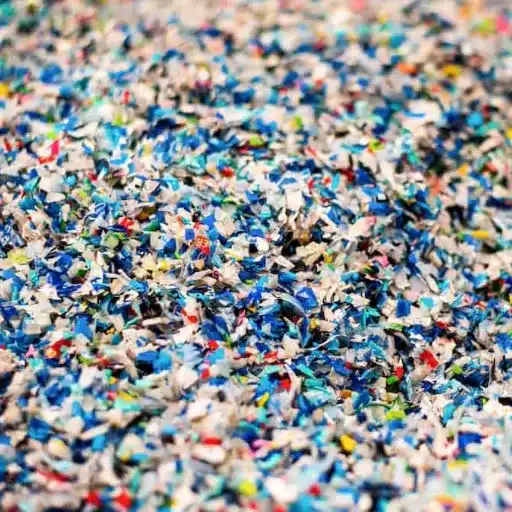
Recycling HDPE involves the steps that are made to be many in number so as to optimize production, making the quality of the final product high enough for universal use. These steps are usually conducted with the collection, where HDPE products like soda bottles, jars, and water pipes are taken from various waste sources. Next, materials are meticulously checked to differentiate HDPE from other entities, with the help of man-power, machine sorting, or simply by using density properties.
As soon as the items are separated, they are put through a cleaning process which gets rid of any contaminations, partly-removed materials, or labels that can negatively affect the recycling process. This step usually includes the use of special cleansing agents or the application of mechanical agitation for a deep cleanse. The cleaned HDPE is then cut down to tiny bits or pellets which are put through the further processes of screw extrusion and re-pelleting to come up with the homogenized material that is reusable.
Advanced technologies have been integrated into modern recycling practices. These are infrared spectroscopy and chemical recycling. The latter is used to separate HDPE into molecules that can be reintegrated into manufacturing cycles. Not only does recycling become more efficient but also the environment is less affected and also the lifecycle of HDPE products is prolonged.
Using Recycled HDPE in New Products
By employing recycled HDPE in the manufacturing process, the supplies being utilized are efficiently re-utilized, which assists in decreasing the dependence on virgin plastics. Recycled HDPE has a broad range of uses and can be found in various sectors like packaging, construction, etc. To illustrate, the material is a major factor in the production of items such as detergent bottles, pipes, lumber alternatives, and vehicle parts. Moreover, more and more manufacturers are mixing recycled HDPE with modern processing methods so they can still get the material’s breakage, long-lasting effect, and softness, which is required by the demanding high-quality production standards.
Recent advanced breakthroughs in recycling technologies that tend to be the most prominent drivers of the growth of the recycling industry led eventually to the production of recycled HDPE with mechanical characteristics almost equivalent to those of virgin HDPE. In practice, it can be employed in much more demanding applications which, like, medical-grade products or high-pressure water pipes, were conventionally believed to be highly dependent on the virgin materials. Moreover, the drive towards the use of recycled HDPE is frequently in line with the objectives of corporate sustainability, thereby companies can show their commitment to reduce the environmental footprints and adopt the practice of circular economy at the same time. This measures would not only help the planet, but also raise the level of influence of the brand and attraction for consumers.
Impact of Recycled Plastic on the Environment
Adapting the use of recycled plastic has a marked edge in environmental matters since it considerably lessens virgin plastic factory demands and greatly as well as decreasing plastic trash that piles up. For that matter, the manufacturing process from recycled material also takes up much less power if one compares it to new plastic creation, thus resulting in a much significant decrease in the release of greenhouse gases. The cycle very well plays an important role in sustaining the process of the whole cycle of a non-renewable resource– that is, petroleum, which is traditionally used in plastic production. Thus, and by the fact that the authorities divert the plastic from the landfills and the oceans, through recycling actions, that pollution is not only prevented but also the ecosystems are kept safe for each being within them. Such multiple facilities declare the critical place that recycled plastic has in the shift towards a more sustainable and environmentally friendly path of industries.
Future Trends in HDPE Pellets and Recycling
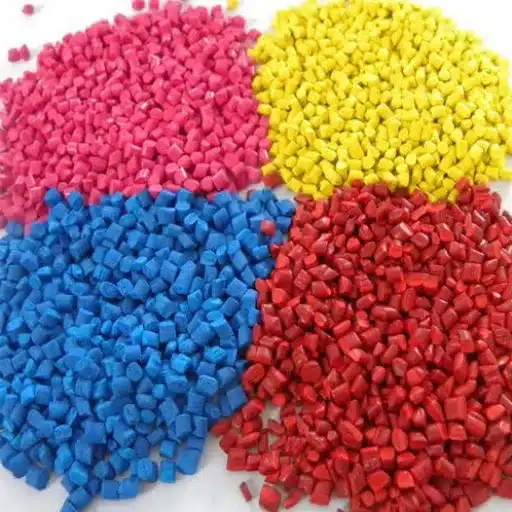
Innovations in HDPE Recycling Technologies
The research I conducted indicated that the advancements in the use of the High-density polyethylene (HDPE) plastics recycling technologies are changing the game in terms of plastic waste management by industries. One of the innovative ways of recycling HDPE is by implementing chemical recycling processes, which main function is to turn HDPE plastic into monomers, the material from which plastic is made. Mechanical recycling, on the other hand, diminishes the quality of the material with time, whereas with chemical recycling, HDPE allows to be transformed to its virgin-grade quality. This advancement is especially beneficial to the food packaging industry where high-quality recycled materials are a must-have to keep the safety standards in place. On the list of companies that lead in this matter, Loop Industries and Carbios have been among the few, introducing large-scale, more efficient HDPE recycling methods.
One more remarkable thing that is happening is the artificial intelligence (AI) getting more and more used in the recycling factories. The AI-powered machines are becoming very good at separating and detecting HDPE plastics with a very high degree of precision. The AI systems can make use of the latest vision technologies and machine learning algorithms and make the recognition between HDPE and the other polymers way more efficient than the conventional methods. So, there is higher purity of recycled materials while the contamination is lessened which makes the recycling process more efficient as the contamination is a big problem.
The essence of the last emerging technique, solvent-based recycling, can be brought out as the most promising solutio to complexity and challenges of mixed plastic wastes. The techniques apply certain solvents having the property of dissolving HDPE and at the same time leaving the materials inside unaffect without compromising the connection. Such changing methods when combined with renewables that would power the very recycling process and facilities, make it all the more probable that a closed loop in the HDPE sector will be createditerally the production cycle will be infinite. Thus, all of these great moves shall only mean that recycling has become very efficient and the earth is no longer at danger but plastic waste is actually being ecologically handled globally.
Market Trends for Recycled Plastics
In my opinion, the market for recycled plastics is changing very quickly, and it is being caused by technological innovations, laws changing, and consumers being more educated. One of the leading trends is the significant demand for post-consumer recycled (PCR) materials because various industries are adopting ecologically sustainable practices and having PCR plastics as a part of their product make-up. Like in packaging, automotive, and consumer goods industries, brands are more and more the ones that first use PCR plastics in reducing their reliance on virgin plastics and, very ultimately, to make the whole process circular. On the other hand, the governments and well-recognized international institutions are putting up very strong, recycling-oriented policies to ensure the recycling infrastructure is in place and the recycled content is in use through incentives and other means.
Another important development is the emergence of advanced recycling technologies, including chemical recycling and enzymatic depolymerization, that allow the more efficient handling of the difficult to recycle materials such as multilayered films and mixed plastics. At the same time, the quality and usability of recycled plastics are being changed through these innovations so that they can perform just as well as virgin materials. In the future, the material recovery rates and consequently the scalability of recycling operations will be significantly increased due to the ongoing progress of AI and sorting technologies.
It is the cooperation on the world level that is being done by the companies and the governmental sector that has benefitted the recycled plastics market to move up. At present, customers are showing an increased willingness to give their support to the brands that are proactively adopting the eco-friendly methods which have also made room for various new eco-friendly product innovations. I am of the view that, along with the Extended Producer Responsibility Initiative (EPR) and the Net Zero targets, a bright future lies ahead for the recycled plastics industry that is not only addressing the challenges but also meeting the demand for the sustainable substances.
The Indirect Benefit of Clean Waterbildung entsteht
I am certain that the more we recycle HDPE, the more we contribute positively towards solving environmental problems. One of the main benefits is the decreased amount of plastic waste that would be disposed of in landfills or even worse in the natural environment. Since HDPE is extremely long-lasting, it will stay on the ground for hundreds of years, thus recycling it is a way of both reducing pollution and preventing the harmful plastic waste from building up in the ecosystems like the oceans and the waterways. Reusing HDPE in new goods, instead of making virgin plastic, can also be considered as one of the means in which we can fight the escalating plastic pollution that is a threat to both wildlife and human health.
Increased HDPE recycling brings with it multiple advantages, among them a significant one in the form of the reduction of carbon emissions caused by plastic manufacture. Greenhouse gas emissions are the result of the use of vast amounts of both petroleum and energy in the production of virgin HDPE. On the other hand, recycled HDPE requires only minimal resources and energy and, hence, has a much smaller carbon footprint. Several researches show that plastic recycling causes 88% less energy consumption. This is a major milestone for the creation of a planet with zero-net emissions. The HDPE recycling process has gone through many cleaner and simpler phases of the valorization system in recent times which is an encouragement for companies to pass beyond the manufacturer’s role and assume responsibility for the entire lifecycle of their products.
Moreover, the increased recycling of HDPE plastic means the close-economy model where resources are redrawn rather than being thrown away will be formed. By using this method, not only will the non-renewable natural resources such as crude oil and natural gas be saved, but it will also lead to the enhancement of sustainable packaging and product creation through technological advancements. From recyclable bottles to building elements, HDPE obtained from recycling can be transformed into numerous profitable applications. The assistance of these recycling processes will give the companies and customers a chance to behave in an environmentally friendly way as well as to help both the economic and ecological problems at the same time.
Reference Sources
- The Ultimate Guide to HDPE Plastic Pellets – POM Material
Discusses the toughness, lightness, and chemical resistance of HDPE plastic pellets. - Understanding HDPE Pellets: Properties and Applications – Langgeng Jaya Group
Highlights the strength, chemical resistance, and durability of HDPE as a thermoplastic. - Degradation Assessment of High-Density Polyethylene – ScienceDirect
Explores the physical properties of HDPE, including its durability and chemical resistance. - Characteristics and Applications of HDPE Pellets – Angreen
Details the use of HDPE pellets in packaging solutions like bottles, caps, and plastic bags. - What Can High-Density Polyethylene Be Recycled Into? – Accel Polymers
Explains the recycled applications of HDPE, showcasing its versatility and durability.
Frequently Asked Questions (FAQs)
What are the applications of high density HDPE plastic pellets in the making of goods?
High density HDPE plastic pellets are heated up and then used in the processes of injection molding and extrusion to produce various items such as pipes, plastic lumber, and bulk bags. The main reason why so much of this type of plastic is employed is its features of high molecular weight and good tensile strength resulting in a high strength-to-density ratio and together with its impact resistance in a wide range of construction materials and playground equipment. These pellets find their way into many different production lines from the simple and small products like picnic tables to the non-stop production of HDPE pipe for water delivery. Since the thermal-chemical interplay hardly affects their properties, these pellets can be transformed through multiple sets of fluctuating temperature and pressure cycles without compromising their basic quality. By selecting the right type of HDPE, the amount of energy consumed and materials used in the various manufacturing processes can be minimized.
How are high density polyethylene pellets used in the production of recycled goods?
Recycled pellets pelleted out of the same pellets and high-quality recycled HDPE are frequently turned into HDPE containers or even plastic jugs and shampoo bottles, and recycling bins. The use of recycled HDPE plays a great role in the reduction of plastic waste as well as the decrease of virgin HDPE demand; thus promoting eco-friendly manufacturing and efficiently cutting off the energy use in plastic manufacturing. Recycled pellets can be used for the production of plastic lumber, outdoor furniture, and playground equipment that greatly benefit from the high tensile strength and impact resistance of the material. While recycled HDPE might have a little changed thermal property or color, the modern sorting and purification mechanisms are able to keep most of the original properties. For this reason, recycled HDPE is a very popularly recycled plastic primarily for the production of sustainable hdpe products.
Is recycling HDPE pellets possible, and what are the implications of recycling them?
HDPE pellets and their resulting products are commonly referred as a recyclable material while they are sources of slurry used in the paper industry. The notation of chemical wastes as opposed to reusable feedstock is the main issue in HDPE feedstock for paper production. HDPE is not only more environment-friendly than most artificial fibers, but it also happens to be a much cheaper and more versatile product. The decision to produce HDPE fibers or to use the pellets for paper production is difficult as the fiber is more environmentally compatible, although the recyclables may contain minor heavy metals such as Pb and Cd, and other contaminants in lower concentrations.
What are the potentially Pembina’s advantages over virgin resin?
Virgin HDPE Resin, White has a subtle and natural taste, and a solid color keeps its presence known throughout many recycling processes. Natural HDPE, as most of you would be aware, is the “virgin grade” with additional processing. Virgin HDPE has the advantage of high heat resistance and excellent chemical resistance. The high intrinsic viscosity of Virgin HDPE resin ensures high tensile strength and chemical resistance on the other hand, low density polyethylene is economical and easy to process but has moderate mechanical properties. Minor impurities such as pigments and antioxidants influence the processing temperature and the mechanical properties of linear high density polyethylene. It’s quite easy to work with HDPE – you can easily cut and weld it, or even form it. Moreover, recycling HDPE means fewer resources being consumed, less plastic being dumped into landfills, less pollution from processing and manufacturing, and so on.
What are the different types of HDPE and what are their main applications?
High-density polyethylene is widely used in many daily products, and among the most commonly known plastic items are shampoo bottles, milk jugs, water bottles, and non-consumer goods such as picnic tables, and playground equipment manufactured from plastic lumber. The general public is an HDPE’s beneficiary because of its resilient and durable nature, high tensile strength, impact resistance, and multitude of chemicals it resists; all these qualities make the products’ life longer and prevent them from leaching through normal use. Many high density polyethylene products utilize HDPE as a once-used material & therefore can be recycled, which leads to not only the plastics lower waste in conclusion, anthracite demand for virgin hdpe material. If one were concerned with safety and durability, then they would have to check the product labels for HDPE grade and whether it was made out of recycled HDPE or virgin HDPE, and this is always a good habit for food-contact items. Knowing where the material comes from and went through in the manufacturing process could turn the customers into sustainable and quality conscious buyers of HDPE products.