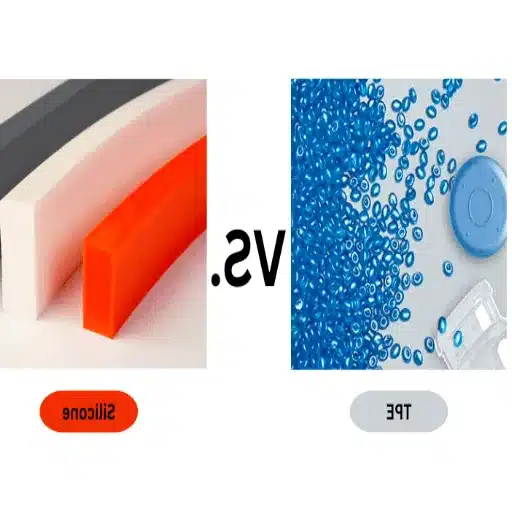
TPE (Thermoplastic Elastomers) and Silicone are two of the most used materials in producing both consumer and industrial products. It is the most excellent offer in the materials for products such as different kinds of materials, but still the properties of these materials are different from one another and even the same depending on the application. Hence, apart from the different parts of the medical industry and the maintenance industry, the consumer market and household designs are places where one has to know the difference between the two materials, either TPE and silicone. You are the person who will contribute to a cleaner and healthy society if you reduce the use of silicone materials through choosing TPE instead as it is the greener option. The present thorough comparison is made of the investigation of the most dispersed matter, one of the application settings, economic performance, and sustainability considerations.
Understanding TPE and Silicone
1 What is TPE (Thermoplastic Elastomer)?
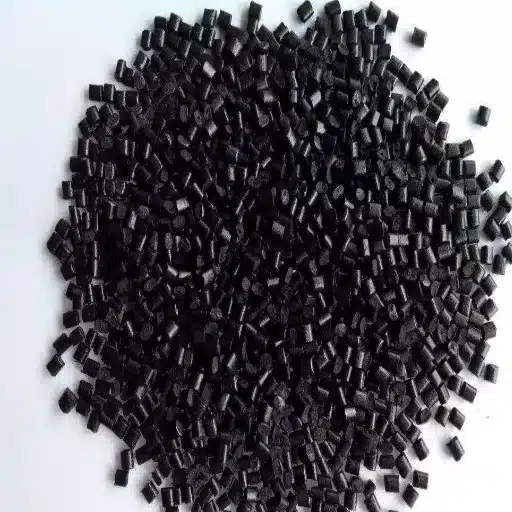
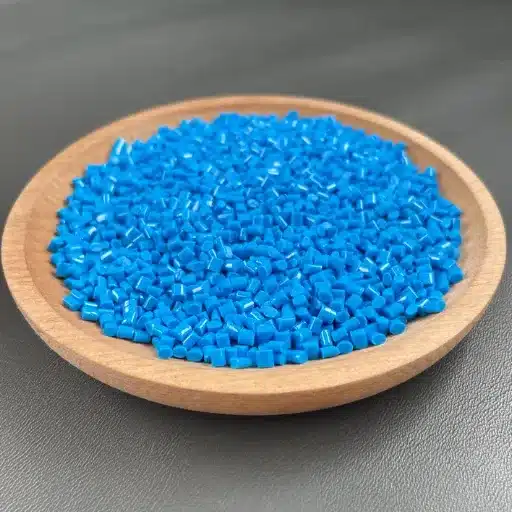
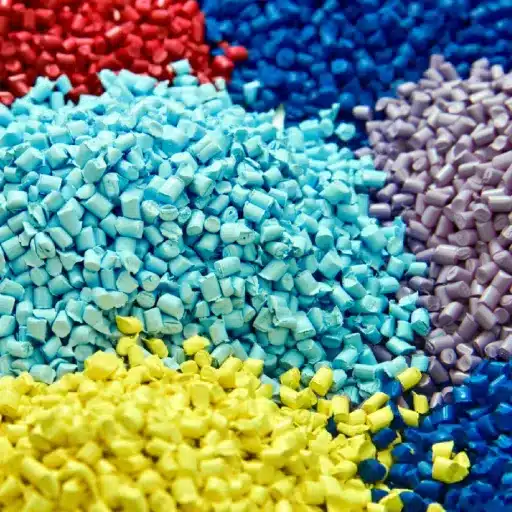
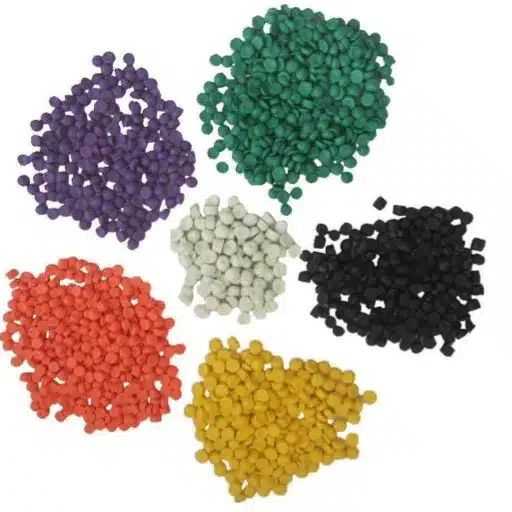
TPE (Thermoplastic Elastomer) is a material that is made up of a variety of polymer materials combining the elastic properties of rubber and the ease of processing thermoplastics. The molecular composition of a material is responsible for its ability to stretch, even in areas of high stretching, and then return to its original shape, that means that the material exhibits superior flexibility and resilience. TPE is generally favored for its multiple usages, as it can be either extruded, molded, or reprocessed through molding or extrusion like injection molding or extrusion. Its area of applications is quite large, going well into the automotive, medical, and consumer goods sectors. Moreover, TPE is excellent in outdoor, wear, and tear, and scratch resistance, and it is always lighter in weight, too. The option of changing its hardness, texture, and color, etc., additionally, contributes to its switch to diverse—industrial and design—requirements.
2What is Silicone Rubber?
Silicone rubber is a man-made elastomer that chiefly consists of silicon, oxygen, carbon, and hydrogen. Its baking quality has been the cause of its being used widely, consistently sustaining stiffness and mecanical qualities over a wide temperature span, usually from -60°C to 230°C (-76°F to 446°F). This feature makes it a perfect match for places with harsh environments. The silicone rubber can also be considered to be a material swimsuit, since it can be left for years of straight exposure to the sun, and the ozone and the chemicals without any sign of wearing out. This will help the outdoor as well as the very large establishments or production facilities to save on the maintenance of their equipment. Another reason is it is safe to use in medicine as well as in foods. Moreover, its biocompatibility and inert nature make it a candidate for medical and food-grade applications, such as medical implantations, tubings, and bakers. Lastly, silicone rubber is also good for the power of choice, getting molded into different hardnesses and colors, so the customers would have at their disposal their own unique designs with the help of the manufacturer. Its resilience, flexibility, and adaptability are why almost every inch of the consumer electronics, healthcare, automotive, and construction industries uses silicone rubber.
3Key Features of TPE and Silicone
Thermoplastic elastomers (TPE) and silicone are characterized by different unique properties which fit into a broad-based applications range and their combination can result in materials of even better performance. TPE is a kind of material that brings rubber-like elasticity and thermoplastic processing efficiency together. It is super flexible, has reasonably good tear strength, and, it’s recyclable which makes it an environmentally friendly choice. TPEs are notably abrasion and weather resistance and their different grades during compounding adaptability enables customizing them for different industrial needs specifically.
On the contrary, silicon is the best material for resisting the high temperatures that may vary widely (-50°C to 200°C or higher) depending on the formulation. These materials provide excellent biocompatibility, and good electrical insulation and chemical resistance to oils, water, and UV radiation. The combination of TPE and silicon (Si) material will enhance their composites by putting the best of their strengths together; usually, the composite will become more stable thermally, as in flexibility and also in the environmental change resistance making it appropriate for the implementation of such challenging applications as the production of medical and wearable technology and automotive components.
Comparative Analysis of TPE and Silicone

Differences Between TPE and Silicone
Thermoplastic elastomers (TPE) and silicone differ significantly in their makeup, process, and characteristics, with each being directed toward specific industrial needs. TPEs are block copolymers that have both thermoplastic and elastomeric properties, which means they can be melted and remolded more than once. This is why they are excellently suited for cheap mass production using the same old manufacturing processes like injection molding. Conversely, silicone is a thermosetting elastomer, and it cures into an infusible, stable structure that will not get remolded again if it is reheated. This one feature gives silicone impressive thermal stability but it also restricts its reusability.
Physical properties of materials are of secondary interest and become central points of distinction. While comparing the performance of plastics Silicone takes the lead in showing the highest level of thermal resistance. Silicone exhibits wide temperature resistance range from -75°F to 500°F (-60°C to 260°C), so it is greatly appropriate for high-heat places like engine parts and even kitchenware. On the flip side, TPE normally heats up the best but it is very flexible and cheap to produce. Other than the above, one more most valuable difference in terms of the property of the materials/chemical resistance; Silicone proves to be a hero in the presence of oil, water, and sunlight with an equal measure of UV radiation, on the other hand, TPE only gives fair but grealycal pppgrecomparatively est rat through chemical agents.
If we speak of material properties, an engineer could change the polymer mix in thermoplastic elastomers to tweak hardness and make finishes smooth to touch. This, in turn, is what gives TPEs the usability of designing ergonomic components. But when it comes to silicone, it carries a smooth surface that not only is hypoallergenic but is also the teeth of the medical application processes. In the long run, a decision for either TPE or silicone is an application requirement consideration that takes into account factors such as cost and benefits, material performance, and environmental constraints.
TPE vs Silicone: Burstiness and Perplexity
TPE and silicone are two elastomers with different sets of mechanical properties which allow them to be used in different applications. The features of TPE that are most attractive are extremely high elasticity and fatigue resistance. Fatigue resistance when the deformation of the material is repeatedly applied to it and the material never breaks down after the reversal of the load. TPE can be used in a wide range of applications if the degree of its tensile and tearing strength can be varied. This can be done by varying the polymers used in the blend. Because TPE is also very tough and has a slight ability to be saturated, it can be considered in a broad range of applications in building and construction as well.
Silicone, in contrast, is characterized by excellent thermal stability and durability covering a wider range of temperatures, mostly from -50°C to 200°C or more in specialized gradations. The additional characteristics of high resistance to UV, ozone, and oxidative aging make it one of the most reliable materials in case environmental conditions are harsh. Nevertheless, also in some cases the strength concerning the tear can be seen to be lower as created by the TPE’s, silicone with its higher elongation at break and compressive set resistance as a result, assures es starting n and gasketing supplies in the aerospace and medical fields. Different applications/features of TPE and silicone are presented, and the usage would really depend on the operational stresses, and the environment which the intended application to be used in, and the durability required thereof.
Temperature Resistance of TPE vs Silicone
Silicone, in contrast to TPE, offers excellent thermal resilience and almost always maintains its physical properties alongside a vast region of temperature changes. Assuming general production of the material, the use of Silicone can be safely done with temperatures around -50°C to as high as 250°C (or even more for the extreme categories), producing the best fit for surfaces with the temperature of extreme heat or cold. This is because of the absence of the carbon chain in Silicone, which in turn gives it a large number of bonds of the same strength and thus makes it very resistant to loss of bonds and growth of free radicals under thermal stress. TPE, by contrast, is a highly versatile material but only has a typical operating temperature range of -40°C to 130°C, depending on the formulation. This is because it is a thermoplastic substance, and it melts at very high temperatures easily and quickly. Nevertheless, due to the above-mentioned difference, Silicone very often becomes the number one choice for the industries of auto manufacturing, aerospace, and food processing, which, as a matter of fact, in some way, are associated with the application of the material in temperatures that are at the extreme limits. Normally, the engineer, by the combination of the thermal, physical, chemical, and microstructural resistance along with the application method, can have the material as the most suitable one for any given condition.
Applications of TPE and Silicone

Common Uses of TPE in Consumer Products
It is the combination of flexibility, durability, and reuse that renders Thermoplastic elastomers (TPEs) as a most sought after material in a plethora of consumer goods. Their ability to not only deliver the typical features of a softer touch but also provide a better anti-slip property is what makes them very suitable for cutlery, hand tools, kitchen utensils, and even personal care items – such as toothbrushes. Moreover, shoe wearers are grateful that they get to enjoy the same level of comfort and performance enhancements at the same time because of TPE being a part of the insoles. As to the wearables category, the fact of being material lightweight and the capability of being shaped in any way possible make Thermoplastic elastomers a top pick for making different parts and components of wrist worn devices – among them fitness trackers and smartwatches. In other words, one could only be silently walking by without even noticing a huge presence of TPEs in the packaging of goods, because it is a material that coexists well with all types of containers, as well as offering top-notch sealing properties. The reason for this flexibility and superior fatigue life is the energy dissipation and the compatibility of TPEs with different processing methods that are the requirements of the fast-growing consumer market trends.
Silicone Applications in Industrial Settings
Silicone is an extremely versatile material that is widely used in industry due to its excellent thermal stability, resistance to chemicals, and durability. Its one of the most common applications is in the production of gaskets, seals, and o-rings, where its property to resist high and low temperatures and chemicals guarantees that the original performance is retained in challenging conditions. Besides, in the electrical and electronics industry, silicone is used as an insulator, an encapsulant, and for heat dissipation. The absence of conductive properties and its ability to withstand moisture, UV radiation and other environmental factors are making this material essential in the protection of sensitive electronic components. Moreover, the construction industry is a significant market for silicone adhesives and coatings based on their bonding strength, flexibility, and waterproofing characteristics that have a life span-improving effect on the structures. Additionally, within the industrial sector, Silicones are also being used because of their non-stick property and their being food-safe that help in equipment manufacturing and maintenance as well as keeping the environment clean. In general, silicone’s excellent performance range and the very quality that makes it the material not just suitable for but necessary to use in multiple industrial applications is expressed by the same.
Choosing Between TPE and Silicone for Specific Applications
In the event that it is necessary to decide between Thermoplastic Elastomers (TPE) and silicone for a specific application, the analysis of the unique properties, strengths, and limitations of each material will be one of the most important steps, taking into account both performance criteria and environmental factors. The technology provides a high level of flexibility and processability in addition to being cost-effective. These characteristics make it an ideal choice for the products with the need for elasticity and recyclability such as automotive parts, consumer goods, and medical tubing. The ability to be reshaped and reprocessed offers additional economic and ecological benefits in the industries which give high priority to the reuse of materials.
It’s on the contrary, Silicon excels along the performance requiring intense temperatures resistance, chemical resistivity, and structural reliability areas. The inherent silicone thermal stability spans from -60°C up to 300°C (-76°F to 572°F, respectively) and that makes it the best selection for the high-performing applications such as aerospace seals, medical-grade implants, and electronic encapsulants, in particular, where biocompatibility and longevity are of higher concern. Moreover, the UV degradation and moisture resistance of the silicone make it an irreplaceable element in outdoor, industrial, and other tough-environment and also it makes for a .
Usually, the decision on which material to use between TPE and silicone is based on the specific technical needs of the application. Issues like being under rough usage, following regulations (e.g., FDA or ISO standards), and having long life must take part in the process of choice. Though, the capacity of TPE to provide a good cost solution during the short-to-medium-term might work among the reasons why silicone constitutes a better choice for when long-term endurance and performance under extreme environmental stress are at the core. A right material selection schema, in this case, should involve testing processes that are in line with the generally recognized practices existing in the industry for the purpose of assuring the best possible functionality and reliability.
Manufacturing Processes: Injection Molding
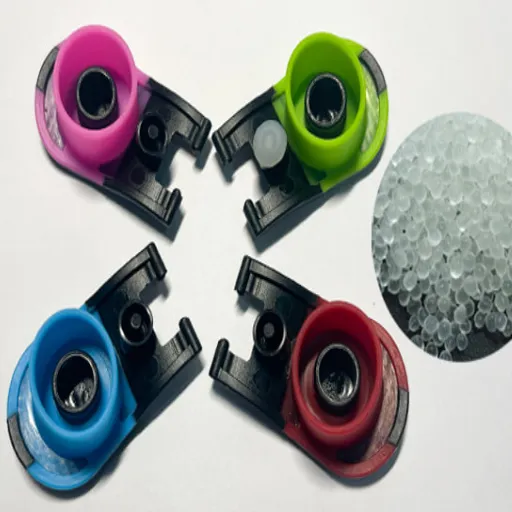
Injection Molding using TPE
TPEs or Thermoplastic elastomers are extremely flexible materials that combine the rubber elastic properties with the injection efficiently processable advantages of the plastic. TPE materials give good flow characteristics during the injection molding of the items so that they can be made to very high precision and therefore it is good for complex geometries and fine details in part designs. The initial step of this process is the heating of the TPE granules to a molten state and then injecting it into a mold cavity under controlled pressure. When the detergents in the injection are completely solidified, the part still consequently exhibits its flexible and tough features.
The advantages of using TPE in the injection molding process are the fact that it is recyclable by nature, very cost-effective for a large-run production, and it is compatible with multi-shot, or over-molding processes. The materials are commonly used in consumer goods, automotive parts, and medical devices applications in which softness, elasticity, and durability are requirements at the same time. Moreover, the changes that have occurred in the TPE formulations in the recent past have resulted in the improvements of the material’s thermal performances and resistance to environmental degradation, which does not just mean that the range of applications will get broader as well as on the other hand, these materials will be used for challenging and harsh conditions. The manufacturers have to manage the temperature profiles, the pressure of the injection and the cooling rates, therefore, they should develop some guidelines to follow which are created in the light of these experiments, for the best results in the results.
Injection Molding with Silicone Rubber
Silicone rubber is commonly used in the injection molding methods and it is selected because of its characteristic of thermal stability, flexibility, and biocompatibility that are one of a kind among the most common materials used for the purpose. This type of material can endure such extreme temperatures, which is why it can be used in various places such as automotive, medical, and consumer goods industries. Besides this, the rubber will be present in two types-liquid (LSR) and high-consistency rubber (HCR), in which they have distinctive advantages and processing requirements respectively.
The liquid silicone rubber (LSR) is very much sought after because of its fast curing characteristics and the ability to simply be copied with the highest precision. This material is usually dealt with by cold-runner systems for the purpose of reducing potential scrap while at the same time distributing the molding phases in an orderly fashion. HCR, still is an alternative that necessitates in its initial steps different; nevertheless, heavy preparations being done to it-such as milling and mixing with curing agents but it primarily gives up on mechanical strength for durability.
To reach the best level of performance and product consistency during the injection molding process, it is essential to have a precise control over the temperature and pressure. Due to the non-Newtonian flow behavior of silicone rubber, the design of a very careful feeding system that can manage the viscosity and guarantee the uniform filling of complex molds is a must. Also, post-curing could be an option to boost mechanical characteristics and to decrease the content of volatile substances, particularly in medical or food-contact grade applications.
The latest developments in the technology of silicone rubber include the creation of self-lubricating grades and the use of custom additives. These material breakthroughs assist manufacturers in meeting the requirements of regulations that are very strict and difficult to comply with, while they at the same time offer customers with truly functional and reliable products. Manufacturers who want to gain an edge in the growing business of silicone rubber products should combine a good knowledge of materials with the perfection of engineering practices.
Comparison of the Injection Molding Process for TPE and Silicone
TPE and silicone injection molding processes differ significantly due to the different materials and the specific requirements regarding performance. As TPE is a thermoplastic material, it is processed through a melting and cooling cycle. The material is heated until it reaches its melting point, then injected into the mold at high pressure and finally, it is cooled fast to form a solid cast. This process truncates cycle times and upholds high production efficiency. Furthermore, TPE materials can be recycled by re-melting and reusing, offering a green solution as well as a saving of money.
Silicone injection molding is, in particular, a process that allows for the use of liquid silicone rubber (LSR) in a completely different way. The first step is that the material instead of melting, cures, and the procedure is carried out during the exact mixing of a two-component liquid silicone, and then the material is injected into a mold that has been heated where curing occurs. During the curing process, which usually takes more time and temperature than the TPE curing process, the polymer chains are cross-linked through the cure’s high-temperature which leads to polymer chains that are more complex and hence more stable at high heat. This, in turn, requires equipment that can control the temperature of the low-viscosity material and thus, it is a complex process but at the same time, it is a production method that can be used for making components requiring properties such as high performance e.g., medical grade devices or automotive seals.
The decision whether to choose TPE or silicone injection molding is a tough one and most of it is application-specific requirements such as thermal resistance, elasticity, chemical compatibility, and regulatory compliance to be relied upon. Automation technology progress and material formulations have made the processes more advanced and the end result is that the manufacturers can keep up with the ever-changing demand in industries like healthcare, automotive, and electronics.
Considerations for Material Selection

Biocompatibility and Safety of TPE and Silicone
Biocompatibility and safety considerations are the top issues to be taken care of when choosing the proper materials for different industrial applications particularly in healthcare and medical equipment. Even though both thermoplastic elastomers (TPE) and silicone are very much recognized for being able to fulfill these tough requirements, however, they are rather different concerning the key properties which affect their appropriateness for individual uses. The product of the first TPE, silicon may be termed as the thermoset material as well, owing to its unusual chemical inertness and heat resistance exhibited. So, this protects the silicone from any kind of deforming or melting. Thus, it is very much compatible with the human body and the environment, hence extremely useful. It is common to find this material in the FDA and ISO-10993 approved lists used for producing bio-compatibility instruments like prosthetics, catheters, and surgical tools.
In spite of its thermoplastic nature making it unmanipulative and technological, TPE still demands cautious preparation to manifest equivalent biocompatibility. The market has come up with various grades of medical TPE that cater to the regulatory stance, and at the same time, offer the user the following benefits like improved flexibility, cost efficiency, and ease of sterilization through gamma radiation and ethylene oxide. However, compared to silicone, TPE might fail in terms of chemical resistance or high-temperature stability or both, especially in the extremest of the operating conditions.
It’s a tough call between TPE and silicone for biocompatible applications which necessitates a methodical evaluation of the very superfluous exposure, and certifications besides the mechanical strength required. Hybrid solutions are now made possible by recent material science breakthroughs basically through the combination of the best features of both materials.
Necessity of an In-Depth Comparative Study
While assessing the durability and efficacy of biocompatible materials like TPE (Thermoplastic Elastomers) and silicone, I take into account a variety of vital aspects which originate from their very physical and chemical natures. Silicone, as one of the materials, is very well known to have the best thermal stability, as it can still maintain its tensile strength and elasticity even in very low temperature conditions (up to -50°C) and up to very high ones (beyond 200°C). Because of this, it becomes a very good candidate for applications needing very severe thermal cycling or where constant high-temperature exposure is required, like in medical tubing or implants. Furthermore, silicones also exhibit very good resistance to both ultraviolet (UV) radiation and oxidation, hence their very long-term stability when used outdoors or in places having a large exposure to radiation.
Additionally, TPE is a material with excellent quality and versatile, it can be processed in a number of ways, maintaining properties such as impact resistance and fatigue resistance under fair environmental conditions. One major point of the TPE is, it is always the best option for recyclability where the product is lightweight or where cost is a great factor. TPE technology and the continuous innovation in material formulation have greatly increased the chemical and moisture resistance of TPE, which in turn makes it a more viable substitute for silicone in certain medical and industrial applications.
The durability of the specific application is the ultimate factor in my choice between these materials. When subjected to continuous high-stress static conditions, silicone has the highest thermal and oxidative stability. Nevertheless, the applications that undergo an environment having a lot of mechanical stress such as wearable medical devices will find elastomer (TPE) the best material. The combination of TPE’s elastic property and cost-effectiveness can achieve a more balanced solution than the two noblest materials. Therefore, the use and the expected performance of each material over a long term shall be guarded by strict test specifications so that the user can be assured of the reliability of the material for his application.
Cost Considerations: TPE vs Silicone
It is seen that TPE, as far as the cost aspects are concerned, provides a less pricy solution initially. That’s why it is a common choice especially in large-scale production situations. One of the reasons is that the material and processing costs of TPE are less compared to silicone. TPE can be easily shaped and converted into the final product by either of the two processes without the need for a complicated curing process. Furthermore, the recyclability of TPE makes the material reusable and this ultimately reduces the cost of production further.
On the contrary, even though the beginning cost of silicone is higher because of its sophisticated process of making and also the use of high-quality raw materials, it still offers a significant edge in cost aspect if it is used in subsequence. In terms of its durability and its ability to withstand extremely low or extremely high temperatures and also the fact that it is chemically stable, silicone is able to prevent frequently needed replacements and repairs. This will ultimately result in a significant cut in the cost of replacement materials as well as repairs. In some sectors like aviation and medical technologies where failure of materials is unthinkable, an initial payment that is higher due to the use of silicone may still be a good spending on the basis of the stability that it brings and maintenance cost that is reduced and service life that is prolonged.
The final decision on which material to use, either TPE or silicone, will be influenced greatly by the application and the economic factors. For less important or temporary cases with a major focus on investing little on the production process initially, TPE will mostly be the best choice. Nevertheless, if the application requires the highest performance and it has to be steady over a long time, silicone is usually the best despite the fact that it may have iron excess costs. All in all, what this shows is the necessity of the complete harmony between material selection and the needs for performance as well as the money available.
Reference Sources
- Thermoplastic elastomeric (TPE) materials and their use in outdoor electrical insulation – A study comparing TPE and silicone rubber in multi-stress aging and insulation performance.
- Thermoplastic polyurethane/silicone rubber (TPU/SiR) thermoplastic elastomers with fine phase structures and comfortable textures – Research on silicone-based TPEs and their unique properties.
- Bridging the gap between rubbers and plastics: a review on thermoplastic polyolefin elastomers – A review discussing TPE materials, including comparisons with silicone rubber.
Frequently Asked Questions (FAQs)
What are the main differences between thermoplastic elastomer and silicone materials?
The big thing about silicone and TPEs is the materials and performance. TPEs are something which is like a mix of plastic and rubber; they give the properties to the material that makes it like both materials, rubber and plastic. This is a remarkable feature of TPEs, which makes their processing easy and adaptable to the extrusion, blow molding and injection molding processes. On the other hand, silicone is a man-made polymer almost similar to silk like elastomers that are silicon. As a polymer, silicone has superior heat and chemical resistance and can maintain its original shape even when subjected to extreme temperatures. TPEs, on the other hand, are generally less expensive to produce and possess thermoplastic and elastomeric properties which enable them to be readily recycled and reprocessed as other products. Yet, TPE still falls short on the heat and certain chemicals resistance as compared to the silicone material.
Would silicone-based products be a preferred choice for medical devices, given the stringent requirements for medical-grade silicone?
The usage of silicone and medical-grade silicone for the production of medical appliances is very common and appreciated practice because of the biocompatibility of silicone, the high chemical resistance of it and the possibilities to subject it to sterilization and to high temperatures. Liquid silicone rubber parts and silicone elastomers are the ones that are most commonly used for tubing, gaskets, and as implant or contact components. However, there exist some applications where specialized thermoplastic polyurethane (TPU) or medical-grade TPE (thermoplastic elastomer) are utilized, while the preference is given to silicone for the highly important applications and because of product safety and long-term stability.
Can thermoplastic elastomers be recycled and/or processed more easily than silicone?
Some links (tpes) are much superior with respect to processing than elastomers and can certainly be considered the most widely used and universally applicable method. Apart from easily being recycled because of their melting process, elastomers which are the materials of silicones and thermoplastics usually do not meet the same fate since they can not be remelted but they are cured (silicones curing is by chemical crosslinking). Thus, the level of recyclability of the silicones is rated low when compared to that of the TPEs. However, the toughness and the ability of silicones to withstand high temperatures might be the main reasons for their usage in certain applications, even when their level of recyclability is incomparable with that of traditional plastic materials.
What are the circumstances when liquid silicone rubber is the first choice before thermoplastic polyurethane (TPU) or TPE?
It is better to use liquid silicone rubber when the item being made needs the highest quality of silicone rubber that ways are still the same as the ones taken earlier, like in case of medical tubing, seals, gaskets and the like where the use of high temperature, chemical exposure and long-term flexibility resistant silicone is to be expected. LSR is the choice in cases where the final product undergo liquid injection molding for better shape complexity and heat and stability are desired to have the quality of that of rubber but these features are not sufficient enough to procure orginal rubber-like feel with a temperature range that is broad enough. For low-maintenance or easily recyclable products, it may be advisable to use TPE or TPU instead.
What happens with the plastic and rubber features of TPE in relation to silicon?
TPEs hold both characteristics of plastic and rubber in them so that the thermoplastic rubber behaves like it can be easily extruded and can be processed by equipment for standard plastics and yet it still keeps rubber-like flexibility. Silicone, which is a synthetic rubber-like polymer, is of a different nature: it is a cured elastomer with a fine temperature range and strong resistance to heat and chemicals. The raw material and cure process are different: TPEs are thermoplastic, and silicone undergoes a crosslinking cure which results in producing tough silicone elastomers.
Is silicone very much durable than TPE, or does TPE give enough durability?
Yes, both the materials – silicone and TPE – are synthetic materials. Silicone is a silicon-based synthetic polymer that is usually referred to as synthetic rubber when it is cured into elastomers. On the other hand, TPEs are rubber-like thermoplastic synthetic polymers. Both kinds of them are employed in wide-ranging applications, namely automotive industry, production of medical devices, as well as toys and other consumer goods but their raw material make-ups, melting point behavior, and methods of processing are the principal points where the two materials contrast.
What about the selection of silicone or thermoplastic material in terms of their Morphology and heat resistance?
Polymer properties are the major factors that affect the selection of the materials. Both thermoplastics and TPEs, with their melting point, can be shaped using heat, which is an advantage in the extrusion and blow molding processes. The melting point of the silicone elastomers is not really comparable since they do not really melt. Silicone elastomers, after they are partially cured, do not have a melting point, and they, instead, decompose at very high temperatures, providing them with superior heat and temperature resistance. Nevertheless, due to the very limitative temperature range, as well as the heat and chemical resistance properties that is needed, users will often prefer silicone polymers over the thermoplastic alternatives.
Which materials are the best for the gaskets, tubing, and automotive rubber parts?
The choice between silicone and thermoplastic materials is primarily governed by the requirements of the application: it is appropriate to have both silicone as well as thermoplastic materials when the need for some particular characteristics arises — for instance, silicone tends to be the material of choice for gaskets and tubing operating in the conditions of high-temperature, highly corrosive chemicals, or for the ones used in the medical field (medical-grade silicone products). Furthermore, silicone parts manufactured by silicone injection molding or liquid injection molding. Those are the common situations where TPE or TPU are the best options especially the properties such as thermoplastic and elastomeric and among these are recyclability, cost, extrusion or blow molding. Also, when it comes to moderate temperatures, TPE or TPU would be the suitable choice for you. The material selection should also take into account the heat, chemical, and product safety aspects, as well as the part’s usage in extreme temperatures and the need for the part to maintain its original shape over time.