When considering materials for use in an industrial setting, it is essential to fully understand the key differences between Thermoplastic Elastomers (TPE) and silicone. These two materials, though they are used in the same or similar situations more frequently, have characteristics that are still noticeably different and make them better suited for particular applications. In this article, we are going to present a comprehensive comparison of these materials from various perspectives, such as their mechanical properties, thermal resistance, chemical compatibility, and cost factors. A good understanding of the distinctive characteristics of TPE and silicone will not only make the task of designing consumer products, medical devices, or industrial components easier, but also enable you to choose materials specifically suited to the given application. Keep reading to find out more about the facts that could really make a difference in your choice of material.
Introduction to TPE and Silicone

What is TPE?
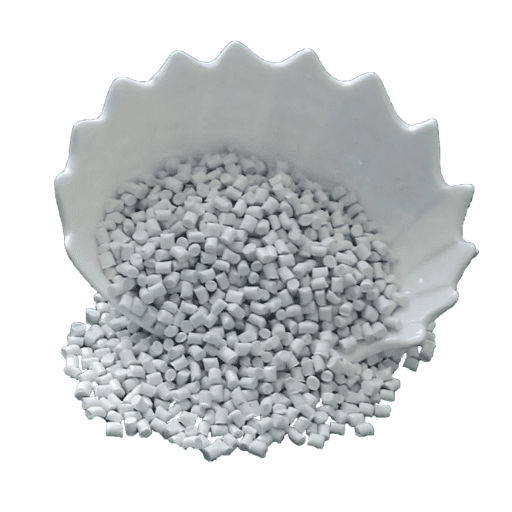
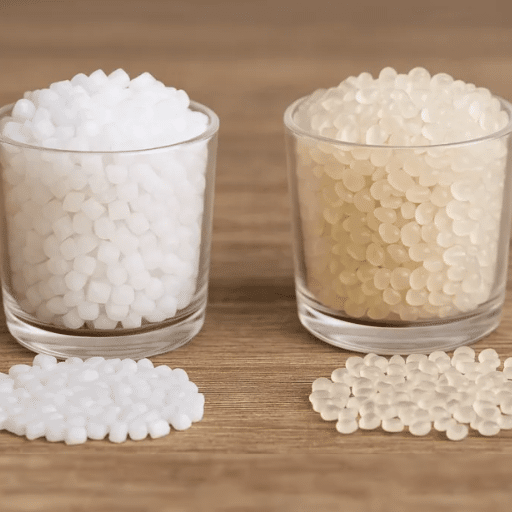
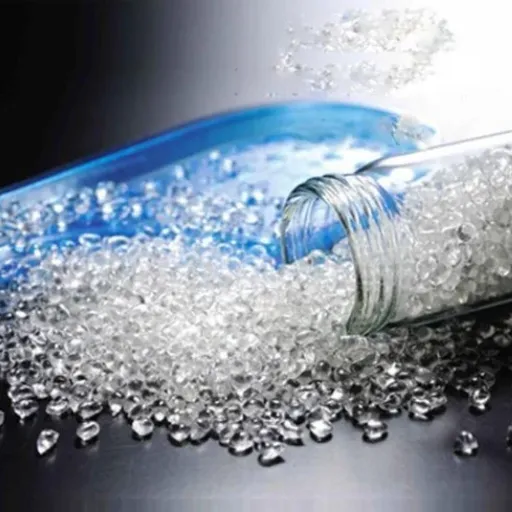
Thermoplastic elastomers (TPE) are polymers that combine the springiness of rubber with the ease of processing of plastics. Structurally, TPEs are composed of hard thermoplastic and soft elastomeric segments, which confer their own flexibility, durability, and reusability. TPEs can be easily softened, shaped, and hardened multiple times; thus, they are considered highly versatile and efficient for manufacturing processes such as injection molding and extrusion. TPEs are in high demand in the automotive and footwear industries, as well as in the medical and consumer goods sectors, because they offer high mechanical strength, are resistant to heating and cooling, and can be bonded to other materials. Besides that, the formulation of TPE has enabled tuning of properties such as hardness, colorability, and chemical resistance, making it a universal choice for various engineering applications.
What is Silicone Rubber?
Silicone rubber is a highly versatile elastomer recognized for its outstanding properties and applications across a wide range of industries. The main constituents are silicone polymers, but it also includes fillers that adjust mechanical and thermal properties. Silicone rubber is renowned for its very high thermal stability, resisting changes in temperature from -75°F to over 400°F with little or no effect on its properties; hence, it is ideal for extreme-temperature environments. Furthermore, it can endure being exposed to UV radiation, ozone, and other environmental factors very well, which means that its outdoor service life is assured and even long-lived in case of solar radiation.
Silicone rubber has good electrical insulation properties, which contribute to its use as a primary material in the electronics and aerospace sectors. On the other hand, its human body friendliness and resistance to chemical attacks allow for applications in the medical, food-grade, and pharmaceutical sectors, making it popular in these industries. In the past few years, the leading focus in silicone rubber technology has been on improving tensile strength, increasing tearing resistance, and developing formulation systems that meet different industry needs. This unity of dependability, flexibility, and performance has been, and remains, the main reason why silicone rubber is a needed product in the marketplace.
Importance of Choosing the Right Material
Selecting the right material for a manufacturing or engineering process directly affects the efficiency, lifespan, and safety of the final product. Properties like the mechanical behavior, the heat capacity, the chemical inertness, and the cost should combine very carefully to get the best performance under given conditions. There are some industries, like those that make aircraft or medical equipment, that not only require stringent regulations but also reliable, well-working equipment that operates at high temperatures, and even at set temperatures. With the current developments in material technology, tailor-made customization is possible, which can alleviate the impact of unique challenges such as weight loss, wear resistance, and recyclability, contributing to broader environmental issues. The way in which the properties of the material can be set and managed as per the application demands is not only very crucial for achieving the best daily use of the system but also very important for the long life management of the product.
Key Differences Between TPE and Silicone

Physical Properties Comparison
Thermoplastic elastomers (TPE) and silicone differ noticeably in their physical properties, factors that dictate their use in different scenarios. Depending on the hardness parameter, TPEs offer a wide range of hardness levels, with the typical measurement using the Shore durometer scale, making it very easy to produce both soft and rigid, long-lasting parts with them. Another attractive feature of TPEs is that they can be recycled, which is a key element of the recycling cycle.
Put simply, silicone is the material that can tolerate the broadest range of temperatures without changing its flexibility and strength from -60°C to much higher than 200°C as well as the same temperature both below and above zero. Owing to this, silicone is the first and best choice for areas where there is a risk of great heat or cold. And the best part is that silicone is automatically stainless, but only under conditions where these agents are present.
Although both materials are characterized by outstanding elasticity, silicone is often a better choice than TPE for withstanding high temperatures and chemicals. However, TPEs are more convenient for processing, as they can be processed with conventional thermoplastic equipment, leading to lower manufacturing costs and shorter cycle times. It is essential to always bear in mind that the characteristics mentioned above are the final ones to consider when designing industrial or consumer applications.
Thermal Stability and Resistance
When the application is under extreme temperatures, two of the critical features to look at for the materials is the thermal stability and resistance. Silicone-based materials offer remarkable thermal stability and retain mechanical and elastic properties over a wide temperature range, typically from -60°C to 200°C. That is why they are appropriate for the aerospace, automotive, and electronics industries, where prolonged exposure to high temperatures is the norm.
On the other hand, thermoplastic elastomers (TPEs) usually have lower heat resistance, typically not exceeding 120°C to 150°C, depending on the formula used. However, technological progress in TPEs is slowly but surely advancing, narrowing the gap and allowing them to be used in specific areas where high temperatures are encountered, although not as good as silicon in extreme conditions. Moreover, when the material’s ability to resist thermal degradation or chemical changes as a result of being exposed for a prolonged time is taken as the primary criterion, the material’s oxidative stability should be counted among the elements that the choice of material should also take into consideration. Materials used in areas such as sealing, gasketing, or insulation whose entire functionality is directly linked to their high temperature resistance will follow the same rule.
Flexibility and Durability
When choosing materials for high-performance applications, especially in areas with high mechanical and thermal stresses, extreme flexibility and durability are the most important considerations. Flexibility is a quality that allows materials to undergo controlled changes and thus not break; this means they can withstand various stresses without losing their original use. It is fundamental in cases of dynamic systems such as flexible joints, vibration-isolated assemblies and elastomeric components. On the other hand, durability not only provides high resistance to wear, fatigue, and environmental degradation but also ensures a long-lasting operational lifespan, even in the presence of UV radiation, chemicals, and changing temperatures.
Such composites and polymers that are made in special ways have often been used because of their just-right mix of these properties. For example, thermoplastic elastomers (TPEs) are highly elastic and resistant to wear from repeated bending, which is a major advantage for many applications. Furthermore, materials reinforced with fibers or fillers that have properties that are opposite yet still show resistance and durability under the same conditions and in the same place can now also be used in air transportation, automotive, and building-related branches. It is seen that if the industry can strike a good balance between these two primary factors, then the sectors can be very reliable with the system uptime being relatively high, along with fewer costs for maintenance in terms of tough and critical conditions for business.
Applications of TPE and Silicone
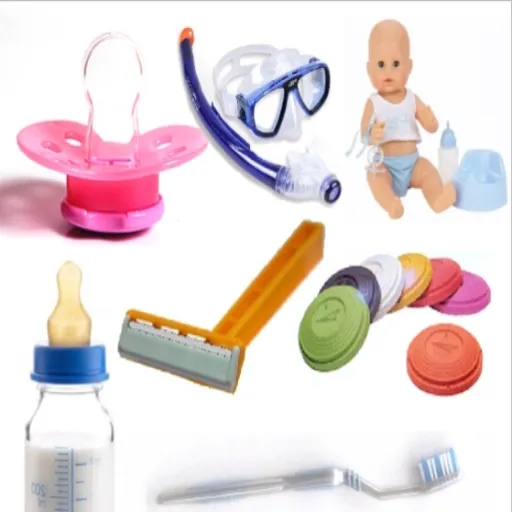
Industrial Uses of TPE
At present, Thermoplastic elastomers (TPEs) are highly essential in industrial applications because of their malleability, manufacturability, and functional advantages. The number one industrial application for TPEs is the production of seals and gaskets, where these materials can resist chemical attack and remain elastic for trouble-free operation. TPEs are likewise frequently used in electrical systems and cables due to their flexibility, temperature resistance, and electrical insulation properties, which will ultimately improve the safety and service life of the installations.
One more big deal is the automotive sector, where TPEs are widely used in the production of lightweight parts such as weatherstrips, airbag systems, and interior trim. The reason they are suitable for automobiles exposed to different environmental conditions is that they can still perform exceptionally well at a wide temperature range. Moreover, TPEs have come into the scene because they make it possible to bond the materials onto the anti-vibration mounts and in this way, they are used in the sound-damping materials, consequently, the improvement of both machinery performance and workplace comfort has taken place.
The industrial landscape is increasingly taking up different forms of the industrial value chain and thus, on the other side of the coin, through the use of TPE in the manufacturing process, industry seems to be welcoming the first to the last of the product features. TPE is first to last in this product, and at the same time, it is first to last in the product design, leading to less time lost in product development and product change. Besides, having a less cost-intensive process, which is a silo to each department, the effect of over-molding in the saving of not only material but also time and the cost of repair is also an advantage of the process.
A further advantage of the increasing use of TPEs in the industry is that the overmolding process can join TPEs to rigid thermoplastics or metals, providing perfect, comfortable grips for tools, equipment, and industrial devices. Given that the new era of formulation and compounding techniques is bringing the market new polymers with different chemistries and physical properties, even specific grades of TPEs can now offer perfect weather, oil, and wear resistance, making them suitable for outdoor equipments and specialized applications.
Applications of Silicone Rubber
It is worth noting that silicone rubber is successfully used in the production of various high-tech products. These dynamic polymers exhibit thermal stability, chemical resistance, and flexibility. In the medical field, silicone is a biocompatible material, making it preferred for implants, tubing, and seals. Moreover, this material is the first choice of many engineers and technicians working in electronics and electrical engineering, since silicone excels at encapsulating or protecting components under high temperatures or harsh conditions.
The use of silicone rubber at extreme temperatures is one of the reasons the aerospace and automotive industries are flourishing, a feature that makes Silicone rubber an ideal choice for gaskets, seals, and hoses. Moreover, its resistance to UV radiation, ozone, and weathering also gives outdoor and sealing applications a thumbs-up. Silicone rubber also leads the way as the most sought-after material for manufacturing kitchenware, baby products, and wearable technology in the consumer goods industry, thanks to its non-toxic nature and strength. Moreover, through continuous improvements in silicone formulations, modern applications are witnessing an increasing trend toward integration with custom-made properties tailored to high-performance requirements.
Selecting Between TPE and Silicone for Specific Applications
It is a critical step to compare the mechanical, chemical, and thermal properties of TPE and silicone materials to ensure the highest performance over the span they will be used, in case you need to choose between the two for the same application.
TPE stands out for its great processability, its lower cost compared to the materials it replaces, and its recyclability, qualities that make it the first choice for manufacturers of mass-consumer products like car parts of all kinds, electronics that end up in consumer hands, and medical tubing. Furthermore, the cost of production is reduced by the structural design freedom enabled by processes such as injection molding, which is highly compatible with this material’s processing.
On the other hand, silicon offers the best temperature resistance, elasticity, and chemical resistance in applications under severe conditions or with stringent safety requirements. For example, being able to withstand temperatures from -75°F to 450°F makes silicone the only suitable material for aerospace seals, high-performance gaskets, and medical-grade implants. Furthermore, silicone’s biocompatibility and hypoallergenic properties are a significant advantage in the healthcare and food-contact industries, among others.
In the end, discerning the suitability in either TPE or silicone should lean heavily upon the peculiar environmental exposure, regulatory compliance needs, lifecycle expectations, and cost factors scenario. It is thus through these that the material that has the best mix of performance, longevity, and practicality will be chosen.
Manufacturing Processes: TPE vs Silicone

TPE Injection Molding
It is well known that injection molding of TPE (Thermoplastic Elastomers) is an efficient process, widely used to produce flexible, very durable components with the most precise dimensional tolerances. The melted TPE materials, because of their thermoplastic nature, are injected into the molds under optimal temperature and pressure conditions. TPE has one significant benefit in that it has a quick cycle time because it can cool and solidify all so rapidly, which makes it possible for a vast number of articles to be produced with quality that is uniform, and turned out to be good to excellent, even with large lots.
Initiation of the process involves selecting an appropriate grade of TPE that is ideally matched to the mechanical characteristics of the application. The choice is made based on the film’s resistance to deformation and rebounding, as well as its resistance to aggressive chemicals. During the molding process, the TPE is delivered at the delivery temperature, which in this case is 320°F to 430°F (160°C to 220°C), depending on the degree of mix; this provides the best flowability and the most complete filling of the mold. Precision in controlling mold parameters, such as injection pressure and cooling time, is paramount for preventing defects such as warping or sink marks.
Also, the TPE’s recyclability makes it a green choice. Quite often, TPE material’s scrap or the rejected parts can be gathered, ground and reused, thus diminishing the total waste and material costs. Moreover, the quality control process, which includes dimensional inspection and testing of properties, plays a vital role in ensuring that the molded TPE parts meet high-performance and regulatory standards. The facility through which the TPE meets the challenges of the high demands of completely efficient, completely matching the needs of the end user, and at the same time sustainable technology is the one that explains the TPE’s increasing penetration in several sectors.
Extruder for Silicone Rubber
Silicone injection molding is a very accurate and effective method of manufacturing with a wide sphere of application in case of the need for high-quality, enduring parts. It is done by heating up the rubber until it becomes liquid, then the latter is being forced into the mold cavity through a predetermined pattern, the process is done under tightly controlled pressure. The main applications of silicone are the ones that require the resistance of very high, low, or fluctuating temperatures, and to the attack of aggressive chemicals, as well as shock loading due to high impact forces.
Injection molding techniques using the latest silicone materials often use Liquid Silicone Rubber (LSR) due to its favorable viscosity and ease of flow. LSR is highly capable of providing intricate designs, thin walls, and highly detailed surfaces, making it the top choice for industries operating in the medical, automotive, and electronic spheres. Closed-loop control systems for temperature and quality control rely on the most sophisticated, high-tech equipment. It is common to see robots on these production lines, and their purpose is mostly to assist with the same processes, such as trimming and inspection. This kind of innovation, in general, contributes to faster, higher-quality product production. The less expensive materials and maintenance that robots have made them indispensable to manufacturers, leading to the reduction of labor and driving production automation at the same time, the changes and their impacts on the workforce and the requirement of different types of qualifications and education for those who will fulfill the new types of jobs are addressed.
Production Costs Comparison
Several critical factors need to be analyzed comprehensively when comparing production costs across materials and processes. The manufacturing of silicone, even though it requires a higher initial raw material cost, provides lower long-term operational costs due to its durability and energy-efficient processing. This means, in practice, that with silicone’s high thermal stability, there is no need for extra cooling or intensive post-processing steps, unlike thermoplastics, which usually have to manage heat rigorously.
Additionally, the operational life of silicone molds tends to be long, resulting in a lower frequency of tooling replacement and, hence, lower capital expenditures. On the other hand, there are cases where materials such as thermoplastics or even elastomers require more frequent tooling due to wear or degradation. Another consideration for these factors is the production volume impact: in high-output manufacturing situations, silicone is even more cost-effective and a better option.
Moreover, the advent of automation and closed-loop control technology in silicone manufacturing has not only made it possible to guarantee the quality of the final product but also to minimize the amount of waste produced, which such quality-related advantages as reduction in the size of waste streams and easier follow-up of the production. With the ease of scaling silicone production, the material is more suited than ever for applications in high-performance and high-reliability industries. In the final analysis, the realistic costing of silicone can be seen to bring about the upfront expenditure versus the running and performance advantages thus even a better choice for the success of the process.
Environmental Considerations

Recyclability of TPE vs Silicone
The differences in chemical composition and the processes required for reuse make it easier to recycle thermoplastic elastomers (TPE) than to recycle silicone. There is a greater tendency for TPE to be recycled, for instance, since it can be melted and reshaped for use several times without its properties degrading significantly. Such a factor, which is the very nature of the polymer to be thermoplastic, makes it compatible with mechanical recycling methods such as those of shredding, melting, and remanufacturing it into new products. These properties are TPE’s number one advantage when it comes to materials that are the basic components of the circular economy and a waste-free society.
Silicone, on the contrary, has a challenging recyclability profile as it is a thermoset material. This means that the reaction is irreversible hence the material can’t be melted again and reshaped and so the usual recycling methods are not applicable. Yet technological progress has enabled the chemical route for recycling, in which silicone can be disassembled into siloxane oils or other derivatives, a reversible process. However, these approaches are energy-intensive, less than attractive (not yet widely used), and lack standardized recycling infrastructure for silicone, which is yet another problem to be solved and managed.
During the evaluation of materials, the plastic that looks like rubber has the upper hand in reducing waste. In contrast, silicone has its stronger side in lasting and thereby reducing trash through the less-to-replace argument of fewer fittings. The process of material selection, including these two materials, needs to take a big-picture approach and yield thoughtful conversations about whether more recycling technology is needed and about achieving the least environmental impact possible.
Production Ecological Footprints
According to my findings, among the environmental impacts of thermoplastic elastomer (TPE) and silicone production, we can highlight the most common factors, including energy consumption, resource extraction, and emissions. For instance, as a plastic derivative of TPE is still made from non-renewable fossil fuels, its production contributes to greenhouse gas emissions. Nevertheless, TPE manufacturing is frequently less energy-intensive than silicone manufacturing, mainly because silica (silicon dioxide) must be transformed into silicon during the synthesis of silicone, an energy-intensive process that most often uses coal or other carbon-rich sources. Consequently, the process of manufacturing silicone is usually associated with higher carbon emissions and energy demands per unit than TPE manufacturing.
TPE has features such as recycling potential and lower early CO2 emissions; however, the estimation becomes tricky once downstream environmental impacts are taken into account. The use of silicone as an alternative is justified by its durability, which offsets its negative initial energy impact by enabling the material to maintain its properties under harsh conditions and temperatures. This, in turn, reduces replacement frequency, thereby creating a lower life-cycle environmental burden for new, long-term applications. Moreover, the industry strategies such as swift technology that is still a little ahead of the curve for the bio-based TPEs and increased recycling efficiency on the silicone end are all topics the above article touches upon and makes for promising signs.
In the end, a combination of drawbacks and advantages can be seen for both materials from an environmental production perspective. The TPE-silicone decision should be based on service-life expectations, recyclability prospects, and the movement toward renewable energy in the manufacturing process to reduce their individual footprints as much as possible. To become more sustainable, there must be a complete approach of new material technologies and circular economy practices in the materials sector.
Sustainable Practices in Manufacturing
From an environmental production standpoint, answering the question briefly, it is evident that manufacturing sustainability is a broad concept that requires a blend of measures. One of the practices with the most significant effect is integrating renewable energy sources into production work. In this way, switching the energy source from fossil fuels to solar, wind, and/or hydroelectric power will drastically reduce the manufacturer’s greenhouse gas emissions. Not only have the shifters toward renewable practices been such huge companies like Tesla and Apple, but also they have been the first ones to effect that change, discovering that the example in one industry would swiftly attract followers in other.
Moreover, adopting a circular economy model is indispensable for reducing waste to a minimum while making the best possible use of all resources. This means that products must be designed so they can be used for longer and repaired or recycled if needed. Besides, businesses must have in place a material recovery system so that end-of-life products can be reutilized or recycled rather than simply put aside. As an illustration, many companies in the electronics and fashion industries are increasingly using closed-loop recycling systems to minimize material waste and thus reduce overall environmental costs.
In the end, the very core of those endeavors is the material innovation. When we develop bio-based materials, including biodegradable plastics made from organic feedstocks, we can reduce the need for petroleum-based polymers like TPE and ordinary silicone. With the use of waterless dyeing technologies and energy-efficient manufacturing equipment also coming into place, these innovations definitely spell out some ways where the greenhouse gas emissions of the production processes are reduced. This makes a strong case for lowering other environmental footprints. Renewable energy sources, the implementation of a circular economy, and the usage of state-of-the-art materials would be the common ground for businesses to operate sustainably and thus be part of the latest industry trends.
Reference Sources
Thermoplastic Elastomers for Wireless, Skin‐Interfaced Applications
This source discusses the compatibility of TPEs with industrial-scale manufacturing, their cost-effectiveness, and recyclability.
Additive Manufacturing Utilizing Stock Ultraviolet Curable Silicone
This paper highlights the industrial and medical applications of UV-curable silicone.
Rubber Handbook
A comprehensive guide to specialized rubber applications, including TPE and silicone.
Characterization of Prosthetic Liner Products for People with Limb Loss
This study compares the compressive stiffness of TPE and silicone liners, providing insights into their material properties.
Cyclic Compression Testing of Three Elastomer Types
This research examines TPE and silicone as potential replacements for other elastomers in industrial applications.
Frequently Asked Questions (FAQs)
What is the most crucial difference between TPE and silicone?
TPE-thermoplastic elastomer is a type of elastomeric polymers that is just as elastic as rubber, but it can also be melted and reshaped. On the other hand, silicone is a synthetic polymer; its main component is silicon, but it also contains oxygen, carbon, and hydrogen, and is usually cured as a thermoset. TPE generally offers easier molding and processing at lower temperatures, making it a good candidate for high-volume production due to cost savings. Silicone, on the other hand, boasts superior chemical stability and a wider temperature range within which its performance is not affected. TPE is generally softer and a bit more flexible at a lower price, while silicone is silkier and maintains its properties for a longer period. Also, differences in porosity and surface finish significantly affect cleaning and sterilization processes.
Are TPE and silicone safe when they come in contact with the skin?
Both TPE and silicone can be made skin-safe, but the safety of their variety and the additives used are the factors to consider; medical grade silicone is the best choice for the extended contact of skin. TPE can be hypoallergenic and phthalate-free, but the less expensive formulations may use plasticizers or fillers that can irritate. Silicone is the least porous material and resists bacterial growth much better than most TPEs, so it is preferred for sensitive applications. Always look for certificates such as medical-grade, FDA-compliant, or biocompatible test results before introducing the product to the skin for extended use. Testing the patch of new products is a must in case of individual compatibility confirmation.
Which material is more durable: TPE or silicone?
Silicone has higher UV, ozone, and heat resistance than most TPEs, making it more durable and long-lasting in the long term. TPE can still be tough and reliable for everyday use, but is a bit more prone to wear out more quickly, especially if regularly exposed to such materials as oils, solvents, or liquids at high temperatures. At the same time, it should be noted that TPE’s thermoplasticity eventually increases its susceptibility to deformation compared with crosslinked silicones, which retain their original shape better. It shall not be forgotten that hardness (Shore hardness) and the type of material also impact the durability, and the type of material also plays a vital role. High-grade elastomers from either of the two types can then withstand well. Thus, the higher-grade elastomers would be a good practice for durable applications and they are also probably more costly. To rest the case, in many cases, for instance, application of the material in prolonged lifespan conditions, silicone is the best option.
Where does silicone have the upper hand over TPE, and how can you literally compare their heat resistance and stability?
One of the main reasons for the use of silicone is its superior heat resistance and thermal stability, a property that allows it to function flawlessly across very low and very high temperature ranges without changing its properties. Most silicones keep their properties unchanged above 200°C and below -50°C due to their silicon-oxygen backbone, which cannot be said about the rest of the thermoplastic elastomers, which gradually become soft and deform when the temperature rises. Although TPEs can be formulated with a certain level of heat resistance, they still have lower temperature limits for continuous operation. In the event of overheating, they can only melt or flow. When sterilization is required, e.g., by boiling or autoclaving, medical-grade silicone is typically used because it is a thermoset. Consider chemical resistance and the total number of thermal cycles when deciding between the two.
Can TPEs and silicone be patched, melted, and reprocessed or recycled?
TPEs have thermoplastic characteristics; thus, they can be melted and reprocessed or recycled more easily than cured silicone, offering greater recyclability across a wide range of industries. Generally, silicone becomes a thermoset once it’s cured and cannot be remelted, so mechanical recycling may not be the same; however, specialized recycling methods can also be used. With the help of adhesives, silicone objects can be more easily repaired, or vulcanizing techniques can restore crosslinks, while TPE repairs may require heat welding or compatible adhesives. Disposal or end-of-life options are essential from the outset of material selection, among other reasons, because of the large volumes of waste subject to specific regulations. Both materials can be recycled and repaired if the company gives them importance.
What about medical or food-grade applications, which one is better for those industries: TPE or silicone?
Medical and food-grade applications often use Silicone, as medical-grade Silicone offers strong biocompatibility, very low toxicity, and excellent sterilization tolerance. TPE can meet food contact and medical standards if made and tested properly and in some cases, it may be a less expensive alternative. The nonporous surface and chemical inertness of Silicone are partly why it stands out in the disinfectant process, as the material is not the best bacterial habitat, compared to TPE, which might be a more porous material. The approval from the FDA and USP Class VI, and the results of some specific tests are the clues for the precise material for critical purposes. So far, the choice is based on the methods of sterilization needed, the flexibility, the shore hardness, and the different regulations relating to the product.