High-Density Polyethylene (HDPE) is commonly known to be a versatile material that is used in a variety of industrial applications. For this reason, HDPE of all types have an increased level of popularity. This heightened popularity is owed partly to HDPE’s outstanding durability, adaptability and good value for money when compared to other materials. These attributes are advantageous to industries such as packaging, construction and even manufacturing. As such, it is important for those in these sectors to have the technical know-how of properly acquiring HDPE products in large quantities in order to enhance both the management of the supply chain and the many dimensions of their businesses. This paper highlights the most relevant factors driving HDPE pellets procurement, including but not limited to the dynamics of prices and quality of materials, seeking credible sources and the extent to which one can convince some parties to render services. You can also be rest assured that you would be given some practical tools to assist you in decision-making when it comes to purchasing HDPE pellets and using them in a most effective way within your facility by the time you finish reading this overview.
Introduction to HDPE Pellets
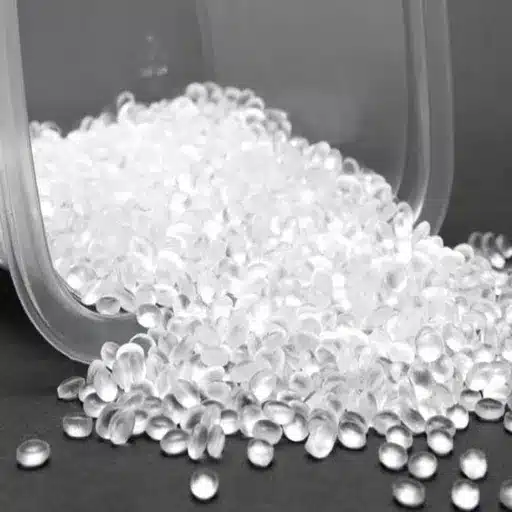
What are HDPE Pellets?
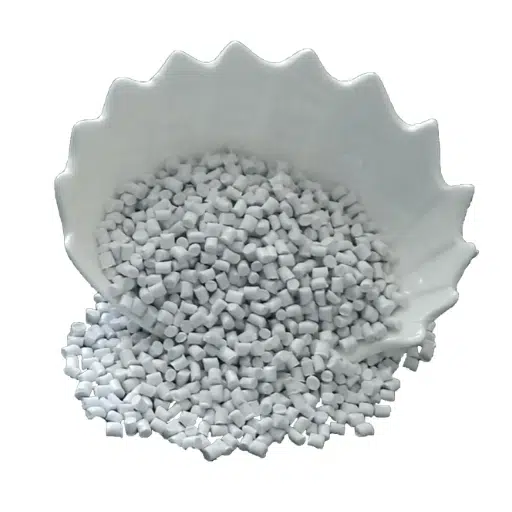
High Density Polyethylene pellets, also referred to as HDPE, is a form of thermoplastic polymer that is prominent in multiple fields due in part to its outstanding physical, chemical, and operational features. Regarding its most basic structure, it can be described as a polymer made up of a decent quantity of ethene repeated many times with low levels of branching, hence the high percentages of crystallinity and tensile strength. They are employed in the creation of various articles such as tubes, bottles, automobile parts and films.
One key feature that sets HDPE pellets apart from other plastics is their ability to withstand rough handling, moisture, and chemical influence stress. It also makes them suitable for applications owing to their remarkable quality consistent over long periods of time. Despite such favorable features, they have other advantageous properties such as their being lightweight and strong, as well as their easy modifiability in applications incorporating them and use of materials when not needed. As plastic is not a depreciating commodity, there is always the potential for more progress to be made with regards to plastic improvements.
Properties of High-Density Polyethylene
High-Density Polyethylene (HDPE) is known for its incredibly capable weight-to-strength ratio that can be as low as 0.93 or 0.97 grams per cubic centimeter. HDPE not only has toughness but is very light, which makes it the perfect material for structures with high load requirements. The tensile strength of HDPE is also quite good even going up to 20 MPa in some commercial grades and processing changes of different material grades.
Encouragingly, HDPE boasts a high resistance to impacts such that it can withstand severe mechanical loads without damage in terms of cracking or breaking. Its low coefficient of friction and high wear resistance further prop up this behavior more particularly in moving parts. In term of chemical attack, HDPE is highly resistant in that it shows very little reactivity with majority of the solvents, acids and bases to assure the resistance lasts in harsh chemical environments in the long run.
In the case of High Density Polyethylene (HDPE), 120-140°C is the outright range of its melting point, differing from the chain molecular weights of the polymer and in its distribution. Together with this value, high thermal resistance of HDPE ensures that most of it when put in relatively high temperature situations, stays largely in one visible piece. Also the weak absorption of moisture in low amounts, around 0.01%, means the polymer is applicable in places experiencing a lot of dampness or are totally submerged in water.
In brief, to date HDPE remains exceptionally unique in its mechanical, thermal, and chemical behavior which makes it a high performance material suitable to practically any industrial applications and operations.
Benefits of Using HDPE Resin in Industry
With its remarkable strength and resistance to breakage, High-density polyethylene (HDPE) resin is a necessary commodity to different industrial sectors. The physics of it suggests an exclusive strength-to-density ratio that can lift and move things or structures without one lacking in strength yet will not be heavy weight. This costs a lot of manufactured stuff as well as reduces the load on carriers significantly. Although, even more importantly, HDPE is remarkable for the fact that it possesses very high chemical endurance; otherwise put, even acids and bases as well as different solvents will not corrode the material at once. This might be explained by the fact that HDPE is commonly used for manufacturing chemical storage tanks and pipes, systems where vandalism is not uncommon.
The ability of the resin HDPE to be kept out of landfills is another marketable attribute. Because of its thermoplastic qualities HDPE can be remolded and reformed many times over without losing its important properties. As a result there is not only less waste production but also such technologies are in harmony with certain environmental approaches to design. What is More its notable resistance to stress cracking adds to its longevity, sometimes in the face of adverse conditions.
Some of the technical properties of plastics in building, bottling, and farming cannot go without the usage of HDPE. For instance, It is hard to think of any other synthetic polymer that is less prone to water molecules as a carrier than HDPE when it comes to further use of it as a geomembrane for land filling or water collection. This is also valid in terms of the anti-leach food-based kind, which is nontoxic and safe for the production of various kinds of food containers and packaging for food. These types of competitive advantages, in combination with the progress made in the development of the HDPE grade, contribute to the extension of its application sphere in various industries.
Types of HDPE Pellets
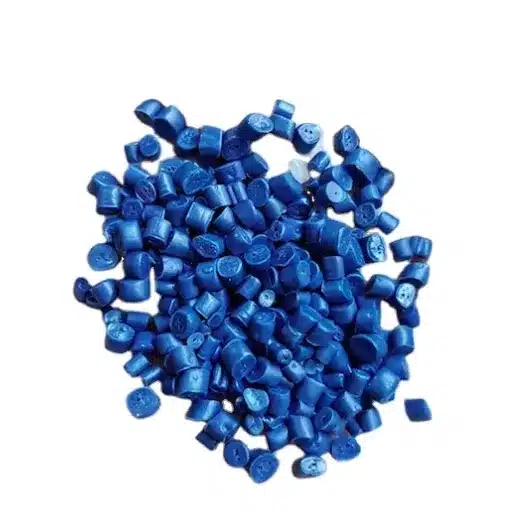
Virgin vs. Recycled HDPE Pellets
Fresh virgin HDPE pellets are pellets made freshly and entirely new without any prior usage or processing, so they offer materials with uniform and predictable properties. On the other hand, these pellets are mostly appreciated for their uniformity in the sense that they wouldn’t show poor tensile strength, low chemical resistance, and they are resistance to contamination. For this reason, virgin HDPE is chosen by various industries that do not compromise when it comes to fraud affluence, barring loss possibilities such as the medical, food handling and high-pressure tubing industries.
While the aforementioned recycled pet HDPE pellets are subsequently processed and re-melted of post-consumer or post-industrial HDPE and used as pellets, unlike the first category. For example, as the degradation temperature can possibly be affected by the purity of the recyclate and the quality of the equipment used, the improvement in these technologies has aided them in becoming dependent most of the time. basic building blocks to irradiated HDPE crosslinked random copolymers. The use of a post consumer or post industrial product cos that the polymer will otherwise become trash or a pollutant. Post consumer fluffgenerated during reuse of the product for the intended purpose is however included in percent recovered when explaining the recovery of the product as a whole.
Although both forms of HDPE polymer beads have ideal features, the decision to use one over the other is often driven by the service of the composite, as the functional and performance aspects of the manufactured product vary and the cost implications differ. To this end, many industries have sought to blending together virgin and recycled high density pe to cater to the technological needs of the developed material but minimizing the degradation of the pristine environment.
Grades of HDPE: Film Grade, Injection Molding, and Pipe Grade
Film grade High Density Polyethylene is merely used in industries where appropriate high strength flexibility in capacity is required like in packaging materials for shopping bags, and agricultural films. These kinds include high tension and good film barrier and offering strong resistance in stretching in addition to. In other cases film polyethylene exhibiting the least mfi is processed and through this form shaping and film extrusion is achieved more effectively. Recently, through the improvements in the chemistry and technology of polymers it has been possible to improve the clarity and mechanical properties of these films and bring them up to preferred specifications of the industry; more so, this increased flexibility of the film also motivates wrap film recycling. And the lower mfi of film grade hdpe makes it recyclable to suit ecofriendly products in packaging.
Injection molding grade HDPE is formulated for easy processing of the intricate shape such as plastic closures, caps, containers, automotive parts of plastics, etc. The tough, rigid, and non-shrinking material that HDPE is also enables it to absorb high shock without damage. The processing performance on injection molding for HDPE is excellent in terms of melt flow. Injection pressure uses a very fast, abrupt start (or even an excessively high value at the very beginning) that will lend itself very well to being very amenable to this loss. Making it a spot on choice for most manufacturers when it comes to high volume production of goods incorporating this material. Recent developments have made remarkable improvements with regard to the resistance of HDPE to environmental stress cracking, thereby supporting its service life in very challenging conditions. Such is the versatility of this material that, in a number of sectors where personalization and the expected curing time of the end products is a matter of concern, it is much appreciated.
HDPE pipes are designed for distribution and water supply pipelines, sewage systems, gas pipelines, and for industrial purposes. This material has high LTHS and therefore doesn’t crack or deform under extreme temperature or any other conditions. The leakage rate in water-tight media transportation systems is low. In contemporary markets, metabolized versions of hdpe for pipes integrate different antioxidant systems to enhance weathering and exposed or buried resistance. Such pipes have the benefits of being light which means they can be managed with more ease in addition to having good mechanical features as compared to alternative types of pipes.
Color Variations in HDPE Pellets
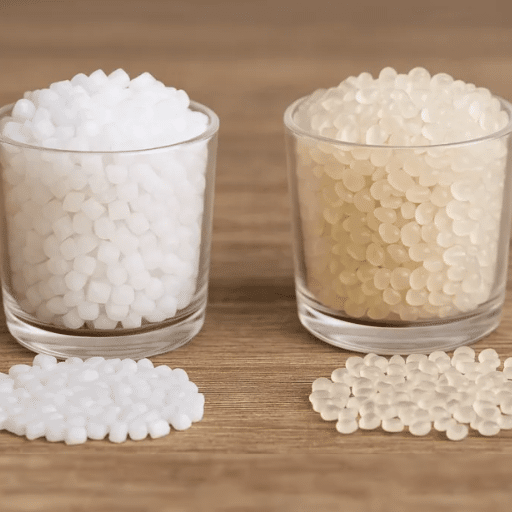
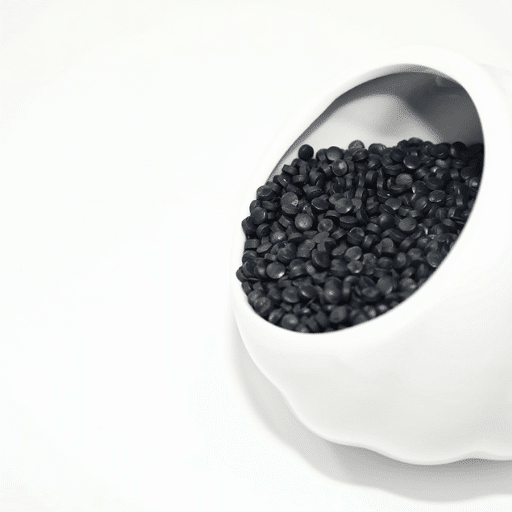
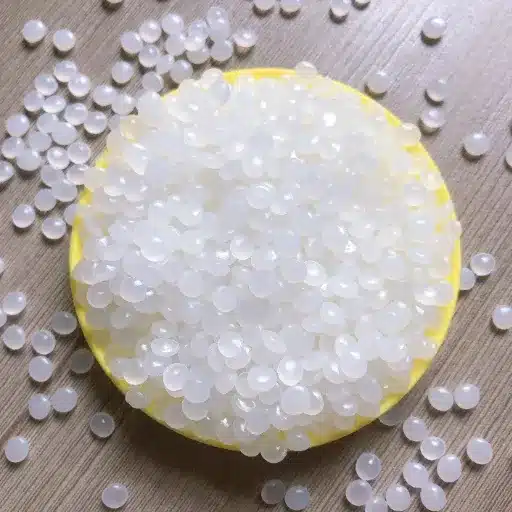
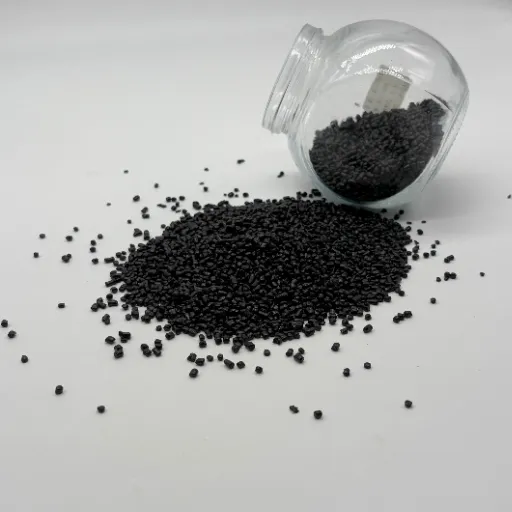
High-density polyethylene (HDPE) is widely demanded commercial plastic resin. The availability of HDPE materials with different color options makes it stand as a distinct material in the present market for various industrial applications. Commercially, the HDPE pellets are more commonly either marketed as natural, black, or colorless with specific functional and aesthetic advantages. The natural HDPE pellets are cushioning those who may want to have some in their raw state without any coloring that may still be seen engaging in minimal processing or in applications that require as much transparency as possible. Their Colored Are black and coloration with carbon black which is an UV stabilizer able to deal with the effect of harmful pollutants in the air responsible for degradation especially in outdoor circumstances.
The pigmented HDPE pellets of different colours are produced by mixing the base material with defined concentrations of color masterbatches or specialized existing colorants, aiming at allowing manufacturers to obtain consistent and tailor-made colours. Thanks to such opportunities, such kind of colouring makes the production of products for particular application areas possible: consumer products or industrial equipment. Depending on the circumstances (such as ultraviolet ray resistance, heat resistance, scantiness), and taste and loads [] this color variation is most often chosen. In addition, the present [workpiece] is characterized by the fact that most contemporary molding techniques achieve the consistent distribution of pigments throughout the volume of the synthesized moldable article.
Applications of HDPE Pellets
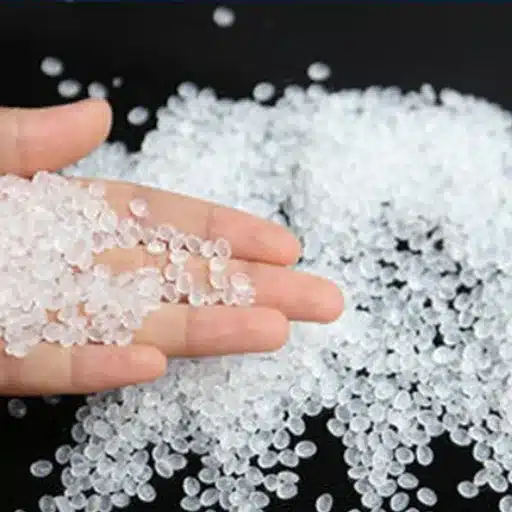
Common Uses in Manufacturing
High-density polyethylene, otherwise called HDPE, is a kind of granule that serves as a crucial material in various sectors. This is because it boasts some amazing features such as, but not limited to, its load bearing capability materials, it is chemically inert, and in physical terms extremely versatile. For instance, it is used to create bottles which would be used to store some products such as bathroom cleaners, clothes cleaners and drinks to mention a few. These spirits are failure proof, resistant, and any liquid essence contained in them will remain untouched. That said, this material, HDPE granulate is heavily used for the manufacture of pressure pipes for safe water, sewers and agricultural practices as it has excellent density for these applications and as additionally has a high modulus of elasticity along with resistance to stress cracking. Finally, another use of High density polyethylene (HDPE) is its properties which is recycle, and its life span makes it good for commodity items such as kitchen knives, kids games and shelves etc where lifespan or ecological harm matters. Over the years, new techniques have emerged in the fabric of HDPE and have facilitated the application of thin-wall HDPE profile in several industries, starting from packaging to automotive industry and more.
HDPE in Blow Molding and Film Production
High density polyethylene known by its acronym HDPE is a plastic often used for blow molding due to its very high strength-to-weight ratio. Additionally, it is resistant to many chemicals and easy to process, which makes it materials of choice for many. Among the purposes for which HDPE resin is used in blow molding are production of containers – be it bottles, drums, tanks for fuel, and other commodity solutions – where easy handling and maximal longevity are the main characteristics. This material is known to have great strength, and does not allow for excessive pressure; as such, HDPE is most useful, and reliable under any conditions. This is because such applications or structures involve considerable level of risks, and the HDPE resists any concentration of liquids or gases very well. At the same time, compression flowing stresses shall not cause cracking which is inseparable from it.
HDPE manufacture desirable features when used in the film-making line. This is due to the ability of the material to provide high tensile strength, good puncture and tear resistance as well as an effective barrier to moisture. These make it useful in the manufacturing of goods such as industrial liners, grocery bags and wrap films used in packaging. Developments in the extrusion of the HDPE resins as well as the optimization of these polymers are enhancing the clarity of the film, its uniformity and other mechanical characteristics. The ease with which the material can be recycled greatly contributes to the continued use of the HDPE resins in the creation of these eco-friendly packaging solutions, which is in line with the current sustainable practices in the market.
Innovative Applications of HDPE in Various Industries
In several sectors, for example, because it resists high pressures, deformation, moisture, and many different types of chemicals while still being easy to fabricate, High-Density Polyethylene (HDPE) has established itself as one of the main materials. Most notably, the production of geosynthetic sheets by the building and civil engineering section abroad employs HDPE. In the case of HDPE pipes, these get installed in water distribution systems and services and cable conduits due to their impressive performance, resistance to corrosion, and indeed the fact that they outlast. More commercial applications of geomembranes made from HDPE include their use in landfills where they serve as liners as well as in mining where they help with efficient retention and permeation control in addition to confinement of contaminants.
When it comes to the automobile industry, there is a great emphasis on integrating HDPE into various strategies aimed at lightweighting of vehicles, thus lessening the total weight on the road and making the engine run more efficiently and reduce emissions. Since HDPE can also be used in the construction of fuel tanks, blue muzzles and other machine parts that are operation critical it holds a significant place in the light weight plastic category because of its strong and light characteristics as well as chemical resistance.
Additionally, it enables the creation of HDPE products and equipment for medical purposes, and other devices as well so that the chances of the penetration of nonspecific organisms are minimized or completely dehydrated with such storage technologies. The use of pharmaceutical HDPE bottles and containers is very essential, given the prevailing high safety and hygiene standards.
However new advancements within the industry suggest potential use of HDPE in various other ways. Co-extrusion and blow molding methods are enabling composite HDPE products to have better resistance, barrier or flexibility, and even be stiffer than the monofunctional HDPE. It’s with these breakthroughs in technology that employing HDPE is becoming popular in different if not all of the manufacturing sectors mainly due to its renewability and efficiency.
Pricing and Sourcing HDPE Pellets
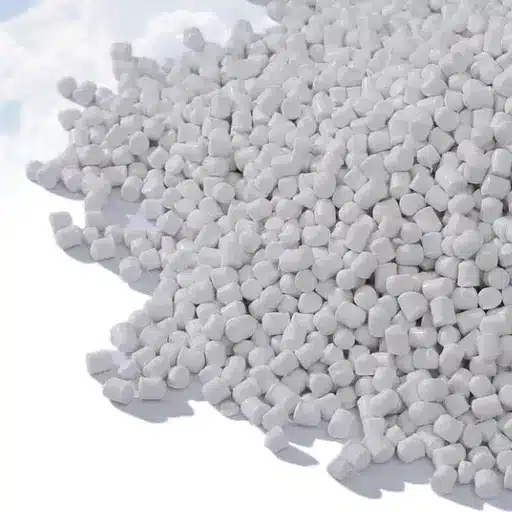
Factors Affecting the Price of HDPE Pellets
The cost structure of HDPE (High Density Polyethylene) granules is composed of a set of economic, as well as structural, factors. The variable that costs operations the most is that of materials, and more than any other factor, it is the price of crude and gas, particularly gas. These are the two critical raw materials that constitute the bulk of feedstock to polyethylene manufacture. This critical cost happens to most polymers in conjunction with the consumption of energy in the polymer synthesis, which depends also upon the price of crude oil in the global market.
Another translated or awakening challenge with the value of a garment is the transport because it contributes to the cost structure. Inflation affected more the prices in 2009 in China rather than in 2010 when inflation was overall more under control. This component goes into every single garment made and within an approximate range to four percent.
Regulatory marshals and pricing in tariffs, particularly those in regions where excessive import/export rules are in place, will pose a challenging level of cost control. Sustainability in its most recent appraisal trend in the list of benefits will percolate the use of recycle HDPE, creating some differences between recycle and virgin HDPE prices. All these factors interplay to underline how the correct pricing in HDPE pellets can be a risk.
Where to Find Wholesale HDPE Suppliers
Connection was narrower and complete information before switching to wholesalers of such HDPE. But any choice must involve deliberate planning as well as exploit expertise on the subject and extant sources. Beginning with industrial trade directories and plastic and polymer specific internet marketing platforms is often the most suitable. Websites like those that deal with complex raw materials fetch a list of HDPE pellet suppliers comprising a variety, diameter size, certification level and product descriptions and most particularly by has been stated by the region and the supplier. Other than the said, trade fairs and events in the relevant industries enable meeting friends as well as providing an opportunity for self-assessment of the quality of the goods. Third effective method is working with industrial structures like associations as they usually hold a record of verified suppliers and research material. Also, attention should be paid to obtaining such documentation as supplier certifications or licenses like ISO in order to ensure that the goods meet the required standards and are of the good quality.
Understanding Factory Prices and Competitive Pricing
To achieve competitiveness and ensure accountability in such methodologies, it is necessary to examine breakdown of this turnover and find out what it consists of in the first place. The factory price is determined by the cost of raw materials, the cost of labor, the cost of overheads, and the efficiency of production. Knowing this helps organizations to determine if an existing price meets the standards of the industry pertaining to the cost indices. The factors also lead to the changes that are associated with prices as well as influences reaction from the market on the changes which emanates from the processes.
Competitive pricing, on the other hand, requires a detailed market comparison across similar products. By benchmarking pricing your product against competitors, one can obtain insights such as price expectations, perception of value, avenues of differentiation and perception of strategizing. The use of industry reports and direct market analysis ensures precise understanding of trade dynamics. Where these two schools of interpretation are put together, a more substantial angle toward pricing system comprehension can be realized which helps in profit and market coverage achievement by making exact decisions.
Environmental Considerations
Recycling HDPE: Processes and Benefits
High-density polyethylene (HDPE) recovery is a practice which is not to be considered important but nutritious in the protection of the environment and the efficient utilization of available resources. HDPE, known for its strength and durability is a type of thermoplastic used in milk jugs, laundry and dishwasher detergents as well as pipes amongst others. Process for HDPE which is recycing, starts by collecting the plastic waste, which in the next step is separated so as to recover only HDPE items out of the other resin types. The use of material sorting devices like the near IR scanners enables high separation efficiency. The cleaned HDPE is then shredded into flakes and which are then re melted into the shape of pellets or granules. These pellets are turned into new products, meaning that the use of new plastic, i.e. virgin plastic is decreased.
Recycling of high density polyethylene has a lot of advantages. This is because it keeps greenhouse gases under control and saves crude oil which is needed to make plastics. Furthermore, recycling of high-density polyethylene lessens the quantity of waste that goes to landfills and avoids environmental pollution which is hazardous to marine life and the wider habitats. From an economic perspective, the use of HDPE creates other products reducing the number of virgin resins needed in an industry making it cheaper to produce products made of recycled materials. Companies that include recycled HDPE waste in business activities steps can create an added value of this material also in meeting the challenges of the consumer market and the desired behavior of the community which is regulated.
Greater use of yard waste, C&D materials, lumber and wood composites etc. wastes as landfill cover using mobile impactor that is a mini crushing plant for crushing concrete, rocks, bricks, etc. and positioning at the landfills makes it easy and practical because it is easy to take bricks and concrete from home, crush them at the place where they are to be used like construction taking the size into account and refilling is done in the transport vehicle. Such measures not only increases compaction efficiency of the wasted space when it is filled is new, but also makes a contribution to obtaining desired parameters of the material in terms of strength and longevity which includes sustainably maximizing resource recovery.
Comparing HDPE with Other Plastic Materials
In my opinion, High-Density Polyethylene (HDPE) ranks highest in the league as far as mechanical and chemical qualities of engineering plastics are concerned. One of the many merits is HDPE’s good strength to density ratios which in applications like those of Low-Density Polyethylene (LDPE) or Polypropylene (PP) surpass its competitors in toughness, hardness, wear resistance and other properties necessary for strength. Today the dynamic developments in fibers, water-based coatings, additives, machinery, and adhesives have enabled persistence of PEC’s properties even with less stringent processing conditions and requirements. For example, it can be used for food storage or other conditions in which nostrils and eyes are exposed to atmosphere that is moving towards the observer (e.g. Chicago-Toronto airflow).
When it comes to recyclability, HDPE is more preferable to devl materials such as PVC. HDPE is easily accepted by most recycling schemes as it is simpler and contains less chemicals compared to PVC, which releases harmful chemicals during recycling. This makes HDPE a more ecologically sound choice in light of sustainability metrics and the concepts of the circular economy. Furthermore, the ease with which HDPE products can be upcycled bears testimony to both its usefulness and eco-friendly aspect.
LDPE, on the other hand, has a wide range of thermal and chemical properties, which may be necessary for certain applications which mandate the characteristics of elasticity, such as in plastic films and the production of plastic bags. But one of the main disadvantages of HDPE is that no modification of its properties by Nikor is permissible except for extrusion at high temperatures that give the material high properties as well as extrusion at low temperature for a low density material. Considering these aspects, high-density polyethylene is still recognized as a very convenient and utterly effective solution in a wide range of applications and sectors.
Reducing Environmental Impact in the HDPE Supply Chain
Reservoir computing (RC) is yet another non-traditional machine learning technique. Here, instead of constructing architectures of neural networks, a large reservoir of neurons is set up. The reservoir is capable of retaining the history of input sequences due to its high dimensional dynamical state, thereby serving as a fixed but dynamic memory. Trained on the specific task related to the presence experiment, the readout maps the signals (the output) multiplied by the information (the input) into reward-penalized reinforcer signals. The advantage of RCs lies in their simplicity because the implementation of these models is more economical as they involve only a few parameters.
There is additionally an equally vital technique at making sure that the productivity of manufacture is done to the fullest of its potential. It involves encouraging the manufacturers to use the latest machinery which is less energy consumptive, tapping energy from the new sources that are green such as solar energy, and using technology-driven preventive measures regarding Internet of Things (IoT). These actions do not only serve the purpose of cutting down on CO2 emissions within HDPE production but they also enable cost savings and make sustainability viable to the sector. Moreover, I take an active part in working with suppliers to ensure that raw materials are obtained in an ethical manner, for instance, I make sure that they promote open supply line policy ensuring environmental and labor concerns are integrated in the distribution chain.
Finally, it’s important that more parties get the privileges to promote environmental initiatives that can apply to the whole industry, and this is where different markers such as policy makers, businesses and NGOs come in to work on creation of proper end-of-life policies and collection schemes of HDPE products. Such change would prevent further dissipation of HDPE into the landfills and the ecology and improve measures for the recovery and the recycling of the HDPE materials. It is my ambition to make the supply chain effective via creative application of technological evolution and the very essence of working together. It must not create strong limits to the examples, though rather limited due to the overall objective to help the environment.
Reference Sources
- Utilization of High Contaminant Recycled HDPE in Concrete | MIT – Discusses applications and challenges of recycled HDPE in industrial use.
- Novel Methods for Composites Recycling via Pyrolysis | Brigham Young University – Explores the use of HDPE pellets in composite recycling processes.
- Recycling Agricultural Plastics in New York | Cornell University – Highlights the use of HDPE and other plastics in agricultural applications.
Frequently Asked Questions (FAQs)
Explaining what the plastic pellets are and what they have to do with HDPE pellets in bulk?
Plastic pellets are the diminutive forms of plastic granules or resin which act as the raw materials for injection and extrusion processes; polyethylene high-density polyethylene pellets are a common and popular type in most industries today. HDPE pellets bulk means procurement of these pellets in large volumes, mostly sold in pounds or in a one size fits all bag in order to cut the unit price as well as the shipping cost. These virgin or recycled high density polyethylene ice or pellets can be used, but the former would be preferred, because of the consistent properties offered by virgin pellets and certification available for critical applications. It is recommended that buyers only purchase high quality hdpe pellets which exhibit stable melt flow (MFI/mfi) and even density for easy processing on extrusion and injection molding machines. Seeking the advice of hdpe manufacturers is a strategic move for business owners because they will not only deliver materials but also give the option of a direct link to the consumers.
Is virgin hdpe the best option for the injection molding services requested?
There are several reasons why was virgin HDPE even used, and even though recycled plastics have led to replacement of some virgin materials in some cases, their quality loss remains a concern. In many markets, customers are adopting such practices as exchanging physical goods and less material usage per transaction through a system as industrial ecology and this behavior works against PP in many markets. Despite the advances made in recycling during the last decade, such non-fossil feedstock is likely to remain a major aspect of PP’spositioning in the long-term. Natural fibers, in particular flax, are used in such PP compounds in industrial applications in limited proportions for some specific reasons. Glass is used as reinforcement in DR–P–ACS to add its rigidity and strength to the plastic part properties. Additionally, customers will appreciate 60HZPE material in this model.
Which properties should I look at when I want to buy hdpe granules in bulk?
I need to check some basic properties before I can make a choice. These include one of the major properties such as the density, higher the density having more content of HDPE. Then your needs also will suit with respect to melt flow index (mfi or MFI) in order again to the injection moulding and extrusion machine that you use. Erosion or chemical resistance is endured by the materials because, it all depends on the service conditions. The usefulness of pipe, tube, and container of course, depends on the strength and impact resistance. As far as injection molding process is concerned, it also depends on the structure’s fill capability and cycle time that controls the final quality. If the plastic is commonly used in the industry for injection, you shall come across resin grades from HDPE, pe100 black, or colour HDPE specifically meant for pipes. The suitability of the material will be checked against the dietary requirements. Also consider whether the polymers are virgin materials or they are supplemented with LDPE/LLDPE if there is a need for flexibility or cost containment. Lastly, ask for supplier certificates and tests to ensure there is no deviation and that the qualitative requirements for a lot quantity purchase order have been met.
What does it mean to buy these products in bulk, and how do you go about transporting and storing hdpe pellets?
Most companies tend to avoid the risks associated with direct engagement of sourcing raw materials by providing an option to buy premade compounds sold in silos and packed in big bags or freight containers (such vessels are called big vehicles). Carriages are usually made from 20 inches polypropylene material meaning you can pack as much as 50 pounds of created premix while providing the exact tare weight in pounds for business needs such as easy and quick reconciliation of inventory. A lot of companies offer such carriage for transport with a full truckload discount while providing additional services such as utilizing liners in the bags to avoid moisture during transit. Willingness of such manufacturers to offer door-to-door services is also an assurance of easy and quick delivery of the materials as well as low transportation costs as such arrangements are done on the responsibility of the seller. Moreover, if whether in the shipping, logistics in order to satisfy the shipment adequately to any buyer, the question of the buyer is the failure of the timeline.
What is the Role of Virgin Granules in the Distribution of Inexpensive Solutions?
Virgin HDPE granules or beads are those that have been newly manufactured without having gone through the recycling or blending process which for that reason are usually more-expensive than recycled or blended options like LLDPE or LDPE. However, the excellent properties of Virgin HDPE granules make them the ideal materials that should be used in numerous industrial applications. When the base price of the material is cheap, it involves risk in that such types of grade reduces the raw materials cost in the immediate term but the long-term cost increases due to higher scrap rates, unequally melt flow, and functional irregularities affect even energy and cycle time of a product. Similarly, it is quite common for many manufacturers to use high-grade hdpe for example hdpe 44tn40 and 50050 pe, so that there is no need to use standard grade takemerio hdpe hd4700ue for making nozzle ports or other components that are not likely to be significantly affected by moisture impact. Given all these quirks, the selling price differential between virgin and cheaper alternatives does tend to narrow due to rebates on large volumes or agreements for deliveries to be “in a couple of months.” The cost of the materials is influenced by material price (tm 017), the method of manufacture of the part, its performance as a component and whether it needs to be certified or not.
Can HDPE pellets be used for both extrusion and injection molding?
Yes, the HDPE pellets is a sort of genos elastic that was mostly used for molding and for extruding because it comes in a lot of different kinds with varying compositions to suit different processes such as high flow and pipe grade involvement. For example if you are extruding you will probably aim at a melt flow that can push a steady sheet, tubing, pipe or a profile and a smelt that can maintain the shape easily. When it comes to application in injection molding, most of the time is devoted to sticking to MFI value and the flow of the aspect resins so, as they are able to cover well the details of the molds. Many filament dgibers and masterbatch producers will have fillers specifically as pellets to process for any general thermoplastic like pp or pe wich usually used for fila extrusion and injection, this option even includes plastic pellets black or pe100 black for that protection. Be sure to use proper type of polymer for injection and extrusion with respect to existing machinery and the detail requirements in order to minimize the energy intake and provide good surface strength and surface finish. Manufacturers that supply high-quality polymers usually carry out tests and can provide effective technical parameters for application in injection molding or extrusion.