In many different manufacturing industries, fluoropolymer materials have become very popular because of their high performance properties. PFA (Perfluoroalkoxy) and PTFE (Polytetrafluoroethylene) are two of the utmost materials commonly used in such applications. Despite having the same basic structure and composition of the two resins, each is unique in its own way. There is always a reason why one is chosen in place of the other and why they are not used everywhere. For this reason, we decided to tackle this and provide an easy digestible comparison of PFA and PTFE resins. The most important aspects of the polymers are shown here with the pros and cons of polymers focusing on the perspective of electronics. The most frequently performed applications of the polymers are also given. By the end of this write-up you should have a good idea of what … and they could … isolation applications concerning the materials. Whichever category you fall under, this review seeks to give one the necessary core points to ease the making of decisions.
Introduction to PFA and PTFE
What are PFA and PTFE?
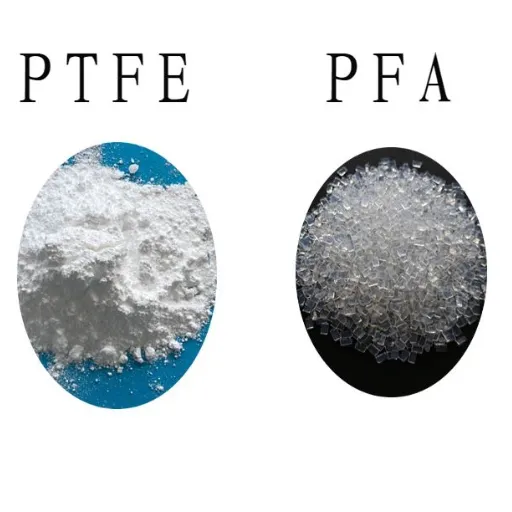
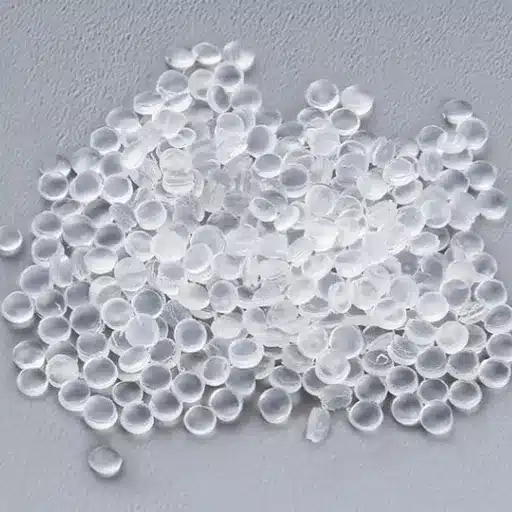
PFA (Perfluoroalkoxy alkane) and PTFE (Polytetrafluoroethylene) are among the modern high-performance fluoropolymers that exhibit excellent chemical resistance and great release and antistick properties. PTFE, widely used under the brand name Teflon, is an artificial fluoropolymer that has high temperature resistance, low friction and high dielectric characteristics. As a solid material, PTFE has extensive applications particularly in industrial applications that demand the provision of materials that are resistant to abrasion and will not easily react, e.g., surface coatings, gaskets and test tubes.
PFA, however, possesses many similarities with PTFE but offers enhanced formability and workability. Unlike PTFE, PFA can be processed in the molten state, making it convenient to mold into intricate shapes or thin coatings. PFA also exhibits slightly higher mechanical properties, transparency and resistance to stress cracking. All these factors make PFA ideal for demanding applications that require sophisticated or visually clear items, such as in chemical, electronics, medical and other areas. Both materials can be used in adverse conditions, but in practice, PFA will be chosen over PTFE or vice versa depending on the specific use in question.
Chemical Structure of PFA vs PTFE
Like PTFE, PFA is a fluoropolymer and its underlying chemistry is also composed of carbon and fluorine atoms. Menate except for one distinction, however. PTFE has many carbon atoms joined together with fully benzene fluorine atoms, which offers a solid structure that is highly stable, has all the strength of a substance and has an appreciable chemical resistance and low coefficient of friction. However, on the other face, because the structure of the PTFE is too rigid, processing is not an easy task.
Contrary to PTFE, PFA has a side group of perfluoroalkoxy in the molecular chain. This makes it more flexible and offers better thermal stability than PTFE though it does not take away the chemical resistance of the materials based on PTFE. With more than one side quaterna PFA is also much clearer than the other fluoropolymers and eases the complex shapes. This dispersive geometry has to be understood to determine the definite area of influence each material has in variety of applications.
Overview of Fluoropolymers
Fluoropolymers, special chemicals from the class of construction polymers, are very well-known for their protective properties. That is due to their high resistance to heat, ability to endure the corrosive environment and even friction, which allows them to outperform many other materials. Therefore, the use of these chemicals is of great value to a variety of industries. Good example of this is the use of these chemicals in the making of kitchen utensils since PTFE possesses an extremely smooth feel and supreme resistance against various effect existing chemicals and the latter property makes it a top choice among some of the most complex chemical and industrial coatings. In texture, PFA possess remarkable enhanced flexibility and optical clarity, so it is mainly used in such applications as the manufacture of semiconductor, and chemical, and also electrochemical plants or, in other words, facts.
Besides, there is a necessity for some other fluoropolymers, examples would be FEP (fluorinated ethylene propylene), which are known to exhibit excellent high-frequency electrical insulation character that are highly imperative in telecommunication and cabling. There were advancemenents in the development of fluoropolymer technology that increased the use in the new applications areas, such as renewable energy including fuel cells, and solar energy. Thereis a fair advantage for other types of materials over the fluoropolymers, however, their robustness, convenience, and their quality will speak for them always.
Key Differences Between PFA and PTFE
Physical Properties and Performance
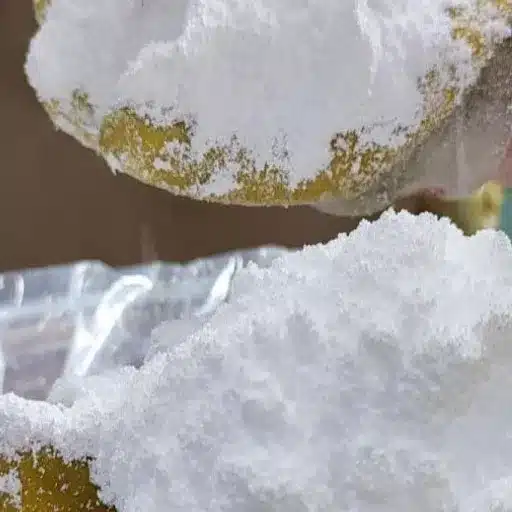
Perfluoroalkoxy alkane and Polytetrafluoroethylene are both fluoropolymers, however they possess distinct physical properties and carry out their functions in unique ways. PFA is the one known to be highly transparent and elastic. Such properties make it suitable for applications that require clear points and complicated outlines. It is optimal for use at high temperatures as it has a proven maximum usage temperature of approximately 260 degrees Celsius and it exhibits no detectable signs of damage.
Concerning PTFE, this material is best remembered for its excellent non-stick and ultra-low friction surface characteristics. It exhibits very good resistance to high temperatures as it can operate effectively within the temperature range of -200 to 250 degrees. The antifriction properties of PTFE and in particular the wear resistance and heavy and harsh conditions are the main subjects of our studies. PTFE has less flexibility than PFA, but it has higher mechancial strength at low temperatures. Which makes it a preferred material for seals, bearings, gaskets and other similar applications, where mechanical reslience is needed at a low temperature.
Chemical inertness and moisture resistance are two of the features that both materials possess. However, each possesses distinct properties which suit them more specifically to some industries over the other. Polytetrafluorethylene boasts of good flexibility and clarity and thus is widely used in microelectronics and medical devices. On the other hand, polytetrafluoroethylene, being very tough and with a non-stick surface, finds great use in high duty industrial applications. These distinctions help one to see the relevance of choosing the appropriate materials for the maximisation of advanced systems’ outputs.
Chemical Resistance and Stability
It is well known that, besides PTFE, PFA, with its chemical inertness, has been widely accepted in such industries where severe chemicals are used. As it becomes costly to use convenience weaken such stretchable polymers, the network of such chains that are also exact to such individuals to such a diction-renewal device with grommet or without it-manufactured to these purposes. However, the lack of long-term efficacy of the approaches towards this disease calls for more studies on the polymer’s structure and, in case more studies are conducted during which the grommets are avoided, the approaches of the grommets will also be overcome. An improvement in this area is the increase of the effectiveness of pain management and is with the good reason called a pain revolution or a breakthrough in pain care. Instead, the current devices push the abnormality out of the general trend and then place it in the general treatment zone.
Temperature Tolerance
PTFE is known for its remarkable ability to withstand temperatures as it is used across a variety of thermal conditions. PTFE is a polymer which is used at temperatures from as low as -200°C (-328°F) to as high as 260°C (500°F), showing no change in strength. Due to this, it can be used even in some of the demanding cold harsh situations such as cryogenic low pressure systems and at the opposite end of the scale in high temperature applications. Such idiosyncratic behavior guarantees chemical and physical integrity over long periods of exposure, enabling better performance during demanding procedures, typical of industries such as the space shuttle construction, vehicle assembly, and the production of goods in a factory.
Applications of PFA and PTFE in Various Industries
Semiconductor Manufacturing
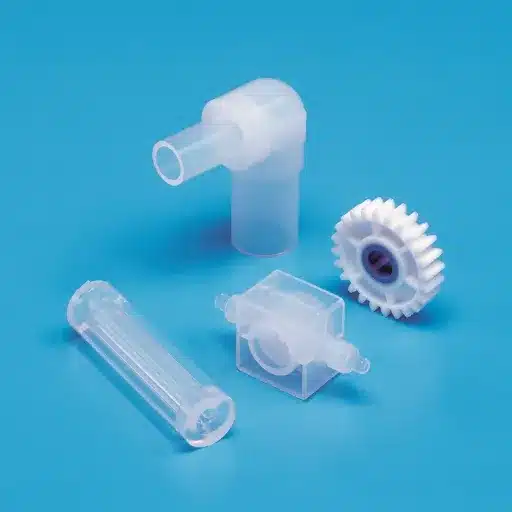
Semiconductor manufacturers prefer working with PFA (Perfluoroalkoxy alkane) and PTFE (Polytetrafluoroethylene) because of their outstanding chemical inertness, thermal stability and slippery nature. These materials are employed for applications such as fluid control systems, wafer handling devices, and etching installations and other high-performance critical components where they processing environment is fundamental. These materials retain their high quality when they are used at a far extent within processes of wafer cleaning and etching – they do not undergo degradation at the aggressive media. Besides, these two polymers hardly emit any volatile substances, which is a plus in maintaining the level of purity for various cleanings and processing micro-level details on wafers. Both PFA and PTFE which under outgassing to help in maintaining a contamination free environment which is necessary for the precise fabrication at submicron scales. In fact, EPFL is involved in projects that promote better performance using these materials-enhanced miles in the manufacture of semiconductors.
Aerospace Industry Uses
PFA and PTFE are irreplaceable materials for different applications essentially because of their properties in the world of the aerospace field. Highly resistant to absurdly high and low temperatures, they present all the more reason for their increased use in ultra-thin films and other very thin barrier coatings within the airspace components. PFA and PTFE can be ranked as one of the lightest viable materials available on the market, and this has had major implications on the environment because aircraft and spacecraft designs have become lighter over time, hence enhancing fuel economy and efficiency levels. Fuelling systems, electrical wires, and seals are a few examples of these systems where PFA and PTFE can be found as they do not decompose upon contact with most chemical substances and are physically robust. When modern technology and processes are used, the usefulness of PFA or PTFE expands in terms of supporting even more advanced applications within the aerospace industry.
Comparative Use in Chemical Processing
PFA and PTFE are highly prized by the chemical processing sector on grounds of their excellent resistance to chemicals and high-temperature environments. Despite the fact that both can resist the influence of a wide range of chemicals and high temperatures, the differences in flexibility and mechanical properties rule that the applications are different. PTFE, best known for its superior characteristics of wear and low friction, is usually effective when applied in systems like apparati, sealing and corrosion resistant liners under chemical environments. As for PFA, this is a kind of material with enhanced toughness and processability, which is well suited for production of conductive components such as piping, pump casings and valve appendages, among others. The emergence of new technologies in the processing field has also added or rather influenced cables and methodologies aiming at improving the performance as well as the reliability of the above materials in order to meet the modern chemical processing needs. It is important to note that, their use has been advanced by their ability to enhance safety, performance and long – term maintenance of the object constructed.
PFA and FEP: Understanding Their Relationship
Differences Between PFA and FEP
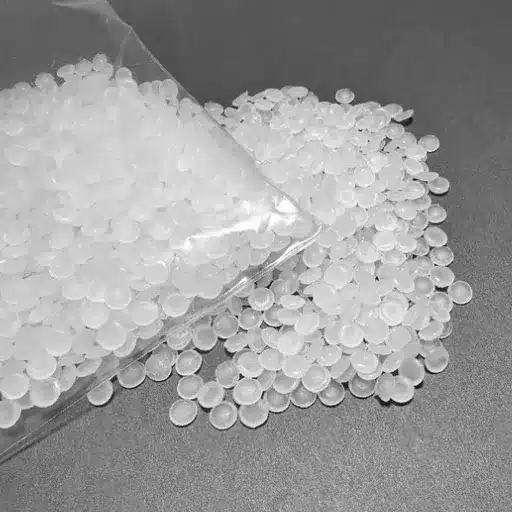
Both PFA (Perfluoroalkoxy) and FEP (Fluorinated Ethylene Propylene) are both members of the fluoropolymer family and have several features in common, however various applications require certain properties which has led to their distinction based on performance. In particular, PFA has the ability to withstand higher temperatures thereby it cannot lose its chemical and mechanical properties unlike in FEP. This makes it an available choice for use in very challenging conditions, such as chemical reactors and extreme temperatures.
Contrary to the above, FEP is an easier and cheaper option for most manufacture processes. It is more flexible and easier to shape and this is why it is particularly advantageous in situations where accuracy in shaping is needed like in the case of wire coatings or thin gas tubing. Also, FEP tends to be more clarity-benefited as opposed to PFA making it ideal for industries where clear transparency is needed for precise judgement.
Another identification factor finds in the mechanical properties of materials. PFA generally has more tensile and wear resistance while FEP has less of that but has a bit of disadvantage in elasticity. The cost factor does not go far as FEP is less costly in most cases due to its low molecular weight, and PFA is attractive in terms of performance and service hence attracts its level of pricing. These variances allow the factory (because all the manufacturers will not utilize such materials once yet) to find the best possible material according to such demands of the said resistance properties, that is, chemical, corrosion, thermal and mechanical resistance.
Applications of FEP in Industry
The unique properties of Fluorinated Ethylene Propylene, FEP make it compatible for use in several applications across different industries such as its resistance to chemicals, non-adhesivenatur, chemicals marking, excellent thermal characteristics. It is specifically widely used in the production of wire and cable insulation. In this case, it is the best material in terms of dielectric properties and resistance to high temperatures. And the fields that involve chemical and pharmaceutical excesses are also in need of this material as it is non-addictive and can behave like it has been with eluting, oral forms, dropper, or other types of delivery systems.
Apart from these, Chemours’ FlouroFlex™ PTFE non-stick surface is also used in the production of release films for composite molding and as a protective layer in the manufacturing of industrial rollers for more efficient production processes. FEP, with a food contact status approved by the FDA, is an integral component to the conveyor belts and processing equipment of the food and beverage industry as this helps to maintain hygiene and productivity. The wide usability of FEP makes it indispensable in numerous cases, and fosters efficient working in even the most difficult industrial conditions.
Comparison of PFA, PTFE, and FEP
PFA (Perfluoroalkoxy), PTFE (Polytetrafluoroethylene), and FEP (Fluorinated Ethylene Propylene) are all fluoropolymers that exhibit different chemical and surface features and thus worth in a given industry. In terms of their physical and chemical properties, these materials are very similar, but differ greatly in their structural arrangement, operational strength and mode forms of such polymers.
This especially applies to PFA which is highly appreciated, among other things, as it retains structural strength and spatial dimensions at high temperatures, usually at temperatures not exceeding 500°F (250°C). This is the ultimate in advanced material technology: being completely chemical resistant and at the same time as flexible as FEP to be able to be used in resin bearings, gaskets and valves for corrosive chemical and in clean rooms for chemical processing in the semiconductor industry.
Polytetrafluoroethylene, or PTFE, perhaps the most utilized of all fluoropolymers, is valued for its ability to resist almost all chemicals. Without any doubt, it retains its shape over a wide range of easily workable temperatures and remains the kind of solid which offers the least resistance against sliding friction. On the bad note antom skull, its mechanical properties are somewhat inferior to those of PFA and FEP, therefore, it may be unsuitable for super thin or highly flexible constructions. This is especially relevant in them and their use, Placement of the last sentence, Over 620°F (327°C), the melting point of Teflon is extremely highvdue to which the polymer can be used in high – heat environments.
FEP which has a high melting point of around 500°F after which is stronger, since it is high melting and stronger it permits easy processing of Plastic for Engineering tool applications. Expect for the fact that Fep’s melting point equals and cannot withstand high temperature like ptfe and pfa, it relents up to a temperature of 400°F (204°C) which is its fairly mild boiling point. Instead, Fep enables an emphatic benefit on a considerable different of the materials industries since its translucent and low topographies are perfect for inspection and paint. Food and beverage applications or plates and other foodgrade packaging materials by food processers make criticism true for fep as a consideration.
These are all useful information with engineer and designer opening a possible understanding of what will be more suitable in which cases depending on the given application’s specific demands from any aspects such as heat, chemicals, or the severity of applied forces. In the absence of the durability and characteristics of the fusion of two different components, everyone including two separate components do play a significant role in modern society.
Choosing Between PFA and PTFE
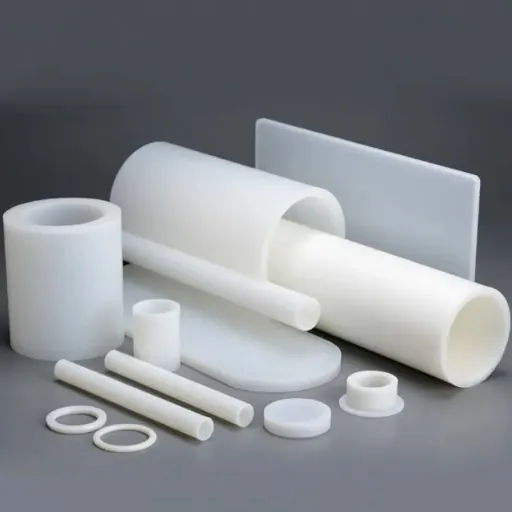
Factors to Consider in Selection
When comparing PFA and PTFE, several critical parameters must be taken into account to determine if the material is suitable for the intended application. Above all, thermal behavior stands out as both materials can operate efficiently in high-temperature conditions, but PFA has better fatigue resistance in the repeatable thermal applications. There is also a factor of chemical compatibility as this category of materials can handle different juices and alkaline solutions, however, Polymer FEP has an added advantage in steam stream dynamic conditions due to the higher flexibility at high temperatures.
Also, mechanical properties and processing of the materials should be considered. PTFE is known as a high strength material and a low friction surface therefore it is very suitable for purpose of wear resistance. However, at the expense of the ability for PFA to be injection moulded, rather more complex forms and patterns are made.
Engineers must also consider other aspects in the decision making process, such as the cost and the working environment. Although PTFE generally has a cheaper price, the need for a transparent, flexible and better flow of the fluid if the application so demands is quite a high possibility that is why the option of PFA might be more applicable. It is therefore important that engineers critically limit these forces so that they can structurally spend their expertise as well as monetary resources.
Future Trends in Fluoropolymer Applications
As far as I’m concerned, the future of fluoro polymer application is very good. This is spurred by the advancements made in technology, coupled with the changing demands in the industries. One of the major aspects is the increase in the use of sustainable products and materials which are environmentally friendly. Companies have engaged in the research of fluoropolymers that have sustainability in mind, which leads to more than just a mere reduction in environmental footprint. The orientation is compatible with a global orientation towards sustainability, which becomes a settlement for development and also utilization of materials. Furthermore, there is a large number of attempts are made to improve production processes including pollution control and energy efficiency without exception to modern useful features of fluoro polymers manufacturing.
An additional prominent point at this juncture is the development of fluoropolymers in relatively new sectors – renewable energy and electric vehicles (EVs). For example, while lithium-ion batteries continue to be more sought after, kalecpectroflora are being used for improvement of battery capacity, reliability, and lifespan by way of separators, retainers, and other coatings. Similarly, due to their chemical inertness, resistance to wear and external corrosive elements, they are also indispensable for the production of fuel cells and solar panels. This is a typical example of how instead of adjusting to changes, fluoropolymers are consistently inspiring advancements in these industries.
Finally, the quick-paced evolution of medical and healthcare-related equipment inserts fluorocarbon applications as well. Their excellent surfact character, sterility, and form resistant to chemical compounds makes fluoropolymers a perfect material for equipment employed in the surgical field, for medical tubing as well as for replacing medical implants. In all, these two broad factors are believed to have possibly pushed the development of fluoropolymers, they are being asked to solve new problems which they have not faced even in this modern-day.
Final Thoughts on PFA vs PTFE
In choosing PFA (Perfluoroalkoxy Alkane) rather than PTFE (Polytetrafluoroethylene), I think much of it hinges upon the actual requirement of the application. The two materials are classified as perfluorinated polymers and are often characterized by high chemical resistance, non-stick properties, and high thermal power. One has to understand, however, that PFA is considerably less refractory and more virgate apart from being translucent. Hence, this kind of a quality will be compelling and efficient in applications such as the monitoring of processes or even the seamless molding process (i.e. trifles left behind). On the other hand, for precise operations such as in the semi-conductor industry, PFA’s properties become very important in many instances.
In addition, in the industry PTFE is still the first choice because it is cost-effective and highly useful. PTFE has an accommodative design with its unique property of very low friction and natural durability in a number of harsh environmental conditions, is often utilized for various applications such as gaskets, seals and non-stick coatings. Although PTFE is definitely less flexible compared to PFA and cannot fit intricate forms, it will make mechanical distortions recoverable in some designs.
Lastly, it is a matter of performance targets versus budgets rather than exception of PFA or Teflon. For highly performing and very fine applications, for example found in the semiconductor manufacturing plants or in the medical field, PFA could be a high priority. However, there are various industrial applications that require practical materials where Teflon is known for those applications are a low cost and practical solution that is easy to work with.
Reference Sources
-
Study on Application of PTFE, FEP, and PFA Fluoropolymers – ScienceDirect – Explores the properties and applications of various fluoropolymers, including PTFE and PFA.
-
Comparison of Properties of PTFE, PFA, FEP, and ETFE – ResearchGate – Examines the effects of thermal oxidative aging on these materials.
-
The Wettability of Fluoropolymer Surfaces – Dr. Lee Group – Classifies fluoropolymers and discusses their surface properties.
Frequently Asked Questions (FAQs)
How do you explain the difference between PFA and PTFE regarding the polymer varieties?
PFA is a copolymer of perfluoroalkoxy rather than tetrafluoroethylene; however, like PTFE, it is a man-made polymer that consists of fluorocarbon carbon and fluorine with highly stable carbon-fluorine bonds protecting it effectively from most chemical attacks. PFA on the contrary contains from perfluoroalkoxy side groups that offer the advantage of molten processing of the material so it can easily undergo conventional injection molding and extrusion, unlike PTFE. A typical thermal processing of PTFE is called sintering because the fluoropolymers are not possible to be melted. The difference in how the two are arranged in the polymer PFA is of a lower viscosity Karen molding since compared to the PTFE. These resins fire more easily and have even more difficulties than the PFA equivalents due to their content. Although both of the materials are widely known for their antioxidative, and resistant to heat as well chemicals and solvents, the ability of the materials to resist heat, and their reaction to heat are different. The differences in the hydrochloric of the resin followed by thermal treatment differences can be explained by saying that PFA is a modified version of PTFE which is equally resistant to chemical attack without the need for additional methods of processing as that required by using undiluted PTFE.
How Do Low Friction and Non-stick Characteristics of PFA compare with PTFE?
PFA and PTFE have low friction coefficient that is due to the presence of fluorine atoms and the presence of fluorocarbon main chain, both have excellent non-stick coating and release properties. PTF typically comes with the lowest coefficient of friction and is therefore used in applications that require the least amount of frictional force whereas the PFA is just a bit better than PTF so has a low friction coefficient, still to a remarkable level. PFA’s polymerization allows design for highly complex pfa toothed parts and pfa tubes which carry an anti-sticking coatings that can be used in equipment and semiconductor. For mechanical components, specially sliding ones, subjected to heavy loads and containing parts working with relative motion; the material concept shall address PTF’s stress relaxation properties and PFA’s better processability and creep recovery characteristics in particular configurations. These properties make the two materials suitable choices when non stick qualities and chemical resistance are demanded in place of the many other thermoplastics.
Can PFA or PTFE be used for high-temperature and extreme temperature service?
It is worth mentioning that both PTFE and PFA boast of high temperature resistance and function well over a broad range of temperature therefore they can withstand applications of harsh temperatures. PTFE normally has a higher melting point and can survive at incredibly high temperatures while retaining is thermally induced chemical stability. PFA on the other hand also seen as a thermally stable polymer and offers good strength as a High Temperature polymer and it can be melted processed as well. In regular use, these materials retain chemical inertness and do not degrade at elevated temperatures, although the particular conditions may vary depending on the polymer grade and the intended use. In situations where electrical insulation is required at high temperature, the values of dielectric strength and dissipation factor should be taken into account because PTFE has a higher dielectric strength than many other polymers. In such cases, preference should be given to one of the two, with regard to their processability and the expected operational temperatures.
Which material is better for tubing and chemical handling: PFA tubing or PTFE tubing?
Exactly for these revolutionary properties “PFA” is – perfluoro-alkoxy alkane, and precisely its tubing; widely used for reasons discussed in relation to the processes of cleaning in place and sterilization in place; PFA is tailormade for the purity of ultra-clean applications given its outstanding chemical inertness, while on the other hand, it cannot be adapted very well into cipp. To complete the list of peace-keeping features that can meet the demand of a particular application, it may be mentioned that it’s light in weight, highly cleanable, and high grade AD tubing possesses anti-memory effect so that it can be used without harnesses in many applications. PFA is generally unlined, and is offered with a uniform wall-thickness but zirconium-polytetrafluoroethylene coatings are available on request. For wear and tear, abrasion proofing and flexibility reinforcement, FEP tubing fitted with PTFE jackets or linings is also ready for delivery. Clients’ joint efforts have started delivering results, and first commercial lots of granulary materials have already been transferred to customers for testing on their equipment. Consumers agree that nylon and other materials like buckylics and vitonized polyamide can be used for applications, including the construction of pressure tanks, pipes, and wristwatches. Polyvinyl chloride works very well with generally everything as long as there is no need for heat below the higher range.
How do electrical properties like dielectric strength and insulation compare between the two?
PFTE as well as PFA are both great, technologically advanced and processed polymers which offer great electrical resistance properties together with much lower dissipation factor This makes them suitable for electronic and other electrical applications wherever high performance is mandatory. Although PTFE exhibits the best dielectric strength characteristics and electrical effects even at elevated temperatures, the same stands for PFA as well, but with very high dielectric strength and uniform insulation having slightly different dissipation factor values. The high temperature processability of PFA enables it to be used in the making of electric wires with insulation, jacketing of cables and chemical equipment bag linings. These portions: insulated wiring, cables, and chemical equipment bag – all have dielectric properties with high chemical resistance. In such cases the ultimate in dielectric performance may require PTFE, but in most cases, PFA with temperature limitations will offer electrical properties together with manufacturablity. Electroasiatic performance: frequency reliability, dielectric strength and temperature variations for these films are to be verified in the appropriate data-sheets.
Are there differences in chemical resistance and solvent resistance between PFA and PTFE?
Both plastic types, gf and PTFE coatings are resistant to most chemicals and act as barriers to more than 95% of the aggressive reagents. The main reason behind this is a high chemical resistance and extreme inertness to PTFE since fluorine is highly electronegative and carbon-fluorine bonds have high stability. PTFE is still the gold standard in terms of chemical suppression and non-chemiA select number of reagents are reported to offer some amount of resistance while dealing with plastic components such as flexible flat glidepath materials and scaffolds that are used in dental implantology. Beyond the obvious chemical compatibility, the PTFE and counterpart PFA are able to be added to the aggressive environment list and popular uses of this polymer are similar to that of PTFE. Transition to PFA is essential for the production of high purity process equipment and for semiconductor and Pharmaceutical industry, high purity process PFA pad components are used during the process. In the most aggressive and most oxidizing environments, PTFE can offer somewhat more resistance, on most real installations PFA provides the same advantages with the advantage of being able to be processed in the melt form. Always consider the specific chemical, temperature, and mechanical stresses when comparing materials for chemical equipment or solvent exposure.