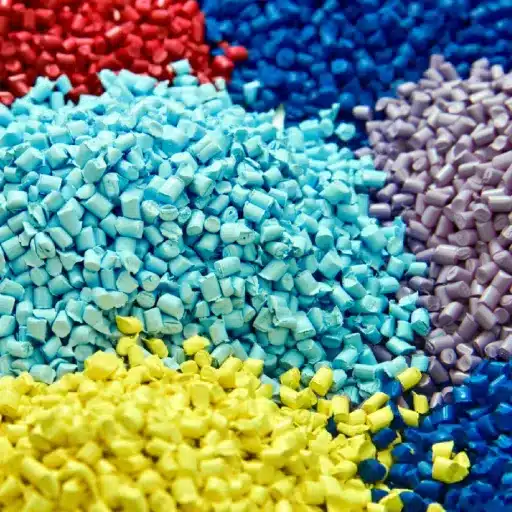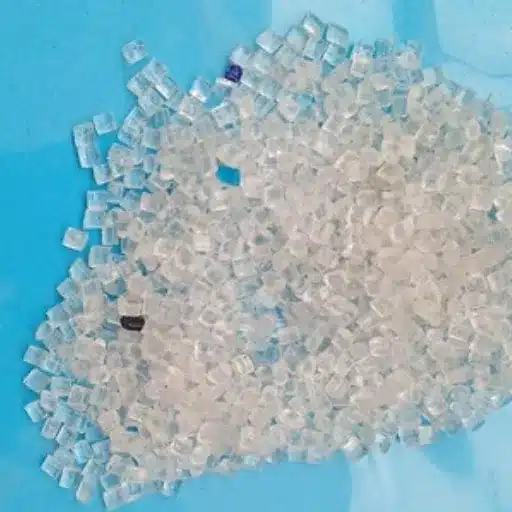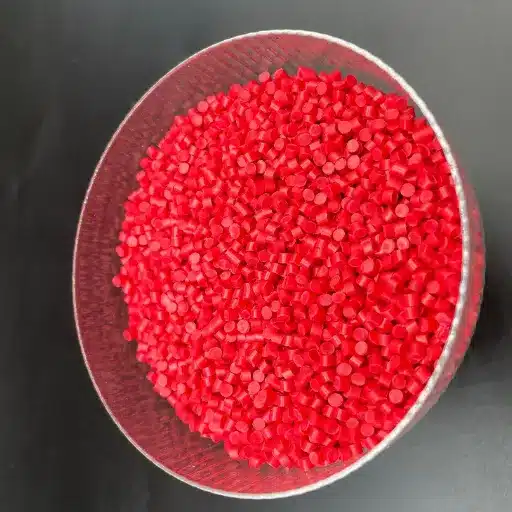
Selecting the best material for your forthcoming project is a big responsibility, and choosing between Thermoplastic Elastomers (TPE) and silicone rubber can greatly influence the performance, durability, and cost-effectiveness. These being the qualities and respective advantages maintained in the two materials on purpose to serve different needs, it is crucial to have a clear idea of the distinctions in a way they are represented through the materials. The differences in the materials are presented in the quite comprehensive way in this document, and even if you are concerned about the heat-resistant capacities of the materials, or the lack of it, you will still be happy to find some of the breathrough points made through this comparison. Turn on to see how these materials are compared to each other and how the one that most likely fulfills your requirements is determined.
Understanding TPE and Silicone Rubber
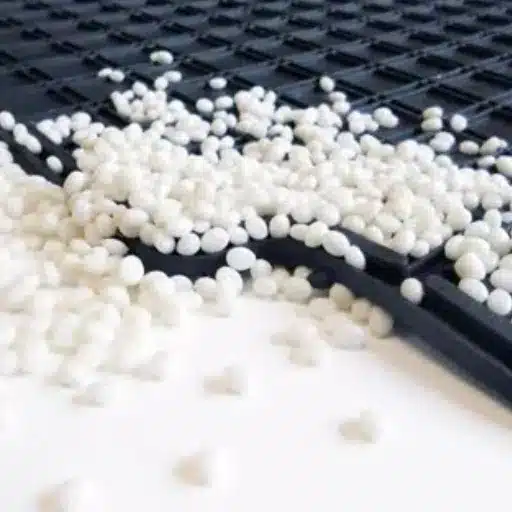
Explanation of Third Party Export (TPE) and Silicone
Thermoplastic Elastomers (TPE)
“TPEs, or otherwise known as Thermoplastic Elastomers, consist of a group of materials that manage to absorb the features of two opposite sides of the spectrum in the form of elasticity and processability, respectively the elasticity of rubber the processability of tailor-made thermoplastics. Thus, TPEs are often described as polymer materials with rubber characteristics.” Their physical structure is such that they can be molten, shaped, and then solidified and the process can be repeated many times without any major changes, whereas rubber vulcanization only allowed one processing cycle. As a result, TPEs are versatile materials used in a wide range of applications within the manufacturing industry. TPEs are characterized by very good bendability, impact strength, and a wide range of hardness levels so they can be used in the automotive, medicine, and consumer products sectors. Moreover, the introduction of some types of UV-stable and chemically resistant TPE additives has already increased the range of applications of TPEs.
Silicone Rubber
Silicone rubber comes from the polymer of silicon, carbon, oxygen, and hydrogen. It stands out for its high thermal resistance – it can work well even in temperatures as low as -50°C and as high as 250°C – and exceptional chemical inertness, which is why it is used in medical devices, and electrical insulation, as well as high-performance seals. Silicone rubber is also by nature hydrophobic, which means it will not absorb or be degraded when exposed to moisture. Improvements in silicone technology like increased tensile strength and more resistance to compression set are among the factors that will ensure its popularity in a myriad of precision-driven industries for the time to come.
Overview of Thermoplastic Elastomers
Due to their molecular structuring, TPE’s class represents polymers, where both thermoplastic and elastomeric characteristics are combined together to provide the beneficial properties. The rubber-like elasticity and softness are present in them, whereas the advantages of processing, recyclability, and long life are the same as the ones of thermoplastics. The duality of the material is based on the TPE’s structural design, which comprises a linked hard and soft region, thus enabling them to have elastic properties in their natural state and become thermoplastics at high temperatures.
There are various classes of TPEs in which some examples are styrene block copolymers (SBCs), thermoplastic polyurethanes (TPUs), thermoplastic vulcanizates (TPVs), copolyester elastomers (COPEs), and polyolefin elastomers (POEs). These are the materials which are considered the versatile for their properties that can be the strength, stiffness, or resiliency. For example, TPUs are widely used in automotive and footwear printing because of their excellent abrasion resistance, while TPVs are the materials from which most of the gaskets and seals used in the automotive industry are very often made.
Industry Evolution: Development of TPE formulation has been an ever-evolving process that led to the rise of these materials for various applications and their use in the market. The application of effective processing techniques, better filler compatibility, as well as low-temperature performance modifications has significantly increased the application of TPEs. For instance, they are now more visible in the primary industry divisions such as medical, electronics, and even the packaging sector. On top of that, the development of recyclable and bio-based TPEs is a step in the right direction to reduce environmental concerns and to establish a circular economy.
Properties of Silicone Rubber
Silicone rubber is a very adaptable elastomer identified by its physical and chemical properties, which are not found together in a different polymer, in the area of numerous applications of the industrial and commercial world. It may be said that in the scale of -60°C to + 230°C, there are a number of possibilities that one may use it to. There are also some specialized types of rubber that can be used in temperatures that are far below and above the above-mentioned temperature range. One of the most important characteristics of silicone rubber is that it is very stable in terms of reactions of light. It does not change or it does not change much if the light remains the same. Additionally, it does not react with the corresponding chemical. Moreover, oxygen does not react with silicone rubber, as well as, it is an indifferent component.
Moreover, I would like to point out that silicone rubber is completely non-reactive chemically, so it is able to keep the compatibility with a lot of compounds that are reactive, and this is a very crucial factor in the applications of this kind in medicine and the food industry. A very high degree of electrical insulation is another feature it offers, hence it is the first choice for electronic and power system parts. What is more, besides the silicone having an amazing stretching and compressing ability at the same time and maintaining its mechanical integrity, there is the rare case of breaking even when applied repeated stress or flatted. This material is now being prepared in newly devised methods for it has turned out to be better in two ways—high tear strength and improved biocompatibility, apart from the fact that its medical and similar applications are increasing and that it is widely used in the industries like healthcare, automotive, and aerospace, some of which it had already been used in.
Key Differences Between TPE and Silicone
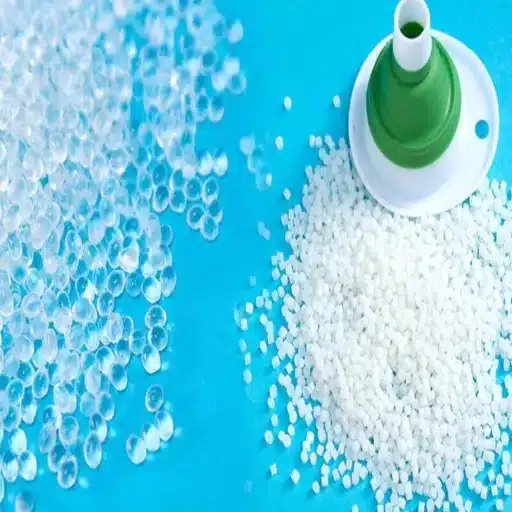
Material Composition and Structure
Even though they are both elastomeric materials, thermoplastic elastomers (TPE) and silicone have very different composition and structure features. TPE is a group of copolymers or physical blend of polymers, usually being a hard thermoplastic phase dispersed within a soft elastomeric phase. Owing to this special composition, TPE can exhibit both the rubber-like elasticity and the plastics-like processability, thus, giving manufacturers optional manufacturing steps like injection molding and extrusion.
Silicone, however, is mainly made up of silicon-oxygen (Si-O) backbone chains. This is the reason for its extremely good thermal stability, chemical resistance, and flexibleness. Being a cross-linked polymer, silicone is superior to TPE especially in its long-term durability at extreme temperatures. The variation in their compositions is one of the reasons for the use of TPE in cost-effective and lightweight products and for silicone in applications where the product needs to have a very high level of environmental and chemical stress resistance.
Durability and Temperature Resistance
The evaluation of materials in industrial and consumer applications demands the consideration of two essential factors, durability and temperature resistance. It is usually only that thermoplastic elastomers (TPE) show moderate climate resistivity, working quite well in an area from -40°F to 250°F. They can be classified as the basic but right choice for many applications; however, the use of these materials is not safe from the point of view of their life cycle when the materials are put through extreme temperature conditions for a longer time, producing the eventual effects of softening, hardening, or deformation and hence being not so much reliable in tough environmental conditions.
On the other hand, silicone stands out in terms of its excellent performance owing to its very sturdy, crosslinked molecular structure. Since it can be exposed to temperatures as low as -100°F and as high as 500°F, silicone parts do not deteriorate either in terms of operational quality or in regards to the mechanical and flexible nature. Another point in favor of silicone is that it is a material that does not degrade under the effects of ultraviolet (UV) light, and other environmental elements such as ozone so it is one of the best choices for hardly endurable fields like aerospace, medical, and automobile. Its high thermally and weathering resistant characteristics, therefore, provide the essential capability of silicone to outperform and last even longer than required.
Biocompatibility of TPE vs Silicone
Nevertheless, TPEs and silicone are to a certain extent comparable in terms of biocompatibility. They substantially differ in performance because they are relied upon for diverse applications. TPEs indeed form a group of polymers that is extremely flexible like rubber and meanwhile, easy to process like thermoplastics hence their high adaptability. Their use is mostly in objects such as medical tubes and portable appliances in the case of sterilization ability and at the same time, having only little susceptibility to be biodegradeole. Nevertheless, compared to silicone, besides that TPEs are much less restricted in space utility and chemical attack.
Medical Applications: Silicone, however, provides great biocompatibility, especially in medical implants and medical device applications that last for a long time. The fact that it is inert greatly reduces any potential biological reaction risks, and the very high resistance to temperature fluctuations and to various chemicals make the material suitable for the most demanding environments. Silicone has been researched in great detail and is regarded as the best material for biocompatibility for essential medical applications. TPE versus silicone is, in the end, a choice made along the lines of mechanical flexibility, chemical resistance, cost limitations, and the duration of biocompatible usage.
Applications of TPE and Silicone Rubber
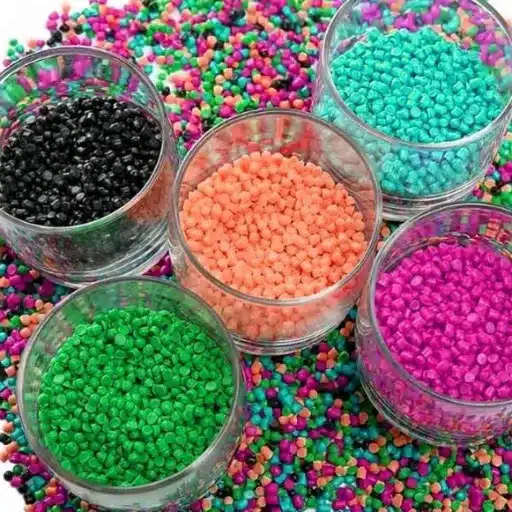
Common Uses of TPE
Thermoplastic elastomers (TPEs) are used in many industries due to the fact that they can be shaped, they are long-lasting and they are easy to deal with. In the automotive sector, the leading application of them is their roles in the manufacture of seals, gaskets, and interior parts all provided with flexibility and vibration resistance by TPEs. TPEs are also important contributors to the making of consumer products, like the soft-touch grips of tools, toothbrushes, and kitchen utensils, giving the users a comfortable and at the same time very functional grip.
Automotive Industry
Seals, gaskets, and interior parts with flexibility and vibration resistance
Consumer Products
Soft-touch grips for tools, toothbrushes, and kitchen utensils
Medical Sector
Tubing, sealing, and connectors requiring frequent sterilization
Electronics Industry
Cable insulation and protective cases with abrasion resistance
The medical sector greatly profits of the biocompatibility of TPE by using it in various ways such as tubing, sealing, and connectors. The properties of this material are adequate for products requiring frequent sterilization while the integrity is not compromised. Another area where TPE is hugely deployed in the electronics industry for cable insulation and protective case production, thus, bringing along abrasive resistant and shock-absorbing functionalities. The recyclability of the material and its capability to interface with other plastics are the reasons it is more and more being selected for sustainable product development projects.
Industry Applications for Silicone Rubber
Silicone rubber has the distinction of being a tough heated, flexible polymer which is unsuitable for other polymeric applications only because of its thermal stability, flexibility, and resistance to extreme environmental conditions. A prime example of this is automotive industry where the material is closely linked with engine gaskets, seals, and hoses due to its ability to stand high temperature, and being resistant to oils and fuels. Besides, silicone rubber is vital for the health sector where it is the preferred material for medical devices, tubing, and prosthetics due to its biocompatibility and capability to survive repeated sterilization processes without degrading.
The electronic industry is another beneficiary of silicone rubber, and that will be to a large extent mainly by making insulation materials for wires, connectors, and keypads due to its dielectric properties and capacity to withstand heat and electricity. In addition to this, silicone rubber has become a must-have material in the construction industry due to the use of it for sealants, adhesives, and coatings, as it is not spoilt by the environmental conditions and exposure to UV light and typical temperature changes. The silicone technology has grown in the industrial sector making it more and more efficient and hence enabling it to come out with new solutions in areas like renewable energy and the aerospace industry.
Selecting Between TPE and Silicone for Specific Applications
When choosing thermoplastic elastomers (TPE) or silicone for particular applications, it is necessary to measure their material properties against the needs of the proposed usage. TPE is a material with flexibility, processability, and price being the main aspects taken into consideration when choosing material, which makes it to be the appropriate material for the high-production-volume goods like auto parts, consumer goods, and medical devices. Refurbishing and reshaping as well are the qualities that also lead to TPE giving more benefits and options in terms of both the economy and the environment.
Decision Framework: Indeed, the decision to go with TPE or silicone relies on a detailed evaluation of performance specifications, environmental conditions, regulatory compliance, and financial limiting factors. With the help of the latest material science developments that are purposely made for the intended usage, the manufacturers can go for the best solution that is in line with their application’s major concerns as well as functional requirements.
Manufacturing Processes: Injection Molding and Beyond
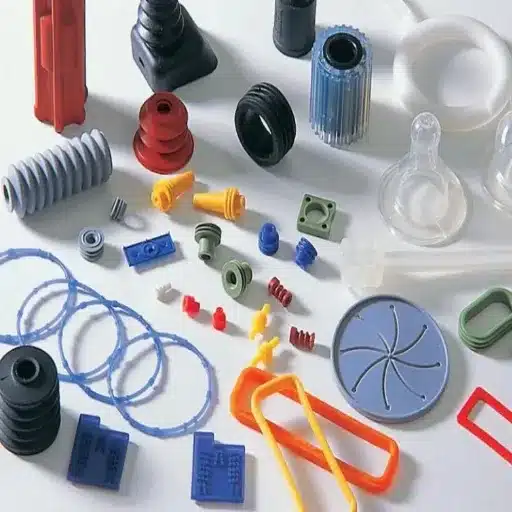
The Injection Molding Process for TPE
One of the primary techniques utilized in the production of thermoplastic elastomer-based parts is TPE injection molding, which is essentially a well-structured, predictable, and repeatable procedure geared towards the fabrication of accurate and durable components. A sequence of steps is initiated with the availability of certain grades of TPE to be used. Properties like hardness, elasticity, and thermal conductivity help in the classification of materials, and the material selected is then poured into the machine barrel, which has a high temperature for plasticization. Operating temperature does it give a more uniform mixing of the plastic with no water or air left over due to the heat.
Once the Thermoplastic Elastomer (TPE) has reached the optimal temperature and viscosity, it will be transferred to a pre-designed mold through high-pressure injection. The tooling, which is typically constructed from the strong and durable materials—hardened steel or aluminum, has been engineered with very tight tolerances, so the final product dimensions meet/satisfy the specified criteria. Cooling channels inside the mold which helps in quick and efficient heat dissipation will assist in the solidification of the material. The cycle time could differ based on the part complexity, the thickness of the walls, and the material composition but without any second thought, it will usually be rounded up such that the throughput becomes the largest.
Advanced Technology: Processes in post-molding are commonly comprised of demolding, trimming the product, and sometimes additional operations such as overmolding or surface treatments, in case these are necessary to improve the appearance and the functions. New techniques in the plastics molding technology – the modern all-electric machines, real-time monitoring systems, and automation have played a big role in the enhancement of the precision of the process, the reduction of the cycle time, and the decrease of the amount of scrap. Those things together make that the TPE parts satisfy all the quality requirements and, at the same time, they are cost-effective, which is definitely the reason why injection molding has become a demanded method of production in every field.
Silicone Parts Production Techniques
There are a number of unique methods in the production of silicone parts that have been developed to the point where they can pass the performance and durability tests aimed at the medical, automotive and consumer goods industries. The most widely used processes are the liquid silicone rubber (LSR) injection molding, compression molding, and transfer molding. And the in particular, molded LSR injection is very advantageous as it can make shapes having highly complex geometries and high accuracy at the same time due to the special flow ability of the material. This method is often done with closed-loop systems maintaining the same rate and temperature, which are very significant in achieving part uniformity, as well as controlling the cycle.
Another popular alternative is compression molding, which is the top choice when dealing with the need for strong and robust components or bigger part sizes. The method is carried out by putting the measured silicone material in a heated mold cavity first, then pressing overs to cure under pressure the material. A transfer molding machine, a mix of compression and injection methods, allows for the production of the more and more demanded shapes with the use of their encapsulation needs or by inserting other parts.
Advanced technology and highly automated workplaces have boosted the efficiency of many industries including the silicone sector. This is even more so in the case of sectors like healthcare where the parts being manufactured have to be very sensitive. Methods like flashless molding and micro-molding are now available, through which perfect parts in terms of both properties and dimensions can be made with up to 90% less energy consumption, and after that, no post-processing is needed. Through the introduction and continuous refinements in the field of material formulations and process technologies, silicone component production has been and will be continuously customized to the new trends in high-performance and eco-sustainability applications.
Comparison of manufacturing methods in terms of efficiency
The success of the manufacturing techniques strongly relies on the particular usage, the material features, and the production needs. Moving on, injection molding is one of the most well-known methods for its capability to produce in large amounts and with high precision, especially in the case of complicated parts. The technology provides not only good quality of components but also lesser material waste, which makes it such a favorite in the automotive and healthcare sectors. Yet, as a result, the already mentioned tooling cost is rather expensive and not profitable for small-scale productions.
Additive manufacturing, also known as 3D printing, is now a very popular method for small-scale production, and also as an alternative for prototyping. Thus, it allows the creation of geometries that are either very complex or could not be economical if traditional methods were to be used. Moreover, material wastage is essentially zero in additive manufacturing as the parts are built one by one and the material left is often recyclable. Even with all these advantages, the method is slower and less cost-effective when it comes to large-scale production.
Hybrid Manufacturing: Improvisation of that aspect will show why it is significant to bring together manufacturing methods and the requirements of production and project purposes. Along with the additive manufacturing that is mostly seen during the recent days, hybrid manufacturing is bringing a new side to the metal industry. Thus combining additive and subtractive techniques. This way workshops, and foundries will benefit from the fast developing technology, as manufacturers would be able to produce smarter, cheaper, and faster. There should be a fearless and effortful (strategic) plan in the process of selecting the best form of technology which is the case for the line of machine tools.
Making an Informed Choice: TPE vs Silicone
Factors to Consider When Choosing Between TPE and Silicone
My first step when considering between thermoplastic elastomers (TPE) and silicone is to compare application requirements, i.e., mechanical properties, strength, and the environment. TPE is the most Frequent kind of material and is characterized by its high flexibility, which is very useful in situations when the material is subjected to frequent bending or stretching. In case of one having a low budget, one can go for TPE because it is much cheaper and at the same time it is recyclable so it is also an environmentally friendly option. However, the disadvantage of the same material is that it has a lower resistance to heat and chemicals, so it is not suitable for making it big in the most demanding processes.
Silicone fares reasonably well as far as thermal and chemical stability is concerned. It can remain stable over a vast range of temperatures and can also resist UV rays, ozone, and harsh chemicals, thus making it perfect for medical, auto, and industrial applications. The other advantage of silicone is that it is hypoallergenic, which is an important feature for gear that babies use and medical devices. The deviation from the benchmark price being one of the cons, I would still prefer silicone for its durability and performance, hence the cost difference is of less concern to me.
Key Takeaway: In the end, there is no strict rule for the selection of the type of polymer between TPE and silicone as it will mostly depend on the application’s functional requirements, the imposed budget limitations, and the environmental aspects. Therefore, through a systematic assessment of these criteria, I could potentially have a clear and sound ruling on the material choice that would best suit my intended use as well as improve the performance at the same time.
Cost-Effectiveness and Material Sourcing
Systematic approach could play a decisive role in figuring out if a certain material sourcing strategy is a cost-effective one looking from the economic and sustainable aspects. My studies show that silicone, for instance, almost always means higher costs in the beginning because its production processes are so complicated that they require the extraction of quartz and a lot of energy for refinement. At the same time, its durability and resistance to extreme temperatures are such that the lower replacement and even maintenance costs give us a more profitable choice for the long term applications in which performance and reliability are important. On the other hand the elastomer TPE, which is mainly produced from petrochemicals, has as a natural concomitant the lower initial costs and also the good recyclability of some of its formulations, which offer an attractive choice to the industries that have as their main concern to save money and at the same time to be environmentally friendly.
The cost-effectiveness is greatly affected by the material sourcing in the production process. The first is the division of land. Silicone an ingredient that is in almost any part of the earth but still very much found only in specific geographical areas, therefore can cause the regional variations in prices and difficulties in sourcing the material. Conversely, the availability of petroleum-based raw materials from different parts of the globe makes it easier to source TPE. Even though TPE makers are assured that their sourcing risk is minimal on this account, they still may suffer a crisis due to the petrochemical oil price changes which also have a direct impact on the cost of the whole material at the same time.
It is clear to me that the decision-making process is deeply rooted in the operational scenario evaluating these aspects but probably the most important factor that I need to consider is between robustness under extreme conditions or value in high-volume projects. Silicone is the choice material for the former scenario with the best payback whereas TPE will always be considered the material of choice for the latter even though the market extra will be significantly smaller. It is only through a rigorous analysis that material selection can be matched to the intended application’s functional characteristics and financial requirements.
Environmental Impact and Sustainability Considerations
When assessing environmentally friendly materials, like silicon (for example) and the thermoplastic elastomers (TPE), it is very important to consider, among other things, the production energy consumption, recyclability, and end-of-life scenarios. On one hand, silicon is extremely long-lasting also against environmental agents, therefore becoming highly resistant to wear and decay. Yet, it is still not a process that is entirely eco-friendly but is more a tradeoff situation- with lower replacement frequency and waste. The fact still remains that silicon, although a heavyweight in terms of the environmental impact of its production, due to huge initial carbon emissions, is actually a very eco-friendly material once these first emissions are amortized through time. Consequently, the high cost of the manufacturing process is increased by the electrical consumption, making up about 14% of the total energy consumption for the final product.
TPE, in contrast, has its main source in petroleum compared to silicone, and it is generally accompanied by a lower initial environmental impact because of less energy used in production. The main sustainable aspect of TPEs is the ability to recycle. Although silicone can not be recycled to the same extent as TPEs, there are some TPE materials that can be melted down to create new applications, making it easier for them to find their way back into the production cycle and thus ultimately reducing waste and preserving resources, especially in the case of large-scale production. Nonetheless, there are some environmental impacts, in the case of TPE, that result from the petrochemical nature and it being a shorter-lived product.
Taking into account these various factors, I am aware that the choice of material is mainly contingent on the sustainability objectives of the application. For instance, in the case long-term durability and less waste from replacing parts, silicone turnout to be far ahead in the trend. Regarding circularity and recycling being the topmost objectives of the organization, TPE may be a good choice and an environment-friendly alternative. In my methodology, what I do is always to have the technical quality a plus, besides, that it is environmentally responsible for it to be consistent with the sustainability objectives.
Reference Sources
- Introduction to Polymers – OpenLearn
This source provides an overview of silicone rubber as an inorganic polymer and its properties. - Rubber Bands for Bracelets – CBTS Archive
Discusses the differences between silicone and thermoplastic elastomers (TPE), including durability and resistance. - Cyclic Compression Testing of Three Elastomer Types – PubMed Central
A study comparing the performance of different elastomers, including TPE and silicone rubber. - Lifetime Estimation and Orientation Effect – PubMed Central
Investigates the long-term performance of thermoset silicone rubber and thermoplastic materials. - Next-Generation Custom-Fit Reusable Respiratory – CDC
Includes a detailed comparison of the properties of TPE and silicone rubber in manufacturing applications. - Find more info now.
Frequently Asked Questions (FAQs)
What is the choice between silicone and polymer for temperature resistance?
In terms of temperature resistance, generally speaking, silicone has been in a better position than many polymers, and has been most suitable for areas with very high or low temperatures. The product has long life and will not get damaged in extreme temperatures. By contrast, the comparison of TPE with silicone has often seen TPE starting to soften before silicone. A significant reason is that silicone will keep its rubber-like flexibility over bigger changes in temperature. The ability of silicone to withstand heat is of utmost importance in the case of medical and kitchenware applications. Thus, silicone is usually the most suitable material if the main concern is temperature stability.
How do different applications affect the choice between TPE or silicone?
The decision between TPE and silicone should be based on the requirements of the potential applications because each of those meets the demand in different fields. For skin-contact or flexible seals, TPE can be the more suitable due to TPE formulations that imitate rubber but are easier to handle. For medical implants or sterilizable tools, the preference is often given to silicone for its property of being biocompatible and those of the resistance to being sterilized many times over. Durability, cost, and regulatory requirements are among the elements that the manufacturers consider before picking up the polymer. In other words, the application-specific material will provide the highest performance and the compliance.
What is the reason of silicon being materials of choice for the application of medical and food-contact products?
Among synthetic rubber materials, silicone rubber has the greatest number of applications in Chemical industry, particularly in manufacture Medical and Food items it has an edge over synthetic rubber because of its properties like biocompatibility and chemical non reactivity. Among the synthetic elastomers, silicone rubber is the one that can resist almost all of the chemicals and not leach at all, which makes it safe for both the skin and bodily fluids so it is also a good option for repeated contact. For this reason, it is the top choice for medical tubing, seals as well as surgical instruments since its thermal and sterilization resistance are also very good. The polymer is often accepted by regulatory bodies as being safe for even the parts of long-term implant or reuse like in all other areas besides the medical, silicone can be found in a variety of other products.
What about TPEs; do they have a lower level of durability compared to silicone elastomers?
TPE presents a problem of low abrasion condition and chemical resistance problems in some of its grades as compared to silicone polymer, but toughness ranges greatly depending on the constitution used. Thus, the two materials, TPE and silicone, have trade-offs: certain types of TPE can resist tearing, give tremendous flexibility, but with a shorter life compared to others at high friction. On the other hand, silicone tends to be the one most sustainable to UV, ozone, and extreme temperatures, thus, withstanding harsh environments longer. Nevertheless, employing a strategy of reinforcing or blending the polymer can make TPE an enviable alternative to consumers’ expectations. Anticipate the weights the materials will take and the temperature they will be exposed to in the environment and then decide which material will last longer.
Which material is best for soft-touch consumer products: TPE or silicone polymer?
The best material for soft-touch products can’t be pinpointed and it relies on a situation to the above factors, but not a general rule. In most cases, TPE has a characteristic of a soft, sticky or rubbery feel. The TPE formulation is the best example of such TPE compounds’ use cases with handles and grips and the TPE can be overmolded onto hard plastic substrates without any complications. On the other hand, silicone gives a premium, glossy, and long-lasting feel that can resist both heat and UV light, and hence, perfect for soft-touch surfaces with a high wear factor. Production is one of the main factors to play along with and here TPE being easier to recycle and faster to process, silicone may have to undergo curing which is a lengthier and tougher process and it may also be required to be a part of the process for a product depending on the characteristics of the product. Still, it doesn’t mean the other advantages of silicone are to be pushed under the carpet. Plastics, in general, have a great aesthetic appeal (being transparent or in any color) which, combined with the proper tactile quality, makes for a very nice-to-touch product and henquirs more frequent purchases which in turn leads to a larger amount of waste. Life cycle assessment is the best way to find out which polymer is best for the product.