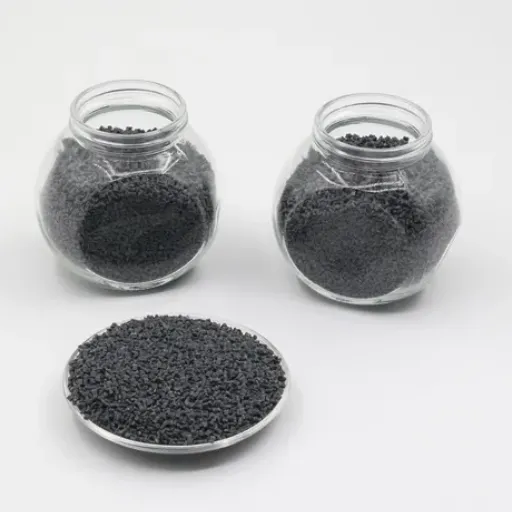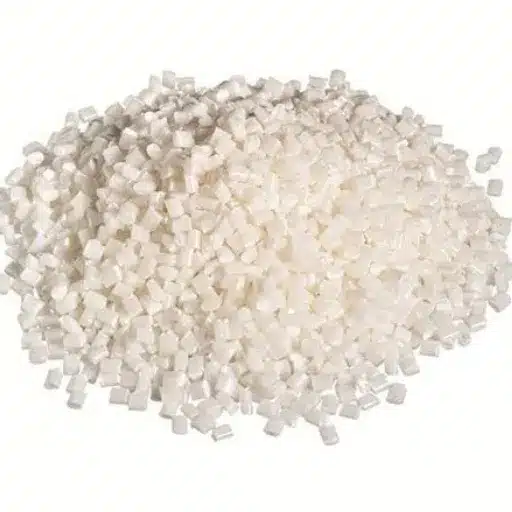
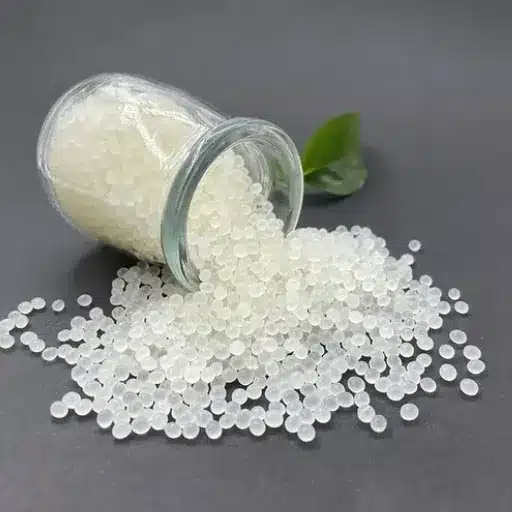
When it comes to producing plastics that adhere to food grade stipulations and also need to be processed into pellets, all firms want to adhere to FDA and RoHS stipulations which is not merely a regulatory requirement but a protective measure against risk as well as an assurance of quality. These documents detail the chemicals, methods of making them, and how these will impact on the environment in relation to food and food contact articles to protect consumers and the environment. For the assistance of manufacturers, suppliers, and industrial professionals intending to review these rules and effectively apply them – this document is helpful. You must follow the guidelines of FDA for food-contact materl and be familiar with how RoHS standards work in limiting the use of certain hazardous substances. This blog post is ful of insights to help you do those things – effectively understand compliance and maintain loyalty to your products.
Understanding Food-Grade Plastics
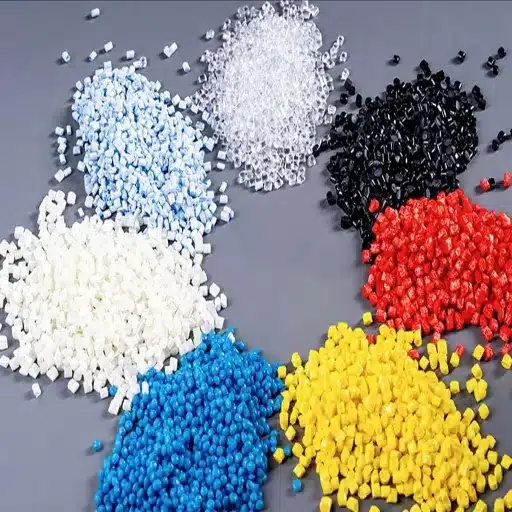
What are Food-Grade Plastics?
Plastic materials like food-grade plastics are used and made to be safe for any kind of applications with food and drinks. In order to reach to such an extent, certain standards of health and terms of reference or regulation are adhered to so that the use of not edible endangering additives in food is not only limited but also cease to exist. There are several commonly used food-grade plastics and they include polyethylene, polypropylene and polyethylene terephthalate which are commonly used in food packaging, storage and even processing equipment. This is in addition to the fact that these plastics are subjected to a series of tests to ascertain their compliance with the health and safety requirements imposed by bodies such as the FDA or EFSA. Thus it is important to know the properties and most importantly the certifications of food-grade plastics in the interest of food safety and maintaining the market standards.
Types of Food-Grade Plastics: Polyethylene vs. Polypropylene
The two most common types of plastics for food packaging are polyethylene (PE) and polypropylene (PP). Each of them has its own peculiar characteristics which make them well-suited in various areas of food application. The property of polyethylene available in such forms as high-density and low-density Polyethylene (HDPE and LLDPE, respectively), of being resistant to chemicals, physical damage, and it being more or less difficult to deform, is one of the reasons why it is frequently used to manufacture consumer-related products such as milk jugs, plastic shopping bags, and food storage containers. HDPE in particular is recognize as a very strong and dimensional stable material hence more desirable when strengh is required in packaging.
Comparably, polypropylene is a polymer hailed for its lightweight properties as well as its unique blend of heat resistance and tenacity. Where it has a relatively higher softening or melting point versus polyethylene, it comes in handy for any microwave transmission or filling applications, for example: microwave ovens, food containers, yogurt cups, and caps. Thanks to its structural, packaging material and building abilities, polypropylene cheats the moisture proof restrictions and act as a barrier for perishables; high frequency electrical appliances.
Both PE and PP are impressive engineering polymers as they are seen in the market in different applications, together with it, they are Eco friendly polymers. Their application in the food industry has risen notably for there have formulated safe ways of ensuring food safety at a cost that is manageable to the business. Knowing which plastic is which will help in the selection of the correct raw material for the application
Importance of Compliance with FDA Standards
It is critical that businesses that either produce or distribute food and medicine to the public comply with the standards imposed by the Food and Drug Administration. These requirements serve to safeguard the end user’s interests by establishing the demands that producers must meet in the course of production, packaging and selling. Disobeyance of the norms can also turn out to be costly in terms of that product’s recall, litigation and tarnishing of the business name. Following the FDA recommendations promotes consumer confidence and in this way helps in reducing the dangers posed by counterfeited and poor quality goods. Manufacturers who are concerned with compliance not only help themselves with the legal requirements, but also provide a competitive edge in the marketplace by demonstrating their willingness to provide quality and trustworthy goods.
FDA Regulations for Food-Grade Plastic Pellets
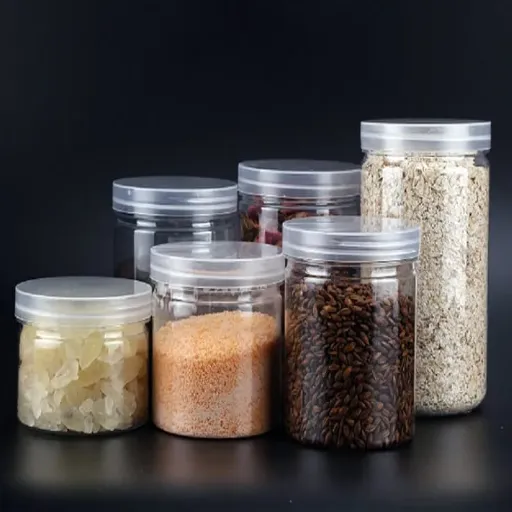
Overview of FDA-Approved Materials
FDA-approved substances would be only used for food-grade thermoplastic resins since they adhere to strict safety criteria protecting human livestock from any kind of food or drink toxicity. Such resources should be in full compliance with the Food and Drug Administration Code of Federal Regulations (CFR) title 21 that pertains to food safety in America. Some of the commonly used FDA-approved thermoplastic polymers are polyethylene (PE), polypropylene (PP), polystyrene (PS), and poly (ethylene terephthalate) otherwise known as PET. Further, these polymers are carefully checked for their robustness, absence of hazardous compounds, and still always kept free from leaching, particularly, outside the expected conditions of temperature shock, water, and food use.
One of the most important perspectives concerning the requirements of FDA Compliance is the absence of toxic contaminants, heavy metals and harmful plasticisers which could contaminate food stuffs. For instance, it is a requirement for manufacturers that the use of resins and additives in the production of products is specified in the FDA’s food contact substance inventory. Furthermore, these substances must be examined as regards migration to see if there have been the introduction of any contaminants into the food. This is especially important for wrapping materials for those containing oils, medicines, fruits with high acidity, or for containers with high temperatures like those for microwavable use.
There are tremendous advantages that companies that employ FDA recognised food plastics stand to gain due to adherence to stringent measures. Carrying out same is not only a mark of the client’s faith in the product but also causes them to avoid product contamination cases, negligence suits and to a larger extent compromising the brand image. More and more people are concerned with issues of the food safety policy and awareness of ecology so many companies are trying to seek the most appropriate substances which would be both degradable and harmonious with principles created by the Federal Agency.
Testing and Certification Processes
Testing & certifications procedures are very strict for FDA approved food contact plastics; a lot of evaluations are undertaken to see to what extent the concerned material is in conformity with the safety and regulatory snap holdings of pailients. Chemical migration is one of the assessments which are prevalent during the regimen of testing and certification development to cordon against any spilled children who happen to swallow one regarding the food. Moreover, mechanical and thermal evaluations are carried out in order to test whether the material can withstand different ranges of temperatures. You can expect the issuance of a certificate re all the details contained above with regard to compliance after analysis to ensure conformity of the plastics to local guidelines. Hence, manufacturers need to go through the vigorous processes and inspections outlined above towards enhancing the safety and enhancing the consumer’s confidence when using the products.
Common Non-Compliance Issues
There are many reasons for lack of compliance with regard to regulations involving food contact material as per FDA. One of them we can categorize as happens over and over again is when the manufacturer does not effectively test migration at the point of intended use all because of limits of loss and/or challenges on handling transfer of the chemical and its related compounds. On top of these challenges, most of the times, it is worth noting that the documentation in place act as evidence that food products are compliant with all the applicable standards. Complications as these are not only missing, but also suggestive of non-compliance, making the implementation of such standards difficult. Also, it is worthy to mention that other materials that have not been cleared by the FDA and advertised as approved or cleared can bring up issues of safety and legality in the operation of the business. On the basis of some high profile disputes and prosecutions, regulatory agencies are cautious of claims made or ingredients used unscrupulously, categorically stating “It is not approved for food use.” Enforcement in this case, however, invariably targets the manufacturers and/or importers; and the use of such strategies raises many difficulties. As was mentioned before, the level of effectiveness in resolving non-compliance problems will not be achieved without quality testing in place during identity preservation, and the same is daunting.
RoHS Compliance for Plastic Materials
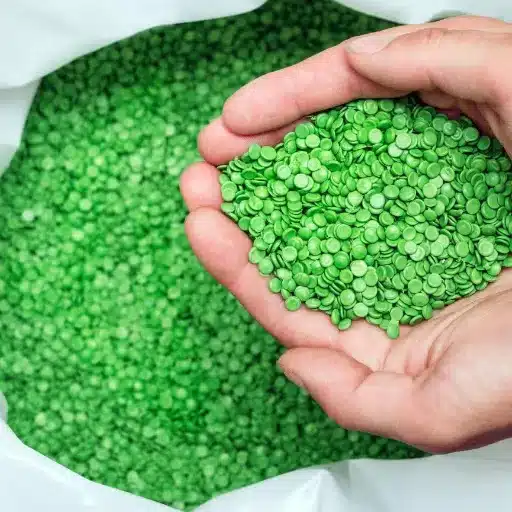
Understanding RoHS Standards
The primary goal of the Reduction of Hazardous Substances (RoHS) directive is to reduce the amount of hazardous substances that are allowed in electrical and electronic products. Drafted by the Europe Union in the year 2002, its’ primary activity is to check on the usage of materials in manufacturing processes. Under RoHS, lead, mercury, cadmium, hexavalent chromium and certain flame retardants, PBBs and PBDEs are some of the hazardous substances limited. This makes it essential for manufacturers to comply with RoHS requirements, unless they want to risk any legal ramifications for selling the products inappropriately.
To comply with RoHS regulations or standards, manufacturers must take it upon themselves to look for where the component or the material is found and whether it is actually tested for the restricted substance(s). There are various mechanisms and methodologies that are employed when detecting restricted substances and one of them is X-ray fluorescence (XRF) spectroscopy. In addition, requirements for maintaining compliance shall include such document as the Declaration of Conformity or a similar document. Keep in mind that being up-to-date about the changes in RoHS is very important because as the directive gets renewed, it may bring into effect, new electronic parts or new threshold values. From the outline above, it is clear that many best practices would need to be in place in the manufacturing facility.
Impact of RoHS on Food Packaging
The Health and Safety concentrate most widely on the relative presence of RoHS in food packaging. The Health and Safety focus on the use of materials which are harmful to the environment in the designing of packaging. The Health and Safety budget is not, as it might suggest for electronics and anything and everyone in it, qualified to the packaging industry and such simple detoxification attempts therefore appear to be on the rise. Almost all electronic usages: cellphones, digital cameras, calculators, computer hardware, handheld games, etc., to mention just but a few, have medical backing. Particularly, in the case of food packaging, the exclusion includes additional steps such as to pother than food contact components-chained consumers. Several harmful substances, such as lead, cadmium and mercury, are enclosed in coatings, inks, adhesive materials and similar items/materials that get in contact with the food, however. Hence over and above enhancing the quality of returns, the mentioned initiative also contributes to the objectives of protecting the environment by responsibly discarding the dangerous pollutants. Growth on products over the years helps best practices under each standard of such companies and also adherance to certification become compulsory.
Steps to Achieve RoHS Compliance
Gain a clear insight into the Regulatory Requirements: Before you can make any movements or adjustments, you must understand the exact specifications or the RoHS stands for the Restriction of use of Hazardous Substances which regulates all the pollutant materials in electronics especially lead, mercury, cadmium, and some halogenated flame retardants. However, it should be noted that it is common for these rules to change to reflect the current business environment hence more care should be taken.
Perform a Materials Evaluation: You are going to be face with the tasking of auditing the materials and parts that your business uses in its products with fine details. This process assists in determining what can or deems certain materials clean and helps in identifying such substances, if available assist in the use of other alternative materials. At this point, it would be advisable to ensure that the suppliers in question provide a certification or any other material test reports which meet the company requirements.
Communication and Supply Chain Management: There will be channels that will connect that link the company, its suppliers and the manufacturers of its products in maintaining the RoHS regulations. Agreement should be maintained with the individual given the responsibility for complying with RoHS, be it a supplier in another country or partner in your own county. Display is allowed on one condition that the content must not be offensive or linked to any unlawful activities.
Testing and Verification: Utilizing administered testing services check for the impermissible matter in ones products. The accuracy and reliability of fulfilment is maintained and assured by such methods as X-ray fluorescence (XRF) spectroscopy or third-party lab analyses.
Procedure of Compliance System Creation: Make sure that adequate processes on complying with RoHS requirements are in place. This involves ensuring that the company has a quality management system in operation, keeping records of materials used in the production and in the manufacturing process through the help of work instructions, and the use of technology during product design as well as quality procedures during its disposal.
Advisory Role and Employee Training: Teach and instruct employed by the organization staff, related to departments of design, procurement or production in the framework of certification restrictions and compliance to RoHS. All people involved should feel their full responsibility in the development of the product.
Arrange certification audit and mark: Upon completion of the check for compliance, it is now necessary to proceed with obtaining certain certifications and also clarify how the products that meet the corresponding standards and rules are labeled so that they can make communication with the market underneath as well as the general public. And the labels must be kept in accordance with the standards for them to be seen clearly.
Watch and Obey- there is no choice: Don’t let yourself stop on the currently achieved level, do your best to see what new changes RoHS brings and make your adjustments. Cycles are necessary to check and gather the data actively, to figure delivery chains, and, which is more, to examine the observance rate among the suppliers’ of the organization.
Recycling and Sustainable Practices
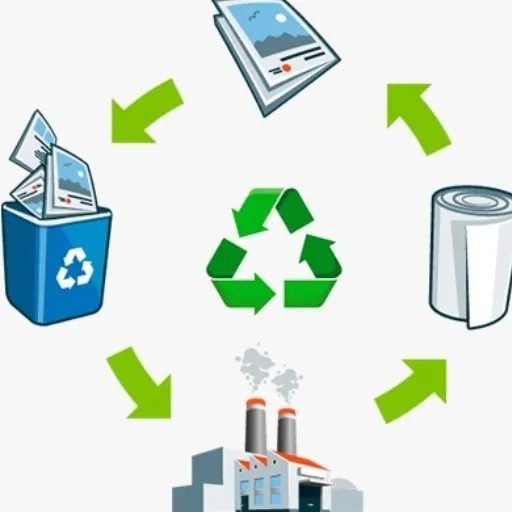
Recycled Plastic Pellets: Benefits and Applications
Using recycled plastic pellets is viewed by people involved in the field of sustainable product production as efficient because they play an important role in reducing the environmental impact. These pellets, obtained as a result of the processing of waste plastics sent to landfills or environmental pollution otherwise, return value to materials otherwise considered waste. They are an effective remedy to the challenge of raw material costs especially in cases of recycling because it is often much less expensive compared to when using new plastic. Another advantage of using recycled pellets arises in the fact that, the energy used to make these granules is lower compared to that used in the new plastic manufacture and this is due to this reduction of energy consumption and the resulted emissions of carbon.
Recycled plastic granules have a lot of uses in various sectors and industries. They are usually found in packaging, building materials, automobile gear, textiles, and some consumer goods products. For instance, it is often the case that empty beverage bottles and food boxes found in homes are made from recycled plastic bottles made from recycled polyester or polystyrene old bottles. Likewise, containers and pipes and other products which are used to make strong pipes out of plastic can be manufactured of recycled HDPE also. This is because recycled pellets for plastics allow such businesses to play an integral part in addressing ecological matters, meeting new legislative requirements/approvals, and showcasing an effort made to sustain the natural world.
Eco-Friendly Food Packaging Solutions
Ecological solutions applied in activities within the food industry, including the use of eco-friendly packaging, are undergoing drastic changes which reduce the harm to the environment and enhance desirable practices. Currently, the use of degradable materials such as bio-based plastics and biodegradable paper packaging is vastly replacing the conventional one use plastics items. For instance, poly-lactic acid commonly known as PLA and is orriginate fom crops like Corn can be used as a more sustainable alternative for packaging with almost similar sustainability to the common plastics. Similarly, there is growth in the use of edible packaging like seaweed or rice paper which will not cause any waste at all. These changes prevent the risk of excessive pollution, and the new trends fully comply with the expectations of consumers about the environmental characteristics of any products packed. If some of these developments occur to more commercial level, and companies choose to use eco-friendlier products, a huge part of garbage that would have gone to the streets could easily be reduced.
Challenges in Recycling Food-Grade Plastics
Recycling food-grade plastics is a major challenge considering the issues related to safety, hygiene and lack of adequate starting materials. In fact, one of the key issues when recycling food containers and packaging is making sure that plastics also comply with a high level of food safety. The quality of packaging material in contact with products is subject to very severe regulations and must be free of any impurities. Once any possible low purity has been detected in the packaging processes, it becomes difficult to use packaging for food. Furthermore, many materials that are specially designed for food use such as food grade plastic are known to have relatively low affinity materials such as food residues, oils, or fillers and other, which complicate the process of recycling.
One more issue is due to the fact that there are limited facilities that can separate plastics suitable for recycling processes. For instance, packaging containing a combination of various materials, which is practically every food packaging containing multi-layers, cannot be recycled. This is because the plastic bags are made from more than a single kind of polymer, making it too complex for recycling. In conclusion, these challenges can be addressed by the recent advancement in chemical recycling and efficient sorting practices, although the use of such is not practical at this stage to a great extent due to the associated cost and challenges of scale. This will involve governments, businesses, and scholars working together to create recycling systems that are more suitable and capable.
Manufacturing and Processing Food-Grade Plastics
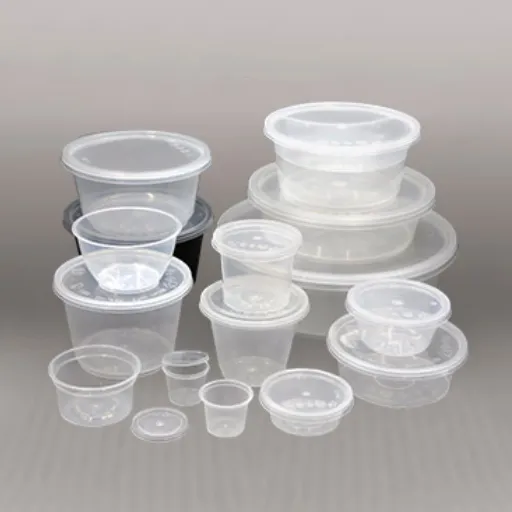
Injection Molding Techniques for Food Packaging
From my perspective, injection molding is among the best methodologies for food packaging. This approach intends that the liquid plastic is expelled into a mold at maximum pressure to form structures accurately. In the case of food-grade plastics, the technique puts more weight on the requirements of safety and must, therefore, be in line with body guidelines set forth by FDA or EFSA. Such guidelines assure the public that the ingredients used for food packaging do not contain toxic substances that can migrate into the food itself. Furthermore, lightweight high-performance plastics like polypropylene and polyethylene are popular choices because of their excellent physical, chemical and thermal properties, which make it useful for many applications.
Food-packaging sector has been facilitated in a great way with the help of the ongoing technological revolution. In this case, very efficient features such as composite and multi-purpose mold have made sure that higher quantity of packaging can now be produced in a shorter period by the manufactures. There is also the aspect of precision tooling that guarantees uniformity in quality of every single piece which is essential in brand maintenance and meets other specifications of safety and beauty expectations. The aspect of automation together with robots has improved flow in the plant as they reduce waste and optimally utilize available materials addressing sustainability issues.
There is an additional factor that has been greatly increasing over the years and has to do with how the manufacture of food packages through the use of injection molds is carried out, and that is eco-friendliness. Typically, using this method, PET bottles are produced using post-consumer waste derived from recycling plants along with other green materials. This allows for a production of flexible-packaging again within the value chain, without the need for virgin polyethylene. In combination with such practice, there is also the aspect of extremely efficient recycling processes through which the material of the package itself can be reintroduced into the next heat cycle, thus, targeting the high quality food-grade material. In the end, the use of laws, breakthroughs and clearing of debt, natural losses help the industry of injection molding remain a very prospective way of manufacturing food packages which are healthy, fashionable and can be used over and over again.
Choosing the Right Resin for Food-Grade Applications
Ensuring that resin used matches the food-safe certificate is a must with focus on food-grade certification, which is absolutely required to have safe food. Specifically, the protection means that Food & Drug. Administration (FDA) is responsible for sanctioning the use of such materials that are safe to be in contact with the food that they cover. Most of the times I go for resins under the FDA compliance or any other international safety protocols that is the common trend.
Food-grade polyethylene (PE) and polypropylene (PP) are among the most popular choices of resins used for most applications owing to their toughness, resistance to chemical attack, and low densities. There are many different food storage solutions that use resins and stands in for cups, etc. Out of these, in the given food storage containers, usage of water and milk has become daily as HDPE which is high-density polyethylene is mostly used in the making of milk jugs, water bottles filled in the refrigerator etc and PP is largely used more in the containers in which heat is generated such as microwave cooking. The technological breakthrough has allowed to appreciate even more polyethylene terephthalate (PET) for its deep transparency and significant performance as a barrier, thereby drinks, as well as salads packages prefer its use. I also give more attention to the eco-friendliness of such industries with respect to such materials since that is in line with the decorative objective of promoting sustainability while still keeping the level of convenience that is expected in such packaging.
In this regard, it is the properties of this resin that are directly connected to the specific use which also affects my choice. Specifically, in relation to food with high content of fat or acid, for example, it is important to guarantee that the material does not react in any way and does not release toxic substances when exposed to different temperatures. In addition, I decide if such products as UV agents or oxygen removers would be suitable for enhancing longevity without inducing any risk to consumers. This way, practical and aesthetic requirements are taken into consideration and I am able to incorporate polymeric materials which correspond with the highest standards of sustainable packaging of the products with food.
The Role of Melt Flow Index in Manufacturing
I consider the Melt Flow Index (MFI) to be the outstanding value point when it comes to comparing the flow performance of such materials as thermoplastics in the process of adjusting to the requirements for injection molding. It quantifies the flow of molten polymer from the extrudate to the die when subjected to a well specified load and temperature. This size helps me when it comes to assessing the thermoplastic workability in processes for example: injection casting , extrusion and stretch- jblow molding. Higher MFI values will signify lower viscosity and free flowing material which is excellent for producing very fine and intricate parts. On the other hand, plastics with a lower MFI will have a paste-like consistency for applications requiring a good degree of strength and mechanical properties.
Speaking of MFI, it is highly meaningful as for proper control of production and quality I need to optimally select this or that equipment, for example, during a high-accuracy operation, I need to select a resin with the required MFI to that in the molten form, it should ensure that the mold will be evenly filled and there would be no partial trash areas in the molded part, which in turn results in a reduced cause of defective work and material. And surely we have to consider MFI in terms of how some enhancing agents and/or recycled materials may be enhancers to the processability of the polymer. For example, such a characterization is very important when I as a designer wish to have the application of recycled resins in the project design but without that project suffering performance deterioration.
Moreover, the MFI parameter as processability criterion, does not solely extend on material processability but also applies to material properties such as strength, elongation and toughness. This entails a need to strike equilibrium which is critical. A case in point can be designing of food packaging; I have to ensure that the MFI level is in line with the mechanical properties and yet at the same time the package is within the permissible levels given the applicable standards of any authority. It is also worth emphasizing that resin and MFI values always guide me in developing pumping machines encouraging a development that is easy to manufacture as well as; develop reliable pumping machines and also modify existing machines to fulfill the intended purpose.
Reference Sources
-
Plastic Pollution Curriculum and Activity Guide – University of Wisconsin
Discusses the identification and testing of plastic resin pellets in environmental contexts. -
Microplastics in Food-Grade Salt – Comillas Pontifical University
Explores the presence and impact of microplastics in food-grade materials. -
21 CFR § 177.1630 – Polyethylene Phthalate Polymers – Cornell Law School
Provides detailed FDA regulations for substances used in food-grade plastics. -
Updating Food Safety Regulations – University of Washington
Discusses the need for modernizing FDA food safety standards, including plastics.
Frequently Asked Questions (FAQs)
What makes a plastic pellet “food grade” and how do manufacturers certify it?
Food grade essentially means discreet materials meet the requirements of the food industry without having any impurities or other potentially hazardous additives. Thus such a material can be used as a raw material in production of bottles, films, containers, constant temperature trays, and other items in various categories. It is normal for the plastic pellet manufacturer to provide a ‘Certificate of Compliance’ as well as test reports that prove that the materials comply with the relevant food regulations and migration limits and it may specify whether the pellets are virgin or rPET derived. The area of compliance is diverse and looks at contaminants, water content and cleanliness at the top levels; good suppliers measure the MFI and the density to ensure consistent processing. Food grade pellets are usually in the form of thermoplastic granules or plastic beads such as HDPE, PP, or PET, and the specification will indicate whether they are of film grade, extrusion grade or thermoforming grade. Occasionally buyers should also inquire about the Ecodomestic label if looking only to recycle products.
How do HDPE and PP food-grade pellets compare for bottles, bags, and containers?
High-density polyethylene (HDPE) pellets and polypropylene (PP) pellets are both popular materials in the food industry, but they show different characteristics that influence their use. HDPE has a reputation for its ability to maintain high density, its firmness and resistance to chemicals. It is largely used in bottles, cream jars and plastic timbers among other things, whereas PP has a classification of higher withstand temperature hence, it is used in thermoforming, trays, and or different types of flexible film packaging. Both materials are however, corrosive in nature and can be likened to virging plastics or colored and clear rubber/plastic rPET/black pellets blend for economical reasons although the color pellets and clear plastic materials look very different. Determination is related to the end applications, mechanical strenth required, printing capabilities in terms of half tones and processing orientation hence the end users prefer solventless adhesive coting. All this cannot be done without the correct compound. And once the MFI, process temperature, and other glazing data have been defined, the compound should be selected. Slimming construction type, flexibility and transparency possibility – all these aspects contribute to decision-making in favor or against a certain option.
Can recycled polymers Be used for food applications after food-grade approval?
Yes, food-grade approval is required and performance can be provided when using PCR or rPET for food use. Such equipment, however, has numerous set criteria to ensure that the final pellets made from the recycled materials will be free of any contamination and also safeguarding actual food products as well as health and safety. In order to increase the qualities of virgin plastics, many suppliers make use of both post-consumer and post-industrial virgin components. Recycled, i.e., LDPE, HDPE, or PP, need to be controlled and checked for moisture and other contaminants before it can be used for food packaging. Where the packaged commodities are clear plastic bottles or transparent trays, more virgin resin is used in the production to accommodate the requirements of clarity and strength. It is very critical to source from an approved supplier and carry out additional checks on the quality control information as well as the MFI (Melt flow Index) and other test reports.
What are the typical forms and feedstock of food-grade pellets — granule, beads, or powder?
Pelletized forms of food materials are often packaged in granular forms as well as in the form of synthetic plastic spheres. The synthetic powders are less commonly made because they can cause pollution when inhaled and are harmful to the skin. In most cases, the raw materials they use include pure polymers such as PE, LDPE, HDPE, PP, PET, PS, or it can be fine quality polymers for example PC and TPE if elasticity or some extra structure strength is required. Besides raw material in the specified color or black, some manufacturers further produce the compounds in the form of lumpy spheres for some other particular usage that includes fluorocarbon–filled TPE and color lock for the specific resins. Additional processing for example drying can be carried out to get rid water and most impurities, which will allow extrusion, injection molding, blow molding or thermoforming of the end product, etc. in the case of pellets having low moisture or with a dried out fill. Plastic suppliers incorporate not only information onto the technical datasheet of the plastic but also state the purpose for which the plastic is to be used, such as for films, for extrusion or for thermoforming and provide data such as the density and the I10 (or I2 or I21) of the polymer melt to assist processors in the setting up of the particular equipment. In cases where transparency is needed, then any clear plastic or transparent grade is desired so that haze which might come from additives or the fact that the plastic is recyclable will be avoided.
What is the relationship between processing parameters, pellet properties, final product quality and cost-effectiveness?
Many other factors come together in the case of the one shown in the previous paragraph. This may include process conditions like temperature, screw speed and drying under ROH. Pellet properties such as flow index, accumulated density pattern, and moisture content combined with the aforementioned process conditions affect surface finish, strength and cost saving through time reduction and performance enhancement. All above points should be evaluated for cost analysis. Usually for those resins resins higher MFI can cause more ease in the flow and thus minimizing the time required for production of injection moulding; yet this often reduces the possibility of reaching good mechanical properties. Yet the popularity, plastic lumber and other tough structure parts are processed particularly by means of selected low MFI resins. Selection of thermoplastic materials for the manufacture of the designed parts, e.g. bottles, food containers, trays, or film wrappers, and correct masterbatch coloring of the pellets, like the conduct of the colonies, minimizes re-grinding and other additional possible expenses. While it dries the natural material gives bad parts at higher injection pressure to avoid deterioration by moisture. High quality polymer granules also play a big role in cutting. They can be given to everyone else for use and there is very little chance of contamination. A detailed check of the materials and the fabrication of the granules gives best performance and contributes a lot to economy in the long term. For example, the economic balance of the effectiline is computed including factors such as recyclability, biodegradable materials or those that have been recycled since it emerged.
Are there alternatives like biodegradable, PS, or engineering plastics for food applications?
Contrary to the usual food-grade PE and PP, there are other options such as plastics that are biodegradable. Alternatively, there are other materials that can be used such as PS (polystyrene) for lightweight packaging, clear, tough applications in engineering plastics such as PC, as well. Nevertheless, each of them poses unique challenges. Biodegradable polymers present environmentally friendly solutions but can only be used after confirmation of their food safety as well as that the brand does not attack the product packaging in question. Accordingly, they may not be as durable or more expensive. Polystyrene is easy on the weightage and has high transparency for use in cups and cutlery; this is, however, limited by its ability to withstand heat and may not be the best option where food packaging is concerned; in such cases, film grade is often used provided it is made from PE or PP. On the other hand, enhanced commodity thermoplastics and TPEs offer additional functionalities–impact strength, clarity, strength, and flexibility–while they often cost more and require other processing conditions. Consider the given functionality, moulded raw materials requiring additional certifications from the competent authority, compatibility, recovery and if there will be an uninterrupted supply of high quality pellets to use with your machine at the given rate.