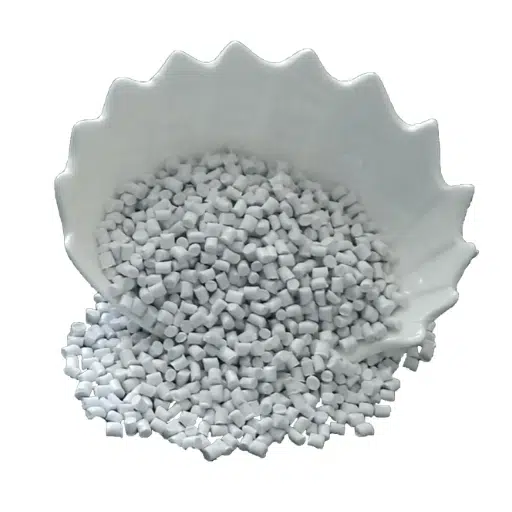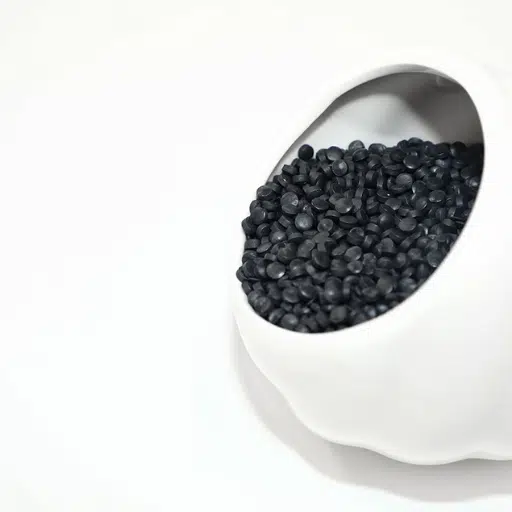
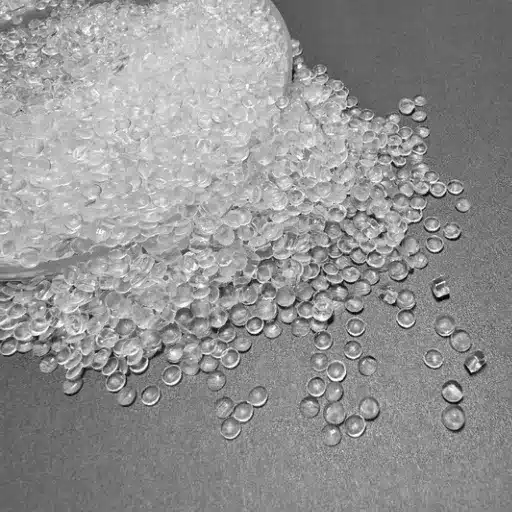
Material advances are pushing the manufacturing sector to the new level by creating a demand for materials that are high performance, versatile, and green at the same time. One of the outstanding new materials is perfluoroalkoxy (PFA) resin. Among various sectors, it brings new opportunities and prospects into the aerospace, electronics, and chemicals industries. So this is the one of the materials of the future. The article discusses how PFA resin is the main force behind the latest changes in the opening up of very high quality and sustainable materials across industries. As well as this, it takes a look at the big trends that will influence its use and its potential impact on the future industry. You may be a professional in the industry and a materials scientist or even trying to find out what kind of materials are better than those already on the market, but still, the trend in resin deep diving is very strong and is expected to provide a lot of insights and a very big breakthrough for your next project.
Understanding PFA Resin and Its Unique Properties
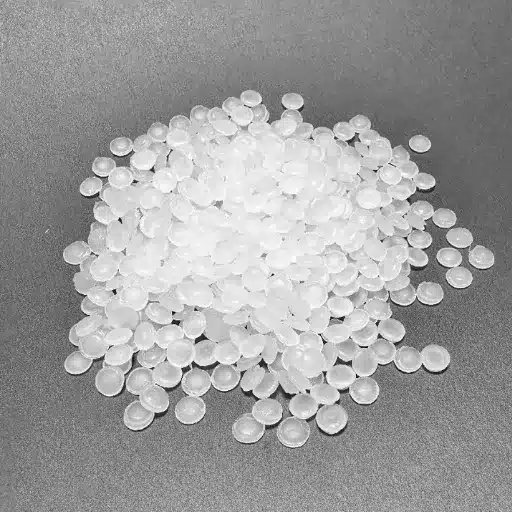
What is PFA and How is it Different from Other Fluoropolymers?
PFA, which is short of perfluoroalkoxy alkane, is a different category of fluoropolymer that possesses a property mix unparalleled to other members of its kind, such as polytetrafluoroethylene (PTFE) and fluorinated ethylene propylene (FEP). The chemistry of PFA is a copolymer of tetrafluoroethylene (TFE) and perfluoroalkyl vinyl ether, which gives it high thermal stability, high chemical resistance, and low surface tension. In contrast to PTFE, which is only compatible with a few processing methods such as compression molding, PFA is a thermoplastic material. This characteristic makes it possible to extrude, injection mold, or blow mold it, thus extending its usability in manufacturing.
The ability for PFA to hold on to its superior mechanical strength at higher temperatures is one of the major characteristics that differentiates it from other fluoropolymers. Due to the fact that PFA can be subjected to temperatures as high as 260°C (500°F) for certain applications, just to give the best possible figure for performance comparison, is an even more inconveniently chosen temperature. And its resistance to stress cracking is twice, at least several times higher than that of the nearest alternatives, which all gives excellent results for the growth & future of the [high-]performance market, although they are big.
Another great thing about PFA is that when compared to PTFE to which it’s being opposed, it’s as clear as glass and can be used for these purposes.The use of PFA in many precision demanding and high-functionality needing industries has been put beyond any doubt by its property of being easy to process as well as by its resistance to chemicals and capability to sustain heat since the very beginning. Therefore, it becomes obvious through this discernment why the PFA resin is still a leading material in very high-tech, industrial, and scientific applications.
Key Properties of PFA Resin: Chemical Resistance and Thermal Stability
PFA resin is notable for its extraordinary chemical resistance so that it can be used in environments that are extremely corrosive. The chemical structure of the material is such that it is no less than the fiercest chemicals, like concentrated acids, bases, and almost all solvents, without getting degraded. This durability factor in the material is such that it can endure for decades, untouched by the harshest of chemicals, such as those used in semiconductor manufacture all the way to the chemical processing plants of the industrial sector. In addition to that, the non-reactivity of PFA is a great thing for it to be exploited in applications of a highly sensitive character where the presence of a chemical agent would be unwanted, like the minding of drug-making and food processing.
PFA resin stands alone for thermal stability as well. There is not any other synthetic material that can resist heat as well as PFA. Even at a continuous service temperature of 260°C (500°F), it does not loose its strength or change its dimensions. This peculiar property of PFA is very important for many big industries like aerospace and electronics who work with an extremely high load of heat. In the same way, PFA is a star performer when it comes to the cryogenic sector — it keeps its flexibility and power unimpaired even in the negative temperatures. The above-mentioned properties are the reasons why PFA is a material of choice for a whole host of applications, in which the most stringent demands are to be met, in other words, in very advanced ones.
Perfluoroalkoxy Alkane Applications in Various Industries
The chemical and physical characteristics of perfluoroalkoxy alkane (PFA) put this material in the category of must-haves for several sectors. Depending on the industry, PFA has a wide range of applications and becomes irreplaceable when it comes to very high chemical and physical resistance. The semiconductor industry is a big user of PFA-made products and has a base for many components which have a great need for chemical resistance and purity, such as tubing, wafer carriers, and lining materials for chemical processing tanks. The substance unreactive and non-contaminating character is of paramount importance to the semiconductor industry as the manufacturing standards are becoming more and more stringent day by day.
As for aircraft manufacturing, the characteristics of PFA being thermally stable and having a high level of tensile strength under hot and cold circumstances are greatly looked upon. Polyester fiber experience some of the first uses of this material which was only 1 year in the making and only later was the use extended to personal uses like taking the place of piano strings. Low aircraft overall cost and plane resistance to bird strikes are among the proportional benefits derived from the mass of the new material components.
The unparalleled chemical inertness and biocompatibility of PFA are among the reasons why it is the first choice for tubing in intravenous systems, specialized containers, and surgical instruments among different materials in the medical industry. Also, the non-toxic and sterilizable nature of PFA makes it the best material for medical-grade equipment that meets important health regulations.
There is another common application of PFA i.e. the chemical processing industry, where it plays a very important role. Besides being used as lining material and as a protective coating on the internal surfaces of the reaction vessels, pumps, and pipes, PFA also makes a perfect match for the most corrosive chemicals. Through such applications the operational reliability of equipment is improved, and the risk of contamination or systemic failures is diminished by the non-permeability of PFA in harsh processing environments.
The adaptability of PFA overall is such that it gets the advantage of being able to be on top all the time when it comes to so many different industrial requirements that are even very stringent and also, it thereby supports the innovation and operational efficiency of a variety of sectors where it is being used.
Critical Applications of PFA Resin Material
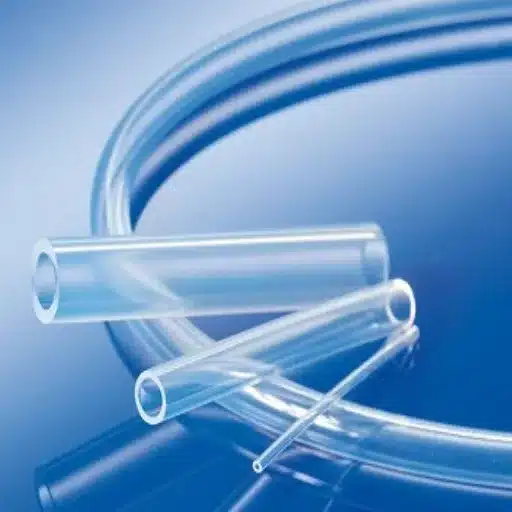
PFA use in chemical processing
Chemical industries and PFA (Perfurooalkoxo alkane) resin are inseparable. The resin not only offers excellent resistance to corrosion and fire but also possesses mechanical properties making it very useful in the field. Its inert character highly demands it to be a part of the environment where the heavy flow of chemicals accompanies with the heat variations and pressures would be a common task. The equipment like pipes, fittings, and valves lined with PFA is a very good example of how corrosion is prevented, moreover the overall operation of the chemical transport system is secured and thus maintenance is reduced and downtime.
The material’s ability to stay solid at extreme temperatures that go as low as -200°C and as high as 260°C is the main factor that lets the equipment being used safely and reliably ranging from cryogenics and high-temperature operations. Moreover, PFA’s anti-stick and extremely low friction make it impossible for residues to form, which is a major factor in purity of product and the effectiveness of process. This situation is most pronounced in chemical reactors, storage tanks, and heat exchangers, where the cleaning and precision factor is strongest. PFA, as such, is the material that really leads the chemical processing industry toward a more safe, efficient, and long-lasting equipment.
PFA Lining Solutions for Aggressive Chemical Environments
PFA (perfluoroalkoxy alkane ) liners are designed to endure very harsh chemical environments and they offer very good resistance to corrosive agents such as concentrated acids, strong bases, and even organic solvents. The material is very unreactive because of its special molecular structure featuring a carbon-fluorine bond which is one of the strongest one in organic chemistry. These factors altogether ensure that PFA liners work and last even when they are exposed to a nothing from -200°C to 260°C, thus making it the perfect choice for various industrial applications.
Adding on to that, the PFA lining conforms to the highest safety and quality standards thus guaranteeing that it works as a very strong barrier to chemical permeation, and also that it remains active for a very long time. In particular, they are favored in industries like pharmaceuticals, petrochemicals, and semiconductors because it is possible to make and keep the processes pure with the use of PFA. With taking advantage of manufacturing techniques, it is now possible to produce PFA linings of any thickness and uniformity thus achieving the optimum in protective capabilities. All these qualities together make it clear that PFA our PFA linings are the lifeblood of equipment in the toughest of chemical and thermal environments when it comes to enhancing equipment life and reliability.
The Role of PFA in Semiconductor Manufacturing
Perfluoroalkoxy alkane (PFA) linings play a key role in semiconductor manufacturing, mostly because of their extraordinary chemical resistance and high degree of purity, which are particularly important for the maintenance of ultra-clean environments. In the making of semiconductors, different processes like etching, chemical vapor deposition (CVD), and electroplating, to mention a few, are carried out under conditions where there is a high risk of contamination. PFA materials are the best choice due to their inert properties and they very well make these substances non-reactive with the processing materials, hence, they can not only keep corrosion away from semiconductor wafers but also eliminate other accidents like the ones involving overflows of the process liquid.
On top of that, PFA’s rich thermal stability stands out as one main positive point in this competitive industry. The semiconductor processes very often will have to be carried out with the utmost precision at quite high temperatures, and PFA linings could be used at one time after another under the toughest thermal conditions conditions while still keeping their original structure and property of the material. This aspect of stability not only reduces the scattering of performances due to temperature variance but also saves maintenance time due to the fewer and smaller overall stoppages in the production process, thus ensuring the same as before throughput. Due to the newly gained dimensional accuracy, manufacturing PFA parts has also got very close to being a hundred percent precise, thus enabling their very feasible and intimate connection with complicated wafer-handling systems and fluid transport mechanisms. It is imperative for the production of the next-generation semiconductors that this preciseness is kept at the nanometer scale, which is inevitable.
The control of operational environments by the semiconductor industry using PFA’s unique features is so strict that it allows the semiconductor companies in the industry to maintain high production rates where chips with no defects are made consistently. This is still the case as this crucial material persists in being the leading edge material in the fast-paced world of semiconductor technology innovation.
PFA Resin in Comparison: PFA vs Other Fluoropolymers
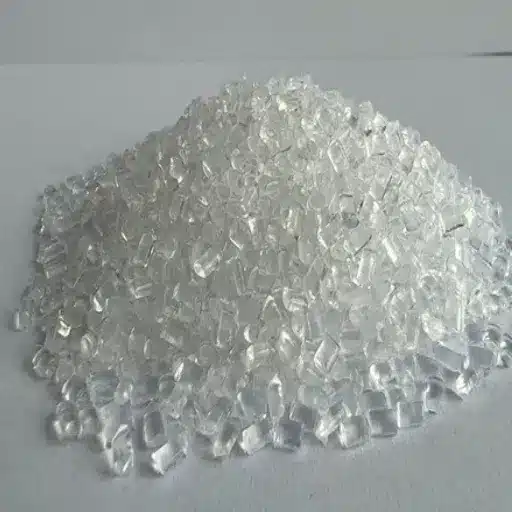
Analysis of PFA and Teflon in Industry Application
PFA (Perfluoroalkoxy alkane) and Teflon (most commonly PTFE or Polytetrafluoroethylene) are both types of fluoropolymers. However, their properties are so different that they can bear the load of different industries. PFA stands out gaining the reputation for the foremost thermal stability, higher flexibility, and more light transmittance than Teflon. Furthermore, not only in the presence of exactness and certainty but also in lesser material usage areas, the properties of the high-performance coating, PFA, make it another important member of the family of the industrial materials, such as the semiconductor industry and chemical processing.
On the other hand, Teflon is capable of performing wonders in the world of mechanical science due to its extremely low friction coefficient and amazing chemical inactiveness, revealing a huge range of applications apart from non-stick coatings, for example, gaskets, and seals. Nevertheless, PFA can compete with Teflon by being more mechanical strain-resistant, as Teflon has a major weakness in stress cracking and overall stiffness.
Both the materials are highly resistant to chemicals that cause rust, but the ability of PFA to sustain mechanical properties even at higher temperatures up to 260°C or higher mostly, makes it ideal for advanced engineering applications. Besides, the smoother surface finish of PFA is essential for high purity applications because it reduces the risk of particle contamination to the maximum possible level, something that is very important in industries like pharmaceuticals and microelectronics.
All in all, even though Teflon still retains its position as the most used fluoropolymer because of its cheapness and prompt availability, PFA’s thermal and mechanical properties that are improved cause the material to be more preferred by advanced industrial sectors that run the show on a precision and performance basis.
Advantages of Using PFA Over Traditional Plastics
PFA (Perfluoroalkoxy alkane) has a number of benefits as compared to conventional plastics and the major reason for this being its cinquefoil II chemical, mechanical, and thermal properties overlap the traditional Teflon f.. One the strongest positive point of PFA-PTFP is the very high level of resistance to chemicals, which allows it to be in contact with highly aggressive medium and very high or low pH without degradation. Thus, it is best suited for operational safety in extreme cases like in chemical manufacturing, electronics’ semiconductor processes as well as lab gear.
Moreover, the material’s properties have been enhanced to perform over a wide range of temperatures that would be in the continuous service temperature range of up to 500°F (260°C). Its mechanical integrity will not be compromised after long exposure to high temperature making it the most reliable in conventional plastics that are also exposed to the same conditions and may have their structures weakened or deformed. Non-stick and low friction are another two characteristics which make PFA a suitable choice for various applications, such as the domestic cooking and industrial piping sectors.
There is one more advantage to mention, and it is the high UV transmission, and high transparency of the PFA. These are crucial considerations of the industries that require optical clarity and those with outdoor applications. PFA, for example, is suitable for applications such as the use of tubes and sheets particularly formulated for light transmission or the case where attenuation due to solar exposure is indispensable.
At last, PFA’s unmatched purity makes it the perfect choice for sectors such as pharmaceutical, biotechnology, and microelectronics and reduces the possibility of contamination, which is one of the main factors in the industry. Its very limited leachables and extractables guarantee that it complies with the strictest legislation in terms of purity and efficiency at the same time.
These features are enough to prove the leadership of PFA in the group of the most desirable plastics for the rigorous top-notch applications, which ask for the best, strongest, and most precision machines far above the common plastics and also the best performing.
PFA Resin cost-effectiveness in different applications
PFA resin is still one of the best performing in terms of the performance-cost balance among the polymeric materials that can be used in the harsh environment and difficult technological processes of the industries. Though initially, it is a bit more expensive than other plastics but its advantages upmost times its costs, mainly, when such materials are operated in high-risk and high-performance modes.
Material resistance is one of the things that PFA has an extremely long life at points much longer than expected when viewed as a material exposed to chemicals, both corrosive and high temperatures. Such a thing causes an increase in the work time of the elements like the tube, the lining, and the fitting thus lowering the overall maintenance, and also changing parts is needed less. On top of it, PFA takes the shine in the field of low-friction chemically resistant materials; it made a smooth run to get rid of the familiar problem of adsorption to the material that will be processed into the production process as the mixture becomes a foul layer that will be left on the equipment and thus prevent the continuation of the processing operation by making it slippery which is more or less the same as facilitating the cleaning.
For other industries such as the semiconductor and pharmaceutical, the only way for purity is through the use of PFA, and not a single person will deny this. PFA is an innovator as a result of which it is the most used material in making tribological sealing applications and thus a reduction in downtime. Most importantly, the use of PFA guarantees not only the absence of the contamination-related problems but also an increase in the plant yield as it makes the production process even more efficient.
Apart from the above-mentioned points, the instruments in the case processed with PFA are the only ones that comply with the cleanliness levels required by PFA in the semiconductor industry.
Besides, the success of the polymer processing innovations critically contributed to the reduction in the cost of PFA and opened ways for the use of the advanced fabricating technologies lessening the material waste and time of production in the best possible way. In extreme condition very important applications, the PFA resin’ s long-term reliability and performance are also a highly satisfying payback of investment, thus, supporting the acceptance of the material in the key areas of technology.
Innovations and Trends in PFA Resin Fabrication

Emerging Trends in PFA Polymer Fabrication Techniques
Precisely manufactured devices have recently been very influential in the development of PFA resin for particular uses. More than that robotic extrusion has certainly made strict maintenance of tolerances possible, with the materials constantly performing as previously in demanding conditions; not to mention, also the capability of other polymers to be combined with PFA has become a more straightforward process through the reactive processing method facilitating the reinforcement of the mechanical properties and thermal stability of PFA. Thus, such advancements were of great essence to the industries such as semiconductor manufacturing and chemical processing where the effect on the overall system efficiency of the little difference existing in the quality of the material is big. By use of the advanced technology, the manufacturers have also achieved large production scale without losing the essential qualities of PFA resin.
Future Potential of PFA Solutions in Manufacturing
It is foreseen to see big steps forward in the manufacturing sector through PFA (Perfluoroalkoxy alkane) solutions. The reason is that the high-quality sector has shown a considerable interest in it and therefore, new products are being developed and produced all the time. One such sector that makes use of PFA products is that of the integrated PFA-based components in the high-tech semiconductor processing industry, where the unique chemical inertness and thermal properties of PFA are vital for exposure to very aggressive etch and deposition environments. In addition, PFA is largely employed as a more persistent and less reactive material in the manufacturing of solar panels and the production of advanced portable battery systems.
Advances in the way goods are made such as an addition to the PFA strong point are becoming available due to the new manufacturing methods using either precision molding or additive manufacturing processes. These methods actually make it possible for the production of very small and complex parts which at the same time are strong and perform as well the same material but without the need for any special treatment. At the same time that PFA is getting well-known, and different reasons like technical ones, manufacturers are more and more getting aware of the efficient usage of PFA to increase the product life, to make it easier to recycle and to have less waste.
Another group that will have an advantage from PFA is the chemical processing industry because the innovations in the formulation of PFA for any new applications are the same as for the better performance in extremely corrosive and high-temperature conditions. The next generation of PFA products, which most of the time is under R&D, will have to strictly comply with the newest industry regulations and offer much higher reliability than the previous products, without losing its spot as a key material in the future manufacturing evolution.
Influence of Technological Developments on the PFA Resin Market
There has been a direct link between the applications of perfluoroalkoxy alkane (PFA) resins and the recent technological advancements in the material engineering field, especially in chemical handling, semiconductor manufacturing, and medical device production. Polymer synthesis innovations have opened the door for the development of PFA resins which possess the characteristics of excellent thermal stability and strong mechanical properties, thus making them applicable in those areas where the conditions are harsh and where the demand for the durability of materials is very high. To give an instance, new customized compounds come with an upgrade in their stress cracking and chemical resistance, thus, virtually guaranteeing the use in applications where the carrying out of operations without a hitch is absolutely necessary.
Moreover, the process of precision manufacturing technologies has been greatly perfected with the help of advanced extrusion and injection molding, thus leading to PFA-based parts being produced with higher dimensional accuracy, a necessity especially in the semiconductor field. Moreover, lighter coatings have become possible through these technology achievements, as a result of which material waste has been drastically reduced, while the coatings still remained of strong protective nature. Also the human health sector, PFA bio-compatibility has been taken to the highest level, to the extent that the material is a must for use in the most critical application areas such as those of catheter and tubing systems.
The above-presented breakthrough]s highlight the changing nature of PFA resins and the fact that their every development step is matched with a high level of innovation the goal of which is to overcome existing industrial problems and also meet ever-changing regulatory requirements. This also implies that PFA is henceforth a very significant material in various sectors as well as industrial applications requiring high-performance characteristics.
Challenges and Solutions in PFA Resin Utilization
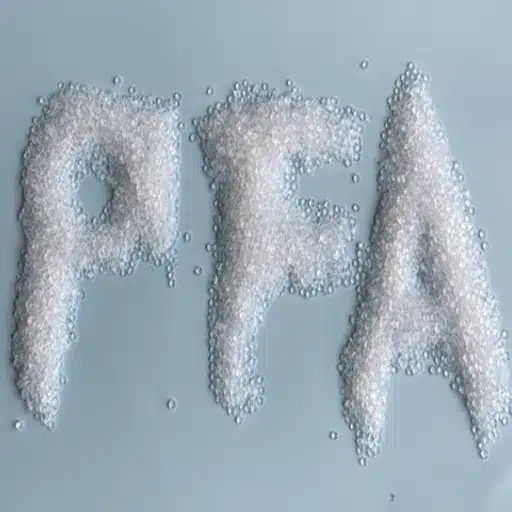
Danger Avoidance in PFA Usages
To prevent contaminants from affecting the final product in the first place, there should be many different measures taken in the production of PFA (perfluoroalkoxy alkane) which are connected to material science, system design as well as strict quality control protocols. In my opinion, the main routes of contamination risk include but are not limited to outside particles, chemicals that leach, or variations in quality resulting from the very production to the point of usage. The only way to lessen these problems is to be absolutely sure that the raw materials are of high quality and purity.
Did I get you right? Isn’t the above converting the positive statement to a negative one? Yes, I mean, the resin being high purity evolved from the question Will it be of low purity? and the same for the rest of the nominators. Moreover, the other factor that can further contribute to the contamination and can only be controlled through quality resin is the chemical reaction by the material of construction.
Another crucial approach is to adjust system architecture to avoid the infiltration of contaminations during the actual operation of the PFA tubing. This adaptation includes the use of seals, gaskets, and fittings that have properties that are compatible with the process material, and these can be used in environments where extreme care has to be taken, such as in the case of semiconductor manufacturing and pharmaceutical facilities. In addition, the cleaning and checking of tubing systems at regular intervals can in certain cases prevent the formation of unwanted residue, which means that the operators will be able to maintain their operational technology over the years.
Moreover, using sophisticated analytical techniques like trace metal analysis or particle monitoring on top of that can actually disclose the extent to which the PFA components have been made clean. The procedures give a chance to act in advance as even the first signs of primary problems can be revealed, hence ensuring that the whole system gets safe before it can be contaminated. All in all, the combination of excellent quality materials, very serious quality control, and very systematic monitoring leads to a very large and actual decrease in risks and therefore to perfect performance of PFA applications even in the most aggressive surroundings.
Overcoming Fabrication Challenges in PFA Manufacturing
When coping with the obstacles linked with the production of perfluoroalkoxy alkane (PFA), the strategy I follow is a mix of very accurate material handling, the use of processing methods that are out and out optimized as well as a very profound knowledge of the material’s properties inside out. One of the very key challenges comes to the material’s high melt viscosity, which can result in the complicity of the moulding and extrusion processes. With this in mind, I apply to the highest degree precise equipment and between the lines, very good thermal control, which allows for stable heating and material flow, minimizing the possibility of defects or variations in the final product. On the other side, it is of utmost significance to be aware of PFA’s delicateness in terms of processing conditions and the slight deviations in temperature that may lead to a change in the mechanical and chemical features, thus monitoring the process with the use of the up-to-date assessment.
The structural stability and chemical resistance of the PFA parts are the two most critical issues that we need to monitor and do our best to overcome during the entire manufacturing process. Welding or bonding PFA parts, for instance, requires the application of skills in heat fusion or infrared welding which are the two major methods which can lessen the stress concentration points and, at the same time, keep the material reactivity free. In addition, I am extra cautious about impurity control in the production process. PFA uses are usually found in environments that are very pure and installing cleanroom criteria while producing effectively minimizes the chance of impurity, so the products perform as they should.
At last, continuing to make sure that the challenges of cost saving and waste reduction are handled is a priority. PFA is a high-value material and its cost can be unreasonably high if the process is inefficient. One way I try to counteract this risk is by recycling the off-spec material and enhance the yield by using machine learning and process optimization. The method to embrace these tech advancements and keep tough quality control is how I make sure that the fabrication processes meet the standards of the industry and, at the same time, can still have the good features of PFA components like strength, durability, and versatility.
Strategies for Improved Performance of PFA Resin
I am thereby choosing, among other options, to give my top priority to the processing techniques that are the most suitable and advanced material modifications when it comes to the performance of PFA (perfluoroalkoxy) resin. One of the most effective measures I take in order to make the most of the situation is the adjustment of the thermal processing zone. It is true that PFA resins are strongly resistant to high temperature but it is for the process of extrusion or injection that the ideal melt flow must be achieved by the help of the very accurate temperature control. I make sure that the Via rigorous [exact] temperature processing fine-tuning and by[carefully] watching flow rates, the material durability and the process efficiency
are in equilibrium. Besides, the usage of the temperature control technology that has different areas in it in[systems with multiple zones of temperature control] extrusion plays the part of reducing the frequency of manufacture-based issues like voids or not-fully even thickness. For this reason, it inevita
Another important way consists in the introduction of special and high-tech fillers to the PFA resins to challenge and grow them into specialized products. For example, I research the introduction of nano-fillers such as carbon nanotubes or silica, in order to increase mechanical strength and make the material more resistant to impact while maintaining the unique chemical inertness and non-stick properties of PFA. The fillers must be carefully selected and their uniform distribution is needed, which is why the modern mixing techniques like high-shear blending or ultrasonic dispersions are being applied to attain the same material consistency.
Ultimately, my try is to attend to the demand of customers by providing them with products that are not only well-designed but also beauty created through a means that is emissions free and in this way, I contribute to the reduction of greenhouse gas emissions. To achieve this, one of my suggestions is the incorporation of the latest industrial technologies in processing so as to limit or completely cease the generation of by-products which ultimately may lower the exhaustiveness of resources. Moreover, I also make a point of working very closely with suppliers to ensure that all materials used in our products are green certified and sustainable. In case this isn’t possible, we work together to find alternative materials and technologies that are both eco-friendly and better in terms of performance. Out of all these efforts, what comes as the result is the creation of a line of completely eco-friendly products that are not only cool but also very professionally designed.
Reference Sources
-
Optimizing Performance for a UV Curable Resin from Recycled Canola Oil – Discusses innovative approaches in resin manufacturing, including the use of PFA tubing.
-
Synthesis of Fluorinated Monomers and Polymers for Various Applications – Explores advancements in fluorinated polymers like PFA for diverse industrial uses.
-
Overview of the Development of the Fluoropolymer Industry – Provides insights into the properties and applications of PFA resin in industries like semiconductors.
-
Driving Innovation in Fracture Conductivity and Proppant Transport Stimulation Workflows With 3D Printing Technology – Highlights innovative uses of resin materials in advanced manufacturing techniques.
-
Final Research Performance Report-Small Molecular Associative Carbon Dioxide (CO2) Thickeners for Improved Mobility Control – Examines the behavior of PFA polymers in experimental applications.
Frequently Asked Questions (FAQs)
How can the usage of PFA polymer in a fluoropolymer type become a very good solution for cases that are potentially dangerous?
The answer is that PFA is a type of fluorinated polymer that is chemically very resistant and at the same time very inert. This is why PFA is a material of choice for making chemical delivery systems and wafer processing equipment which are two typical examples of critical applications. The disadvantages of PTFE which include having very low melt flow, hence, hard to process are the exact advantages of PFA which include its improved melt flow due to a smaller molecular size, hence, the ability to be processed through conventional thermoplastic techniques that include injection molding and extrusion hence, making the fabrication and processing machines more available and causing less complexity. The heat resistance and high-temperature stability of the material mean that it can still perform adequately even when there are huge swings in temperature during operation. The use of PFA will also resist the decaying of the material from the stresses due to the environment besides making it more stable. The use of the material also helps with the cleanliness and chemical leakage issues among other things, since it is not easily let out or contaminated from the process chemicals during fluid handling.
What aspect of aggressive chemical environments makes pfa a better choice than teflon?
PFA offers many of the same benefits as Teflon™ PFA and polytetrafluoroethylene but with processing advantages: it can be molded or extruded and is compatible with conventional thermoplastic processing like injection and extrusion applications. Its perfluorinated backbone and tetrafluoroethylene-derived chemistry deliver the highest resistance to solvents, corrosive media, and fluorocarbon process chemicals, providing exceptional chemical resistance. For chemical delivery systems and fluid handling, PFA’s low permeability and excellent chemical inertness reduce contamination and solvent permeation risks. PFA also maintains electrical properties and dielectric strength under high-temperature conditions, making it useful where both chemical and electrical performance matter. Overall, PFA is preferred when you need the chemical inertness of PTFE but require fabrication flexibility and melt processability.
Can pfa resins be molded like regular plastic?
Yes, the PFA resins can be formed with the help of the conventional thermoplastic methods which include resin injection and extrusion as compared to the use of the fluoropolymer with the thermal and chemical resistance similar to the fluoropolymer found in thermoplastic materials. Processors will be able to employ the standard processing machines that are adapted for the high temperature of the fluoropolymers used; PFA’s melt flow characteristics are such that they enable the molding of large PFA parts and fitting the product in complicated configurations. The extrusion process is the most common method employed to make tubes and liners and other related products for chemical delivery systems and fluid handling businesses that operate under the extremely stringent requirements of high purity and low permeability. For the production of precision parts with an excellent surface finish quality through injection molding, mechanical molds are used along with low contamination potential for wafer processing equipment. Optimum mechanical properties and material’s superior stress crack resistance are maintained through proper control of processing temperature and flow.
How do PFA’s thermal properties and dielectric behavior help to the greater extent in electrical and high-temperature uses?
The dielectric and electrical properties of PFA do not vary too much across a fairly wide range of temperatures, which is, thus, one of the reasons that it is so much used in high-temperature electrical insulation and heavy-duty industrial components. The dielectric constant and low dielectric loss of PFA do not get affected while it is being exposed to various temperature changes and at the same time, hence, it still provides constant and reliable performance in both, electric and process sensors. PFA’s thermal properties are as equally significant as they cause the polymer to be a self-heating material that can help in increasing the temperature along the length of the shape, while the mechanical properties like creep resistance and tensile strength are also maintained. Since perfluorination and inert nature of PFA protect it chemically, the polymer is stable even in scenarios where the comparisons of thermoplastics to be the same showed that it is clo-sest to those environments that are most caustic. The working criterias are almost estrmally an antidote for them and at the same time permit the handling of PFA materials through appropriate protective measures even in very corrosive places. The usual PFA bonds, though they are often the strongest and the most stable in the town for cor-rosive sites like that of aqueous polluted atmospheres and from such bonds at least PFA cannot be super acid.
What are the common uses for the pfa product in the processing that is super sensitive to contaminants?
PFA is a highly distributed product in wafer processing equipment, the chemical delivery system, and fluid handling where the high purity and the least amount of contamination are essential. In semiconductor fabs and laboratory delivery systems, one of the prevailing uses of thick PFA tubing and molded fittings is the high level of leachables and very low permeability to solvents and fluorinated gases that the material offers. The properties of the PFA surface and the inert nature of the material do not allow acid and base components to stick on the surface of the tubing. It means the tubing does not get contaminated and the chemical process stays the same. The surface of the tubing that is wetted by the solvent delivers all the species contacted in the solvent, and the nonwetted surface has had the fluoride contaminants pass through it. Also, Chemours and AGC are some of the producers of the PFA material and similar classes of the material with very high chemical resistance and very consistent power in delivery. In addition to the above, the usual cases of application will be the pump parts, the seals, and the liners that are used in the environments that are both corrosive and need the combination of favorable mechanical characteristics and chemical inertness.
When it comes to mechanical and permeability performance, how does PFA rank relative to PTFE and the rest of the fluoropolymers?
Versus PTFE, PFA has the same excellent chemical resistance and high fluorine content, and at the same time, it offers more processability and fabricability. The lower PFA permeability and henceforth less solvent diffusion as compared to some other fluoropolymers contribute to the exclusion of chemical permeation in either fluid handling or chemical delivery systems. As per the mechanical properties of PFA, it has the improved toughness and superior stress crack resistance properties, and also reasonable friction coefficient and dimensional stability under temperature cycling. In some cases, polytetrafluoroethylene may have slightly higher temperature resistance, but the aptitude of PFA to be molded or extruded and its surface qualities are always the preferred characteristics for challenging applications. Therefore, for the processors and product design engineers, PFA resins give them the possibility to have a balance of thermal, electrical, and mechanical properties so as to support a considerable range of extrusion and injection molded parts.