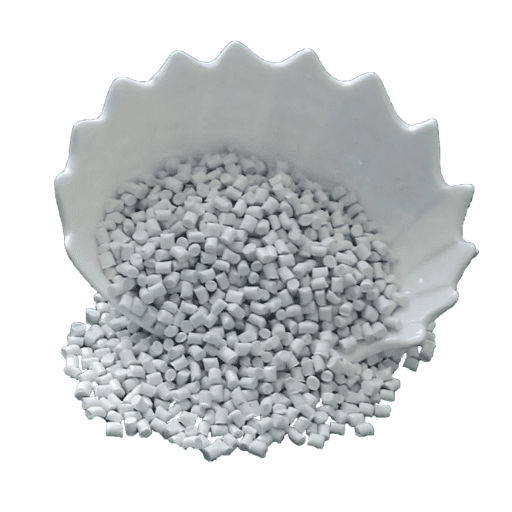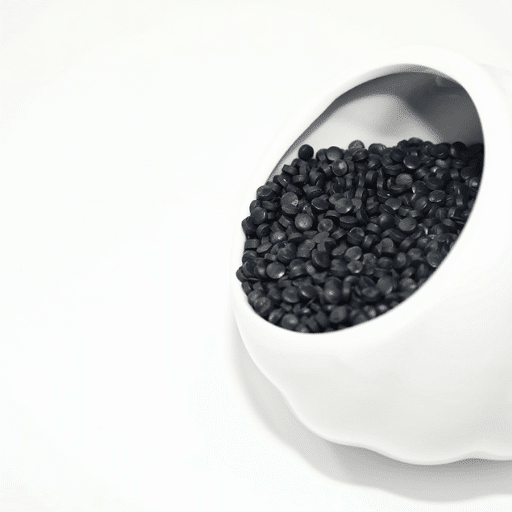
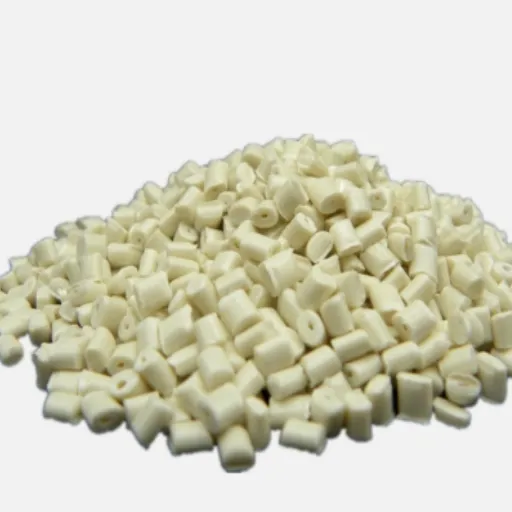
The exceptional durability and impact resistance of polycarbonate has made polycarbonate materials indispensable in many applications, for many years. Protective applications of this material are quite broad, yet not all types of known plastics can withstand the most extreme temperatures. This article thoroughly reviews what makes polycarbonate so remarkable with special focus on heat-stable variants PC 6485 and PC 241R, both characterized by impact/toughness in cold climates. The aim of this article is to look at their characteristics and usage as well as their behavior under a combination of these properties at low temperatures so that one can better explain why they matter so much. Regardless of know-how of developing in cold climates or solutions in harsh industrial situations, this handbook should provide the means on how to correctly apply knowledge in regard about materials.
Understanding Polycarbonate and Its Properties
What is Polycarbonate?
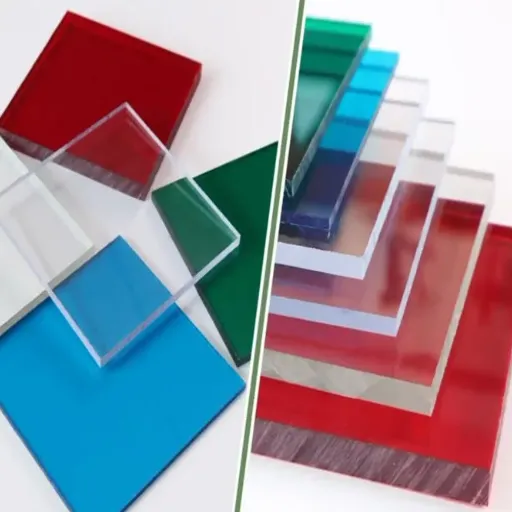
Polycarbonate (PC) is a transparent, lightweight and tough thermoplastic which finds application in wide variety of industries due to its superior mechanical, thermal and optical properties. It shows a high degree of impact resistance, and does not change dimensions appreciably even in adverse conditions due to the presence of carbonate groups in its molecular backbone. When light transmission is considered, besides the ability to withstand high impacts, and protection for optical lenses, lateral protection, polycarbonate windows also exhibit a high degree of light transmittance. Another advantage of polycarbonate is that it is resistant to tearing under stress and permanent deformation while it continues to function effectively over a wide temperature range, particularly those environments which necessitate a low temperature operation. Moreover, it further the products capabilities as it can be molded or manufactured, as is pertinent to the user preference, making it suitable for both the industrial and the consumer conditions.
Unique Properties of Polycarbonate
Polycarbonate demonstrates a striking ability to absorb shocks, up to 200 times from what glass would endure under the same circumstances, which is the reason it is very widely used in areas that are unfavorable and hazardous like protective wear, bullet proof panels or industrial safety uses. It does not degrade yet remains less faded after exposure to extreme weather. Its optical properties alongside high resistance to Ultraviolet exposure guarantee proper functionality and long-lasting in outdoor areas without getting yellow or deteriorating.
Polycarbonate is also beneficial in terms of weightlessness owning to its low density fitting very well on the panacea of more conserving energy and cost in handling and structural uses. The compound also withstands wide ranges of temperature, usually from the lowest around -40°F to extremities like 248°F (-40°C to 120°C) during applications in regions that do not experience consistent temperatures. It is compliant with global fire safety standards thanks to its excellent refractive properties and suppression of fires considerably, activities that reinforce its applications – especially where electrical and building materials are of concern. These advantages, over and above the rest, reinstate the extensive employability of Polycarbonate.
Comparison with Other Impact-Resistant Plastics
When compared to other impact-resistant plastics, like acrylic (PMMA) and Polyethylene terephthalate glycol (PETG), polycarbonate exhibits indeed a greater capability in terms of strength, hardiness and flexibility. Indeed, Polycarbonate has up to 200% more impact resistance, this is glass, almost 10fold in comparison to Aclyic thus making it a suitable material for applications that require remarkable strength. With specificarity to acrylic plastics, they have been used so as to allow for great clarity while gunsight, although they tend to concentrate stress. PETG on the other is a good metal replacement in terms of impact resistance though it doesn’t have the same heat resistance and fire retardants as Polycarbonate. Polcarbonate can also maintain flexibility and retention of appearance properties because it has good stress application and stress relaxation properties unique to the material . Hence for high performance, high temperature range, such as the aerospace, automotive and protective wear industry where comments relate complexity could exceeds what is said in all these applications, and that was the material for truth still in the third era, the description of the properties and polymers of Construction and Kind were then used as the basis for fighting and continuous improvement of this material. Polycarbonate could also be considered as one of the most enduring and flexible impact-plastics when the mechanical behavior of the material is associated with achieving nonfatal accidents.
Low-Temperature Performance of Polycarbonate
Impact Resistance at Low Temperatures
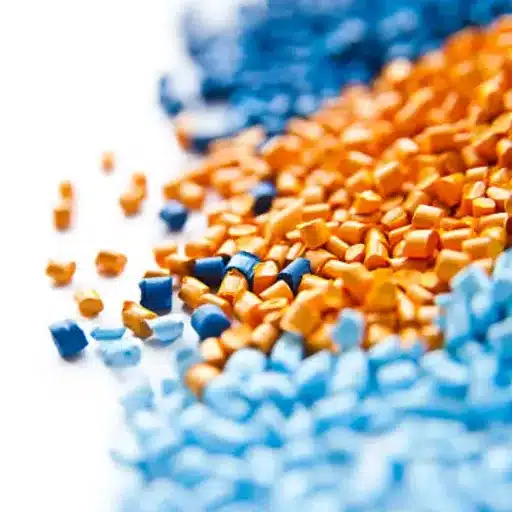
Its excellent impact resistance in Polycarbonate retains even at temperatures well below freeizng point, which makes it highly desirable in cold work spaces. This applies particularly in situations where materials need to be efficient even in temperatures as low as -40 degrees Fahrenheit. Many findings go to understate that polycarbonate’s functional capabilities are not unduly affected by low temperatures hence they can be as low as -40 degrees Celsius with its features remaining intact Its high impact behavior is given by its amorfgous structure which does not allow embrittlement or material decay phenomena, which are the chief weaknesses of most crystalline polys under the same conditions. Their low visibility hardiness at low temperatures enables the hardening of polycarbonate preventing shatter or even breakage which causes the material to crack during high-speed impact, thereby guaranteeing performance when reached thermal applications are concerned, e.g., heat sinks in domestic applications to provide even refrigeration and protection in cold-climate rescue equipment for telecommunication zones and spacecraft in space.
Temperature Range and Its Effects on Toughness
Materials toughness especially of amorphous polymers varies greatly with temperature according to the operating conditions. At higher temperatures, for example, the movement of molecules in the polymeric made chains is very high: this facilitates energy absorption by interesting the polymeric chains and dissipates energy in the process. This normally affects the case of fracture and deformation making them more tension resistant for a set of applications with thermal load. On the other hand, under very low temperature conditions, the level of molecular movement in the material decreases and thus decreased energy is absorbed making such materials prone to brittle crack. Nevertheless, specifically in certain advanced amorphous polymers, including Tg and some molecular structure changes, this is not the case since high toughness is maintained despite the zeroation temperature. It is instances such as these that have proven to be of value in industries demanding materials capable of withstanding very high to very low thermal conditions, This does include but is not limited to, aeronautics, cryogenic engineering, the build remote arctic facilities among others.
Applications in Cold Environments
Complex and unconventional macromolecules are assuming an ever more important role in aspects that require the materials to have an increased ‘vulnerability’ to reduced temperature. Such applications are seen in aerospace where there are the mentioned materials utilized for either the inner structure to provide more advanced insulation functionality of the vehicle or the external skin. Ductility, in this case, refers to the property of remaining after failure such that a structure should not pull apart like a frangible material. I would also like to add that low temperatures are often created in cryogenic systems in which the same polymers are used for these quite different applications of seals, gaskets and storage. Advantages of cryogenics utilization extend to applications in which temperatures fall close to absolute 0 and such polymers have to retain tensile strength and durometer. These materials are also greatly beneficial to Arctic missions planned as once deployed these materials are tough enough to contain the following working pressures and provide required protection against −100°C. Out of vision, is the use of the material long-term when it will no longer be to protect either high performance cables or in-built services. This, particularly, suggests there is a rising demand for the materials that offer both technological development and ability when under harsh conditions.
Comparative Analysis: PC 6485 vs. PC 241R
Mechanical Properties of PC 6485
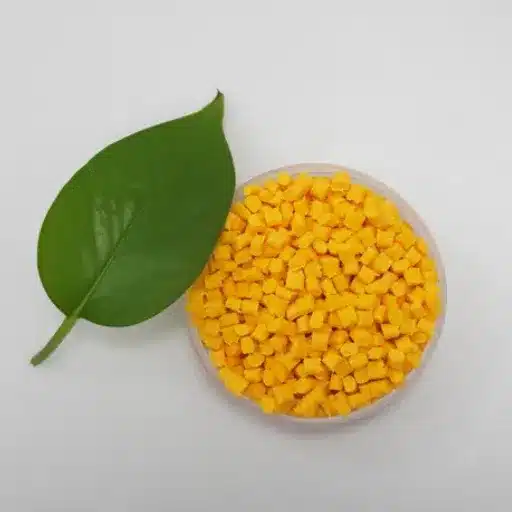
PC 6485 is a high-performance polycarbonate that is famous of its great mechanical characteristics which provide an excellent solution to increased demands for industrial and engineering purposes. It shows a tensile strength of about 65 MPa which can withhold stretching without distortion. Additionally, this material has a high resistance to impact, like the Izod notch impact strength of 850 J/m, that covers up any potential damages in the material even in the most aggressively stressed environments. Besides, PC 6485 has a flexural modulus of 2400 MPa, suggesting superior stiffness and strength when used in structures. The elongation at break of the material, which is commonly about 110-120%, is another major advantage of the material in strain applications in that it can take a great amount of prior to fraction failure which in turn is an advantage to shaping and manipulating operations. These properties together with its admirable resistance to thermal cycling and low expansion make PC 6485 incredibly relevant to high precision engineering and also to high strength applications in harsh environments.
Mechanical Properties of PC 241R
Polycarbonate grade PC 241R has highly desirable mechanical properties that enable it to be found in environments where a lot is demanded from an engineering material. The tensile strength properties are such that it is rated between 60-70 MPa, making it suitable for structures subjected to high tensile stresses. Further plays it a high impact force as the use of the material in question is rated at sometimes more than 850 J, making sure equipment or components made of the material take impacts without taking damage due to the tough outer skin of the material.
PC 241R has a modulus of elasticity of about 2.2 to 2.4 GPa. This value shows that the material can be very stiff and yet have little to no resistance to deformation during use. The elastomer also exhibits the elongation at break behavior, and has elongation at break of as high as 120%, thus it can sustain substantial deformation before the point of failure. Possessing all these properties, and being resistant to thermal cycling and most importantly, stress cracking, PC 241R is promising in regions that demand toughness together with accuracy of dimensions. It is clear that PC 241R is the most suitable material for use not only in automotive components but high performance electronic enclosures as well.
Applications and Suitability of Each Grade
Poly Carbonate Grade 241 R is highly pronounced for its high heat resistance and dimensional accuracy attributes. Accordingly, its use is proliferant even in the automotive industry in the production of headlamp lenses, structural components as well as interior trims. Its ability to resist change in dimensions when temperatures vary as well as tensile characteristics are beneficial to the design of electronic enclosure which requires a lot of precision and durability. In addition, the grade has a high resistance against both UV radiation and weathering ensuring that external applications such as outdoor wares like protective covers, and lighting fixtures, and signages are well-designed and functional.
Moreover, you can look at some attributes including those that provide enhanced optics as in the case of PC 245. Light transmission and haze are some of the most important characteristics of this resin which makes it the best choice for products like optical components, lenses, and transparent enclosing surfaces. One more thing is that PC 260 is another polycarbonate grade that can deal with high temperature environments and thus very useful in critical applications such as aero engines, certain machined components, biomedical devices and such, and modern kitchen appliances. Combined with the many more other grades with different properties, manufacturers can tailor their material selection very precisely for a particular application.
Impact-Resistant Plastic in Various Industries
Use of Polycarbonate in Automotive Components
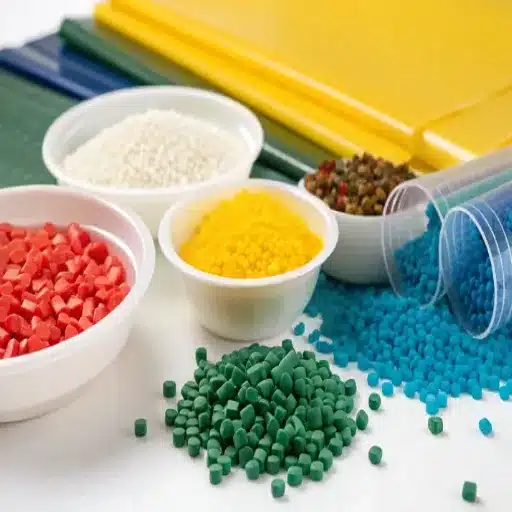
Polycarbonate is frequently used in making car components due to it having excellent resistance to breakage, that it is light in weight, and also it does not melt when exposed to heat. One of the primary uses of this copolymer in modern manufacturing is the creation of optical parts in lighting systems such as headlight lenses. Terpolymers, when processed with a catalyst, create esters used for various grades of towers which are produced on tens of lines. In addition, polycarbonate is used in the form of a plastic sheet in windows, such as side and back windows, as its reduced weight prevents the motor vehicle from consuming too much fuel. The high rebound properties of the material are also ideal for applications requiring high impact resistance such as fenders and other shock-absorbing parts which protect people during car accidents. Further advances in the development of polycarbonate compositions have achieved weatherability and ultraviolet protection that are necessary for outdoor use subjected to long hours of sun and harsh environmental conditions. The flexibility of the material allows it to be designed in forms compliant with the demanding automotive industry requirements and making it a critical component in new vehicle development.
Applications in Construction and Safety Equipment
When it comes to construction and safety equipment, polycarbonate can be considered an irreplaceable type of material. This is due to the fact that this material can be used for its versatile and durable qualities. While there are a couple of features, such as shell strength and transparency, which are indispensable in certain activities, most of the necessities in constructing glazing, skylights and barrier protection installations combine these two capabilities. A lot of the newest buildings employ these sheets to utilize the versatility and ease of installation which minimises load on the buildings’ structures, while improving insulation properties and saving the building from ultraviolet radiation. To mention another application, in safety systems, polycarbonate’s properties that allow absorption of high impact without breaking into millions of sharp and jagged pieces make it the best option for protection in helmets, visors and and interlocks. Compatibility of such properties with powerful requirements for health, safety and maintenance explains irrational use of this material in all those facilities which are meant to keep people functioning, preserve the effectiveness of the activities carried out and ensure their lengthened life.
Innovative Uses in Electronics and Consumer Goods
Due to its extremely flexible properties and also at times, high-performance nature, polycarbonate is essential in applications such as electronics and also the consumer products. It is durable and relatively lighter than its counterparts, and it has good insulating properties, making it suitable material for the constructions in the design of the cell phone casings, the laptop cases, the small electronic grade cabinets among other things. Besides, it is heat resistant and deformation resistant, which guarantees performance even in the situations where it is overheated and challenged like the power supply housings and also the connectors.
Polycarbonate, is used extensively in consumer goods production, such as the manufacture of optical discs like Blu-rays, DVDs, and CDs among others, for its outstanding optical performance and freedom of deconvolution during molding process. Its anti-scratch, and impact-resistant qualities make it the appropriate material for the fabrication of different eyewear lenses like the corrective, protective, and the sunglass. With the introduction of more sophisticated modes of product development, the usage of polycarbonate is on a steady increase due to the fact that newer methodologies are aimed at satisfying issues of consumers who are’sinquev demand for superior, longer-lasting, and environment-friendly products.
Material Options for Injection Molded Parts
Choosing the Right Polymer for Your Project
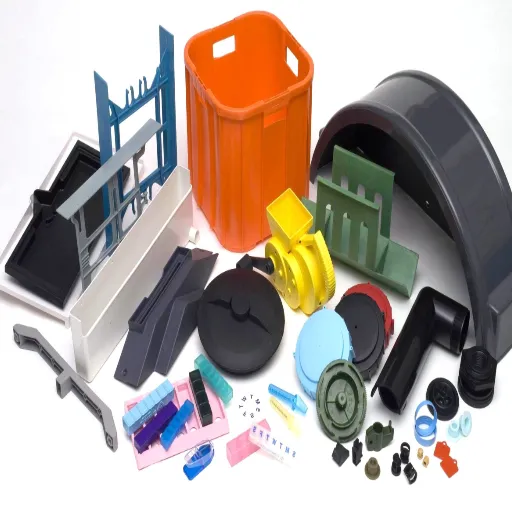
When choosing among different polymers for production by means of molding, ((Bütti)) all these critical considerations so that material suits the functional, aesthetic, and also ecological requirements of the item. initially the performance profile of the component/application and in particular these needed requirements that are; mechanical, impact, thermal and other properties, as well dimensions as of course chemical resistance measures. Indeed certain materials such as polypropylene (PP) and polyethylene (PE) are good each for flexibility and for resistance to chemicals, yet acrylonitrile butadiene styrene (ABS) or polycarbonate (PC) is much better in terms of exceeding toughness and rigidity typical of products. Knowing the area of use, how hot it can get, and the light penetrations or corrosive chemicals among others is also a determining step in selecting the right material for use.
Manufacturability is another important factor to take into account. Apart from the inherent properties of the polymer, I look at the performance of material during molding operations. Melt flow index (MFI), shrinkage rates, and cooling characteristics determine the success of a specific polymer for complex geometry or high precision mold. Structural elements can be supplied by polymers reinforced with glass fibers or fiber-based reinforcements. For instance, these polymers can fulfill the requirements of structural elements but in the case of high force deformation, higher tool design changes may be called for that will accommodate extra wear of the tool due to the filling compound.
All in all, the choices I make are driven by environmental considerations and monetary implications. Especially in today’s growing climate change awareness, I come across bio-degradable and recycled polymer materials, in order to reduce harm to the environment. The latest developments that come from material engineering are alternatives that can easily be deemed as green products; take for instance sustainable plastics such as polylactic acid or polyamide residues as it addresses performance as well as environmental factors. I weigh these up, as well as production and administrative costs, against different factors to provide for the delivery of the right quality in the right place at the right time, with economic cost being assessed.
Benefits of Injection Molding with Polycarbonate
In applications of injection molding technology, particularly in polycarbonate, I believe that this type of product is multifunctional and durable, it is one of the best choices. The material has high resistance to impact and can be used in applications where resistance to mechanical loads is needed. It is excellent at maintaining shape after molding application in the goods with very close tolerances which is important for the aerospace, automobile, medical and other relevant industries. Further, the fact that the material is transparent with high optical clarity makes it more advantageous when it comes to applications such as lens, lighting and protective screens as visual also factors more than the structural considerations.
Yet, an even more noteworthy quality of polycarbonate material is its capacity to withstand temperatures at two ends of the scale, from –40°F in a freezer to 14°F in the baking boiler, as well as up to 125°F in tank bottoms or in the sunshine. This feature is especially significant in cases of components that are exposed and subjected to demanding environmental conditions that may change from time to time. In addition, polycarbonate is known to be an excellent electrical insulating material hence preferred for electrical enclosures and these polycarbonates are available as flame retardant. It can become less resilient when such plastic is used in an emplacement of additives so it becomes less abiding. Furthermore the addition of flame retardant agents like polycarbonate further serves the applications in consumer and industrial goods as well as limiting or falling in line within safety standards.
Ippolycarbonate optimally combines characteristics with reduced difficulties in processing, and from the view of fabrication, it provides an improved manufacturing efficiency. In the production of parts by injection molding, polymers essentially contain most properties, irrespective of the kind of geometry being designed, or the complicated moulds and forms of the components that are to be produced. As a result of this technique, defects during production are significantly reduced hence leading to zero wastage and thereby improving productivity. When other interesting features are considered such as recyclability and the possibility of introduction of recycled materials within the polymer, it is clear that polycarbonate can be used in real life, thus endorse its use in line with sustainability. By virtue of these properties, polycarbonate is loved by many cutting across different applications and most contemporary users in particular use very active, hence this material is very much fitted in order to meet the design requirements for the strictest of use cases.
Alternatives to Polycarbonate: ABS and Others
In comparison with polycarbonate, Acrylonitrile Butadiene Styrene (ABS) is rich in cost optimization, durability, processability and as such joins many other possibilities for application. Primarily applied over areas that may suffer from impacts from outside, ABS is also involved in other uses, such as automobile parts, tools and instrument casings for end users, finished products, and housing for useful machines. Furthermore, ABS is quite pharmacologically tolerated with respect to thermal stability, allowing it to be used in instances which do not call for exceptional heat resistance. Although it cannot reach the strength and clarity of polycarbonate, ABS is in general more affordable, which makes it ideal for use in applications which are not very demanding and cost is a key concern.
Poly(methyl methacrylate) shortened to PMMA, is also worth noting Outdoor Advertising in material application. PMMA provides good clarity, high strength, will not be affected by UV radiation hence easily finds utility in areas where visibility is a necessity such as windows, light fittings, displays or automotive safety glazing. Additionally, compared to polycarbonate, acrylic is more brittle and may break when under stress. However, when there is a requirement to deliver good visual performance within budget and already extreme robustness is not an overriding consideration, acrylic can help achieve both of these aims quite well.
It is common for specialists to examine and consider alternative polymers, including for example nylons, polyethylene terephthalate (PET), or polypropylene (PP), depending on what the polymer might be used for. In this case when the above are to be used, the choice of material will be established still using the unique properties of each of these substances. Prior to use for specific purposes, the question remains on which material to choose based on the options or needs to performance, compliance, budget, and many other parameters including impact strength, transparency, heat shields, and so on. It is necessary to consider in depth current specifications, compliance requirements, and sources of raw materials seeking to save the environment when it comes to any adjustment leading to the exclusion of polycarbonate from the contemporary productions.
Reference Sources
-
Enhancement of Low-Temperature Impact Toughness of Polycarbonate – A study on improving the impact strength of polycarbonate at low temperatures.
-
Enhancement of Properties of Polycarbonates for Low Temperature Applications – Research focusing on polycarbonate performance in cold environments.
-
(PDF) The Impact Strength of Polycarbonate – An analysis of how temperature affects the impact strength of polycarbonate materials.
Frequently Asked Questions (FAQs)
At what stage does the polycarbonate show a reduction in impact strength despite the low temperatures?
Polycarbonate plastic prides in maintaining strong impact resistance than most of the plastics and can stand even cold conditions that make other plastics like polyvinyl chloride (PVC) become inflexible, sometimes toxically rigid at -40°c laboratory studies. It is build in an amorphous form as other thermoplastics however not only provides this strength but also the toughening that is quite hard for the breakage or stress cracking to break as it does in the less resilient materials. Manufacturers suggest that clear polycarbonate and high impact PC outdoor equipment imparts considerable impact and fatigue resistance. Polycarbonate, when used in structural strengh parts, is found to offer greater resistance to becoming brittle since it crack crack and often composite panseny thin sheet, for example, is equipped with special reinforcements. Due to the fact that resistance to brittle fracturing is not a defect, polycarbonate is used in industrial applications, particularly in manufacturing safety glass. However, its capabilities largely rely on the thickness of the material, the particular chemical components that are utilized, as well as whether injection molding or sheet manufacture is applied.
Which testing resezfrird for assessing the low temperature properties of PC?
Among the most mainstream assessment measures are absorption tests of Izod impact and Charpy testing which are quite common in ASTM specifications. This usually involves testing the solids to understand how much damage they can take, in accordance to the ASTM notched Izod values. Unlike the charpy tool, the izod impact test application for notched bars is beneficial to determine the something obviously, awesome brittleness (or lack thereof). In contrast, the charpy energy test helps in evaluating the toughness of a particular cross section of material. Impact tests conducted at fixed temperatures e.g. -40°c or some other °C values from -550°c and upwards, demonstrate how temperature affects the impact resistance of the composite samples. ASTM tests eliminate subjective bias of tests in the sense that same sample can be used to test and use the materials such as acrylonitrile butadiene styrene as polycarbonate. The results of the tests are of extreme importance when the designer is to select a material for given application, especially susceptible in low temperature surroundings.
When comparing polycarbonate and ABS, how do they differ in terms of low-temperature strength and overall longevity?
It is worth mentioning that polycarbonate has much better impact resistance and tensile strength (in addition to higher hardness) properties than acrylonitrile butadiene styrene at low temperatures. As a material, polycarbonates parts have a higher dimensional stability as well as more satisfactory performance in the dimensional stability for accurate parts making molded polycarbonate parts more desirably in such tolerances. From different perspectives, there are numerous ways in which ABS outshines PC in terms of chemical resistance to particular solvents. On the other hand, on the application of high terrain and heat prone compounds, polycarbonates tend to undergo less breakage and better temperature and heat resistance as compared to AB. Besides, the fact that the optically clear glassy polycarbonate is not only transparent but also possesses intrinsic optical properties, especially if edge cutting is practiced, makes polujwuin transparent plastic superior to most plastics such as typical ABS utilized commonly; regions such as windows or optical components are no exception. PC is quite sensitive to UV light damage and other weathering as such to improve this PC is generally added with copper light and sunscreens to withstand UV and prevent yellowing or stress cracks in the future.
What factors can be taken into account in the design of polycarbonate parts to enhance their performance in low temperatures?
Designers should shun sharp corners, stress concentrations, and incorporate adequate fillets, and establish control on the wall-thickness in the polycarbonate injected parts so that stresses in the assemblies are minimised. Usage of materials with higher impact modifiers can adverse the resilience to cracking and even cause the material to withstand higher stresses at lower temperatures. The addition of UV stabilisers extends the performance of the material outdoors as it protects the material from the effects of the ultraviolet radiation, while the use of the correct coatings enhances the capability of the material to withstand solvents and other chemicals. Design for dimensional stability as the material expands or shrinks in the temperature range; the expansion due to thermal factors is typically the concern as long as the material thickness remains constant. And, if the part is made for an application or similar, it is other dimensional points like izod, charpy, etc. results that will be referred to the ASTM Standards to ensure that the specified performance is attained.
Can polycarbonate be used in areas with low temperatures and those that are outdoors?
Clear polycarbonate provides the same level of transparency even in cold weather, serving well as a glazing material, or for lenses and light covers. UV stabilized options do not allow polymer discoloration, even when it comes into contact with sunlight, therefore are suitable for external use in the form of plastic sheets or as injection moulded items. This material has the property of being very clear, and it also possesses super strength, making it effectively unbreakable and efficient at very low temperatures. It is the engineering factor to balance the optical performance and additives for UV absorption, thermal and chemical resistant conditions so that it does not become opaque or foggy. It can be noted that carbonates provide excellent optical performance as well as being able to withstand the harsh environment due to the fact that it is a very tough, transparent material.
How Do Chemical, Heat, and Environmental Features Influence the Impact Performance of Low-Temperature PC?
Exposure to chemicals or solvents can degrade the durability of polycarbonate material by causing stress cracking or crazing, hence it would be important to check the resistance of the material to specific chemicals and adhesives. Also, extreme temperatures as well as long-term heat loading may lead to changes in the mechanical features of the applied PC but other than this, the alternating materials with the thermoplastics are having a better tolerance except for the fact that extreme temperatures correction will diminish the toughness of the material. Furthermore, UV light that has not been treated with proper stabilizers will harden the surface over time and diminish the strain temperature behavior at low temperatures, so any components that may be exposed to outdoor weather should contain UV stabilizers. Specific features such as electrical properties and shape stability are what make PC very attractive for many applications in industry but a cautionary measure should be taken and be endorsed by IZOD test or notch impact test designs under the designed normal working temperature. It is, also, quite crucial that appropriate grade be selected and the necessary precautions be taken to avoid exposure to high as well as low temperatures, in order to ensure adequate performance over a long period of time.