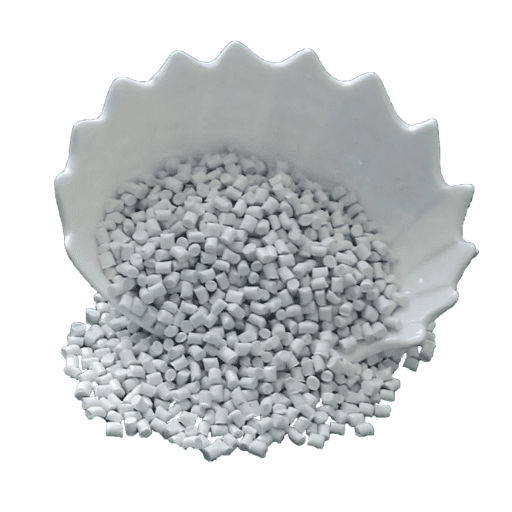
Polyethylene suppliers declared price hikes of up to $0.30 per pound on April 2026. The company already announced another price increase of $0.20 per pound, which will take effect in May. The annual cost for a manufacturer who uses 500000 pounds of materials will experience a financial impact of $250000 within six months.
You already know that resin price volatility in 2026 is not a temporary headache. Organizations produce a systematic division between procurement teams that protect margins and teams that automatically absorb expenses. This guide breaks down exactly what is driving the plastic resin market outlook 2026, how commodity and engineering grades are moving, and the eight tactics resilient buyers are using right now.
The following information will be presented to you in this document.
- The current price landscape for PE, PP, PVC, PS, ABS, PET, and engineering resins
- 2026 volatility arises from four different forces which include feedstock spikes and geopolitical shocks.
- Successful procurement teams use established methods to control resin price changes which they learned through experience.
- Broker-dependent supply models create higher cost uncertainty than direct-source suppliers do.
Marcus Chen, a procurement director at a Midwest automotive parts supplier, accepted an $0.18/lb polyethylene increase in March without validating it against spot benchmarks. His competitor negotiated a flat rate for the same grade, because they discovered that spot material prices were 8-10 cents lower than contract rates. The difference? One team treated the increase letter as fact. The other treated it as an opening offer.
The 2026 Resin Price Landscape: Understanding Resin Price Volatility 2026

The global plastic resins market is projected to reach approximately $816-914 billion in 2026, growing at a CAGR of 4.8-6.4% through the early 2030s. Yet beneath that growth sits resin price volatility 2026 — a turbulent pricing environment where supply discipline problems and feedstock supply shocks and tariff uncertainty create three dangerous pricing conditions. The plastic resin market outlook 2026 demonstrates simultaneous market expansion and market pressure.
According to Plastics Technology, most commodity resin categories moved higher in April as producers pushed aggressive increase nominations. For procurement teams, this means every contract negotiation carries six-figure implications.
Commodity Resins: Mixed Signals and Rising Pressure
Polyethylene (PE) experienced one of the most dramatic turns of 2026. Early in the year, spot prices ran 8-10 cents per pound below contract, creating a buyer’s playground. Then April nominations surged up to $0.30/lb, with another $0.20/lb signaled for May. The cumulative exposure is roughly $0.50/lb. As PlasticsToday reported, buyers who delayed negotiations found themselves on the wrong side of already-decided outcomes.
Polypropylene (PP) price increased by 4 cents per pound during the first months of 2026. Producers requested another price increase of 5-6 cents per pound which continued until April. The market experienced no demand surge because tight polymer-grade propylene (PGP) supply resulted from overlapping plant turnarounds and PDH outages. The 70s operating rates indicate that producers maintain supply discipline despite declining demand.
The PVC market is experiencing tighter conditions because companies are conducting maintenance activities between February and May. The market saw suppliers remove large volumes of supply material at the same time that ethylene prices increased. The January price increase started at 1 cent per pound and the company planned to raise prices between 3 and 5 cents per pound during the upcoming months.
Polystyrene (PS) gained 1-3 cents per pound early in the year despite very weak demand. The operating rates for PS equipment currently operate at low 50 percent levels. The real pressure came from benzene contract prices, which jumped from 2.86/galto2.86/galto3.14/gal in March. April contracts pushed toward $4.70/gal, creating a cost cascade into PS, ABS, and polycarbonate.
PET price remained stable during the initial three months of the year until April when the paraxylene contract price increased by 13.5 cents per pound. Packaging demand had been slow to start the year, but feedstock momentum is now shifting the trajectory.
ABS remained stable until January and February but three to five cent price increases occurred during March and April. The INEOS Styrolution turnaround tightened supply at the same time feedstock costs rose.
The polyethylene polypropylene price tracking between spot and contract markets presents both risk and opportunity for buyers who track prices until 2026. Smart procurement teams are exploiting spot-contract spreads while locking in supply security through strategic contracts.
|
Resin |
Q1 2026 Trend |
April/May Outlook |
Primary Driver |
|---|---|---|---|
|
PE |
Spot 8-10¢ below contract |
+0.30/lbApril,+0.30/lbApril,+0.20/lb May |
Supply discipline + ethylene costs |
|
PP |
+4¢/lb early 2026 |
+5-6¢/lb pushed |
PGP tightness, PDH outages |
|
PVC |
+1¢/lb January |
+3-5¢/lb targeted |
Turnaround season, ethylene rise |
|
PS |
+1-3¢/lb early |
Pressure from benzene spike |
Benzene 2.86→2.86→3.14→$4.70/gal |
|
PET |
Flat Q1 |
+13.5¢/lb paraxylene increase |
Feedstock momentum |
|
ABS |
Stagnant Jan-Feb |
+3-5¢/lb March-April |
INEOS turnaround + feedstock costs |
Engineering Resins: Stable Lists, Climbing Input Costs
The engineering resin market faces its challenges which remain unseen while commodity resins dominate news coverage. Flat prices of polycarbonate (PC) and nylon permanent materials show no changes throughout the period. The production of PC and nylon materials depends on rising benzene prices which directly affect their manufacturing process. The hidden expense operates as an invisible financial burden which reduces the budgets of manufacturers who produce medical devices and automotive components at their smallest profit margins.
For high-stress applications, PA66 plastic pellets offer excellent thermal and mechanical stability. When resin price volatility 2026 puts pressure on engineering grades, having a qualified supplier with transparent pricing becomes even more critical.
Want to see how engineering plastics fit into a resilient sourcing strategy? Explore our complete range of engineering plastic pellets.
What Is Driving Resin Price Volatility in 2026?

The first step to construct a defense system requires researchers to discover the fundamental reasons behind resin price fluctuations in 2026. The market currently experiences four main forces which include:
- Feedstock and energy cost spikes
- Geopolitical and trade disruptions
- Supply-demand imbalance and producer discipline
- The recycling market squeeze.
Feedstock and Energy Costs
Plastic resins depend completely on crude oil natural gas and petrochemical chemicals. The oil market established its first period of stability at low-to-mid $60s per barrel range which affected polyethylene and polypropylene prices. The geopolitical conflicts that disrupt Middle Eastern areas specifically the Strait of Hormuz region create dangers which will drive crude oil prices to reach triple-digit territories. The cost of pellets increases by 3 to 5 percent whenever the price of crude oil rises by $10 per barrel.
Procurement teams must focus their attention on three essential materials which include propylene monomer and benzene and paraxylene. The feedstocks deliver a 2 to 4 week period which predicts upcoming resin price changes. When PGP spot prices reach low $0.60s per pound range as they did in early 2026 PP contract prices will follow within upcoming weeks.
Geopolitical and Trade Disruptions
The United States domestic prices for resins and resin feedstocks face upward pressure because of a 15% tariff that applies to all imported resin feedstocks and finished resins. The current shipping restrictions together with logistics bottlenecks, which exist throughout the system, create additional uncertainty. The market, which exists today, has specific costs that international business operations present to companies.
The USMCA trade agreement has led many manufacturers to expand their efforts in nearshoring. Supply chain regionalization helps businesses avoid three types of risks: port delays, tariff changes, and geopolitical problems that affect one transportation route. North American manufacturers now face a fundamental change in their plastic raw material sourcing strategy because of this market development.
Supply-Demand Imbalance and Producer Discipline
The demand recovery process for 2026 has shown only limited progress. Polypropylene and polystyrene production facilities maintain operational levels between 70 percent and 50 percent respectively. The normal supply cycle should lead to price declines because of the existing oversupply situation. Producers at present time reduce their production levels while they plan maintenance shutdowns to protect their profit margins.
The period from February to May which serves as turnaround season resulted in substantial supply disruptions for PVC, PP, and ABS materials. The production discipline from this supplier creates artificial material shortages which enable price increases despite weak demand from end markets.
The Recycling Market Squeeze
The recycled plastics sector is experiencing structural challenges. Evergreen Recycling shut down its PET recycling facilities in Ohio and New York during February 2026. Republic Services suspended its development plans for a fourth Polymer Center facility. Industry experts predict that recycling profitability will stay low for another period of 12 to 18 months.
The low-cost virgin resin market has created a situation where recycled feedstock is losing its market value. The sustainability requirements of procurement teams create two challenges because recycled materials have unpredictable price increases and their supply is becoming limited.
Procurement teams need to study these four forces because it helps them create a resilient plastic raw material sourcing plan that will endure resin price changes throughout 2026.
8 Procurement Strategies to Manage Resin Price Volatility in 2026

The biggest risk this year is not resin price volatility 2026 itself. The situation requires acceptance of price resets as default because the pricing system lacks transparent operational procedures. The following framework serves as a practical resin procurement strategy.
1. Benchmark Aggressively Before Accepting Increases
A supplier increase letter should never be regarded as absolute truth. The information needs validation through feedstock cost models and published indices and peer transaction data. The information helps to determine whether the increase stems from actual cost pressures or attempts to recover lost profit margins. Most buyers who conducted PE spot price benchmarks during the beginning of 2026 found their trading prices stayed well below their contract agreements. The acquired knowledge provided them with direct negotiation advantages.
M. Holland Company emphasizes that the smartest procurement strategies in 2026 combine aggressive benchmarking with tough contract renegotiation.
2. Blend Contract and Spot Purchasing
The market experiences high risks when people depend solely on either contracts or spot purchases. Use spot purchases when spreads are wide, as they were for PE in early 2026. Use contracts for budget certainty and security of supply. The unified system establishes the primary method which resin buyers should use to handle resin price changes throughout 2026. Market developments determine the best combination of elements to use.
3. Build Redundancy Through Dual Sourcing
Elena Rodriguez runs procurement for a medical device manufacturer in Tijuana. She established her second supplier for ABS and PP grades in late 2025. She preserved complete production through the INEOS Styrolution turnaround which reduced ABS supply in March 2026 while her rivals faced allocation difficulties. The process of dual sourcing enables businesses to gain price negotiation power which benefits their operations through enhanced operational capacity. Businesses should strive to establish business operations in every area which they can reach. A supplier with inventory hubs in your region can replenish stock on faster cycles and bypass international shipping disruptions.
4. Monitor Leading Feedstock Indicators
You need to establish tracking systems which will monitor crude oil and propylene monomer and benzene and paraxylene. The period between resin price movements requires between two to four weeks of advance warning from these indicators. The rise in benzene prices enables you to predict PS and ABS market pressures. The market for PP follows the tightening of PGP supply.
5. Structure Flexible Contracts
Organizations should not use fixed-price contracts which last for extended periods in situations where market conditions experience high level of uncertainty. Organizations should negotiate these following terms:
- Break clauses which permit contract renegotiation when feedstock prices exceed established limits
- Indexation which depends on accessible published benchmark standards
- Repricing points which occur at predetermined times instead of yearly automatic price adjustments.
6. Leverage Strategic Inventory as a Physical Hedge
The construction of buffer stocks for essential grades during periods of price advantages functions as a tangible market protection measure. The main objective requires finding the optimal storage expenses that must be measured against the benefits of material savings and the protection of supply security. The storage of inventory before the PVC production window during its expected seasonal shortages enables businesses to manage their operational needs before their commercial activities begin.
7. Expand Your Material-Selection Lens
Your engineering team should assist you in verifying the suitability of recycled materials and bio-based materials and other material alternatives. The market for hybrid PCR and bio-resin polymers will expand from 1.86 billion in 2026 to 6.72 billion by 2036. Early adoption can protect against fluctuations in fossil fuel prices and enable compliance with emerging sustainability regulations.
The process of selecting a suitable alternative grade from conventional resins creates better results for contract negotiations. A manufacturer who can shift from one ABS specification to a comparable PP grade has leverage that a single-material buyer does not.
For transparent, impact-resistant alternatives, PC plastic pellets can replace more expensive engineering grades in certain applications. If you need consistent surface finish and impact strength, explore our ABS plastic pellets specifications.
8. Deepen Supplier Partnerships
The process of transactional buying creates a risk for you during times of allocation. The strategic partnerships that you establish with others give your business access to priority services while delivering real-time market data and showing complete pricing information. You need to share your demand forecasts with essential suppliers. The suppliers will increase their protection of your business volume when they see supply shortages approaching. The partnership helps buyers who deal with resin price fluctuations in 2026 because it creates two options for supply.
Ready to protect your margins? Contact our polymer specialists for a custom quote and material strategy consultation.
Why Direct-Source Suppliers Reduce Resin Price Volatility in 2026
The value of suppliers varies between different suppliers. The way your plastic raw material sourcing plan operates determines how resin price changes in 2026 will affect your business earnings.
Eliminating Middleman Markups
Regional brokers increase costs to businesses without delivering any manufacturing advantages. Every intermediary takes a margin. Direct-source suppliers eliminate those middleman markups and pass competitive bulk pricing to the buyer.
Transparent, Upfront Pricing Structures
Hidden fees and unpredictable price hikes are a common pain point for procurement managers. Direct manufacturers can provide clear, upfront quotations with rapid turnaround. At Suzhou Yifuhui New Material Co., Ltd., we return detailed quotations within 24 hours. That speed matters when you are trying to lock in inventory before a price nomination lands.
Global Inventory Access and Responsive Support
A direct-source supplier with a global logistics network can keep your production lines moving regardless of regional disruptions. When one corridor tightens, a supplier with multiple shipping routes and inventory positions can pivot. Technical support that responds needs the same level of importance as other parts of the system. When you need to qualify an alternative grade or adjust a specification quickly, access to material specialists prevents costly trial-and-error.
A consumer electronics manufacturer in Southeast Asia recently switched from a regional broker to a direct-source model with Suzhou Yifuhui. They cut 12% from their annual resin budget and reduced quote turnaround from five days to under 24 hours. More importantly, when a PP shortage threatened their Q2 production schedule, our global inventory network provided an alternative grade that kept their assembly lines running without interruption.
Frequently Asked Questions About Resin Price Volatility 2026

What factors are causing resin price fluctuations in 2026?
The four main elements that cause resin price fluctuations in 2026 include two major factors: feedstock and energy cost spikes which include crude oil and propylene monomer and benzene and three other factors: geopolitical and trade interruptions which include 15 percent tariffs and supply-demand mismatches which producers control through strict production management and recycling market systems which create unrelenting operational challenges.
How to manage resin price fluctuations in 2026?
Procurement teams manage fluctuations through eight core strategies: aggressive benchmarking, blending contract and spot purchasing, dual sourcing, monitoring feedstock indicators, structuring flexible contracts, building strategic inventory hedges, expanding material-selection options, and deepening supplier partnerships.
What is the plastic resin market outlook 2026?
The global plastic resins market is expected to reach a value between $816 billion and $914 billion while experiencing a growth rate between 4.8 percent and 6.4 percent until 2026. However, pricing remains volatile due to geopolitical shocks, turnaround-driven supply constraints, and feedstock cost pressure across both commodity and engineering resin categories.
Conclusion: Turn Resin Price Volatility 2026 into a Competitive Advantage
The procurement strategy which your team executes will determine whether your organization faces risks or achieves benefits.
The main points of the study include these findings.
- The supplier price increases need validation process before you can accept them. The company must establish benchmarks which compare its operations against spot market data and feedstock market data and competitor market data.
- The company should use both spot market and contract market methods to develop its current trading strategies. The company should create dual-source systems which need geographic distribution to decrease its vulnerability to operational disruptions.
- The organization should track feedstock leading indicators because they provide 2-4 week price movement predictions.
- The 2026 resin price volatility organization needs to partner with direct source suppliers who provide transparent product information. The 2026 resin market needs to be managed by both partners who share this responsibility.
- The companies which achieve success in 2026 do not rely on their production capacity. The companies which succeed in 2026 operate their procurement activities through strict procedures.
You can request a custom pricing estimate for your project. Suzhou Yifuhui New Material Co. The company supplies high-quality plastic pellets which45 standard resin and engineering resin categories. The company offers clear pricing and worldwide distribution and its technical support team provides assistance for seven days. Our team will assist you in developing your plastic raw material acquisition plan which will help you manage the 2026 resin price fluctuations.