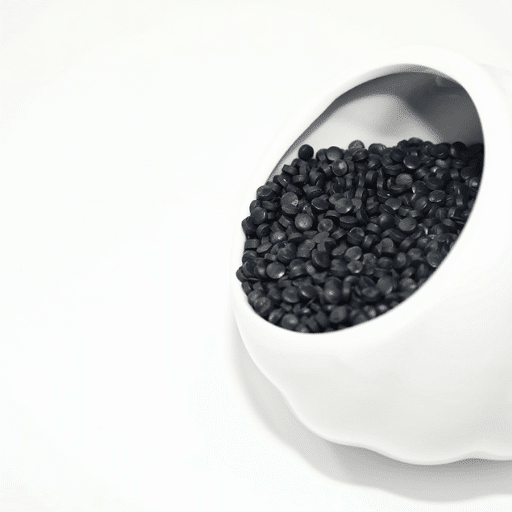
Maria Chen, a plant engineer at a mid-sized poultry processor, thought she had solved her conveyor wear problem. She replaced steel guide rails with standard black UHMW sheets to cut friction and noise. Six months later, a third-party audit flagged the material. The black UHMW was reprocessed, not FDA-compliant, and could not be used in direct food-contact zones.
Maria spent three weeks sourcing replacement parts. The delay cost her plant nearly $40,000 in downtime and pushed back a major retailer certification.
Her mistake is more common than most sourcing managers expect. Food-grade UHMW delivers outstanding performance in food processing environments. However, that performance only holds when you specify the right grade, verify the right certifications, and partner with the right supplier.
In this guide, you’ll learn exactly what food-grade UHMW is, which regulatory standards apply, where it performs best, and how to source it without compliance surprises. You’ll also see how it compares to HDPE and PTFE, plus the procurement steps that protect your production line.
Need help selecting the right grade? Contact our polymer experts for specifications, compliance documents, and a competitive quote.
What Is Food Grade UHMW?

Food-grade UHMW (Ultra-High Molecular Weight Polyethylene) is a thermoplastic engineered for safe contact with food. Its molecular weight typically ranges from 3 to 6 million g/mol, far higher than standard HDPE. That extreme chain length gives UHMW its signature toughness, abrasion resistance, and low-friction surface.
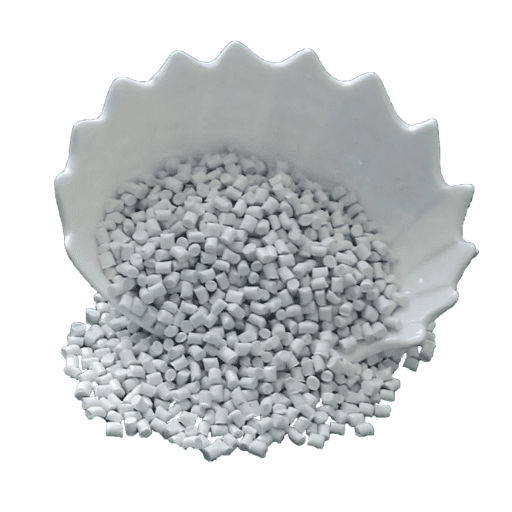
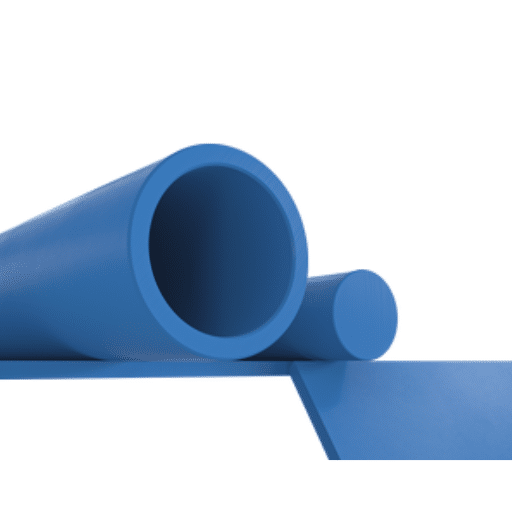
In simple terms, food-grade UHMW is virgin UHMW-PE that meets FDA, USDA, and often NSF or EU food-contact requirements. It’s non-toxic, moisture-resistant, and easy to clean. Processors use it as sheet, rod, tube, pellets, or machined components in equipment that touches food directly or operates in sanitary zones.
Food-grade UHMW is a virgin ultra-high molecular weight polyethylene that complies with FDA 21 CFR 177.1520 and other food-contact regulations, making it safe for cutting boards, conveyor components, and processing surfaces.
The material is usually compression molded or ram extruded because its high molecular weight prevents conventional injection molding or thermoforming. For raw material buyers, this means UHMW is commonly supplied as UHMW processing methods feedstock such as pellets or powder, then formed into sheets or finished parts by specialized converters.
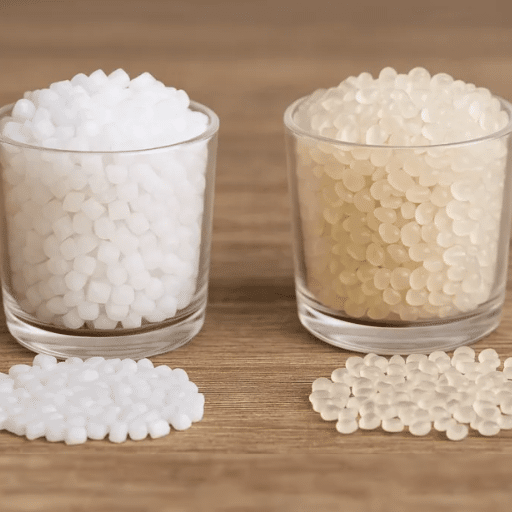
A critical distinction: “food grade” is not a separate plastic chemistry. It is a purity and certification designation. Virgin natural or white UHMW is inherently food-contact compliant. Colored, filled, or reprocessed grades are not automatically food grade, even if they look similar. To learn more about What Is UHMW?, please click to refer to our accompanying guide: What Is UHMW? Complete Guide to Ultra High Molecular Weight Polyethylene
Key Properties of Food Grade UHMW
Food grade UHMW is popular because it combines several properties that matter in wet, abrasive, high-cycle food plants. Additionally, these properties work together to reduce maintenance and extend equipment life.
- Low coefficient of friction. UHMW slides against metal with a dynamic COF of roughly 0.14 to 0.20. That self-lubricating quality reduces belt drag, motor load, and wear on mating parts.
- Excellent abrasion resistance. UHMW outwears carbon steel in many sliding applications. Conveyors, chutes, and wear strips last longer with fewer replacements.
- High impact strength. The material absorbs shocks without cracking, even at freezer temperatures. This matters in meat, poultry, and frozen-food operations.
- Very low moisture absorption. UHMW absorbs less than 0.01% water. Bacteria have fewer places to hide, and surfaces dry quickly after washdown.
- Chemical resistance. It stands up to acids, alkalis, alcohols, and common sanitizers used in food plants.
- Temperature range. Standard food grade UHMW handles continuous service up to about 180°F (82°C). High-temperature grades extend that limit.
- Easy machinability. Fabricators can CNC machine, saw, drill, and route UHMW into precise components.
These properties make food-grade UHMW a practical replacement for metal, wood, and lower-performance plastics in demanding sanitary environments.
Regulatory Compliance: FDA, USDA, NSF, and EU Standards

Compliance is the single most important factor when specifying food-grade UHMW. Therefore, the wrong assumption here can lead to recalls, rejected audits, or failed customer certifications.
FDA 21 CFR 177.1520
Virgin UHMW complies with FDA 21 CFR 177.1520, the regulation covering olefin polymers for repeated food-contact use. This compliance is self-affirmed by the manufacturer. The FDA does not issue certificates for individual lots, so you should always request a Certificate of Compliance (CoC) citing the specific CFR regulation.
USDA Acceptance
The USDA accepts UHMW components in meat and poultry processing when the material meets FDA requirements. USDA acceptance flows from FDA compliance. Surfaces must be smooth, non-porous, and readily cleanable.
NSF/ANSI 51
Natural and blue-detectable UHMW grades often carry NSF/ANSI 51 certification for food equipment materials. This certification is valued by equipment builders and plant auditors because it signals independent verification.
3-A Sanitary Standards
Natural virgin UHMW is accepted under 3-A Sanitary Standards for dairy equipment product-contact surfaces. It’s typically approved for indirect contact at temperatures up to 180°F (82°C).
EU 10/2011
For exporters or manufacturers selling into Europe, EU 10/2011 food-contact compliance is essential. Many premium food-grade UHMW grades now carry dual FDA and EU 10/2011 approval.
Virgin vs. Reprocessed UHMW
Only virgin UHMW reliably meets food-contact standards. Reprocessed or recycled UHMW cannot guarantee feedstock history or contaminant control. If a price looks unusually low, ask directly whether the material is virgin or reprocessed.
| Grade Type | Food Contact Approval | Typical Use |
|---|---|---|
| Virgin natural/white UHMW | FDA, USDA, NSF/ANSI 51, 3-A | Cutting boards, conveyors, dairy |
| Virgin colored UHMW | Only if pigments/additives are FDA-listed | Color-coded zones, equipment markers |
| Reprocessed/recycled UHMW | Generally NOT food grade | Industrial liners, non-contact parts |
Keep material test reports, CoCs, and lot traceability records organized. Auditors will ask for them.
Common Applications in Food Processing
Food grade UHMW appears throughout food and beverage plants because it solves wear, friction, sanitation, and contamination problems at the same time. For example, processors use it in conveyors, cutting surfaces, bulk handling equipment, and packaging lines.
Conveyor Systems
UHMW wear strips, guide rails, and chain guides reduce friction and stabilize belts. Plants run quieter, and equipment lasts longer. Blue metal-detectable UHMW is common in HACCP-critical areas so fragments can be found and removed before products leave the facility.
Cutting Boards and Prep Surfaces
Commercial cutting boards are often made from thick UHMW sheet. The material resists knife scoring better than HDPE, does not harbor bacteria like wood, and survives aggressive sanitizing routines.
Chutes, Hoppers, and Liners
Sticky or abrasive foods slide through UHMW-lined chutes instead of bridging or jamming. Grain, cereal, sugar, and powder processors use liners to maintain flow and reduce shutdowns for cleaning.
Bearings, Bushings, and Rollers
UHMW replaces metal bearings in wet or chemical environments. It needs little or no lubrication, which eliminates contamination risk from grease or oil.
Packaging Machinery
Star wheels, feed screws, and guide rails on bottling and packaging lines use UHMW for smooth, quiet product handling at high speeds.
When David Park’s bakery switched from HDPE to blue detectable UHMW cutting boards, the audit results changed. A major retail customer’s food safety team had previously flagged visible knife scarring. They questioned whether small plastic fragments could enter products.
The detectable UHMW board resisted scoring better than HDPE. It also gave the bakery a documented HACCP control. David passed the follow-up audit on the first visit.
Specialty Food-Grade UHMW Grades
Not every food application uses plain natural UHMW. Specialty grades target specific performance or safety requirements.
- Natural/white virgin UHMW. The baseline food-grade material. FDA-compliant, economical, and widely available.
- Blue metal-detectable UHMW. Contains additives that trigger standard metal detectors. Used in HACCP zones where contamination control is critical.
- X-ray detectable UHMW. Detectable by inline X-ray inspection systems, often preferred by processors with advanced inspection lines.
- Antistatic / electrostatic dissipative grades. Such as TIVAR CleanStat FG. Reduce static buildup in dry powder or packaging applications.
- High-wear / reduced-friction grades. Such as TIVAR HPV FG. These include dry lubricants that lower friction further and extend service life under load.
- High-temperature grades. Such as TIVAR H.O.T. FG. Service temperatures can reach approximately 275°F (135°C) for applications near ovens or hot-fill lines.
Selecting the right grade starts with mapping the application to the hazard. Metal-detectable UHMW costs more than natural UHMW, but the cost of an undetected contamination event is far higher.
Food Grade UHMW vs. HDPE vs. PTFE

Procurement managers often compare food grade UHMW with HDPE and PTFE. Each material has a clear sweet spot.
| Property | Food Grade UHMW | HDPE | PTFE |
|---|---|---|---|
| FDA food-contact compliance | Yes (virgin grades) | Yes (virgin/natural grades) | Yes (appropriate grades) |
| Abrasion/wear resistance | Excellent | Moderate | Poor |
| Coefficient of friction | Very low (~0.14) | Low (~0.20) | Lowest (~0.04-0.10) |
| Impact strength | Excellent | Good | Low |
| Continuous temperature limit | ~180°F (82°C) | ~160°F (71°C) | ~500°F (260°C) |
| Weldability/thermoforming | Limited | Excellent | Limited |
| Relative cost | Low | Lowest | High (5-15x UHMW) |
Choose food-grade UHMW when the part sees sliding wear, impact, or abrasion. It’s the best value for conveyors, chutes, cutting boards, and wear components.
Choose HDPE when you need welded tanks, thermoformed parts, or lower-cost cutting boards in light-duty service.
Choose PTFE when temperatures exceed UHMW limits or you need the absolute lowest friction for release surfaces. PTFE wears quickly in abrasive conditions, so it is rarely the right choice for mechanical wear parts.
For a deeper comparison, see our UHMW vs HDPE comparison.
Sourcing Food Grade UHMW: A Procurement Guide
Sourcing food grade UHMW requires more than comparing prices per pound. The documentation and supplier capabilities behind the material matter as much as the resin itself.
1. Specify Virgin Resin and FDA Compliance
State clearly in your purchase order that the material must be virgin UHMW-PE and compliant with FDA 21 CFR 177.1520. If you need EU market access, add EU 10/2011 compliance.
2. Request a Certificate of Compliance
A proper CoC should cite the specific regulation (21 CFR 177.1520), the grade, and the manufacturer. For colored grades, confirm that pigments and additives are also FDA-listed.
3. Verify Lot Traceability
Ask for material test reports and lot numbers. Traceability is essential for recalls, audits, and customer inquiries.
4. Match the Grade to the Hazard
Use blue metal-detectable or X-ray detectable grades in critical control points. Use high-wear grades in high-load conveyor zones. Use high-temperature grades near heat sources.
5. Evaluate Supplier Capabilities
A reliable food grade UHMW supplier should offer:
- Consistent pellet quality and batch testing
- Clear documentation for compliance and customs
- Global shipping with predictable lead times
- Responsive technical support for grade selection
- Competitive pricing for bulk orders
At Suzhou Yifuhui New Material Co., Ltd., we supply virgin FDA-compliant UHMW pellets and granules to manufacturers and converters worldwide. Our quality control processes, transparent pricing, and global logistics network help you keep food processing lines running without material surprises.
Request a custom quote for food-grade UHMW pellets, sheets, or machined components.
Common Mistakes to Avoid
Even experienced buyers can slip up when sourcing food grade UHMW. Watch for these pitfalls.
- Assuming all UHMW is food grade. It’s not. Only virgin grades with proper documentation qualify.
- Using reprocessed UHMW in food zones. The cost savings disappear quickly if an auditor rejects the material.
- Ignoring temperature limits. Standard UHMW softens above 180°F. Steam sterilization or hot-fill above this limit requires a high-temperature grade or a different material.
- Overlooking detectability requirements. If your HACCP plan calls for metal-detectable plastics, specify that upfront.
- Neglecting documentation. Verbal assurances do not pass audits. Keep CoCs, test reports, and lot records on file.
Last year, a procurement team at a snack food manufacturer learned this the hard way. They accepted a low-cost UHMW lot without verifying the CoC. When their largest retail customer requested compliance documentation, the supplier could not provide a valid food-contact declaration. The buyer had to scrap six months of inventory and re-qualify a new supplier. A 10-minute document check would have prevented the entire problem.
Conclusion
Food grade UHMW is one of the most reliable materials for food processing equipment. Its combination of low friction, exceptional wear resistance, high impact strength, and regulatory compliance makes it ideal for conveyors, cutting boards, chutes, bearings, and packaging components.
The key takeaways are simple:
- Specify virgin UHMW-PE with FDA 21 CFR 177.1520 compliance.
- Match the grade to the application, including detectable or high-temperature variants when needed.
- Request and retain CoCs, material test reports, and lot traceability records.
- Partner with a supplier that understands both the technical and documentation requirements of food-contact materials.
In summary, food grade UHMW delivers unmatched wear resistance, compliance, and cleanability for food processing equipment. Sourcing the right material protects your production line, your certifications, and your customer relationships. At Suzhou Yifuhui, we provide virgin FDA-compliant UHMW pellets backed by rigorous quality control, competitive pricing, and global shipping support. To learn more about UHMW Applications Across Industries, please click to view our accompanying guide: UHMW Applications Across Industries: A Comprehensive Guide for Manufacturers
Contact our polymer experts today to discuss your food grade UHMW requirements and receive a detailed, competitive quotation.