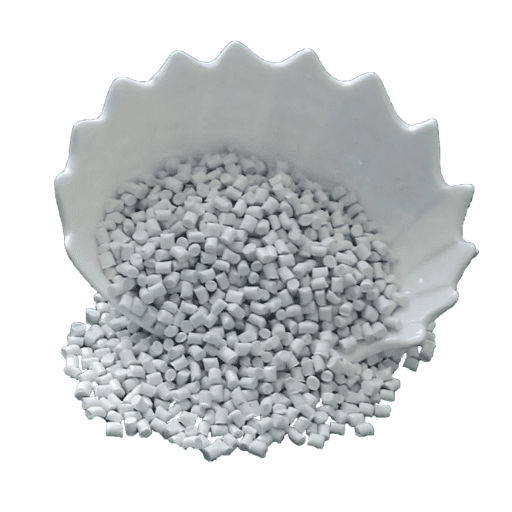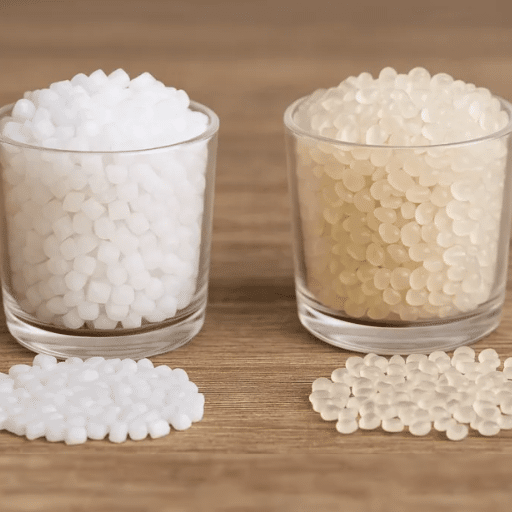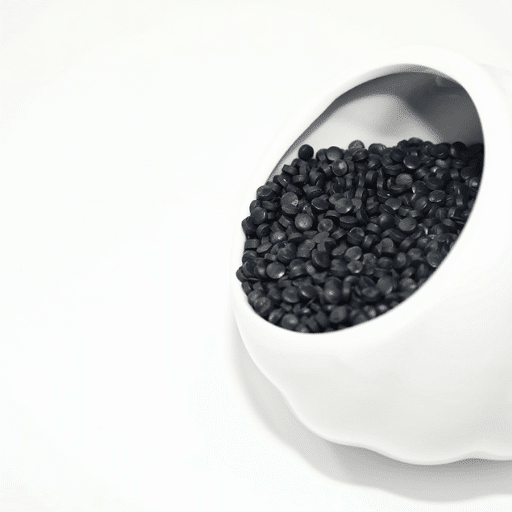
A single coal operation in West Virginia was losing three production days every month to clogged hoppers and premature steel wear. The maintenance manager switched the chute and hopper surfaces to UHMW mining liners. Within six months, carry-back dropped, flow improved, and the plant recaptured nearly five weeks of annual uptime. That is the difference the right liner material makes.
If you source materials for mining, aggregates, or bulk material handling, you already know the cost of abrasion. Rock, ore, and coal destroy steel chutes, truck beds, and hoppers faster than most procurement cycles can predict. UHMW mining liners solve this by adding a sacrificial, ultra-low-friction surface that outlasts steel in sliding wear and keeps material moving. This guide explains what UHMW mining liners are, where they deliver the most value, how to specify the right grade, and what to look for in a supplier.
You will learn the key mining applications for UHMW liners, why UHMW outperforms steel, which grades and thicknesses to choose, how to install and maintain them, and how to build a procurement checklist that protects your budget. If you are new to UHMW, start with our complete guide to ultra-high molecular weight polyethylene before diving into mining-specific applications.
Ready to compare liner materials for your next project? Contact Suzhou Yifuhui today for UHMW mining liner specifications and a competitive quote tailored to your equipment.
What Are UHMW Mining Liners?
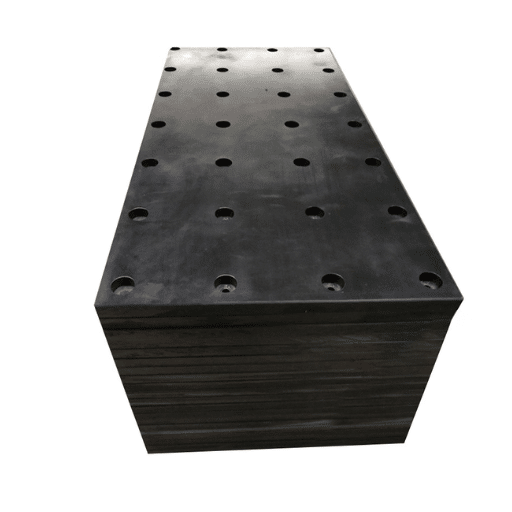
UHMW mining liners are wear-resistant sheets or plates made from ultra-high molecular weight polyethylene (UHMWPE), a thermoplastic with a molecular weight typically above 3 million g/mol. These liners bond or bolt to the inside surfaces of mining equipment that handle abrasive bulk solids. They act as a protective barrier between the metal shell and the material stream.
The core function is simple: absorb abrasion, reduce friction, and promote material flow. UHMWPE has one of the lowest coefficients of friction of any solid material, often below 0.12 against steel. That means coal, ore, and aggregate slide rather than scrape. The result is less wear on the parent equipment, fewer hang-ups, and cleaner discharge.
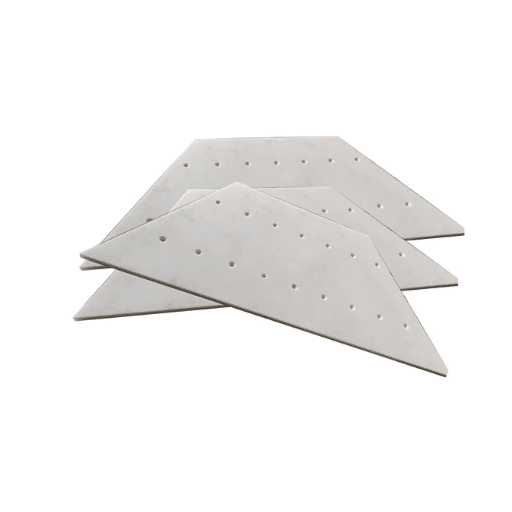
Liners come in several forms. Flat sheets and liner plates cover hoppers, chutes, and bins. Pre-fabricated kits fit specific dump truck beds and railcars. Machined wear strips and impact pads protect conveyors and transfer points. Tape and thin-sheet versions line smaller components. Each form is chosen based on the geometry of the equipment and the severity of the wear.
It is important to distinguish UHMW from HDPE and HMW-PE. Standard HDPE has a molecular weight below 500,000 g/mol. High molecular weight polyethylene (HMW-PE) sits around 1 million g/mol.
UHMWPE starts around 3 million g/mol and can exceed 10 million in premium grades. That higher molecular weight directly translates to better abrasion resistance, impact strength, and durability. For a deeper comparison, see our article on UHMW vs HDPE.
Where UHMW Mining Liners Deliver the Most Value
Mining equipment faces three simultaneous enemies: abrasion from sliding material, impact from falling loads, and corrosion from moisture and chemicals. UHMW liners address all three in specific locations across the operation.
Dump and Haul Truck Beds
Dump trucks haul abrasive rock and ore over rough haul roads. Without protection, the steel bed thins, dents, and eventually requires replacement. A UHMW truck bed liner creates a slick, durable surface that allows faster, more complete dumping at lower bed angles.
Lower dump angles reduce hydraulic strain and improve operator safety on uneven ground. They also reduce carry-back, which means trucks return to the loading face with less residual material.
Hoppers, Bins, and Silos
Bridging, arching, and ratholing are common flow problems in hoppers handling fine coal, iron ore, or sinter. UHMW hopper liners prevent material from clinging to sidewalls. The low-friction surface promotes mass flow, so discharge is predictable and downtime for manual clearing drops.
Chutes and Transfer Points
Chutes funnel bulk material from conveyors into trucks, bins, or crushers. At transfer points, material drops several meters and strikes the chute wall at high speed. UHMW chute liners absorb impact and allow the stream to slide smoothly around bends. This reduces noise, vibration, and wear on the supporting structure.
Loader and Excavator Buckets
Bucket liners protect the high-wear zones of front-end loaders, excavators, and dragline buckets. They extend bucket life and maintain bucket profile, which improves fill factor and fuel efficiency over time.
Conveyors, Crushers, and Screens
UHMW strips line conveyor skirt boards, impact bars, slide rails, and belt guides. In crushers, liners prevent material from hanging up on chute walls. On vibrating screens, UHMW deck panels and impact pads reduce blinding and abrasion from sticky fines.
Railcars and Slurry Pipelines
Railcar liners improve unloading of coal and ore by preventing material from freezing or packing against steel walls. In slurry pipelines, UHMW reduces erosion and lowers pumping energy because of its smooth, low-friction surface.
For a broader view of how UHMW is used beyond mining, read our UHMW applications across industries guide.
Why UHMW Outperforms Steel in Mining Liners

Steel is strong, but it is not the best material for every mining wear surface. In sliding abrasion, UHMWPE consistently outlasts carbon steel by a wide margin. The reason lies in a combination of material properties that work together in abrasive service.
Abrasion resistance. UHMWPE exhibits 5–15 times more wear resistance than carbon steel under sliding abrasion conditions. Unlike steel, which loses material through gouging and galling, UHMW absorbs small amounts of abrasive particle movement and recovers its surface.
Low coefficient of friction. Virgin UHMWPE against steel has a coefficient of friction around 0.08–0.12. TIVAR 88-2 and other oil-filled grades can drop even lower. This self-lubricating quality eliminates the need for external greases and allows bulk solids to flow freely.
Impact strength. Mining-grade UHMWPE has impact strength above 100 kJ/m², among the highest of any thermoplastic. It absorbs shock from falling rocks without cracking or spalling the way harder plastics or brittle ceramics can.
Lightweight handling. UHMWPE density is roughly 0.93–0.97 g/cm³, about one-eighth the weight of steel. A 20 mm UHMW liner panel is far easier to position and fasten than an equivalent steel wear plate. This reduces installation time and labor cost.
Chemical and corrosion resistance. UHMWPE does not rust and resists many acids, alkalis, and organic solvents encountered in mining leachates and process water. Near-zero water absorption, typically below 0.01%, also prevents freeze-thaw damage.
Noise reduction. The polymer dampens impact noise compared with steel. This is a meaningful benefit in enclosed processing plants where noise regulations and operator comfort matter.
| Property | UHMWPE Liner | Carbon Steel | HDPE Liner |
|---|---|---|---|
| Density | ~0.93–0.97 g/cm³ | ~7.85 g/cm³ | ~0.95 g/cm³ |
| Coefficient of friction vs. steel | 0.08–0.12 | — | 0.15–0.25 |
| Abrasion resistance vs. steel | 5–15× better | Baseline | 2–4× better |
| Impact strength | >100 kJ/m² | High, but dents | 20–40 kJ/m² |
| Water absorption | <0.01% | Rusts | <0.02% |
| Typical liner life | 18–24 months | 3–6 months | 8–12 months |
Note: Service life varies with material type, particle size, drop height, and operating temperature.
Selecting the Right UHMW Grade for Mining
Not every UHMW liner is the same. Grade selection determines whether the liner survives two years or requires replacement in six months. The right choice depends on the bulk material, the equipment, and the operating environment.
Virgin UHMWPE. Standard virgin UHMWPE works well for moderate-wear applications such as light-duty hoppers, conveyor wear strips, and chutes handling non-abrasive or moderately abrasive material. It offers the best balance of cost and performance for general mining use.
TIVAR 88. TIVAR 88 is a premium lining-grade UHMWPE engineered specifically for bulk material handling. It combines very high abrasion resistance with an extremely low coefficient of friction. If your chutes, hoppers, or truck beds handle abrasive ore or coal, TIVAR 88 is often the benchmark grade.
TIVAR 88-2. This silicone oil-filled variant is weldable and offers the lowest dynamic coefficient of friction in the TIVAR lineup. It is ideal for drop-in liner panels and applications where seamless installation and maximum flow promotion are required.
TIVAR 88 with BurnGuard. Underground mining operations with combustible dust or volatile atmospheres need flame-retardant materials. TIVAR 88 with BurnGuard is MSHA-approved and UL94 V-0 rated for these environments.
TIVAR 88 ESD. Anti-static grades dissipate static electricity, which matters in dry, dusty operations where sparks can ignite fine coal dust or other combustible particles.
TIVAR Ceram P. Ceramic-filled UHMWPE is designed for extreme sliding abrasion under high load and speed. It is more expensive than standard grades but justified in severe-duty chutes and high-throughput transfer points.
UV-stabilized grades. Outdoor applications such as stockpile chutes, truck beds, and exposed hopper liners require UV stabilization. Black carbon-black grades or dedicated UV-additive grades prevent embrittlement and surface cracking from sun exposure.
| Application | Recommended Grade | Typical Thickness |
|---|---|---|
| Light-duty hoppers and chutes | Virgin UHMWPE | 6–12 mm |
| Standard truck beds and bins | Virgin UHMWPE / TIVAR 88 | 12–20 mm |
| Severe abrasion chutes | TIVAR 88 / TIVAR Ceram P | 20–30 mm |
| Underground coal handling | TIVAR 88 with BurnGuard | 12–20 mm |
| Dusty, spark-sensitive areas | TIVAR 88 ESD | 12–20 mm |
| Outdoor exposed equipment | UV-stabilized UHMWPE | 12–20 mm |
UHMW Mining Liner Specifications and Thickness Guidance
Procurement managers need more than a product name. They need data that proves the material will perform. When sourcing UHMW mining liners, request the following specifications from your supplier.
Molecular weight. Mining-grade UHMWPE should exceed 3 million g/mol. Premium grades such as TIVAR 88 and Celanese GUR products often fall in the 3.5–6 million g/mol range. Higher molecular weight correlates with better wear and impact performance.
Density. Virgin UHMWPE density ranges from 0.93 to 0.97 g/cm³. Reprocessed grades may have slightly lower density or inconsistent lot-to-lot values.
Tensile strength. Look for tensile strength at or above 35 MPa. Premium grades reach 40–45 MPa. Higher tensile strength improves resistance to tearing and deformation under load.
Impact strength. ASTM D256 notched Izod impact values above 100 J/m, or Charpy values above 100 kJ/m², indicate good toughness for mining impact service.
Coefficient of friction. For flow-critical applications, request a dynamic coefficient of friction against steel at or below 0.12. Oil-filled grades should test closer to 0.08.
Thickness. Thickness selection depends on wear rate and impact energy. Light-duty hoppers and chutes use 6–12 mm. Standard truck beds and bins use 12–20 mm. Heavy-impact mining applications use 20–30 mm or more.
Thicker liners last longer but cost more and add weight. Match thickness to expected wear rather than defaulting to the heaviest option.
Panel size and tolerance. Common sheet sizes include 1200 × 2400 mm, 1500 × 3000 mm, and 1500 × 4000 mm. Thickness tolerance is typically +2 / –0 mm. Confirm that panel dimensions match your fabrication and installation plan.
Installation, Maintenance, and Replacement
A high-quality liner installed poorly will fail early. The best results come from matching the fastening method to the equipment, allowing for thermal movement, and inspecting wear on a schedule.
Surface preparation. Clean the steel substrate of rust, scale, oil, and old liner residue. A clean surface ensures good adhesion for bonded systems and full contact for bolted systems.
Fastening methods. UHMW liners install with countersunk bolts, weld studs, adhesive systems, or a combination. Bolted systems are common for heavy mining liners because they allow individual panel replacement. Adhesive-backed systems work for thinner sheets and smaller components. Always use washers large enough to prevent pull-through.
Thermal expansion. UHMWPE expands and contracts with temperature more than steel. Leave expansion gaps between panels or use slotted bolt holes. Failure to account for thermal movement causes buckling, bowing, and fastener fatigue.
Inspection schedule. Inspect liners quarterly in high-wear zones and semi-annually in moderate service. Look for thinning, gouging, discoloration, and loosened fasteners. Measure remaining thickness at predictable wear points.
Replacement economics. Standard UHMW liners in mining service often last 18–24 months, compared with 3–6 months for unprotected steel or steel wear plate. That 3–4× life extension means fewer shutdowns, less labor, and lower total cost of ownership even if the upfront material cost is higher than steel.
One documented example underscores the long-term value. The AEP Rockport coal plant installed TIVAR 88 liners in gravity-discharge coal silos handling Powder River Basin coal. A wear-life study by Jenike & Johanson projected 17+ years of service, with little decline in friction or abrasion resistance. More than 25 years after installation, the plant reported only minimal maintenance. While coal silos differ from truck beds, the case shows what premium UHMW grades can achieve when the application matches the material.
Sourcing UHMW Mining Liners: A Procurement Checklist
When you are ready to buy, use this checklist to evaluate suppliers and ensure the material matches your application.
- Define the application. Identify the equipment type, bulk material handled, particle size, drop height, operating temperature, and exposure to UV or chemicals.
- Choose the grade. Match the wear severity and environment to the correct UHMW grade: virgin, TIVAR 88, ceramic-filled, anti-static, flame-retardant, or UV-stabilized.
- Request material specifications. Ask for molecular weight, density, tensile strength, impact strength, coefficient of friction, and water absorption. Compare against ASTM D4020 or equivalent standards.
- Confirm certifications. For underground mining, verify MSHA approval or UL94 flame-retardant ratings when required. For food-contact crossover applications, confirm FDA 21 CFR 177.1520 compliance.
- Review fabrication capabilities. Ensure the supplier can cut, drill, countersink, and fabricate panels to your drawings or equipment templates.
- Check lead times and MOQs. Standard UHMW sheet may ship in 7–10 days. Custom-fabricated dump bed kits can take several weeks. Confirm minimum order quantities fit your project size.
- Request samples. For new applications, order a small test panel or sample batch. Install it in the highest-wear zone and monitor wear over 30–60 days before committing to a full order.
- Evaluate logistics. Mining sites are often remote. Confirm that the supplier has experience shipping oversized panels and can coordinate freight to your location.
Need help selecting the right grade? Suzhou Yifuhui supplies virgin, TIVAR-equivalent, UV-stabilized, and filled UHMW materials for mining liner applications. Our team reviews your specifications and returns a detailed quotation within 24 hours.
For guidance on sourcing UHMW in pellet or sheet form, see our UHMW plastic pellets buyer’s guide.
Frequently Asked Questions

What are UHMW mining liners used for?
UHMW mining liners protect metal equipment from abrasion, impact, and corrosion while improving material flow. Common uses include dump truck beds, hoppers, chutes, loader buckets, conveyors, crushers, and railcars.
How long do UHMW mining liners last?
In typical mining service, UHMW liners last 18–24 months, compared with 3–6 months for steel. Premium grades such as TIVAR 88 can achieve significantly longer life in well-matched applications.
Is UHMW better than steel for mining liners?
For sliding abrasion and material flow, yes. UHMW has lower friction, better abrasion resistance, and lighter weight than steel. It is not a structural replacement for steel but excels as a sacrificial wear surface.
What thickness UHMW liner do I need for a dump truck?
Most mining dump truck beds use 12–20 mm UHMW liners. Severe applications with large, abrasive rock may require 20–30 mm.
What is the best UHMW grade for mining?
TIVAR 88 is the most widely recommended premium grade for severe abrasion and flow promotion. Virgin UHMWPE works for moderate wear. Specialized environments may require anti-static, flame-retardant, or ceramic-filled grades.
Can UHMW liners be installed on existing equipment?
Yes. UHMW liners can be retrofitted to existing chutes, hoppers, truck beds, and buckets using bolts, studs, or adhesives. Proper surface preparation and allowance for thermal expansion are essential.
How does UHMW compare to HDPE for mining liners?
UHMWPE outperforms HDPE in abrasion resistance, impact strength, and low-friction performance. HDPE costs less and may work for light-duty applications, but it will wear faster in severe mining service.
Are UHMW mining liners UV resistant?
Standard UHMWPE is not UV stable. Outdoor applications require carbon-black or UV-additive stabilized grades to prevent degradation from sunlight.
Conclusion
UHMW mining liners turn some of the most destructive surfaces in bulk material handling into low-maintenance, long-life wear components. Their combination of abrasion resistance, low friction, impact strength, and chemical inertness makes them the logical choice for dump truck beds, hoppers, chutes, buckets, and conveyors.
The key takeaways are clear:
- Match the UHMW grade to the application: virgin for moderate wear, TIVAR 88 for severe abrasion, and specialized grades for flame, static, or UV exposure.
- Specify thickness based on wear rate and impact energy, not habit.
- Plan installation for thermal expansion and future panel replacement.
- Use a procurement checklist to verify specifications, certifications, and supplier capabilities.
At Suzhou Yifuhui, we supply high-quality UHMW materials for mining liner applications with competitive pricing, global shipping, and technical support available seven days a week. Request your custom UHMW mining liner quotation today and keep your bulk handling equipment running longer between shutdowns.