A mining operation in Western Australia spent $47,000 replacing steel chute liners every four months. The abrasion from iron ore dust chewed through the metal faster than maintenance crews could schedule replacements. Then their procurement manager specified ultra high molecular weight polyethylene. Eighteen months later, those same liners were still performing. The switch cut replacement costs by 73% and eliminated two unplanned shutdowns.
That is the difference molecular weight makes.
If you source polymer resins for manufacturing, you have likely encountered UHMW in specifications. You have also probably wondered whether it is worth the premium over standard HDPE. This guide answers that question comprehensively. You will learn exactly what ultra high molecular weight polyethylene is, how its properties compare to other engineering plastics, which grades suit specific applications, and how to source it at competitive rates without sacrificing quality.
By the end of this article, you will have the technical clarity to specify the right grade, the procurement data to budget accurately, and the confidence to distinguish genuine UHMWPE powder from lower-performance alternatives.
Need technical datasheets for a specific UHMW grade now? Contact our polymer specialists for specifications and 24-hour quote turnaround.
What Is UHMW (Ultra High Molecular Weight Polyethylene)?

Ultra high molecular weight polyethylene, commonly abbreviated as UHMW or UHMWPE, is a subset of the polyethylene thermoplastic family and one of the most widely specified engineering plastic pellets in heavy-industry procurement. Its defining characteristic is molecular weight. Standard high-density polyethylene (HDPE) typically carries a molecular weight below 1 million grams per mole. UHMWPE starts at approximately 3 million g/mol and can exceed 10 million g/mol in specialized grades.
Those extra-long polymer chains transform the material’s behavior. They create extreme entanglement density, which translates into exceptional impact resistance, very low coefficient of friction, and outstanding abrasion resistance. In practical terms, UHMWPE can absorb impacts that would crack or deform HDPE. It slides against metal and other plastics with friction levels comparable to polytetrafluoroethylene (PTFE). And it resists wear at rates 8 to 9 times lower than carbon steel under identical sliding conditions.
The Relationship Between UHMW and UHMWPE
The terms are interchangeable. UHMW is the shorthand. UHMWPE is the full chemical name. Both refer to the same material class. When you see “UHMW” on a datasheet, it means ultra high molecular weight polyethylene unless the context specifically indicates a different polymer system.
How UHMW Differs from HDPE, LDPE, and LLDPE
All polyethylene variants share the same fundamental repeating unit: ethylene (CH2=CH2). The differences lie in chain length, branching, and density.
HDPE has linear chains with minimal branching and a density of 0.941 to 0.965 g/cm3. It is strong, stiff, and economical. However, its molecular weight ceiling limits its toughness and wear performance. For applications where HDPE is sufficient, our HDPE plastic pellets offer verified density and melt-flow consistency.
LDPE has extensive branching. This lowers density to 0.910 to 0.940 g/cm3 and creates a softer, more flexible material suitable for films and packaging.
LLDPE uses short-chain branching to improve toughness over LDPE while maintaining processability. Densities range from 0.915 to 0.925 g/cm3.
UHMWPE sits at the extreme end of the spectrum. Its density of 0.930 to 0.950 g/cm3 is similar to HDPE, but its molecular weight is 3 to 10 times higher. This creates a material that feels almost waxy, machines differently, and delivers performance that no standard polyethylene can match.
Mini-Story: The Wrong Specification
In 2023, a conveyor systems manufacturer in Michigan sourced HDPE sheet for slider beds handling aggregate limestone. The procurement team chose HDPE because the quoted price was 40% lower than UHMW sheet. Within six months, the beds showed severe gouging and material hang-up. Downtime for replacement cost the plant $12,000 in lost production. When they finally upgraded to UHMW slider bars, wear life extended to 22 months. The initial “savings” from HDPE turned into a net loss.
Want to compare UHMW vs HDPE in detail? Read our dedicated UHMW vs HDPE comparison guide for application-specific recommendations and cost-per-lifetime analysis.
Key UHMW Material Properties and Specifications
Ultra high molecular weight polyethylene owes its industrial reputation to a unique combination of properties. Understanding these UHMW material properties helps procurement managers and engineers specify the correct grade for their application.
The following table summarizes the key UHMW material properties that distinguish ultra high molecular weight polyethylene from standard HDPE and other engineering plastics.
Comprehensive Property Table
| Property | UHMWPE Value | HDPE (Reference) | Significance |
|---|---|---|---|
| Molecular Weight | 3.0 to 10+ million g/mol | 0.05 to 0.25 million g/mol | Determines toughness and wear resistance |
| Density | 0.93 to 0.95 g/cm3 | 0.94 to 0.97 g/cm3 | Lightweight; floats in water |
| Tensile Strength (Yield) | 17 to 42 MPa | 26 to 33 MPa | Lower than HDPE but with extreme elongation |
| Elongation at Break | 250% to 525% | 50% to 100% | Exceptional ductility and energy absorption |
| Impact Strength (Notched Izod) | No break | 0.5 to 4.0 ft-lb/in | Virtually unbreakable under impact |
| Hardness (Shore D) | 62 to 66 | 66 to 73 | Softer surface; self-lubricating |
| Coefficient of Friction | 0.05 to 0.30 | 0.20 to 0.40 | Self-lubricating; comparable to PTFE |
| Melting Point | 130 to 138 degC | 130 to 137 degC | Similar to HDPE but processing differs |
| Max Service Temp (Continuous) | 80 to 90 degC | 100 to 120 degC | Lower continuous limit than HDPE |
| Water Absorption | Less than 0.01% | Less than 0.01% | Excellent moisture resistance |
| Chemical Resistance | Excellent | Good to Excellent | Resists most acids, alkalis, and solvents |
Data sourced from ASTM D4020 and manufacturer datasheets for virgin UHMWPE grades. For a full breakdown of every specification and how to read a datasheet, see our complete UHMW material properties guide.
Why These Properties Matter for Buyers
Impact resistance is not just a laboratory metric. In mining chutes, conveyor transfer points, and dock fenders, UHMWPE absorbs repeated blows without cracking. HDPE and even nylon can brittle-fracture under sudden loading, especially in cold environments.
Coefficient of friction below 0.15 (against steel) means UHMWPE components reduce drive power requirements. A food processing plant in Wisconsin reduced conveyor motor energy consumption by 12% after switching to UHMW wear strips. The material essentially lubricates itself.
Water absorption below 0.01% makes UHMWPE dimensionally stable in wet or submerged environments. Unlike nylon, which absorbs up to 2.5% moisture and swells, UHMWPE maintains tight tolerances even after years in marine or washdown applications. If you are weighing these two materials head-to-head, our UHMW vs Nylon procurement guide covers wear, moisture, and cost trade-offs in detail.
Chemical resistance covers most industrial chemicals including sulfuric acid, sodium hydroxide, and organic solvents. This explains its dominance in chemical processing equipment, battery separator films, and laboratory surfaces.
Note for Procurement Managers: UHMWPE has a high coefficient of thermal expansion (approximately 19 to 20 x 10^-5 K^-1). This means parts expand and contract significantly across temperature swings. Design allowances of 1 to 2 mm per 100 mm of length are standard for outdoor or thermally variable installations.
UHMW Processing Methods Explained

Standard ultra high molecular weight polyethylene cannot be injection molded. Its melt viscosity is too high for conventional screw-and-barrel systems. Instead, manufacturers rely on specialized processing techniques to shape this UHMW plastic.
Compression Molding
Compression molding is the most common method for producing UHMWPE sheets, blocks, and simple profiles. The process works as follows:
- Virgin UHMWPE powder is loaded into a heated mold cavity.
- Pressure is applied via a hydraulic press (typically 10 to 20 MPa).
- The mold heats to 180 to 220 degC, well above the melting point.
- After sintering, the part cools under pressure to minimize warpage.
- Cycle times range from 30 minutes to several hours depending on thickness.
Compression-molded UHMWPE achieves the highest molecular integrity. There is minimal shear degradation. The resulting material retains the full toughness and wear resistance of the virgin resin. Most industrial sheet and rod stock is produced this way. For temperature profiles, pressure parameters, and troubleshooting, see our detailed guide on how to process UHMW.
Ram Extrusion
Ram extrusion produces continuous profiles such as rod, tube, and bar. A hydraulic ram pushes powder through a heated die. Unlike screw extrusion, there is no rotating screw to generate shear heat. The ram applies direct pressure while the die gradually raises temperature.
Ram-extruded UHMWPE is ideal for machining custom parts. Rod stock up to 300 mm diameter is commercially available. The process yields consistent density and minimal internal stress.
CNC Machining
Because UHMWPE is supplied primarily as sheet, rod, and block, CNC machining is the dominant fabrication method for finished parts. Key considerations include:
- Sharp tools: UHMWPE is soft and gummy. Sharp high-speed steel or carbide cutters prevent tearing and melting.
- High feed rates: Fast cutting speeds with adequate chip clearance reduce heat buildup.
- Coolant: Flood coolant or compressed air keeps the cutting zone cool. UHMWPE begins to soften around 80 degC, so thermal management is critical for tight tolerances.
- Fixturing: The material’s flexibility requires secure clamping. Vacuum tables work well for sheet work.
Tolerances of plus or minus 0.1 mm are achievable with proper tooling and feeds.
Gel Spinning
Gel spinning is a specialized process for producing high-strength UHMWPE fibers such as Dyneema and Spectra. The polymer is dissolved in a solvent, extruded through a spinneret, and drawn to extreme ratios (up to 100:1). This aligns the polymer chains parallel to the fiber axis, creating tensile strengths of 2.5 to 4.0 GPa.
These fibers are used in ballistic armor, sailing rope, and fishing line. They represent less than 5% of total UHMWPE volume but command premium prices of 12.50to12.50to13.90 per kilogram.
Can UHMWPE Be Injection Molded?
Standard grades: no. The melt flow index is effectively zero. However, some manufacturers offer modified UHMWPE grades with molecular weights in the 1 to 2 million g/mol range. These “ultra-high molecular weight” but not true UHMWPE grades can be injection molded under high pressure and temperature. They sacrifice some wear resistance for processability. For critical wear applications, compression-molded or ram-extruded stock remains the better choice.
Need processing temperature profiles and pressure parameters for your application? Our technical team provides detailed processing guidance for compression molding and CNC machining of UHMWPE. Contact us for support.
Ultra High Molecular Weight Polyethylene Applications and Industries
Ultra high molecular weight polyethylene’s property profile makes it indispensable across sectors where wear, impact, and chemical exposure are daily challenges. The following UHMW applications represent the largest industrial markets, and you can explore even more use cases in our comprehensive guide to UHMW applications across industries.
Medical Devices and Implants
Medical grade UHMWPE is the bearing surface of choice for total hip and knee replacements. Cross-linked and vitamin-E stabilized grades meet ISO 5834-2 standards. These materials withstand decades of cyclic loading inside the human body while producing minimal wear debris.
Beyond implants, UHMWPE is used for surgical instrument handles, sterilization trays, and prosthetic components. Its biocompatibility, chemical inertness, and ability to withstand gamma or ethylene oxide sterilization make it a default material for patient-contact applications. To understand the standards and sourcing requirements here, see our medical grade UHMWPE guide.
Mini-Story: The Sterilization Challenge
A surgical instrument manufacturer in Bavaria switched from acetal to medical grade UHMWPE for instrument handles in 2024. The acetal handles had degraded after repeated autoclave cycles, showing surface cracking and color shift. The UHMWPE handles survived over 500 autoclave cycles without measurable wear. Surgeons reported improved grip comfort due to the material’s slight resilience. The change eliminated a product-line recall risk and extended handle service life by an estimated 8 years.
Mining and Bulk Material Handling
Mining represents one of the largest industrial UHMWPE markets. Applications include:
- Chute and hopper liners: UHMWPE reduces material hang-up and promotes flow. Wear life typically spans 18 to 24 months versus 3 to 6 months for steel liners.
- Truck bed liners: Dump trucks hauling abrasive ore benefit from UHMWPE bed liners that reduce loading stress and cleanout time.
- Conveyor skirt boards and slider bars: These components reduce belt wear and lower drive energy.
In one documented installation at a copper mine in Chile, UHMWPE chute liners outlasted abrasion-resistant steel by a factor of 4.5. The reduced downtime alone justified the material cost differential within the first replacement cycle. For specification tips and lifecycle costing, read our procurement guide to UHMW mining liners.
Food Processing
FDA-compliant virgin UHMWPE is widely used in food plants. Key applications include:
- Conveyor components: Wear strips, guide rails, and sprockets resist moisture, cleaning chemicals, and mechanical wear.
- Cutting boards: UHMWPE cutting surfaces are gentler on knives than HDPE alternatives and do not harbor bacteria in deep cuts.
- Packaging machinery parts: Star wheels, guides, and forming plates benefit from low friction and chemical resistance.
The material withstands repeated exposure to chlorine-based sanitizers, hot water washdown, and steam cleaning without degradation. For compliance details and grade selection, see our food grade UHMW sourcing guide.
Automotive and Transportation
UHMWPE bushings, bearings, and chain guides are common in automotive assembly lines and material handling systems. The material’s self-lubricating property eliminates grease points. Its vibration damping reduces noise in conveyor systems.
In rail applications, UHMWPE wear pads reduce metal-on-metal contact between rail and tie plates. This extends both rail and fastener life while reducing maintenance windows.
Marine
Because UHMWPE floats (density 0.93 to 0.95 g/cm3) and resists saltwater corrosion, it is ideal for marine fenders, dock bumpers, and boat trailer rollers. Unlike rubber, UHMWPE does not degrade from UV exposure when properly stabilized. Unlike metal, it requires no protective coating.
Defense and Ballistics
Gel-spun UHMWPE fibers are the core material in modern body armor plates and helmets. They offer ballistic protection comparable to aramid fibers at lower weight. A Level IIIA vest panel made from UHMWPE fiber weighs approximately 15% less than an equivalent Kevlar panel.
Emerging: Battery Separator Films
The fastest-growing UHMWPE application is lithium-ion battery separators. UHMWPE-based microporous membranes now represent over 40% of global UHMWPE demand. Their combination of chemical resistance, thermal stability, and mechanical strength makes them ideal for preventing short circuits in EV battery packs.
In September 2024, Braskem announced up to $50 million in DOE funding to expand UHMWPE resin capacity in Texas specifically for battery separator films. In June 2025, Mitsui Chemicals launched a recyclable UHMWPE grade targeting both industrial and battery applications. These investments signal that battery separator demand will dominate UHMWPE growth through 2035.
UHMW vs Other Engineering Plastics

Selecting the right material requires comparing ultra high molecular weight polyethylene against alternatives across the metrics that matter for your application. For buyers specifically evaluating UHMW vs HDPE, the differences in wear resistance and impact strength are often decisive.
Comparison Matrix
| Property | UHMWPE | HDPE | Nylon 6/6 | PTFE | Acetal (POM) |
|---|---|---|---|---|---|
| Abrasion Resistance | Excellent | Moderate | Good | Poor | Good |
| Impact Strength | Excellent | Good | Good | Poor | Moderate |
| COF (vs Steel) | 0.05-0.30 | 0.20-0.40 | 0.15-0.40 | 0.04-0.10 | 0.10-0.35 |
| Moisture Absorption | Less than 0.01% | Less than 0.01% | 1.0-2.5% | Less than 0.01% | 0.2-0.25% |
| Max Service Temp | 80-90 degC | 100-120 degC | 80-150 degC | 260 degC | 80-105 degC |
| Tensile Strength | 17-42 MPa | 26-33 MPa | 75-95 MPa | 20-35 MPa | 60-70 MPa |
| Cost (Relative) | Medium-High | Low | Medium | High | Medium |
| Machinability | Moderate | Easy | Easy | Difficult | Easy |
When to Choose UHMWPE
Choose UHMWPE when:
- Sliding wear and abrasion are the primary failure modes.
- Impact loading or drop hazards are present.
- The application requires FDA or USDA compliance without coating.
- Chemical exposure to acids, bases, or solvents is routine.
- Moisture or submersion would cause nylon to swell.
- You need a self-lubricating surface without grease or oil.
Consider alternatives when:
- Continuous operating temperature exceeds 90 degC (consider PTFE or PPS).
- High structural rigidity is required (consider nylon or acetal).
- Injection molding complex geometries is mandatory (consider HDPE or acetal).
- The lowest possible friction is critical and cost is secondary (consider PTFE).
For a deeper three-way comparison focused on wear and friction applications, see our analysis of UHMW vs Nylon vs PTFE.
Grades and Forms of Ultra High Molecular Weight Polyethylene
Ultra high molecular weight polyethylene is not a single material. It is a material family with grades optimized for specific industries and processing methods.
Virgin Powder
Virgin UHMWPE powder is the raw form supplied by resin producers such as Celanese (GUR series), YUHWA (U050, U070, U090), and Braskem (UTEC). It is white, free-flowing, and ready for compression molding or ram extrusion. Powder is the standard form for industrial applications.
Pre-Compacted Pellets
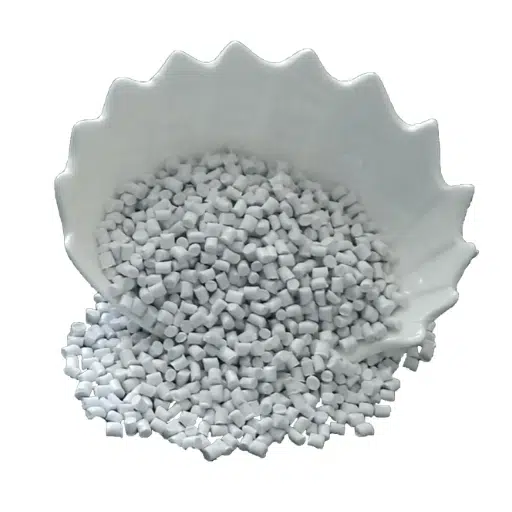
True UHMWPE pellets are uncommon because the material’s viscosity prevents standard pelletizing. However, some suppliers offer pre-compacted granules or lower-MW modified grades that process more like conventional thermoplastics. These are often labeled as UHMW-HDPE blends or reduced-MW UHMWPE. They suit applications where some wear resistance sacrifice is acceptable in exchange for injection moldability. If you are unsure which form fits your process, our comparison of UHMWPE powder vs pellets breaks down the practical differences.
For procurement managers: Always verify the molecular weight specification when a supplier offers “UHMW pellets.” If the datasheet lists a melt flow index above zero, it is not standard UHMWPE. Clarify whether the material is a true UHMWPE compact or a modified grade.
Medical Grade
Medical grade UHMWPE meets ISO 5834-2 and ASTM F648 standards. Sub-grades include:
- Conventional UHMWPE: Standard implant grade.
- Highly cross-linked UHMWPE: Irradiated to create cross-links that dramatically reduce wear rates in joint replacements.
- Vitamin-E stabilized cross-linked UHMWPE: Adds antioxidant protection without compromising cross-link density.
These grades command premium pricing and are subject to strict lot traceability and biocompatibility testing.
Food Grade
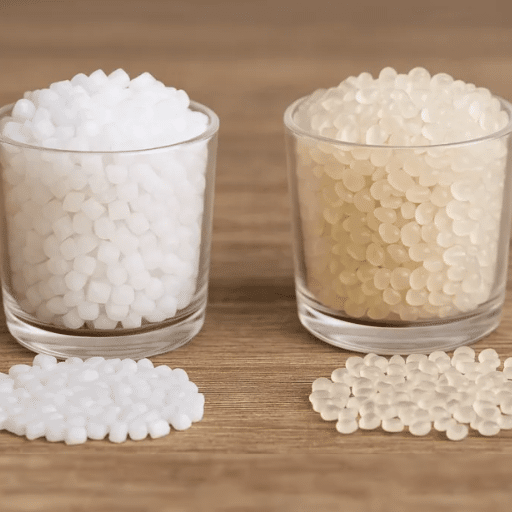
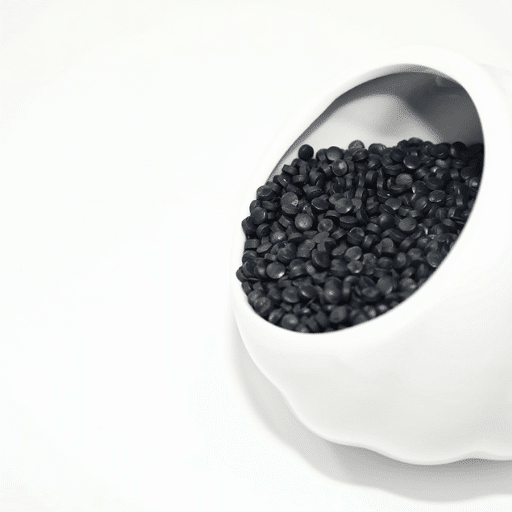
FDA-compliant virgin UHMWPE is available in natural (white) and black (carbon black stabilized for UV resistance). It meets 21 CFR 177.1520 for food contact. USDA acceptance applies for meat and poultry processing equipment.
Specialty Grades
- Boron-filled UHMWPE: Used in nuclear shielding and medical radiation therapy equipment. Boron content typically ranges from 5% to 30% by weight.
- Anti-static UHMWPE: Contains carbon or conductive additives to prevent static charge buildup in explosive or electronic environments.
- Reprocessed / Regrind: Post-industrial UHMWPE scrap that has been reground and sieved. Lower cost but with reduced molecular weight and property consistency. Suitable for non-critical wear pads and spacers.
UHMW Pricing and Sourcing Overview
Pricing for ultra high molecular weight polyethylene varies dramatically by grade, molecular weight, form, and geographic origin.
Price Benchmarks (2025-2026)
| Grade / Form | Price Range (USD/kg) | Notes |
|---|---|---|
| China Industrial Powder (7M MW) | 1.65−1.65−1.75 | Spot prices, Feb 2025 |
| China Industrial Powder (9M MW) | 1.80−1.80−1.90 | Higher MW commands premium |
| China Industrial Powder (11M MW) | 1.95−1.95−2.05 | Top standard industrial grades |
| Global Blended Average | ~$7.21 | Includes medical, fiber, and specialty grades |
| Medical Implant Grade | 8.00−8.00−15.00 | ISO 5834-2 certified, lot traceable |
| Gel-Spun Fiber Grade | 12.50−12.50−13.90 | Ballistic and aerospace applications |
Data sourced from regional spot market reports and industry pricing platforms.
2026 Price Trajectory
Entering 2026, UHMWPE prices are trending upward across major global hubs. Key drivers include:
- Ethylene feedstock costs: Naphtha and ethylene prices rose sharply in Q1 2026, with Asian spot prices up approximately 12% month-over-month in March.
- Supply tightness: While China has expanded capacity significantly, operating rates remain below 80% due to oversupply in standard grades and under-supply in high-MW and battery separator grades.
- Battery separator demand: The surge in EV battery production is pulling high-purity UHMWPE resin away from industrial channels, tightening supply for mechanical grades.
Procurement managers should budget for 5% to 10% price increases on industrial UHMWPE through late 2026. Long-term supply agreements can lock in pricing and ensure allocation during tight periods. For a deeper look at budgeting and negotiation, consult our UHMW plastic pellets buyer’s guide.
Major Brand Grades
| Manufacturer | Product Line | Key Grades | Applications |
|---|---|---|---|
| Celanese | GUR | GUR 4113, GUR 4120, GUR 4150 | Industrial, medical, battery |
| YUHWA (Korea) | UHMWPE Powder | U050, U070, U090 | Industrial sheet, fiber |
| Braskem | UTEC | UTEC 3040, UTEC 6540 | Industrial, battery separator |
| Mitsui Chemicals | Hi-Zex | Various MW grades | Industrial, emerging recyclable grades |
Sourcing Guidance
When evaluating UHMWPE suppliers, request the following documentation:
- Certificate of Analysis (CoA): Verify molecular weight, density, and ash content.
- Melt flow index: Should be effectively zero for true UHMWPE. Non-zero values indicate modified or blended material.
- Batch consistency data: Request particle size distribution for powder or dimensional tolerance data for sheet and rod.
- Compliance certificates: FDA, ISO 5834-2, or EU compliance as required for your application.
- MOQ and lead time: Industrial powder MOQs typically start at 500 kg. machined parts can often be ordered in single units.
At Suzhou Yifuhui New Material Co., Ltd., we source Celanese GUR, YUHWA, and Braskem UTEC grades directly. Our quality control protocols verify molecular weight and density for every batch. We ship globally and provide transparent pricing with 24-hour quote turnaround.
Request a custom quote for UHMW powder or machined components today. Our specialists will match your application to the optimal grade and molecular weight.
UHMW Sustainability and Recycling
Sustainability is becoming a procurement priority across industries. Ultra high molecular weight polyethylene presents both challenges and opportunities in this area.
Recyclable Grade Launches
In June 2025, Mitsui Chemicals introduced a recyclable UHMWPE grade designed for industrial and battery separator applications. The material maintains standard UHMWPE mechanical properties while enabling recovery and reprocessing at end of life. This addresses a longstanding limitation: traditional UHMWPE’s extremely high molecular weight made mechanical recycling difficult without significant property loss.
Post-Industrial Regrind
Post-industrial UHMWPE scrap from machining and molding operations can be collected, reground, and reused in lower-stress applications. Regrind content of 20% to 50% is common in non-critical wear pads, spacers, and bumper blocks. Full virgin material is recommended for FDA, medical, and high-wear applications.
Solvent-Free Processing
Advancements in solvent-free gel spinning and membrane production are reducing the environmental footprint of UHMWPE fiber and battery separator manufacturing. These processes eliminate solvent recovery steps and reduce emissions.
Lifecycle Considerations
UHMWPE’s extreme durability contributes to sustainability through longevity. A UHMWPE chute liner that lasts 24 months replaces four to six steel liners over the same period. The reduced replacement frequency lowers material consumption, transportation emissions, and installation labor. When evaluating material choices, procurement managers should consider total lifecycle impact, not just unit cost.
Frequently Asked Questions

What Is the Melting Point of UHMW?
Standard UHMWPE melts between 130 and 138 degC (266 to 280 degF). Gel-spun UHMWPE fibers have higher melting points of 144 to 155 degC due to extreme molecular alignment and crystallinity up to 99%.
What Is the Temperature Range of UHMW?
For continuous service under mechanical load, UHMWPE performs reliably from -150 degC up to 80 to 90 degC. Short-term exposure to 130 degC is possible without melting, but the material softens significantly above 80 degC. For applications above 90 degC, consider PTFE, PPS, or PEI alternatives.
Is UHMW Food Safe?
Yes. Virgin UHMWPE grades meet FDA 21 CFR 177.1520 requirements for food contact. The material does not leach chemicals, absorbs negligible moisture, and withstands standard sanitation protocols. Always verify that your specific grade carries FDA compliance documentation.
How Difficult Is UHMW to Machine?
UHMWPE machines moderately well with sharp tools and proper speeds. It is soft and gummy, so dull cutters cause tearing and melting. High feed rates, adequate chip clearance, and coolant management are essential. Most machine shops experienced with plastics can work UHMWPE without specialized equipment.
Does UHMW Absorb Water?
No. UHMWPE absorbs less than 0.01% water by weight. This is one of its key advantages over nylon, which absorbs 1.0% to 2.5% moisture and swells dimensionally. UHMWPE maintains tight tolerances in wet, submerged, or high-humidity environments.
What Is the Difference Between UHMW and UHMWPE?
There is no difference. UHMW is the abbreviated form. UHMWPE is the full chemical name. Both refer to ultra high molecular weight polyethylene.
Can UHMW Be Injection Molded?
Standard UHMWPE with molecular weight above 3 million g/mol cannot be injection molded. Its melt viscosity is too high. Modified grades with lower molecular weight (1 to 2 million g/mol) can be injection molded under high pressure and temperature. These grades trade some wear resistance for processability.
What Is the Price of UHMW per Kilogram?
Industrial-grade UHMWPE powder in China currently ranges from $1.65 to $2.05 per kilogram depending on molecular weight. Global blended averages are approximately $7.21 per kilogram when medical, fiber, and specialty grades are included. High-end ballistic fiber grades cost $12.50 to $13.90 per kilogram.
Is UHMW Better Than HDPE?
For wear, impact, and sliding friction applications, yes. UHMWPE outperforms HDPE by significant margins in abrasion resistance, impact strength, and coefficient of friction. For structural rigidity, continuous high-temperature service, or injection molded complex parts, HDPE may be the more practical and economical choice.
What Industries Use UHMW Most?
Mining, food processing, medical devices, material handling, marine, and automotive are the largest consumers of ultra high molecular weight polyethylene. Battery separator manufacturing is now the fastest-growing UHMW application, representing over 40% of global UHMWPE demand growth.
Conclusion
Ultra high molecular weight polyethylene is not merely a stronger version of HDPE. It is a distinct material class defined by molecular weight ranges that start where conventional polyethylene ends. That molecular distinction delivers impact resistance that approaches unbreakable levels, wear rates that undercut steel by a factor of eight, and a self-lubricating surface that reduces maintenance and energy consumption.
For procurement managers and engineers, the decision to specify UHMWPE should be driven by application requirements, not price alone. In sliding wear, impact loading, chemical exposure, and food-safe environments, UHMWPE consistently delivers lower total cost of ownership than alternatives. The upfront material premium is typically recovered through extended service life and reduced downtime.
As battery separator demand reshapes the UHMWPE market through 2026 and beyond, sourcing reliability and grade verification will become even more critical. Working with a supplier who provides verified molecular weight data, transparent pricing, and technical support ensures you receive material that performs as specified.
Ready to source UHMWPE for your next project? Contact Suzhou Yifuhui New Material Co., Ltd. today. Our polymer specialists will recommend the optimal grade, provide certified datasheets, and deliver a competitive quote within 24 hours. Whether you need industrial powder, machined components, or medical-grade resin, we supply the consistent quality your production line demands.