When Marcus, a sourcing manager at a mid-size tool manufacturer, shortlisted five TPE suppliers from a directory, he picked the one with the lowest per-kilogram price. The quotation looked unbeatable. Six months later, his plant rejected two full batches because the Shore hardness drifted outside spec between deliveries, and his customer pushed the launch back a month. The “savings” from that TPE supplier cost him roughly $18,000 in scrap and rework.
Marcus made the same mistake most buyers make. He compared prices before he compared capabilities. And he treated TPE as one material when it is a family of very different polymers.
This guide gives you the sourcing framework that directories and product listings won’t. You will learn which TPE family you actually need, how to evaluate a TPE supplier against real criteria, what certifications and documents to require, what pricing and MOQs to expect, and how to verify quality before you scale up. If you source thermoplastic elastomer pellets for injection molding, extrusion, or overmolding, this is your checklist.
Need a TPE grade matched to your application and budget? Request a custom TPE/TPV quote →
What Is TPE and What Are the Main TPE Families?

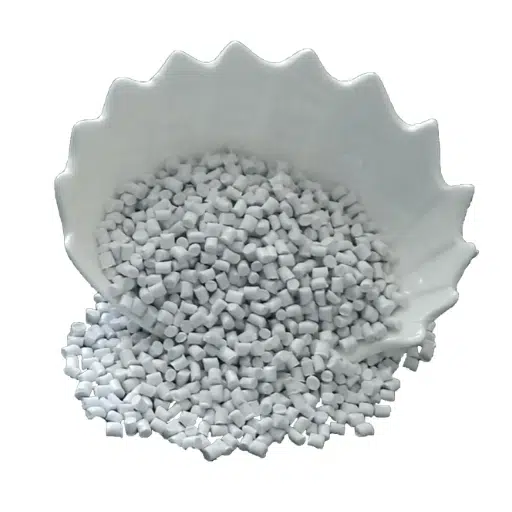
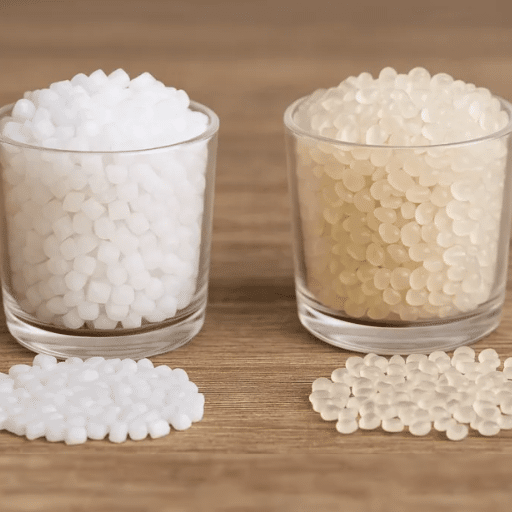
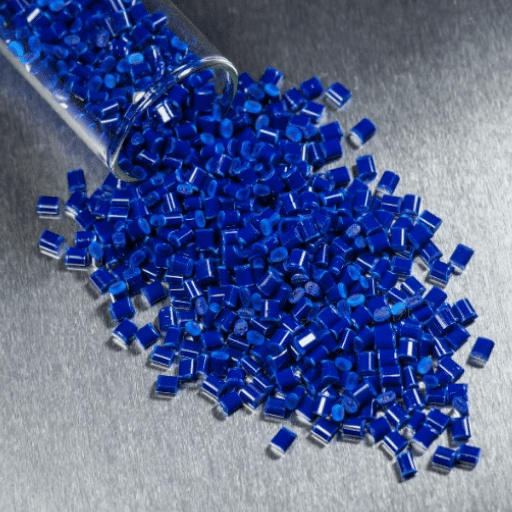
TPE, or thermoplastic elastomer, is a family of polymers that combine the elasticity of rubber with the processability and recyclability of thermoplastics. It melts when heated, molds under pressure, and can be re-ground and reused. Because it requires no vulcanization step, it cycles far faster than thermoset rubber.
The family matters more than the abbreviation. A buyer who orders “TPE pellets” without specifying the family can receive a material that fails on the production floor. The main families you will encounter when working with a TPE supplier are:
- TPE-S (SEBS/SBS): Styrenic block copolymers. Soft and cost-effective, from ultra-soft grades near Shore A 0 up to about Shore D 70. Excellent for soft-touch grips, overmolding, and consumer goods. Service temperature up to roughly 100°C. If you are designing soft-touch parts and weighing TPE against silicone for the job, our TPE vs silicone overmolding guide walks through material selection and design details for these grades.
- TPV (EPDM/PP): Thermoplastic vulcanizate, dynamically cross-linked EPDM in a polypropylene matrix. The best compression set, heat resistance up to 135°C, and strong oil and chemical resistance. The standard for automotive weather seals and under-hood parts. Before you lock in TPV for sealing applications, our guide to TPE vs silicone for automotive seals and gaskets compares the two materials so you can confirm TPV is the right call.
- TPU: Thermoplastic polyurethane. The toughest member, with superior abrasion, tear, and oil resistance. Moisture-sensitive and must be dried before processing.
- TPO and TPE-E: Low-cost thermoplastic olefins and high-performance copolyester elastomers for specific engineering and outdoor roles.
Each family has its own price point, processing window, and supplier base. Our guide to TPE material properties explains the chemistry and full grade range in depth, and our TPE vs TPU vs TPV comparison helps you pick the right family for your part.
Why this matters for supplier selection: a supplier strong in SEBS-based TPE may treat TPV or TPU as an afterthought. Confirm that the TPE supplier you shortlist actually compounds the family you need, and ask to see its grade list before you compare prices.
TPE Supplier vs. Compounder vs. Trader vs. Distributor
Not every company that calls itself a TPE supplier is the same kind of business. The distinction changes what you can expect in quality, customization, and support.
| Supplier Type | What They Do | Best For | Watch Out For |
|---|---|---|---|
| Source factory / compounder | Manufactures TPE on compounding lines with in-house labs and R&D | Custom formulations, hardness and color matching, OEM support | Verify the factory is real, not a front |
| Trader | Buys and resells generic grades | Flexible small quantities, spot buys | No technical depth, no batch traceability |
| Distributor / agent | Represents global brands (Kraton, ExxonMobil, Teknor Apex) | Branded grades, small-to-mid volumes | Higher markup, limited custom formulation |
| Full-range pellets supplier | Stocks and supplies multiple families with technical support | Consolidated sourcing, volume programs | Confirm breadth is real, not just a catalog |
For custom hardness, color matching, or application-specific compounding, a source factory is almost always the right choice. For branded grades in small quantities, a distributor makes sense. The common failure mode is buying generic TPE from a trader at a low price and discovering you have no one to call when the grade drifts.
A procurement engineer at a medical device startup learned this the hard way. She bought a “medical-grade” TPE from a low-cost trader, and the batch arrived with no CoA, no ISO 10993 test report, and no lot traceability. Her quality team rejected it at incoming inspection, and the reorder pushed her validation timeline back by three weeks. The lesson: verify what kind of supplier you are dealing with before you place a single order.
How to Evaluate a TPE Supplier

Price is the last thing you should compare, not the first. Evaluate a TPE supplier against these criteria, in order:
Production Capability and Compounding Lines
Ask how the material is made. A genuine compounder operates its own compounding lines, which means it controls formulation, color, and consistency. A supplier that only repackages imported resin cannot customize anything.
In-House Lab, R&D, and Customization
Confirm the supplier can adjust hardness (Shore A), match colors to Pantone or RAL, and add modifiers like flame retardants or UV stabilizers. An in-house lab that can test tensile strength, elongation, and hardness on every batch is a strong quality signal.
Quality Systems
Look for ISO 9001 as a baseline, IATF 16949 for automotive programs, and ISO 13485 for medical applications. These certifications indicate a mature, audited quality management system rather than an informal operation.
Batch Consistency and Traceability
Ask for a Certificate of Analysis (CoA) with every shipment and confirm each batch is lot-traceable. For mass production, request third-party test reports covering three consecutive batches to verify that tensile strength, hardness tolerance, and yellowing resistance stay stable. This is the single best check for batch-to-batch consistency.
Capacity and Delivery Reliability
Ask about annual tonnage and production lines. A supplier with multiple production bases can absorb demand spikes and recover from disruptions. Capacity in the range of 20,000 to 40,000 tons per year signals a serious operation.
Global Logistics and Packaging
Confirm packaging (typically 20 or 25 kg bags, palletized), lead times, and Incoterms such as FOB, CIF, or ex-works. Understand the shipping route from the supplier’s port to your plant so there are no customs surprises.
Technical Support and Response Time
A responsive TPE supplier answers material compatibility and processing questions quickly. Our TPE injection molding guide covers the processing questions worth asking, and a supplier’s engineers should be able to discuss them.
For a detailed look at how to select reliable TPE raw material suppliers, this supplier selection guide from an industry compounder offers a useful independent perspective.
Want to compare these criteria across suppliers efficiently? Talk to our polymer specialists →
Certifications and Documentation to Require
TPE certifications are not decorative. They protect you from regulatory rejection at customs and from liability in sensitive applications. Require the documentation that matches your end use:
Regulatory and Chemical Compliance
- RoHS 2.0 and REACH: Required for most exports to the EU and for general environmental compliance.
- FDA 21 CFR 177.2600: Needed for food-contact and some medical applications. The FDA regulates applications, not materials, so require a written compliance statement plus third-party migration test reports from an accredited lab such as SGS or Intertek. A verbal claim is not proof. The FDA regulation itself is the reference to check.
- LFGB: The German food-safety standard, often required alongside FDA for food-contact parts.
- UL 94 V-0: Flame resistance for electrical and wire-and-cable applications.
Application-Specific Standards
- ISO 10993: Biocompatibility testing (cytotoxicity, skin sensitization) for medical devices. If your project is medical and you are still deciding between TPE and silicone before you chase certifications, our complete selection guide to TPE vs silicone for medical devices explains how each material meets biocompatibility requirements.
- EN71: Toy safety, including phthalate and heavy-metal limits.
- IATF 16949: Automotive quality system certification.
Management System Certifications
- ISO 9001: Quality management baseline.
- ISO 14001: Environmental management.
- ISO 13485: Medical device quality management.
Documents to Request From Every TPE Supplier
- Technical Data Sheet (TDS): Confirms tensile strength, elongation at break, hardness, and heat and oil resistance. A supplier that cannot provide a TDS is a major red flag.
- Certificate of Analysis (CoA): Batch-specific validation for every shipment.
- Safety Data Sheet (SDS/MSDS): Required for safe handling and shipping.
- Third-party test reports: Independent verification of property and compliance claims.
For food and medical applications, our TPE vs silicone material selection guide explains how regulatory requirements differ by material and end use.
TPE Pellet Pricing and MOQs: What to Expect
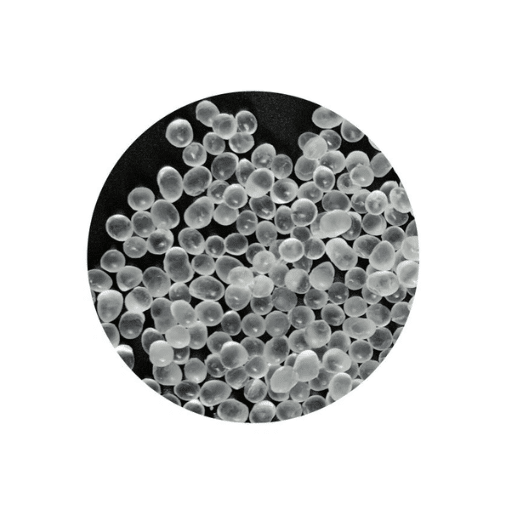
Transparent pricing starts with knowing the market. TPE pellet prices vary widely by grade and order size, but typical ranges give you a baseline:
| Grade Type | Typical Price | Typical MOQ | Notes |
|---|---|---|---|
| Customized grades (SEBS, hardness/color matched) | 2.00to2.00to4.39/kg | 500 kg | In-house compounding, custom formulation |
| Multi-purpose TPE (injection/extrusion) | 1.95to1.95to4.05/kg | 1,000 kg | Standard grades, FOB China port |
| Commodity / bulk grades | 0.65to0.65to2.00/kg | 2 to 20 tons | High-volume, lower specification |
| Ultra-soft and specialty grades | 1.99to1.99to4.39/kg | 500 kg | Softer hardness, niche applications |
Three factors change the real cost:
Density-adjusted cost: TPE is lighter than many alternatives, so a higher price per kilogram can still mean a lower cost per part. Compare cost per cubic centimeter, not just price per kilogram.
MOQ tiers: Customized grades typically start at 500 kg, while commodity grades demand 2 to 20 ton commitments. Match the supplier’s MOQ to your actual consumption, not your ideal.
Landed cost: Freight, customs, and payment terms (commonly L/C or T/T) can dominate small orders. Include shipping in your calculation before you compare quotations.
If you are still deciding whether TPE or silicone is the more economical choice for your part, our breakdown of TPE vs silicone cost shows which material is really cheaper once tooling, cycle time, and material use are factored in.
The thermoplastic elastomer market is growing at roughly 6 to 7% per year, with automotive the largest segment, according to Research and Markets and industry share analysis. That demand keeps some grades volatile, so lock pricing and lead times into your supply agreement.
Quality Control and Sample Testing
Never commit to a TPE supplier before testing samples under your own conditions. Samples are cheap compared to a rejected production batch.
- Order 5 to 25 kg of samples from the exact grade you intend to buy, not a “similar” grade.
- Run samples through your real process: injection molding, extrusion, or overmolding, at your actual settings. A sample that looks fine in the bag can behave differently on your press.
- Verify key properties: Shore hardness, tensile strength, elongation at break, compression set (for seals), and melt flow index (MFI). Confirm the values against the TDS.
- Check batch consistency: Request CoAs from multiple production batches and compare. One clean sample proves nothing; three consistent batches prove a controlled process.
- Inspect incoming material: Check pellet size uniformity, visual contamination, moisture content, and packaging integrity on arrival.
A plant manager we work with now requires three-batch test reports from every new TPE supplier before approving them for volume production. Since adopting that rule, his incoming rejection rate for TPE fell from one batch in four to zero over a twelve-month period. The extra week of qualification paid for itself many times over.
Red Flags to Avoid in a TPE Supplier
A few warning signs should end the conversation early:
- No TDS or CoA on request: A supplier that cannot document its material cannot guarantee it.
- Unverifiable compliance claims: “FDA compliant” without a migration test report or written statement is not a claim you can rely on.
- Prices far below market: A quote of $0.50/kg when the market is $2.00/kg usually means off-spec material, filler loading, or a bait-and-switch.
- A trader posing as a manufacturer: Ask for a factory address, production photos, and line details. Verify what you are buying.
- Vague lead times and slow communication: If it takes a week to get a straight answer during sales, imagine the response during a quality dispute.
- No application knowledge: A TPE supplier that cannot discuss hardness, adhesion, or processing for your use case cannot support you in production.
Single-Source vs. Multi-Supplier Strategy for TPE
Should you consolidate TPE sourcing with one supplier or qualify a second source? The answer depends on your risk tolerance and volume.
Consolidate when you value simplicity: fewer purchase orders, unified quality documentation, consolidated logistics, and stronger volume pricing. A single full-range TPE supplier that stocks multiple families can simplify your entire program.
Qualify a second source when your application is critical, your volumes are high, or you operate in a region with volatile logistics. A second qualified supplier protects you from a single point of failure and gives you negotiation leverage. In that case, apply the same evaluation and sample-testing process to both suppliers.
Structure the agreement: Define volume commitments, price indexing tied to raw-material markets, lead-time and safety-stock levels, quality clauses with corrective action for off-spec batches, and payment terms and Incoterms.
Why Suzhou Yifuhui Is a Reliable TPE and TPV Supplier
At Suzhou Yifuhui New Material Co., Ltd., we supply TPE and TPV pellets that combine rubber-like elasticity with the processing efficiency of plastics. We are a full-range polymer supplier, so you can consolidate TPE with your other standard and engineering resins in one program.
- Customizable grades: hardness and color matched to your application, with batch consistency controls that keep pellet size and melt flow uniform.
- Transparent pricing: direct manufacturing and an optimized supply chain deliver competitive bulk pricing without hidden fees.
- Global shipping: our logistics network delivers worldwide to keep your production lines moving.
- Responsive support: our specialists answer within 24 hours, seven days a week, with real material knowledge rather than order-taking.
We help sourcing teams evaluate TPE families, verify compliance documentation, and structure volume programs. If you are comparing TPE suppliers, we will give you the technical data and pricing you need to make an informed decision.
FAQ
What is the difference between TPE and TPV?
TPE is the umbrella family of thermoplastic elastomers. TPV is a specific subclass where EPDM rubber is dynamically vulcanized inside a polypropylene matrix. TPV offers superior heat resistance, compression set, and oil resistance, which is why it dominates automotive seals and under-hood parts. Our TPE vs TPU vs TPV guide covers the full comparison.
How much do TPE pellets cost?
Customized TPE grades typically run 2.00to2.00to4.39/kg with 500 kg MOQs, while commodity bulk grades run 0.65to0.65to2.00/kg with 2 to 20 ton MOQs. Compare density-adjusted cost per part, not just price per kilogram.
What MOQ should I expect for TPE pellets?
Customized grades commonly start at 500 kg. Standard multi-purpose grades often start at 1,000 kg. Commodity grades typically require 2 to 20 tons. Sample quantities of 5 to 25 kg are usually available for qualification.
What certifications should a TPE supplier have?
At minimum, ISO 9001, RoHS 2.0, and REACH. For food contact, FDA 21 CFR 177.2600 or LFGB. For medical, ISO 10993 and ideally ISO 13485. For flame resistance, UL 94 V-0. For automotive, IATF 16949.
How do I verify a TPE supplier is genuinely FDA-compliant?
Require a written FDA compliance statement and third-party migration test reports from an accredited lab such as SGS or Intertek. A verbal assurance or a badge on a website is not evidence.
Are TPE pellets recyclable?
Yes. As thermoplastics, TPEs can be re-ground and re-processed, and most grades can include recycled content. This is a key advantage over thermoset rubber.
Conclusion
Choosing a TPE supplier is a capability decision, not just a price decision. To get it right:
- Identify the TPE family you need (TPE-S, TPV, TPU) before you contact suppliers.
- Evaluate capability first: compounding lines, in-house labs, quality systems, batch consistency, capacity, and support.
- Require documentation: TDS, CoA, SDS, and certifications matched to your application (FDA, ISO 10993, RoHS, REACH, UL 94).
- Understand pricing and MOQs including density-adjusted cost and landed cost.
- Test samples under your own conditions and verify batch-to-batch consistency before scaling up.
- Watch for red flags: no documentation, unverifiable claims, and prices far below market.
A reliable TPE supplier is a manufacturing partner that keeps your line running and your parts in spec. If you are ready to compare real capabilities and pricing, our polymer specialists will respond within 24 hours. Request a custom TPE/TPV quote →