When a tier-one supplier in Detroit re-specified a sunroof seal in TPE, the unit cost dropped 35% and the molders were thrilled. Cycle times fell, scrap got reground, and the part bonded cleanly to the polypropylene frame. Then winter durability testing came back. After repeated cycling between -40°C and 120°C, the TPE profile lost its compression recovery below -30°C. By six months in a hot-climate soak at 85°C, the edges began to curl. The program reverted to EPDM, and the launch budget absorbed the difference.
That is the quiet trap hiding in the TPE vs silicone automotive seals decision. Both materials feel like rubber, both seal water and air, and both show up in seal catalogs, so teams often pick by price per kilogram or by habit. But TPE is a thermoplastic pellet that melts and re-melts cleanly, while silicone is a thermoset that cures permanently and refuses to soften at engine temperature. That one chemical distinction decides which material survives the under-hood, which one weathers ten years of sun and ice, and which one keeps an EV battery pack dry at 400 volts.
This guide compares TPE and silicone for automotive seals and gaskets across temperature range, compression set, chemical and oil resistance, processing, cost, and specific applications from door seals to battery-pack gaskets. You will leave with a clear decision framework and a supplier checklist.
New to the material family? Start with our TPE vs Silicone material selection guide → for the full manufacturing comparison, then return here for the automotive depth.
TPE vs Silicone for Automotive Seals: Key Differences at a Glance

Here is the fastest way to orient yourself. These ranges hold for standard commercial automotive grades from major compounders.
| Property | TPE | Silicone |
|---|---|---|
| Material type | Thermoplastic, solid pellets | Thermoset, HCR or LSR |
| Raw form | Pellets, room-temperature storage | Cured components or A/B liquid compound |
| Temperature range | -40°C to 120°C (TPV to 135°C, TPEE to 170°C) | -60°C to 230°C continuous, short-term to 300°C |
| Compression set | 30-60%, best-in-class TPV still higher than silicone | 10-30%, excellent recovery |
| Oil / fuel resistance | Poor, formulate per grade | Poor to fuels and oils |
| Weather / UV / ozone | Good, requires stabilizer formulation | Excellent, inherent |
| Hardness range | Shore A 10-90 | Shore A 10-80 |
| Molding process | Standard injection or extrusion, no cure | LIM or compression/transfer molding, cure required |
| Cycle time | Fast, no curing step | Slower, cure cycle required |
| Tooling cost | $15k-40k | $30k-80k |
| Recyclability | Regrind and reprocess, 100% | Not recyclable once cured |
| Relative material cost | $2.50-5.00/kg | 2-3x higher |
| Typical seal applications | Door, window, glass-run, sunroof, interior, HVAC | Spark-plug boots, valve-cover gaskets, turbo hoses, EV battery seals |
Two rows settle most arguments. Temperature: silicone operates continuously to 230°C while most TPEs soften beyond 120°C. Compression set: silicone recovers its shape after years under compression, while a TPE gasket can take a permanent set and leak. If the seal lives in the engine bay or must hold sealing force for the life of the vehicle, those two rows decide the material.
Weighing material options for a specific seal program? Our polymer specialists can review your temperature, chemical, and compression requirements. Talk to an expert →
What Is TPE for Automotive Sealing?
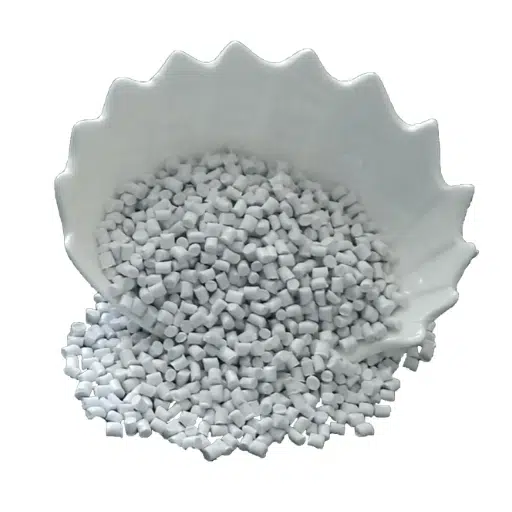
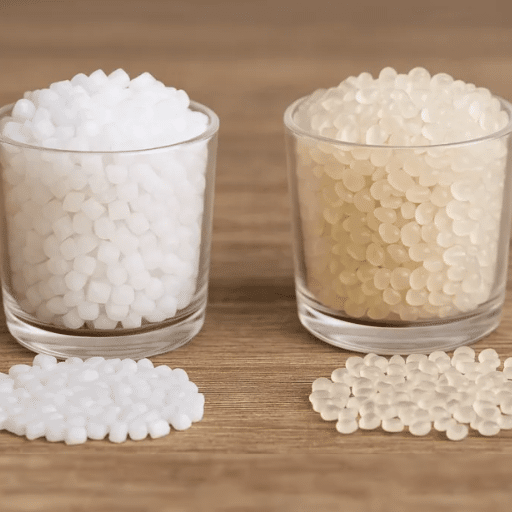
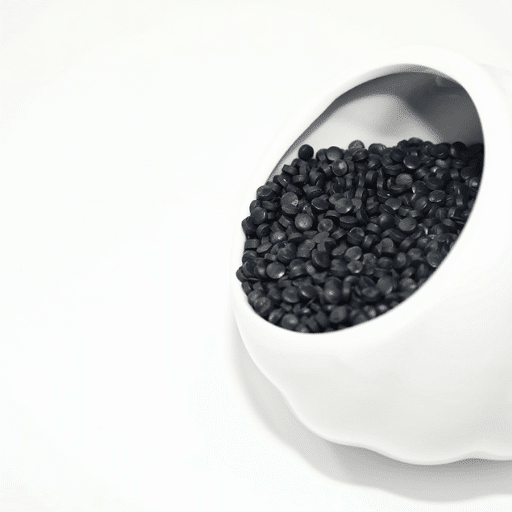
Thermoplastic elastomer (TPE) is a family of polymers that combines rubber-like elasticity with plastic processing efficiency. It is supplied as solid pellets, melted on standard injection molding machines or extruded into profiles, then cooled into finished parts. Because it is thermoplastic, scrap regrinds cleanly and re-enters the process, which matters to OEMs pushing circularity targets.
“TPE” is not one material. Four subtypes dominate automotive sealing, and each fits a different job:
- TPV (thermoplastic vulcanizate, typically PP plus dynamically vulcanized EPDM) is the workhorse of automotive weather sealing, holding roughly 80% of door and window seal applications. It delivers the best compression set in the TPE family, resists UV and ozone like EPDM, stays flexible to -40°C, and tolerates about 135°C. If you want to replace EPDM weatherstripping with a recyclable thermoplastic, TPV is the starting point.
- SEBS (styrenic block copolymer) gives a soft, premium touch with low odor and low VOC, so it dominates interior soft-touch grips, console armrests, and anti-rattle features. It bonds well to PP, ABS, and PC in two-shot molding.
- TPEE (thermoplastic polyester elastomer) is the highest-temperature TPE, rated up to roughly 170°C for some grades. It appears in under-hood and powertrain components that sit near heat sources but still allow thermoplastic processing.
- TPO (polypropylene/EPDM blend) is low-cost with good low-temperature impact, common in exterior trim and air ducts where extreme heat is not a factor.
Because these families behave differently, the question is rarely “TPE or silicone?” It is usually “which TPE grade, or silicone?” For a full breakdown of the family, see our What Is TPE Material? guide →.
What Is Silicone for Automotive Sealing?
Silicone rubber (VMQ) is a thermoset elastomer built on a silicon-oxygen backbone. In automotive sealing it appears in two forms: HCR (high-consistency rubber) for molded or extruded seals and gaskets, and LSR (liquid silicone rubber) for high-volume precision injection molding. Both cure irreversibly, so once a part is formed, it cannot be remelted or recycled.
Two properties make silicone the default for the hottest jobs in a vehicle. First, its temperature range is unmatched: continuous service from about -60°C to 230°C, with specialty grades surviving short-term spikes to 300°C. Second, its compression set is excellent, which means a silicone gasket keeps its sealing force for years under sustained pressure. Silicone also resists UV, ozone, and weathering without additive packages, and it offers strong dielectric properties that matter for high-voltage components.
The trade-offs are cost and processing. Silicone costs roughly two to three times more than TPE per unit, LSR tooling runs higher, and curing slows cycle times. And despite its reputation, silicone is not universally chemical-resistant: it performs poorly in contact with fuels and oils.
Silicone is supplied as cured parts or liquid compound, not pellets. For a side-by-side processing comparison with TPE, see our LSR vs TPE guide →.
Automotive Seal Applications: Where Each Material Wins

The fastest way to choose is to find your seal type. This map reflects how tier-one suppliers and OEMs actually spec these materials.
| Automotive Seal Type | Recommended Material | Why |
|---|---|---|
| Door seals, window glass-run channels | TPV | Weather/UV/ozone resistance, -40°C flexibility, extrusion + corner welding, recyclable |
| Sunroof and trunk seals | TPV or silicone-coated EPDM | Balanced cost with cold flexibility |
| Belt-line and roof-ditch seals | TPV | High-volume extrusion, color match, recyclability |
| Interior soft-touch, grips, anti-rattle | SEBS TPE | Low VOC, tactile feel, PP/ABS/PC adhesion |
| HVAC door seals, air-duct bellows | SEBS or TPO | Low odor, overmolding, moderate temperature |
| Spark-plug boots, ignition coil seals | Silicone | Dielectric strength, sustained engine heat |
| Valve-cover and oil-pan gaskets | Silicone or ACM | Long-life sealing under oil and heat |
| Turbocharger and intercooler hoses | Silicone | Survives to ~205°C, 5-year/800,000-km service life |
| Sensor seals, CV boots, strut boots | Silicone | Vibration, weathering, and wide temperature window |
| EV battery pack and connector seals | Silicone foam or solid silicone | IP67/IP68, thermal stability, compression set, flame retardancy |
| EV battery tray seal, moderate duty | TPV | Cost, recyclability, where heat allows |
Exterior and Body Seals
Door seals, glass-run channels, sunroof seals, trunk seals, and belt-line seals spend their lives outdoors. They face UV, ozone, rain, ice, and years of repeated compression when the door slams. TPV handles this well: it matches EPDM’s weathering and -40°C flexibility, extrudes into continuous profiles, welds at the corners, and regrinds instead of becoming thermoset scrap. That combination is why TPV captures roughly 80% of automotive door and window sealing systems.
Interior Seals and Soft-Touch Components
HVAC door seals, air-duct bellows, dashboard skins, and console grips live in a moderate thermal environment but a strict emissions one. SEBS TPE delivers the low-odor, low-VOC performance interior engineers need, plus a soft, premium feel and reliable overmolding to PP, ABS, and PC. It is the standard answer for soft-touch interior components.
Under-Hood and Powertrain Seals
Open the hood and the rules change. Spark-plug boots, ignition coil seals, valve-cover gaskets, oil-pan seals, throttle-body gaskets, and turbocharger hoses see sustained heat beyond TPE’s ceiling. Silicone handles these locations: turbo hoses tolerate about 205°C and can serve 5 years or 800,000 km, and silicone’s dielectric strength protects ignition components. One honest caveat: for seals that touch fuel or oil directly, neither silicone nor TPE is the right call. Nitrile (NBR), hydrogenated nitrile (HNBR), or fluoroelastomer (FKM) handle hydrocarbon contact.
EV Battery and Electrical Seals
Electric vehicles are rewriting the sealing map. Battery-pack cover gaskets, module seals, cooling-circuit interface seals, high-voltage connector seals, and busbar insulators must block water and dust at IP67/IP68, hold up to vibration, thermal cycling, and crash loads, and in some cases resist flame. Materials in service include silicone foam, solid silicone, EPDM, TPE, and polyurethane foam.
Silicone leads this segment on thermal stability, compression set, and dielectric properties, which is why it is the default for critical high-voltage gaskets. TPE is advancing on the cost side: suppliers such as Hutchinson have invested in recyclable TPE sealing capacity specifically to meet OEM sustainability demands for EV programs.
Planning a weatherseal or EV gasket program and need cost projections? Our engineers can help you model material and tooling spend before you commit. Request a quote →
Temperature, Compression Set, and Chemical Resistance: The Deciding Factors
Application location points you in a direction. Three properties close the deal.
Thermal Cycling and Heat Resistance
The gap is wide and well documented. Silicone operates from about -60°C to 230°C continuously, with specialty grades to 300°C short-term. TPE ranges from about -40°C to 120°C, with TPV reaching roughly 135°C and TPEE about 170°C. In a published -40°C to 120°C automotive seal cycling test, TPE lost critical compression recovery below -30°C after repeated cycles, and generic TPE strips showed edge curling after 6 months at 85°C. Silicone and EPDM held their shape through the same test. If your seal sees sustained engine-bay heat, silicone is not negotiable.
Compression Set
Compression set measures how well a seal returns to shape after being squeezed. Silicone recovers almost fully, typically 10-30% set, so it keeps clamping force for the life of the vehicle. TPE runs 30-60%, with TPV at the low end. For static gaskets that must seal for a decade, that single property often justifies silicone’s premium.
Chemical, Oil, and Weather Resistance
This is where a common misconception gets corrected. Silicone’s famous chemical resistance is real but not universal: it shrugs off acids, alkalis, solvents, UV, and ozone, but it degrades in contact with fuels and oils. TPE is also poor in hydrocarbon contact unless specifically formulated. So for fuel- and oil-line seals, look to NBR, HNBR, or FKM regardless of which way your “TPE vs silicone” decision leans. For weathering, both materials are capable outdoors; silicone is excellent without additives, while TPE needs stabilizer formulation for long-term exterior exposure.
Processing, Recyclability, and Total Cost of Ownership

TPE processes on standard plastic machines with plastic tooling and no cure step, which means faster cycles and a lower-cost mold. It also regrinds: 100% of scrap can re-enter the process, a growing requirement as OEMs push circular-economy targets. Silicone requires liquid injection molding (LIM) or compression/transfer molding, specialized equipment, heated tooling, and cure time, so per-part costs run higher.
The economics rarely close in silicone’s favor on the material line, but they can on the service line. A $2.50-5.00/kg TPE pellet and a cheaper mold produce a cheaper part, and TPE typically lands 30-50% below silicone per part at automotive volumes. The catch is replacement. Where silicone’s longer service life avoids premature seal failure and warranty claims, its total cost of ownership wins. That is why the calculation always starts with the operating environment, not the price sheet.
TPE vs Silicone vs EPDM: The Third Option
Automotive sealing is rarely a pure two-material story. EPDM remains the industry-standard weatherseal material: excellent UV, ozone, and weathering resistance, good compression set, and the lowest cost per kilogram. Many OEM door and window seals are still EPDM.
The bridge options matter too. Silicone-coated EPDM adds silicone-like cold flexibility at roughly 68% lower cost than full silicone, useful for seals that need -50°C behavior without the full premium. TPV replaces EPDM with thermoplastic processing and recyclability. The practical choice for many exterior seals is therefore EPDM or TPV, with silicone reserved for heat and electrical duty. Naming this third option makes the comparison honest and complete.
Automotive Quality Standards and Specifications
Automotive seal materials are validated against standards that most comparison articles skip. Reference these when qualifying a material or supplier:
- IATF 16949 governs the automotive quality management system for component and material suppliers.
- ASTM D2000 / SAE J200 classify elastomers and define material property tables used in seal specifications.
- OEM material specs, such as Suzuki’s SES N 3235 for silicone rubber, set property floors per manufacturer.
- IP67 / IP68 ingress-protection ratings define water and dust sealing for EV battery and connector seals.
- Flame retardancy (UL 94 and OEM low-smoke requirements) applies to battery gasket materials.
How to Source TPE/TPV Pellets for Automotive Seals: Supplier Checklist
Once the material decision is made, sourcing becomes the next decision. Use this checklist to qualify a TPE/TPV pellet supplier for automotive seal programs.
- Confirm the TPE subtype matches the seal. TPV for weather seals, SEBS for interior soft-touch, TPEE for higher heat, TPO for exterior trim.
- Verify automotive-grade data. Temperature range, compression set, UV/ozone ratings, oil and coolant resistance, and VOC/low-odor compliance for interior grades.
- Check quality systems. ISO 9001 and IATF 16949 supply-chain readiness; request a Certificate of Analysis and lot traceability for every batch.
- Confirm batch consistency. Uniform pellet size and consistent melt flow index prevent flow defects and dimension drift in extrusion and molding.
- Evaluate logistics and support. MOQ, lead time, global shipping, and access to technical support for spec questions.
Suzhou Yifuhui New Material Co., Ltd. supplies TPE and TPV pellets for automotive sealing and soft-touch applications, alongside PA66, POM, PC, ABS, and PP for the rigid carriers and overmold substrates that pair with seals. Every batch ships with rigorous quality control and consistent pellet uniformity, backed by competitive bulk pricing and a guaranteed 24-hour response time. A note on honesty: Yifuhui supplies TPE/TPV pellets, not silicone. When your seal resolves to silicone, the sourcing section above helps you qualify a silicone supplier with the same rigor.
For the rigid structural plastics that surround automotive seals, our polyamide vs polyester in automotive guide → cover the companion materials.
Frequently Asked Questions

Is TPE good for automotive weatherstripping?
Yes, for most exterior seals. TPV delivers EPDM-like weathering and UV resistance with thermoplastic processing and recyclability, and it holds roughly 80% of door and window sealing applications. It is the right choice where operating temperatures stay within about -40°C to 120°C.
Can TPE replace silicone in automotive seals?
For moderate-temperature seals, yes; for under-hood heat, no. TPE replaces silicone in door, window, interior, and many EV tray seals at 30-50% lower per-part cost. But sustained heat above 150°C, or a need for the lowest compression set, still demands silicone.
Is TPE or silicone better for gaskets?
It depends on the gasket’s environment. Silicone wins for static gaskets that face heat, weather, and years of compression, because it recovers better and keeps sealing force. TPE wins for cost-sensitive, high-volume gaskets in moderate environments where recyclability matters.
What temperature can TPE withstand?
Standard TPE grades operate from about -40°C to 120°C. TPV reaches roughly 135°C, and TPEE grades can handle about 170°C. Beyond that, silicone is the material of choice, with continuous service to 230°C.
Is silicone or EPDM better for car door seals?
For pure weatherseal duty, EPDM and TPV are the standards: excellent UV and ozone resistance at the lowest cost. Silicone is chosen for door and window seals only when extreme cold flexibility or premium durability outweighs its higher cost.
What material is best for EV battery gaskets?
Silicone foam and solid silicone lead for critical battery-pack and high-voltage seals because of thermal stability, compression set, dielectric strength, and flame retardancy. TPE is a cost-effective option for moderate-duty tray seals where OEM recyclability targets apply.
Is TPE or silicone more expensive?
TPE is significantly cheaper on material, tooling, and cycle time, typically landing 30-50% below silicone per part at automotive volumes. Silicone can still win on total cost of ownership where its longer service life prevents failures and warranty claims.
Conclusion: Making the Right Material Choice
No universal winner exists here, and that is the honest answer. For door, window, interior, and many EV tray seals, TPE and TPV deliver weather resistance, recyclability, and a 30-50% cost advantage. For under-hood gaskets, turbo hoses, ignition seals, and critical EV battery sealing, silicone is the reliable choice because of its temperature range, compression set, and dielectric performance. And EPDM still holds the low-cost weatherseal baseline.
A typical vehicle uses both. That is not indecision; it is correct engineering. Start with the seal’s location and operating temperature, confirm compression-set and oil-exposure requirements, then let volume and cost settle the final grade.
If your automotive seal program resolves to TPE or TPV, request a quote from Suzhou Yifuhui New Material Co., Ltd. within 24 hours and get batch-consistent, competitively priced pellets that keep your sealing line on schedule. If it resolves to silicone, use the checklist above to qualify a silicone supplier with the same rigor. The right material, sourced properly, is the one that never makes the warranty list. To gain a deeper understanding of TPE vs Silicone for Medical Devices: Complete Selection Guide, please click to refer to our accompanying guide.