When a top-tier automotive OEM in Stuttgart watched the scrap rate on PA66 intake manifolds skyrocket to 3.2 percent during the last quarter, the root cause was certainly not found in the molding machine. Instead, it was tracked back through the resin hopper, drippy drying schedule, and came to rest on a spec sheet that was for pellets that found their way to the dock.
Most sourcing managers we work with have lived a version of this story. One terrible batch could make nylon resins, with which 21st century manufacturing is driven, stay idle for a week. This guide will give you a one-stop reference for selecting, processing, and sourcing polyamides at industrial scale from the supplier’s opposite perspective.
We tell you in this eBook: the properties of the main polyamide grades, which applications suite them best, important questions to ask a supplier before committing to a big purchase, and how to equate brand names with resin grades. After going through this document, you will know which polyamide pallet suits your next project very well and how you can source them with as few surprises as possible.
Need a quote on a specific PA grade today? Request a custom polyamide pellets quote → and our specialists respond within 24 hours.
What Are Polyamide Pellets?
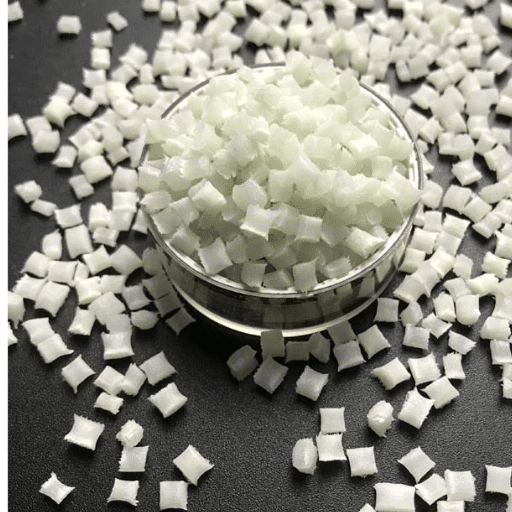
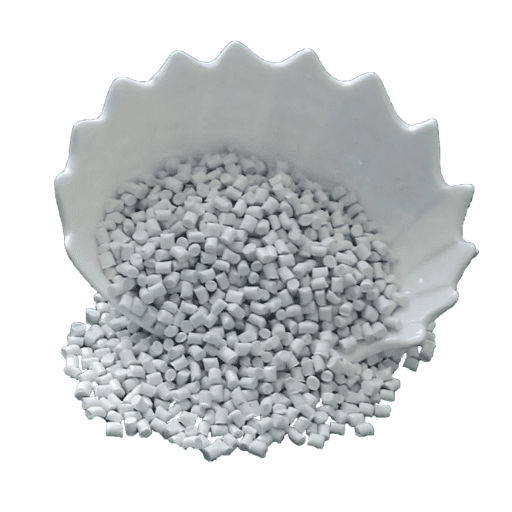
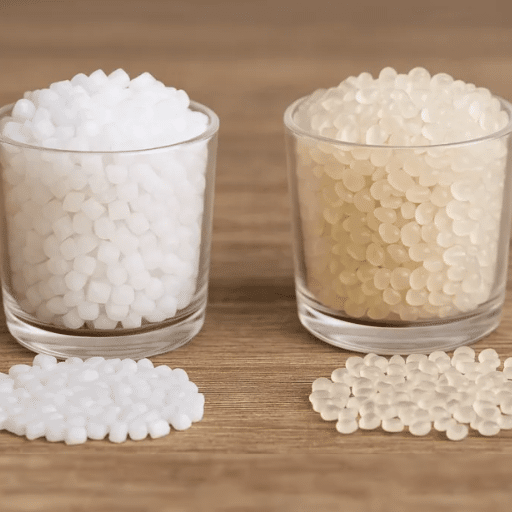
Polyamide pellets are small plastic granules made out of polyamide resin, sometimes called nylon as it belongs to the polyamide family. Manufacturers use these pellets to manufacture components featuring high tensile strength, resistance to abrasion and chemicals made by many different processes, mainly injection molding, extrusion, and 3D printing. In an industrial setting, polyamide is called nylon, although the two refer to the exact same material.
A polyamide polymer is so named because its polymer chain is linked with amide bonds throughout its structure. Because of this configuration, all the good mechanical properties are found, as would function for an all-purpose engineering plastic material. Melting points of common grades are above 200 °C.
Polyamide vs. Nylon: Are They the Same?
Yep, “Nylon” is the original trademark name from DuPont, a trade mark that has become used for the polymer since 1935. “Restrain polyamide” is its technical chemistry name. Datasheets, ISO standards, and procurement contracts use both terms interchangeably, although European marketers adopt polyamide while North America buyers generally default to nylon.
Why Polyamide Pellets Matter to Modern Manufacturing
The global polyamide market reached roughly $33 billion in 2024 and is projected to approach $48 billion by 2030, according to industry analyses from sources like Grand View Research. Roughly 35 to 40 percent of that demand flows into automotive components, with electrical, industrial, and consumer applications absorbing the rest. Few engineering plastics combine the same balance of strength, processability, and cost.
Major Polyamide Pellet Grades and Their Properties
Though less suited for some PA applications and more appropriate for others, the PA types are distinguishable by two or so alphanumeric characters following the letters PA, which components were used in their synthesis and thus mold their melting point, moisture absorption, stiffness, and cost.
PA6 (Polyamide 6) Pellets
Polyamide PA6, made from caprolactam, is perhaps the world’s most commonly used nylon. It has a melting point of about 220°C, high elasticity, and can be colored or compounded easily. PA6 pellets are still the general choice for textile fibers, monofilaments, films, and other high-volume injection-molded parts that do not call for the maximum mechanical properties.
PA66 (Polyamide 66) Pellets
Beginning from hexamethylenediamine and adipic acid, PA66, a step above PA6 concerning stiffness, thermal endurances, and creep performance, is an ideal choice in under-the-hood automotive parts, electrical connectors, and industrial fasteners. Crafted to melt at a reasonable 262°C, the glassy polymer is still favored even today, as global automobile and electrical OEMs continue to specify high volumes awaiting its delivery. This filament line is the core of Yifuhui, seeing the strongest supply in automotive and electric markets.
PA12 (Polyamide 12) Pellets
PA12 among its family members suffers the least moisture absorption level with about 1.5 percent saturation, inherently better than 9 to 10 percent for PA6. Through this dimensional stability, PA12 finds itself mostly in fuel lines, air brake tubing, optical fiber jacketing, and 5G antenna housings to ensure less signal loss is accumulated in the accumulation of soot from iiiii-laden processing. The trade-off of PA12 against PA6 is found to have a lower heat zone, namely 178°C, and a higher price for a kilogram.
PA11: Bio-Based Polyamide
An opportunity for PA11 to be underlined is because this polymer is derived by extruding castor oil, a renewable feedstock. Its behavior towards humidity and dimensional stability is similar to that of PA12, and the key difference is the considerably lower CO2 f. Nowadays, any kind of source for a matchmaking unit with a sustainability requirement would immediately want PA11 for premium consumer goods and medical tubing.
Specialty Grades: PA46, PA6/66 Copolymer, and PA6T
Beyond the volume grades, several specialty polyamide pellets serve niche but valuable applications:
- PA46: Higher melting point (~295°C) for short-cycle electronics encapsulation
- PA6/66 Copolymer: Blends the toughness of PA6 with the heat resistance of PA66
- PA6T (Semi-Aromatic): Engineered for SMT connector applications surviving reflow soldering
Quick Property Comparison
|
Property |
PA6 |
PA66 |
PA12 |
PA11 |
|---|---|---|---|---|
|
Melting Point |
~220°C |
~262°C |
~178°C |
~189°C |
|
Tensile Strength (Dry) |
~80 MPa |
~85 MPa |
~50 MPa |
~55 MPa |
|
Moisture Absorption (Saturated) |
9-10% |
8-9% |
1.5% |
1.9% |
|
Density |
1.13 g/cm³ |
1.14 g/cm³ |
1.01 g/cm³ |
1.03 g/cm³ |
|
Relative Price Tier |
Low |
Low-Medium |
High |
High |
Reinforced and Modified Polyamide Pellets

When pure unmilled PA competes for the rigidity and flame-retardant requirements of high-performance parts, what is usually done is that the compounder will modify the base resin by adding fibers, minerals, and other chemistries that will alter the properties that define the end part.
Glass Fiber Reinforced Polyamide (GF 15, GF 30, GF 50)
Glass fiber is the most commonly used reinforcement, and is supplied at reinforcement levels of from 15 to 50 wt%; 30 percent-fiber-filled PA66 sees its tensile strength jump from approximately 3 GPa to 9 GPa, with significant improvements in dimensional stability with load.
Glass-filled nylon pellets are used in engine intake air manifolds, structural brackets, and power-tool cases to displace aluminum at reduced mass and cost.
Mineral-Filled and Carbon Fiber Variants;
Talc or kaolin mineral fillers minimize warping and enhance surface finish in glass-poor areas of the complicated mold. Carbon fiber loadings of 10 to 30%; true obtain a high modulus with modified electrical conductivity, useful in electronics enclosures and the like, where EMI compliance is beneficial.
Flame-Resisting Polyamide Compounds
Fire-retarding regulations in electrical connectors and consumer electronic housings – always major requirement are V-0 ratings from the UL94 test. Halogen-free-fire-retardant nylon grades rely on a chemistry of phosphorus or melamine cyanurate to achieve these levels without creating smoke liberated out of combustion.
Heat-Stabilized and Impact-Modified Grades
In the realm of the heat-stable polyamide granules, long-term thermal impact (especially when they will be in contexts close to a turbocharger or electric motor) runway becomes a critical scenario. Impact-modified grades bring an elastomeric stiffener to boost their notched Izod impact strength. Snap-fit assemblies and tools housings are common applications where the assembled parts may accidentally experience a drop.
Key Industrial Applications of Polyamide Pellets
Grade range of polyamide resins sustains the needs of dozens of industries. Here are a few of their common applications, which account for most of the global demand.
Automotive: Intake Manifolds, Connections and Tubing
The automotive end-use segment leads the market in the consumption of polyamide. The 35%-glass fiber-reinforced PA66 rules the engine intake manifold applications, reducing weight almost in half as against aluminum, while withstanding underhood temperatures. And fuel and air brake tubing are best left to PA12 because of its low moisture absorption apart from the favorable resistance to automotive fluids.
Electric/Electronic: Cable Ties, Connectors, 5G Housing
So every single cable tie in your data center is most likely made of competitive nylons, typically PA66 with UV stabilization. Connector bodies, circuit-breaker limps, radomes of 5G antenna are subject to diverse polyamide grades. 5G propagation, moreover, is driving up demand for PA12 and PA6T because their low dielectric losses help in the proper preservation of signal integrity at these higher frequencies.
Consumer Goods und 3D Printing Filament
For instance, when Mike, a procurement manager at a North American connector OEM, switched his PA66 GF30 supply from a premium European brand to a Yifuhui equivalent grade, his landed cost was dropped by roughly 22% on a 180-tonne annual program. Mechanical performance remained consistent with his original validation tests, and lead times were reduced from 14 to 6 weeks. The savings allowed a new tooling line in two quarters.
Processing Polyamide Pellets: What Engineers Must Know
Polyamide is, in fact useful for many applications, with the exception that it is hygroscopic. With the concentration of moisture in nylon rises from 0.2% to even above fivefold. These developers estimate that they can reach 100% of the original rate of production if the moisture can entirely be reduced to an acceptable level.
Drying Schedules and Moisture Control
Engineers may need to start drying standard nylon pellets at 80°C from four to eight hours with a dehumidifying dryer until the moisture content reaches less than 0.2 percent. Heavier or recycled grades generally need 12 hours or more. Skipped or cut short, splay marks increase as well as brittleness, alongside reducing the tensile strength at 30% to 50% by the time of processing the part.
Run a moisture analyzer (Karl Fischer or capacitance-based) on each lot before putting material to the set-up hopper. More importantly, trust the data, not the last digit printed on the bag.
Recommended Injection Molding Parameters
Specific settings vary by grade, but these starting points work for unfilled PA66:
- Melt temperature: 270 to 290°C
- Mold temperature: 80 to 100°C
- Injection speed: Medium to fast for thin-wall parts
- Back pressure: 5 to 10 bar to ensure consistent melt
Glass-filled grades shift these windows higher and require wear-resistant tool steels.
Extrusion and Blow Molding Considerations
High-molecular-weight nylon extrusion grades supply the melt strength required for film, sheet, and profile manufacture. Blow-molded nylon parts, as case in point automotive coolant reservoirs, frequently require specific grades of PA6 engineered with greater melt elasticity.
Common Defects and How to Prevent Them
Three defects dominate polyamide processing troubleshooting:
- Splay (silver streaks): Almost always moisture. Re-dry the pellets.
- Brittleness: Often degradation from excessive residence time at high melt temperatures. Lower the barrel temperature or speed up the cycle.
- Warpage: Common in glass-filled grades. Re-balance the gate locations or add a mineral filler.
Ready to lock in a reliable supply of polyamide pellets that ships dry-packed and on-spec? Talk with our polymer specialists on LiveChat for material recommendations tailored to your application.
How to Source Polyamide Pellets: A Procurement Checklist

Choosing the right polyamide pellets supplier is a decision worth treating with the same rigor as any major capital purchase. Here is the framework our most experienced customers use.
Specifying the Right Grade for Your Application
Brief a Request for Quote must include:
- Setting and use: temperature range, humidity, exposure to chemicals
- Mechanical constraints: tensile, flexural, impact requirement proposals
- Compliance needs: UL certifications, FDA, or European food-contact compliance, RoHS, REACH
- Colors and surface finish: natural, masterbatches, or pre-colored
This brief will endorse the supplier. A supplier can come up within a day or two with an approximate product range.
Understanding Pricing Factors
Four key drivers determine the pricing of Polyamide pellets:
1. Base resin quality: PA12 typically commands a 2-3 as high price per kilogram with respect to PA6.
2. Additives and fillers: Glass milled fiber, Flame retardants, and heat stabilizers all add costs.
3. The country of origin: Tariffs, exchange rates, and freight rates significantly affect its landed price.
4. Order volume: Lee-Media contracts 1,000s of tons of price level that orders of 500 kg an order cannot match.
MOQs, Lead Times, and Shipping Logistics
Respected nylon suppliers transport their shipments in moisture-barrier bags tucked romantically in gaylords or 25-kg bags neatly shrink-wrapped on pallets. Minimum order quantities typically range from a half ton for standard grades up to a full pallet (circa 1,000 kg) for specialty compounds. Typically, the lead time for stock or build-to-order-production from mainland China to North America, or Europe, would be between 4 to 8 weeks by sea with airfreight being an option for emergencies.
Quality Certifications to Request
Before placing a first order, request and verify:
- ISO 9001 quality management certification
- ISO 14001 environmental management (where relevant)
- RoHS and REACH compliance documentation
- FDA or EU 10/2011 food-contact certifications (if applicable)
- A Certificate of Analysis (CoA) for each shipped lot
Sourcing example: Sarah, an individual involved in procurement for a European medical device manufacturer, required a PA12 certified for skin contact and single-lot traceability. The previous supplier assured only master-bag traceability. Switching to a vendor-sourced solution-issuing lot-specific CoAs and ISO-13485-compliant documentation that cut audit preparation times book by half-eliminated the recurrent deviation finding every quarter.
For a side-by-side look at how polyamide compares to its primary alternative, read our polyamide vs polyester comparison before finalizing your material decision.
Polyamide Pellet Equivalents: Branded Grade Cross-Reference
Inheriting requirements normally is typical with most TA, which is usually specific to a specific brand quality. The PA66 line of Yifuhui has functional equivalents to most of the popular brand label resins specified. Below is a tabulated mapping for common requirements.
|
Branded Grade |
Manufacturer |
Functional Equivalent |
Typical Application |
|---|---|---|---|
|
Ultramid A3W |
BASF |
Yifuhui PA66 Natural |
Industrial molding |
|
Ultramid A3WG6 |
BASF |
Yifuhui PA66 GF30 |
Automotive structural |
|
Zytel 101L |
DuPont |
Yifuhui PA66 Heat-Stabilized |
Connectors |
|
Zytel 70G33L |
DuPont |
Yifuhui PA66 GF33 |
Under-hood automotive |
|
Technyl A218 V30 |
Domo |
Yifuhui PA66 GF30 |
Electrical housings |
|
Durethan BKV30 |
Lanxess |
Yifuhui PA66 GF30 |
Power tools |
|
Akulon K224-G6 |
DSM |
Yifuhui PA6 GF30 |
General engineering |
These equivalents share the core property profile of the branded reference, although every program demands its own validation cycle. Yifuhui’s technical team supports cross-reference testing and provides full datasheets and CoAs for benchmarking.
Frequently Asked Questions

What are the prices of the polyamide pellets in kilograms?
Pellets from polyamide are charged by the sets, additives, volume, and conditions of freight. Normally, unfilled PA6 ranges lower in the selling group as compared to the core engineering plasters, while the direct opposite is true for glass-filled PA66 and specialty PA12 grades. Request the company to quote you as per the respective grade, volume, and destination and bring you the present-day cost.
What constitutes the difference through PA6 and PA66 pellets?
PA6 melts approximately around 220°C and maintains a generous level of toughness with superior processing. PA66 will melt around 262°C, adding superior strength, heat resistance, and a better creep performance, all of which come at a somewhat higher price. Either select PA66 for under-the-hood automotive specialties or the toughest electrical apps and PA6 for textiles, films, and maybe one or the other of these categories of general molding.
Polyamide pellets are recyclable, right?
Yes. The mechanical recycling of clean PA6 and PA66 post-industrial scrap is a well-known process. The chemical route – and hence the depolymerization back to caprolactam for PA6 – is rapidly increasing in scope. In general, recycled polyamide pellets are blended with a certain amount of virgin material in order to maintain product specifications.
How should polyamide pellets be stored?
Seal them in moisture-barrier bags inside a lidded container within a dry, climate-controlled warehouse of the outlet below 30°C, and don’t let them exceed 50% relative humidity. Use the bag within 48 hours once open or reseal the bag immediately. Always dry it out afresh before using it if the bag has been opened or stored over six months.
Conclusion: Specify Confidently, Source Reliably
Suzhou Yifuhui New Material Co., Ltd. produces and supplies polyamide pellets and the entire PA family, including PA6, PA66, PA12, and reinforced varieties via glass-filled, flame retardant, and heat-stabilized grades-transparent pricing, strict quality control, and a global packaging chain to ensure the consistency that the supply managers are looking for and the proper integration properties with the engineers desire. Each shipment carries a Certificate of Analysis and operational experts who will answer queries during all seven days of the week within 24 hours. To learn more about Polyester Pellets and Polyamide vs Polyester Mechanical Properties, please click to refer to our accompanying guide.
Ready to secure your next polyamide pellets shipment?
Request a Custom Polyamide Pellets Quote →
Discuss with our polymer professionals on your sort, quantity, and delivery, and they will get back to you with a quote, a functional equivalent product to be recommended, if any, and the necessary technical backup within a business day. Streamline nylon-sourcing business processes with a global supplier manufacturing partner.