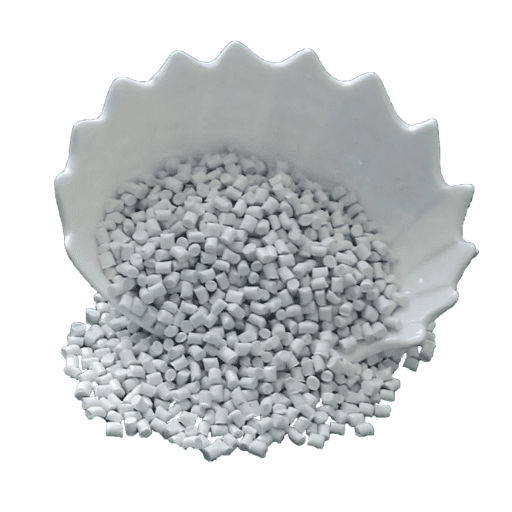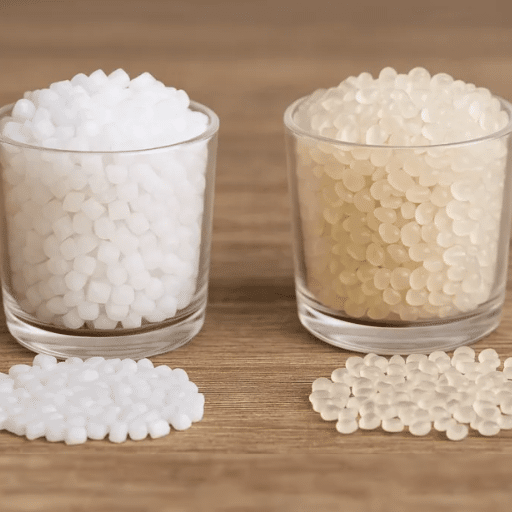
Your purchasing team issues two purchase orders every month. One is for polyamide pellets. The other is for polyester pellets. Two suppliers. Two invoices. Two sets of certificates. Two inbound quality checks.
And when a shipment arrives late, you spend half a day figuring out which vendor caused the bottleneck. Sound familiar?
If your plant relies on both polyamide (nylon/PA) and polyester (PET/PBT), the right polyester and polyamide supplier can simplify your entire material program. The wrong one adds risk, cost, and confusion.
This guide shows you exactly what to look for. You’ll learn how to evaluate dual-resin partners. You’ll also see how to structure a multi-resin contract that protects your production schedule.
By the end, you’ll have a practical checklist for choosing a supplier. You’ll understand the trade-offs between split and consolidated sourcing. You’ll know the red flags that should send you looking elsewhere, too.
Can One Supplier Really Provide Both Polyester and Polyamide?

Yes, and it is more common than many procurement teams assume. The key is finding a partner with genuine technical depth in both polymer families, not just a trading company that happens to list both materials on a catalog page.
A capable dual resin supplier should offer:
- Polyamide grades: PA6, PA66, PA12, PA11, PA46, glass-filled variants, flame-retardant grades, heat-stabilized grades, and recycled options.
- Polyester grades: PET, PBT, PETG, bottle-grade and fiber-grade PET, glass-filled PBT, and flame-retardant or UV-stabilized compounds.
- Technical support: Staff who understand drying requirements for hygroscopic PA, intrinsic viscosity (IV) testing for PET, and processing windows for both families.
- Documentation: Certificates of Analysis (CoA), Technical Data Sheets (TDS), Safety Data Sheets (SDS/MSDS), and regulatory declarations per shipment.
When Elena, a procurement manager at a Midwest automotive components plant, first searched for a polyester and polyamide supplier, she found plenty of B2B directories. Directories list names. They do not teach you how to evaluate a partner.
She needed to separate true dual-resin suppliers from brokers who simply resell pellets. So she asked each candidate three questions: Which grades do you stock? How do you test moisture in PA? Can you provide IV data for PET?
Three suppliers could not answer confidently. One could. That is the supplier she shortlisted.
Want to see what a full multi-resin material program looks like? Read our complete guide to polyester and polyamide in manufacturing. If your projects combine both resins in a single component, our Polyamide Polyester Combination: A Design-Engineering Guide to Dual-Material Parts walks through how to design reliable dual-material parts.
Why Consolidate Polyester and Polyamide Sourcing?
Consolidating both resin families with a single supplier is not just about convenience. Done right, it improves quality control. It reduces administrative overhead. It strengthens your negotiating position.
Fewer Purchase Orders and Invoices
Every additional supplier adds transaction cost. Each PO, invoice reconciliation, and payment run consumes time. A single supplier for PA and PET/PBT cuts that workload roughly in half.
Consolidated Logistics
Shipping resin by sea or truck is often more cost-effective when loads are combined. One container with multiple grades from one supplier reduces freight complexity and customs paperwork. It also simplifies receiving and warehouse scheduling.
Unified Quality Standards
When two resins come from one partner, you can negotiate one quality agreement. Off-spec batches are easier to trace. Corrective actions are faster because one vendor owns the problem.
Volume Leverage
Combining annual volumes across PA and PET/PBT gives you stronger negotiating power. You can negotiate blended pricing, annual rebates, or preferred-customer status that would be harder to secure for each material separately.
Single Point of Accountability
If a production issue involves both materials, you have one technical team to call. That matters when you are troubleshooting moisture-related defects in PA while also adjusting IV specs in PET.
Case study: A Southeast Asian electronics manufacturer previously bought PA66 from one distributor and PBT from another. After switching to a single dual-resin supplier, they reduced vendor management time by about 30%. They aligned safety stock for both materials. They also negotiated a 12-month price lock that protected them during a volatile feedstock quarter.
What to Look for in a Polyester and Polyamide Supplier

Use this checklist when evaluating potential partners. The best polyester and polyamide supplier will score well on most or all of these criteria.
1. Breadth of Grades and Customization
Can the supplier provide the exact grades you need today, plus alternatives for future projects? Ask about:
- Virgin, recycled, and bio-based options
- Reinforced grades (glass fiber, mineral, carbon fiber)
- Flame-retardant and halogen-free compounds
- Color-matched or custom-compounded materials
2. Quality Systems and Documentation
A reliable supplier should operate under ISO 9001 at minimum. Ask to see:
- Lot-traceable Certificates of Analysis (CoA)
- Technical Data Sheets (TDS) for each grade
- SDS/MSDS and REACH/RoHS declarations
- Food-contact documentation (FDA or EU 10/2011) if applicable
To build a robust, repeatable inspection process around these documents, see our Polyester and Polyamide Quality Control: A Manufacturer’s Guide to Consistent Pellet Performance.
3. Technical Responsiveness
Resin problems do not wait for business hours. Your supplier should offer technical support that understands both polyamide and polyester processing. Ask how quickly they respond to quality or application questions.
4. Global Logistics Capability
If you import resin, confirm the supplier’s experience with:
- International shipping and Incoterms
- Bulk, bag, or container packaging options
- Customs documentation and hazardous-material handling if needed
- Typical lead times from order to delivery
5. Financial Stability and Supply Redundancy
A single-source strategy depends on supplier reliability. Ask about production capacity, backup facilities, and contingency plans for supply disruptions. A strong partner will be transparent about their capabilities.
6. Transparent Pricing
Look for clear pricing structures without hidden fees. Ask how the supplier handles feedstock price volatility, currency fluctuations, and freight surcharges.
Ready to compare material families directly? Our polyamide vs polyester guide breaks down the technical differences every buyer should know.
Evaluating Quality Control for Both Resin Families
Polyamide and polyester require different incoming inspection routines. A good supplier helps you standardize the process without cutting corners.
Polyamide Quality Checks
Polyamide absorbs moisture quickly, which affects processing and part performance. On receipt, verify:
- Moisture content: Typically should be below 0.2% before molding; use Karl Fischer testing or a calibrated moisture analyzer.
- Melt flow index (MFI/MVR): Confirms grade consistency and processability.
- Visual contamination: Check for foreign particles, discoloration, or pellet deformities.
- Packaging integrity: Damaged bags let moisture in before the resin reaches your dryer.
Polyester Quality Checks
Polyester is less hygroscopic than polyamide, but quality still varies. Verify:
- Intrinsic viscosity (IV): Critical for PET, especially bottle-grade and fiber-grade applications.
- Moisture content: PET and PBT still require drying before processing to prevent hydrolysis.
- Acetaldehyde levels: Important for bottle-grade PET used in food or beverage packaging.
- Color and clarity: Especially relevant for transparent PET grades.
Because moisture is the common thread in both routines, how you store your pellets matters just as much as how you inspect them. Our Storing Polyester and Polyamide Pellets: A Complete Guide for Manufacturers shows how to protect resin quality before it reaches your dryer.
Unified Documentation
When both resins come from one supplier, request a standard documentation package for every shipment. A consistent format makes incoming inspection faster and reduces errors during audits.
Split Sourcing vs. Consolidated Sourcing: A Risk Comparison
| Factor | Split Sourcing | Consolidated Sourcing |
|---|---|---|
| Administrative workload | Higher (multiple POs, invoices, contacts) | Lower (one relationship to manage) |
| Freight and logistics | More complex, harder to consolidate | Simpler, potential volume savings |
| Quality accountability | Blurred when issues span suppliers | Clearer, one vendor owns resolution |
| Negotiating leverage | Lower per material | Higher combined volume |
| Supply disruption risk | Spread across vendors, but more relationships to monitor | Concentrated risk, requires backup planning |
| Technical support | Different experts for each material | One team familiar with both families |
Consolidated sourcing wins on simplicity and leverage. But it isn’t always the right choice. If one material represents 95% of your spend and the other is a minor specialty grade, splitting may make sense. The same applies if your primary supplier lacks depth in one polymer family.
When Marcus, a plant manager at a German industrial components company, evaluated his resin spend, he found a clear split. PA6 accounted for 80% of volume. PBT was only 20%.
He consolidated PBT with his PA supplier. That supplier had strong PBT technical support. For a small specialty PA12 grade, he kept a niche distributor.
The hybrid approach gave him most of the consolidation benefits. It avoided forcing a poor fit.
How to Negotiate a Multi-Resin Contract

A multi-resin contract should protect both parties. It should also create incentives for long-term partnership. Include these elements.
Volume Commitments and Blended Pricing
Commit to annual volumes across both material families in exchange for tiered pricing. Define how volumes are measured and what happens if demand shifts between grades.
Price Indexing and Volatility Hedging
Polyamide prices track benzene and adipic acid. Polyester prices track paraxylene and PTA. A good contract addresses feedstock volatility with:
- Agreed price indices and adjustment windows
- Caps on quarterly price changes
- Options to fix prices for defined periods
For more context on resin market dynamics, read our polyamide vs polyester cost analysis. To benchmark your numbers before you sit down at the table, our Polyester and Polyamide Cost: 2026 Procurement Pricing Guide breaks down current pricing drivers for both families.
Lead-Time and Safety-Stock Agreements
Define standard lead times for each grade. Negotiate safety-stock commitments for critical materials, especially grades with long production cycles or seasonal demand.
Quality Clauses
Specify acceptance criteria, rejection rights, and corrective action timelines. Include responsibilities for retesting and disposal of off-spec material.
Payment Terms and Incoterms
Clarify payment terms, currency, and Incoterms. Common arrangements include FOB, CIF, or DAP, depending on who controls freight and customs clearance.
Exit and Transition Terms
Even in a strong consolidated relationship, include terms for transitioning to an alternative supplier if performance fails. This protects you without undermining the partnership.
Red Flags to Avoid When Selecting a Dual-Resin Supplier
Not every supplier that lists both polyamide and polyester truly understands both. Watch for these warning signs:
- Limited technical knowledge: They cannot explain PA drying requirements or PET IV testing.
- No verifiable certifications: They claim ISO 9001 or REACH compliance but cannot provide current certificates.
- Missing lot traceability: They cannot produce CoAs tied to specific batch numbers.
- Vague lead times: They give ranges like “4-12 weeks” without explaining why.
- Slow communication: Responses take days when you need hours.
- Prices far below market: Unusually low quotes often mean off-spec, blended, or mislabeled material.
- No global shipping experience: If you import resin, a supplier unfamiliar with export documentation will create customs delays.
When Priya, a sourcing lead for a North American appliance manufacturer, received a quote 25% below the next-lowest bid, she asked for a CoA and reference customers.
The supplier sent a generic certificate. It had no batch number. The two references never returned her calls.
She moved on. The cheapest option would have cost far more in rejected parts and production downtime.
Why Suzhou Yifuhui Supports Both Material Families
Suzhou Yifuhui New Material Co., Ltd. supplies both polyamide and polyester pellets to manufacturers worldwide. Our engineering plastics catalog covers:
- Polyamide: PA6, PA66, PA12, PA11, PA46, PA6T, and specialty grades with glass fiber, mineral, carbon fiber, flame-retardant, and heat-stabilized options.
- Polyester: PET, PBT, PETG, bottle-grade and fiber-grade PET, and reinforced or modified PBT compounds.
- Recycled options: rPA and rPET grades for sustainability-focused programs.
We provide:
- Batch-tested quality with CoA, TDS, and SDS documentation for every shipment
- Transparent pricing with clear terms and global shipping support
- 24-hour technical response from specialists who understand both PA and PET/PBT processing
- Custom compounding and equivalent-grade matching for branded resins
Whether you need one pallet of PA66 GF30 or a full container of PBT with a multi-resin annual contract, we can structure a program that fits your volume and technical requirements.
Interested in consolidating your resin sourcing? Request a custom multi-resin quote and our team will respond within 24 hours.
Frequently Asked Questions
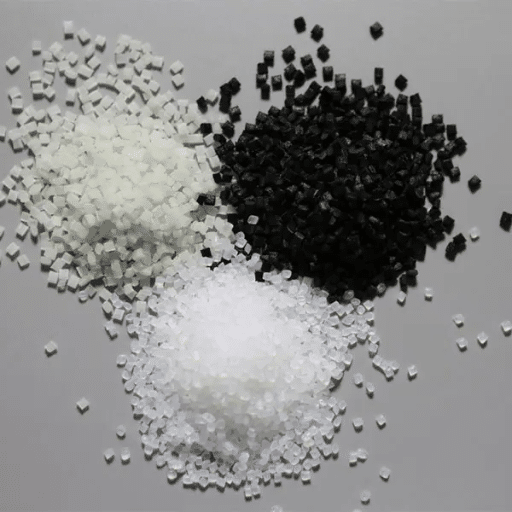
Can one supplier provide both polyamide and polyester pellets?
Yes. Many engineering plastics suppliers and distributors offer both polyamide (nylon/PA) and polyester (PET/PBT) grades. The key is verifying that the supplier has technical expertise in both families, not just product listings.
What certifications should a polyester and polyamide supplier have?
At minimum, look for ISO 9001. Depending on your application, you may also need REACH/RoHS declarations, FDA or EU 10/2011 food-contact documentation, UL94 flammability ratings, or GRS certification for recycled grades.
How do I verify pellet quality from a new supplier?
Request lot-traceable CoAs, run incoming tests for moisture and melt flow (PA) or intrinsic viscosity (PET), and start with a trial batch before committing to large volume.
What MOQ should I expect for dual-resin orders?
MOQs vary by grade and supplier. Commodity grades may require full-container quantities (20-25 tonnes), while specialty grades may start at 1,000 kg. Consolidating volumes with one supplier can help you reach better tiered pricing.
Is consolidated sourcing cheaper than split sourcing?
Not always in pure per-kg terms, but it often reduces total cost. Savings come from lower administrative overhead, consolidated freight, fewer quality disputes, and stronger volume-based pricing.
Can I get recycled polyamide and recycled polyester from the same supplier?
Yes, suppliers with strong sustainability programs offer both rPA and rPET. Ask for GRS certification and traceability documentation. Our recycled polyamide vs recycled polyester comparison explains the quality considerations for each.
Conclusion
Choosing the right polyester and polyamide supplier comes down to three things. First, technical depth in both material families. Second, transparent quality systems. Third, logistics that match your global production needs.
Consolidated sourcing can reduce complexity and cost. But only if the partner truly understands polyamide and polyester processing.
Before you sign a contract, run through the checklist in this guide. Ask about grades, certifications, and testing protocols. Ask about lead times and contingency planning. Visit your top candidates if possible. Always start with a trial batch.
The manufacturers that gain the most from dual-resin sourcing treat it as a strategic partnership, not just a way to cut PO count. If you are ready to simplify your material program, request a custom multi-resin quote from Suzhou Yifuhui today. Our polymer experts will review your specs and respond within 24 hours.