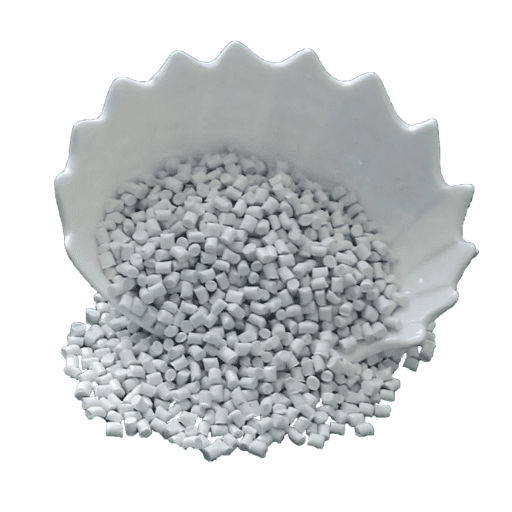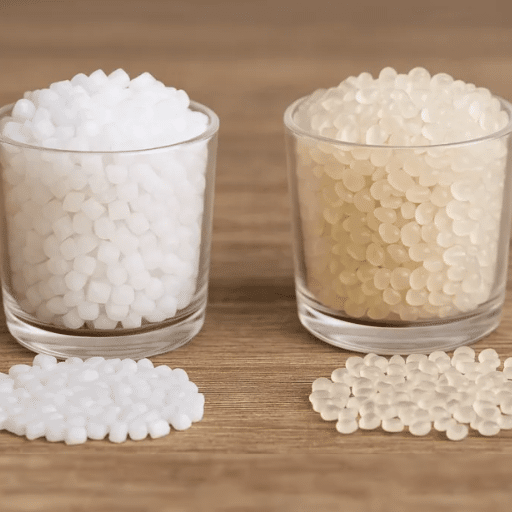
The factory floor rarely lets you choose just one polymer. By the time a sourcing manager finishes specifying polyamide for the gear train, the design team has already locked in polyester for the electrical housing. That is the reality of modern manufacturing: polyester and polyamide often share the same bill of materials, the same warehouse, and the same production schedule. Treating them as separate sourcing problems creates hidden costs most procurement teams never see.
Maria Santos, a senior buyer at a São Paulo automotive components plant, learned this in 2024. She managed polyamide pellets through one distributor and polyester pellets through another. Each supplier demanded its own minimum order quantity, its own freight schedule, and its own quality documentation.
When a line shutdown threatened her PA66 delivery, she had no leverage with the PET supplier to expedite material. Her team spent 38 hours in emergency meetings, paid air freight premiums of $14,000, and still missed a customer commitment. The material itself was fine. The fragmented supply chain was the failure point.
You do not have to run your operation that way. This guide shows how to manage polyester and polyamide as a single material program. You will learn why manufacturers need both families, how to source them from one partner, how to store and dry them side-by-side, and how to design products that use each polymer where it performs best.
What Are Polyester and Polyamide?

Before you can coordinate sourcing, you need to know what you are buying.
Polyamide (PA) is the chemistry family most manufacturers call nylon. The workhorse grades are PA6 and PA66. Both are built from repeating amide linkages (-CONH-) that create strong hydrogen bonding between polymer chains.
That bonding gives polyamide its famous toughness, abrasion resistance, and load-bearing capacity. It also makes PA hygroscopic, which means it absorbs moisture from the air and must be dried before processing.
Polyester in industrial pellet form usually means PET (polyethylene terephthalate) or PBT (polybutylene terephthalate). These polymers link through ester groups (-COO-). They are hydrophobic, dimensionally stable, and resistant to many chemicals. PET dominates packaging and fiber markets, but engineering-grade PET and PBT pellets are essential for electrical housings, connectors, precision parts, and automotive components.
| Property | Polyamide (PA) | Polyester (PET/PBT) |
|---|---|---|
| Chemical linkage | Amide (-CONH-) | Ester (-COO-) |
| Moisture absorption | 2.5 to 3.5% | Less than 0.5% |
| Tensile strength | Higher (e.g., PA66 ~82 MPa) | Lower (e.g., PET ~55 MPa) |
| Dimensional stability | Lower; affected by humidity | Higher; low shrinkage |
| Heat resistance | Up to 150°C continuous | Up to 120°C continuous |
| Best used for | Toughness, wear, load-bearing | Stability, insulation, chemical resistance |
Both polymer families are thermoplastics. Both can be injection molded, extruded, and blow molded. Both accept glass fiber, flame retardants, UV stabilizers, and other additives. Yet their processing behaviors differ enough that a unified strategy pays real dividends. For a deeper technical comparison of the two families, see our polyamide vs polyester guide.
Why Manufacturers Often Need Both Polyester and Polyamide
No single polymer wins every battle. Smart product design assigns each material to the job it does best.
Polyamide excels where parts see mechanical stress, abrasion, or heat. Gears, bearings, under-hood clips, structural brackets, and wear pads favor PA6 or PA66. The polymer’s toughness absorbs impact without cracking, and its low coefficient of friction against metal makes it ideal for moving parts.
Polyester dominates where dimensional stability, electrical insulation, or chemical resistance matters. Connector housings, relay bodies, sensor enclosures, and optical components favor PET or PBT. The material holds tight tolerances across humidity swings and resists the oils, solvents, and automotive fluids that can stress polyamide over time.
Many finished products combine both. A power tool might use PA66 GF30 for the gear housing and PBT for the motor end cap. An automotive module might use glass-filled PA66 for mounting brackets and PET for the connector body. The result is a bill of materials that naturally spans both polymer families.
This overlap creates an opportunity. A manufacturer buying both materials can consolidate volumes, align quality systems, and simplify logistics. But only if the supplier truly understands both families. Suzhou Yifuhui stocks PA6, PA66, PET, and PBT grades so procurement teams can cover multiple BOM lines from one source. Browse our polyamide and polyester pellet grades to see available specifications.
Co-Sourcing Polyester and Polyamide: Procurement Benefits
Sourcing polyester and polyamide from one supplier is not just administrative convenience. It changes the economics of the entire material program.
One Relationship, One Contract
Managing two distributors means two credit checks, two contract negotiations, two performance reviews, and two sets of payment terms. Consolidation cuts the administrative load and gives your team one accountable partner. When something goes wrong, you have one throat to choke. If you are still evaluating partners, our walkthrough on how to choose a polyester and polyamide supplier breaks down the criteria that matter most before you sign a single contract.
Freight and Inventory Consolidation
Combining PA and PET shipments into one container reduces per-kilogram freight costs. It also cuts the number of inbound trucks, customs entries, and receiving inspections. For manufacturers importing from Asia, the savings add up quickly. A single consolidated sea shipment is almost always cheaper than two smaller bookings.
Volume Leverage
Even if your PA volume is modest and your PET volume is large, a single supplier can apply total spend to pricing negotiations. You gain access to tiered pricing, priority production slots, and flexible minimum order quantities that neither material alone might qualify for.
Unified Quality Standards
Different suppliers use different test methods, certificate formats, and acceptance criteria. A single supplier can standardize COA documentation, inspection protocols, and batch traceability across both resin families. That consistency reduces incoming QC workload and simplifies audits.
Faster Technical Support
When a material issue appears, the last thing you want is two suppliers blaming each other. One technical support team that understands both PA and PET can diagnose problems faster. Suzhou Yifuhui provides 24-hour response times through LiveChat, email, and WhatsApp for all engineering resin inquiries. Want to simplify your multi-resin procurement? Request a custom quote and consolidate your polyester and polyamide sourcing today.
Shared Storage, Drying & Handling Considerations

Putting polyamide and polyester in the same warehouse is easy. Keeping them both process-ready is the challenge.
Moisture: The Critical Difference
Polyamide is hygroscopic. PA66 can reach 2.5% moisture content within 48 hours in typical ambient conditions. PA6 absorbs even more. At processing temperatures above 260°C, that moisture hydrolyzes polymer chains and produces defective parts. PET, by contrast, absorbs less than 0.5% moisture. It is far more forgiving.
This difference drives every handling decision. Polyamide needs sealed containers, controlled humidity storage, and pre-drying before processing. PET can often move directly from warehouse to hopper with only minimal drying. For a deeper dive into PA drying requirements, read our guide on how humidity affects nylon pellets.
Recommended Storage Conditions
Store polyamide pellets in sealed super sacks or lined gaylord boxes. Keep relative humidity below 50% and temperature below 30°C. Use desiccant dryers or climate-controlled silos for long-term storage. PET pellets are less demanding but still benefit from clean, dry storage away from direct contamination. If you want a step-by-step reference for keeping both resins process-ready, our complete guide to storing polyester and polyamide pellets covers warehouse layout, humidity control, and shelf-life planning in detail.
Segregation Best Practices
Never store PA and PET in open bins side-by-side where cross-contamination can occur. A few PET pellets in a PA lot will not ruin the batch, but the reverse can affect crystallization and clarity in PET. Use color-coded containers, clear labeling, and dedicated conveying lines where possible.
Drying Schedules
A typical PA66 drying cycle runs 4 to 6 hours at 80°C with a dew point of -40°C or lower. PET dries faster, usually 1 to 2 hours at 120 to 140°C. If you run both materials on shared drying equipment, schedule PA lots first and purge the system before switching to PET. Document every changeover to maintain traceability.
At a German appliance manufacturer in 2023, production manager Klaus Weber thought he could skip the purge step between PA66 and PET runs. A small amount of residual PA contaminated a PET batch used for transparent oven door handles. The contamination created haze and weak spots that failed visual inspection. The rejected lot cost €22,000 in scrap and delayed a product launch by ten days. The fix was simple: a documented purge protocol and dedicated dryer assignment. Since then, his plant has run both materials with zero cross-contamination events.
Dual-Material Design & Hybrid Applications
Some products do not just use PA and PET in different parts. They combine the two materials in ways that create performance neither family delivers alone.
Multi-Shot and Overmolding
A rigid PBT substrate can provide dimensional stability. A soft PA-based elastomer overmold can provide grip or sealing. Multi-shot molding bonds the materials mechanically or chemically depending on grade selection. The key is matching thermal expansion, shrinkage, and processing temperatures so the interface does not crack during thermal cycling. For engineers ready to detail these parts, our polyamide polyester combination design guide walks through interface design, grade pairing, and testing for dual-material components.
Poly(ester-amide) Copolymers
For applications needing both toughness and stability in a single resin, poly(ester-amide) copolymers and TPE-A (thermoplastic polyamide elastomers) bridge the gap. These materials contain both ester and amide linkages in the polymer chain. If you are sourcing these advanced resins, our polyester polyamide copolymer guide explains how to specify grades and evaluate suppliers for copolymer projects.
They behave like high-performance thermoplastic elastomers with better chemical and temperature resistance than conventional TPE-E grades. Common applications include cable jacketing, flexible hoses, sports equipment, and aerospace components.
Hybrid Textile and Industrial Yarns
Outside injection molding, manufacturers sometimes combine polyester and polyamide fibers in the same product. A rope with a polyamide core and polyester sheath balances strength, elasticity, and UV resistance. Similar hybrid approaches appear in conveyor belts, filtration media, and technical textiles.
For designers, the lesson is simple: stop asking which polymer is better. Start asking which combination solves the problem.
Industry Applications Using Both Materials
Three industries illustrate how polyester and polyamide work together in practice.
Automotive Manufacturing
Modern vehicles use dozens of polymer grades. Under the hood, PA66 dominates because it handles heat, oil, and mechanical loads. Engine covers, cable ties, bushings, and structural clips are typically PA-based.
Inside the cabin and on the exterior, PET and PBT appear in trim clips, sensor housings, and electrical connectors where dimensional stability matters.
OEMs increasingly specify both materials in the same module. A lighting assembly might use PA66 for the mounting bracket and PBT for the reflector housing. Sourcing both from one supplier simplifies program management and reduces qualification overhead. For a focused look at automotive selection, see our polyamide vs polyester automotive comparison. You can also explore our dedicated multi-resin sourcing guide on polyester and polyamide in automotive manufacturing for program-level buying strategies.
Electronics and Electrical Housings
Electronics manufacturers need flame retardancy, dimensional stability, and tight tolerances. Flame-retardant PBT and PET grades meet UL94 V-0 requirements for connectors, relay housings, and charger enclosures. PA66 adds toughness for snap-fit features, strain reliefs, and internal brackets.
Miniaturization makes material choice even more critical. Smaller connectors demand lower shrinkage and consistent flow. PET and PBT deliver that predictability. PA provides the mechanical durability needed for insertion forces and drop resistance. To match specific grades to your circuit and enclosure needs, our polyester and polyamide electronics sourcing guide covers flame-retardant options and compliance requirements in depth.
Consumer Goods and Appliances
Power tools, kitchen appliances, and outdoor equipment often mix materials to balance cost and performance. A premium drill might use PA66 GF30 for the gearbox and PBT for the switch housing. A coffee machine might use PA6 for moving parts and PET for the water reservoir frame. The combination lets designers hit cost targets without sacrificing durability in high-stress areas.
Sustainability: Recycled Polyester and Recycled Polyamide Together

Sustainability programs rarely stop at one material. Brands setting recycled-content targets need rPET and rPA strategies that work in parallel.
The Business Case
Using recycled resin reduces Scope 3 emissions and responds to customer and regulator pressure. But running two separate recycled-material programs doubles the complexity.
A single supplier that offers both rPET and rPA can coordinate certifications, lot traceability, and quality documentation under one system. For a practical sourcing roadmap, our guide to recycled polyester and polyamide pellets details feedstock sources, quality checks, and certification packages for both materials.
rPET Considerations
Recycled polyester has a mature global supply chain. Bottle flake, industrial scrap, and post-consumer sources are widely available. Quality depends heavily on sorting purity and intrinsic viscosity (IV) preservation. rPET for blow molding or sheet applications needs higher IV than rPET for fiber or strapping.
rPA Considerations
Recycled polyamide is less standardized than rPET. Sources include fishing nets, carpet fiber, and industrial scrap. Each feedstock brings different contamination profiles and property variations. Buyers should require detailed COAs and verify that rPA grades meet application-specific mechanical requirements.
Certifications to Request
For both materials, ask for Global Recycled Standard (GRS) certification, OEKO-TEX or equivalent safety documentation, and food-contact compliance where applicable. A unified supplier can deliver consistent certification packages across resin families. Learn more in our comparison of recycled polyamide vs recycled polyester.
Cost & Supply Chain Strategy for Multi-Resin Buyers
Price per kilogram is only one line on the total cost spreadsheet.
Total Cost of Ownership
When you source polyester and polyamide separately, you pay for duplicate procurement cycles, separate freight bookings, extra inventory buffers, and redundant QC processes. Consolidated sourcing converts those scattered costs into savings even if the per-kg resin price stays the same.
Inventory Pooling
A single supplier can hold safety stock for multiple grades and release material on demand. That reduces the working capital tied up in raw materials and lowers the risk of obsolescence when demand shifts between products.
Hedging Price Volatility
PA66 pricing tracks benzene and adipic acid feedstock costs. PET pricing tracks paraxylene and PTA. These feedstocks do not move in lockstep. A dual-resin contract can include pricing mechanisms that smooth volatility across both markets.
When Split Sourcing Still Makes Sense
Consolidation is not always the right answer. If one material represents 95% of your spend and the other is experimental, a specialized supplier for the niche grade may make sense. If your facility requires a proprietary grade that only one compounder produces, splitting is unavoidable. The goal is conscious sourcing, not blind consolidation.
For a direct price comparison between the two families, read our polyamide vs polyester cost analysis. For current numbers and negotiation benchmarks, our 2026 polyester and polyamide cost and pricing guide breaks down feedstock trends and what to expect at the contract table.
Quality Control When Receiving Both Resins
A unified incoming inspection workflow saves time without sacrificing rigor. If you want to build that workflow from the ground up, our polyester and polyamide quality control guide shows how to keep pellet performance consistent across every batch.
Essential Tests for Polyamide Pellets
- Moisture content: Must be below 0.2% before processing. Use Karl Fischer titration or calibrated moisture analyzers.
- Melt flow index (MFI): Confirms grade identity and batch consistency.
- Visual contamination check: Looks for foreign pellets, dust, or discoloration.
Essential Tests for Polyester Pellets
- Intrinsic viscosity (IV): Critical for PET; indicates molecular weight and processing behavior.
- Moisture content: Should be below 0.02% for bottle-grade PET; slightly higher tolerances may apply for fiber grades.
- Color and acetaldehyde: Important for food-contact and bottle applications.
Documentation to Require
Every shipment should include a Certificate of Analysis (COA), Technical Data Sheet (TDS), and Safety Data Sheet (SDS/MSDS). Standardize the format with your supplier so incoming inspectors can review both resin families using the same checklist.
Creating a Unified Workflow
Build one receiving protocol with resin-specific test steps. Train inspectors on both PA and PET requirements. Use a shared database to track lot numbers, test results, and supplier performance. Over time, the data will reveal which grades and suppliers deliver the most consistent quality.
Need help setting up a multi-resin QC workflow? Talk to our polymer experts for guidance on COA requirements and incoming inspection protocols.
Market Trends Affecting Both Polymer Families
Several forces are reshaping the polyester and polyamide landscape in 2026. For a fuller briefing on where the market is heading, our polyester and polyamide market trends 2026 report unpacks what procurement managers need to plan for this year.
Automotive Electrification
Electric vehicles use different polymers than internal combustion engines. Battery housings, thermal management systems, and high-voltage connectors favor materials with flame retardancy, electrical isolation, and thermal stability.
Both PA and PET suppliers are developing grades specifically for EV platforms.
Bio-Based Alternatives
Bio-based polyamides and bio-based PET are moving from niche to mainstream. PA11 and PA1010 derived from castor oil offer lower carbon footprints than fossil-based PA66. Bio-PET from ethanol feedstocks is gaining traction in packaging and may eventually influence industrial grades.
Regional Supply Shifts
Asian producers continue to expand capacity for both PA and PET. European and North American buyers are diversifying supply chains to reduce geopolitical risk. A supplier with global logistics capabilities can help buyers navigate these shifts without disruption.
Recycling Infrastructure Growth
Mechanical recycling for PET is mature. Chemical recycling for both PET and PA is scaling up. Manufacturers who establish recycled-content programs now will have a sourcing advantage as regulations tighten and customer expectations rise.
Frequently Asked Questions

Can you mix polyamide and polyester?
You cannot simply blend virgin PA and PET pellets in one part and expect good properties. The two polymers are immiscible in most ratios. However, you can use compatibilized blends, poly(ester-amide) copolymers, or design parts with separate PA and PET components joined mechanically or by overmolding.
Are polyamide and polyester both thermoplastics?
Yes. Both are thermoplastic polymers, meaning they soften when heated and solidify when cooled. Both can be reprocessed, though recycled grades require careful quality control to maintain performance.
What is a polyamide polyester blend?
A true polyamide-polyester blend is rare without compatibilizers because the two polymers separate into distinct phases. Commercial hybrid materials such as TPE-A and certain polyesteramide copolymers combine ester and amide chemistry at the molecular level to create unified performance.
Can polyamide and polyester be recycled together?
No. They must be separated before recycling because their chemical structures, melting points, and processing requirements differ. Mixed recycling streams contaminate both materials and reduce recovered quality.
Do polyamide and polyester need different drying?
Yes. Polyamide requires aggressive drying to below 0.2% moisture, typically 4 to 6 hours at 80°C. Polyester needs less drying, often 1 to 2 hours at 120 to 140°C. Always verify dryer settings against the supplier’s processing guide for each grade.
Which is better for automotive, polyamide or polyester?
It depends on the application. Polyamide wins for under-hood heat and mechanical loads. Polyester wins for dimensional stability, electrical insulation, and tight-tolerance housings. Most vehicles use both.
What is the difference between polyamide polyester fabric and plastic?
The same chemistry names apply to both fibers and engineering plastics. Polyamide fabric is usually nylon 6 or nylon 6,6 spun into fibers. Polyester fabric is usually PET fiber. In plastic pellets, the same polymers are used for molding and extrusion, but grades are optimized for melt processing rather than spinning.
Conclusion
Managing polyester and polyamide as one program is not a nice-to-have for large manufacturers. It is a practical way to cut hidden costs, reduce supply chain risk, and simplify quality control. The key is shifting from a “which polymer wins” mindset to a “where does each polymer belong” mindset.
Here are the five takeaways to act on:
- Most products need both polyamide and polyester, so plan sourcing together from the start.
- Consolidating suppliers cuts freight, admin, and QC costs beyond the price-per-kilogram line.
- Storage and drying protocols must respect PA’s moisture sensitivity while taking advantage of PET’s forgiving nature.
- Dual-material design and copolymers can deliver performance neither polymer achieves alone.
- A unified quality workflow with standardized COAs, TDSs, and test protocols saves inspection time and improves traceability.
If your current setup treats polyamide and polyester as separate islands, now is the time to unify them. Contact Suzhou Yifuhui today to request a custom multi-resin quote. Our team will help you consolidate your polyester and polyamide sourcing, standardize your quality documentation, and keep your production lines running without interruption.