At 50% relative humidity, dried PET pellets can reabsorb enough moisture to trigger hydrolytic degradation in under 15 minutes. In the same warehouse, a bag of PA66 nylon may sit for hours before it reaches a similarly dangerous moisture level. Yet both defects produce the same result: splay marks, weak parts, rejected shipments, and lost production time.
If your plant stores both polyester and polyamide, you already know the challenge. These two resin families dominate automotive, electronics, and consumer-goods manufacturing. They also demand very different respect for water. Storing polyester and polyamide pellets correctly is not just a warehouse detail. It is a direct line to consistent part quality and predictable machine uptime.
This guide explains how to store polyester and polyamide pellets side-by-side without cross-contamination or moisture damage. You will get practical climate targets, side-by-side drying parameters, receiving checklists, and supplier-packaging standards you can enforce from day one.
Need help selecting the right packaging and drying setup for your next multi-resin order? Contact our polymer experts for a fast, technical consultation.
Why Storing Polyester and Polyamide Pellets Requires Different Strategies

Polyamide and polyester are both high-performance thermoplastics. Their molecular structures, however, respond to moisture in opposite ways. Understanding that difference is the first step to building a storage plan that protects both investments. If you want a broader look at how these two families behave across sourcing and processing, our Polyester and Polyamide in Manufacturing: A Complete Guide to Sourcing & Using Both Thermoplastic Families covers the full picture. And if your production runs actually combine the two resins in a single component, it helps to understand how they interact by design. Our Polyamide Polyester Combination: A Design-Engineering Guide to Dual-Material Parts explains why their opposite moisture behavior matters just as much in the mold as it does on the storage rack.
The Hygroscopic Difference in Polyamide Pellet Storage
Polyamide, commonly called nylon, is hygroscopic. The amide groups in PA6 and PA66 form hydrogen bonds with water molecules. Under standard indoor conditions of 23°C and 50% relative humidity, unreinforced PA6 can absorb 2.5–3.5% moisture by weight. PA66 absorbs less, roughly 0.8–2.5%, but that is still enough to change how it processes and performs.
Polyester, which includes PET, PBT, and PETG, behaves differently. PET absorbs only about 0.4% under ambient conditions. That number sounds small, but it is catastrophic during melt processing. When polyester is heated above 250°C, trace moisture hydrolyzes the polymer chains. The material loses intrinsic viscosity, turns brittle, and produces surface defects.
So the storage goal for polyamide is to slow absorption. The storage goal for polyester is to prevent any re-absorption after drying. Those two goals require different handling rhythms in the same facility.
What Happens When Each Family Gets Wet
When polyamide pellets contain too much moisture, the water turns to steam inside the barrel. The resulting hydrolysis shortens molecular chains permanently. Parts show splay, silver streaks, blistering, and reduced toughness. Dimensional stability suffers, and load-bearing applications become risky.
For polyester, the damage is often less visible at first. A small IV drop changes melt viscosity and mold filling. Bottle-grade PET hazes. PBT connectors lose impact strength. In critical applications, the failure appears weeks later during end-use testing or field installation.
Last year, a mid-sized automotive supplier in Eastern Europe stored glass-filled PA66 and PBT pellets in the same unconditioned corner of their warehouse. The PA66 absorbed ambient moisture over a humid July weekend. The PBT, already dried, sat in an open drum and reabsorbed water overnight. Monday’s molding run produced warped clips and brittle connectors. The plant lost three shifts sorting scrap before they traced the problem back to storage, not the machines.
Recommended Storage Conditions for Storing Polyester and Polyamide Pellets
A shared climate-controlled space can serve both resin families. The key is to keep temperature stable, humidity low, and exposure time short. The table below summarizes the targets that procurement and plant managers should share with their warehouse teams.
| Parameter | Polyamide Pellets (PA6/PA66/PA12) | Polyester Pellets (PET/PBT/PETG) |
|---|---|---|
| Temperature | 15–25°C, maximum 30–40°C | 15–25°C, maximum 30–35°C |
| Relative humidity | <50% RH, ideally <40% | <50% RH, ideally <40% |
| Shelf life (sealed) | 12–24 months | 12–24 months |
| Open-bag exposure | Use within 48 hours or re-dry | Minimize; re-dry before use |
| Target moisture before molding | <0.2%, ≤0.05% for critical parts | <0.02% PET, <0.03% PBT |
| Re-drying temperature | 80–90°C | PET 150–180°C, PBT 110–150°C |
| Re-drying time | 4–8 hours | PET 4–6 hours, PBT 3–6 hours |
| Dryer dew point | -30°C or lower | -40°C or lower |
These numbers come from resin suppliers and industry guidelines, including general plastic resin storage recommendations and dedicated PA66 storage-condition guidance. Always confirm the exact range on the technical data sheet for your specific grade, because glass-filled, flame-retardant, and recycled variants can shift the targets.
Best Practices for Polyamide Pellet Storage
Polyamide storage is a race against time once the bag is open. The following practices keep nylon pellets within a processable moisture window.
Keep Original Packaging Sealed
Moisture-barrier bags, sealed drums, and silos with dry-air blankets are your first defense for polyamide pellet storage. Do not transfer polyamide into generic polyethylene sacks or open bins. If a bag is partially used, reseal it immediately with tape or a heat sealer. Add desiccant pouches inside partly opened containers, and date the bag so operators know how long it has been exposed.
Some plants use a simple rule: if the bag has been open longer than two hours in ambient air above 50% RH, re-dry before use. That rule costs a little dryer time but prevents much more expensive scrap.
Control Warehouse Climate
Install dehumidifiers in regions with seasonal humidity. Avoid storing pellets near loading docks, windows, or water sources where temperature swings cause condensation. Insulated silos reduce diurnal temperature exchange and the condensation that follows.
Monitor temperature and relative humidity with wall-mounted or IoT sensors. Set alerts when RH climbs above 50%. A small investment in monitoring pays for itself the first time it prevents a wet batch from reaching the hopper.
Re-Drying Protocol
For PA66, dry at 80–90°C for 4–6 hours. Extend to 8–12 hours if the material has been exposed to high humidity or has exceeded its recommended shelf life. PA6, which absorbs more aggressively, often needs 80–90°C for 4–8 hours. Specialty nylons such as PA12 may need less time, while high-performance grades may need stricter dew-point control.
Verify moisture content with a moisture analyzer before processing. Do not rely on drying time alone. Pellet size, packing density, and initial moisture all affect the actual result.
Best Practices for Storing Polyester Pellets

Polyester storage is less about long-term absorption and more about preventing rapid re-absorption after drying. Treat dried polyester like a perishable material.
Protect Intrinsic Viscosity and Prevent Re-Absorption
PET’s biggest enemy is not months in a sealed bag. It is the minutes between dryer and hopper. At 50% RH and room temperature, dried PET can climb from 0.01% moisture back above the 0.02% processing limit in roughly 15 minutes. Within an hour, it can reach 0.03%.
That means dried polyester should move under dry-air conveying directly into a sealed hopper. Open bins and long bucket-brigade transfers are risky. If pellets must wait, keep them in a hopper with a desiccant air blanket. This single discipline matters more than any other polyester pellet storage humidity control.
Drying Before Processing
Polyester should be dried immediately before use. For bottle-grade PET, use a desiccant dryer at 150–180°C for 4–6 hours with a dew point of -40°C or lower. Clear bottle grades may require moisture below 0.005%, or 50 ppm, to prevent haze and acetaldehyde buildup.
PBT is slightly more forgiving but still demands respect. Typical drying runs 110–150°C for 3–6 hours, targeting moisture below 0.03%. The MOCOM PET+PBT injection molding guide provides grade-specific schedules that are worth bookmarking.
Avoid Over-Drying
Over-drying is the hidden risk that many plants overlook. Excessive time or temperature reduces intrinsic viscosity, causing yellowing and brittleness. PET is especially sensitive. Follow the supplier’s technical data sheet precisely, and use dew-point and time controls rather than guesswork.
Shared Warehouse Strategy for Storing Polyester and Polyamide Pellets Together
You do not need two warehouses to store polyester and polyamide safely. You need one well-controlled space with disciplined segregation and handling.
Climate-Controlled Common Environment
Set a single target of 15–25°C and below 50% RH for the entire resin storage area. That range satisfies both families and keeps the discussion simple for facilities teams. If your region experiences monsoon seasons or humid summers, size your dehumidification for the worst-case ambient load.
Segregation and Contamination Prevention
Assign separate bays, racks, or silos for polyamide and polyester. Use color-coded labels and dedicated scoops, drums, and transfer hoses. Cross-contamination between PA and PET is not just a cleanliness issue. A few stray nylon pellets in a PET preform run can create visual defects and weak spots.
Maria, a plant manager at an electronics connector facility in Mexico, painted the floor green for polyamide and blue for polyester. She also assigned separate vacuum loaders. Her incoming defect rate dropped by 60% in the first quarter because operators could no longer accidentally mix materials during rush jobs.
FIFO and Traceability
First-in, first-out rotation prevents old stock from quietly absorbing moisture while newer bags get used. Label every pallet with the receiving date, batch number, and required drying status. Record warehouse temperature and RH at receipt. If a batch arrives during a humid week, flag it for moisture verification before use.
Packaging, Shipping, and Receiving Considerations

Storage quality starts before pellets reach your warehouse. The packaging and shipping choices your supplier makes have a direct impact on what you receive.
Supplier Packaging Standards
Demand multi-layer moisture-barrier bags with a sealed inner liner. Kraft paper or simple woven sacks are not adequate for hygroscopic plastic pellets storage. For bulk orders, sealed drums or silos with dry-air protection are preferable to open-top containers. Desiccant pouches inside master cartons add an extra safety margin during long transits.
Receiving Inspection Checklist
When a shipment arrives, inspect it before signing off:
- Check every bag or drum for punctures, tears, or water stains.
- Confirm the heat seals are intact.
- Verify the certificate of analysis includes moisture data.
- Record the receiving date and warehouse conditions.
- Reject any pallet that shows condensation or exposure to rain.
If moisture certificates are missing, request them before the material moves into production. A supplier that cannot document moisture status is a supplier that cannot guarantee processability.
Global Shipping Risks
Ocean freight from Asia to Europe or North America can take 4–8 weeks. During that time, containers pass through tropical ports, monsoon rains, and wide temperature swings. Without proper packaging, pellets can arrive pre-conditioned by humidity.
Ask your supplier about vapor-barrier pallet wrapping and desiccant loading for sea shipments. If you are buying in smaller lots, air freight reduces exposure time. The right logistics choice depends on volume, lead time, and the humidity profile of the route.
Looking for a supplier that ships PA and polyester pellets in moisture-protective packaging? Request a custom multi-resin quote and review our packaging standards with your logistics team.
When to Re-Dry and How to Verify Moisture
Drying is not only a pre-processing step. It is also a recovery step for material that has been stored incorrectly or exposed too long.
Re-Dry Triggers
Re-dry polyamide or polyester when any of the following conditions apply:
- The original moisture barrier has been open for more than two hours above 50% RH.
- The material exceeded its recommended shelf life.
- The warehouse experienced condensation, leaks, or high-humidity events.
- The moisture analyzer reads above the supplier’s processing limit.
- The shipment arrived with damaged packaging or missing certificates.
When in doubt, re-dry. The cost of dryer time is almost always lower than the cost of scrap, rework, and customer complaints.
Moisture Measurement Methods
Karl Fischer titration is the most accurate method for measuring water content in polymer pellets. It works well for both polyamide and polyester. Gravimetric loss-on-drying is faster and suitable for routine checks. Inline capacitive sensors give continuous readings at the dryer outlet.
For critical applications, cross-check the inline sensor with Karl Fischer once per shift. Sensors drift over time, and a single bad reading can send wet material into a million-dollar mold. Moisture verification is only one piece of a wider process discipline, so if you want to build repeatable checks across every batch, our Polyester and Polyamide Quality Control: A Manufacturer’s Guide to Consistent Pellet Performance shows how to turn these spot checks into a documented, plant-wide standard.
Choosing a Supplier That Protects Pellet Quality From Warehouse to Hopper
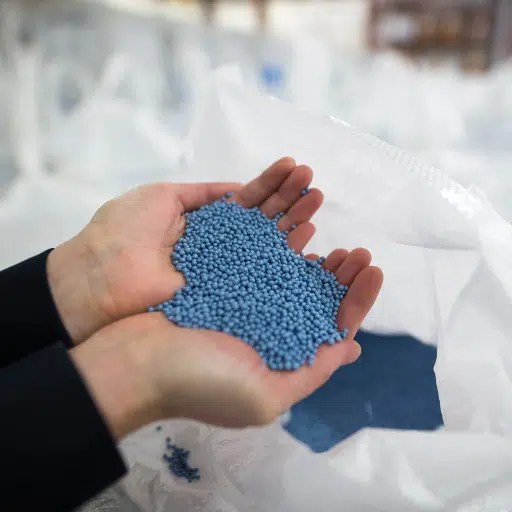
Your storage practices matter, but they cannot fix pellets that arrive already compromised. The right supplier treats packaging and documentation as part of the product. If you are weighing your options, our guide on How to Choose a Polyester and Polyamide Supplier walks you through the criteria that matter most.
What to Demand
Before placing a multi-resin order, confirm these points with your supplier:
- Multi-layer, heat-sealed moisture-barrier packaging as standard.
- Certificate of analysis that includes moisture content and intrinsic viscosity where relevant.
- Batch traceability and clear manufacturing dates.
- Technical data sheets with storage and drying parameters.
- Responsive support for storage and processing questions.
A supplier that views these as extras is a supplier that does not understand hygroscopic resins.
Suzhou Yifuhui’s Advantage
At Suzhou Yifuhui New Material Co., Ltd., we supply premium PA66, PA6, PET, and PBT pellets engineered for demanding applications. Every batch is packed to survive global transit, with documentation that helps your warehouse and quality teams verify condition on arrival. Our technical support team responds within 24 hours to questions about drying, storage, and material selection.
We combine a comprehensive polymer portfolio with competitive, transparent pricing and reliable global shipping. Whether you need one grade or a multi-resin program, we help you keep production lines moving without the moisture surprises.
A medical-device molder in Germany recently switched to Yifuhui for both PA66 and PBT components. Their incoming inspection team reported that every pallet arrived with intact seals, readable batch labels, and matching certificates. Within two production cycles, their pre-use moisture rejection rate fell to zero, and they reduced dryer setup time by standardizing on one supplier’s packaging format.
Conclusion
Storing polyester and polyamide pellets correctly comes down to a few non-negotiable habits. Keep both families in a climate-controlled space below 50% RH. Seal polyamide bags immediately and re-dry if exposure time climbs. Dry polyester just before processing and protect it from re-absorption during transfer. Segregate materials, rotate stock FIFO, and verify moisture before the pellets reach the machine.
The best storage strategy starts with a supplier that respects these rules before the shipment leaves the factory. Packaging, certificates, and technical support are not administrative details. They are quality controls that protect your production schedule.
If you are sourcing polyester and polyamide pellets for your next project, request a custom quote from Suzhou Yifuhui today. Our polymer specialists will recommend the right grades, packaging, and drying guidance for your specific application.