Chen Wei, a procurement manager at a Jiangsu-based industrial parts manufacturer, placed a 500 kg order for “UHMWPE pellets” last March. His plant ran compression molding lines. He assumed pellets would feed more cleanly than powder.
Three weeks later, the shipment arrived. The modified pellets refused to sinter properly in the compression molds. Cycle times doubled. Porosity spiked. Chen had to rush-order UHMWPE powder at premium air-freight rates to save a quarterly production target.
His mistake was simple, and it is more common than most buyers admit. UHMWPE powder vs pellets is not a trivial form-factor choice. It is a process-compatibility decision that can make or break your production line.
You already know that ultra-high molecular weight polyethylene delivers exceptional wear resistance and impact strength. What you may not know is that the overwhelming majority of virgin UHMWPE is sold as powder, not pellets. Choose the wrong form, and you’ll face equipment jams, dust contamination, failed molding attempts, and wasted budgets.
This guide explains exactly how UHMWPE powder and pellets differ in density, processing compatibility, handling requirements, and cost. You’ll learn which form to specify for compression molding, ram extrusion, injection molding, and screw extrusion. You’ll also see a clear decision framework that prevents costly sourcing mistakes.
Need a quick grade recommendation before you read on? Contact our polymer specialists for a free 24-hour technical consultation on powder and pellet selection.
What Is UHMWPE Powder?
UHMWPE powder is the standard, unmodified form of ultra-high molecular weight polyethylene. It is a fine, free-flowing white powder produced directly from the polymerization process. The molecular weight ranges from 3 million to over 10 million g/mol, which is what gives the material its legendary abrasion resistance and toughness.
Why powder? The reason is simple. Standard UHMWPE has a melt viscosity of approximately 10^8 Pa·s. That is effectively zero melt flow index. Conventional equipment cannot process it. The material never truly melts. Powder is the “natural” output of the polymerization reactor because the material never truly becomes a liquid under normal processing conditions.
Bulk density is another critical factor. UHMWPE powder typically measures 0.20 to 0.45 g/cm^3, depending on the grade and whether the particles are agglomerated. Particle size ranges from roughly 50 to 300 microns for standard grades. Some agglomerated powders reach up to 1 mm in particle size, but they are still far finer than conventional thermoplastic pellets.
Common commercial grades sold as powder include Celanese GUR 4120, Braskem UTEC 5541 and 6541, and YUHWA U050 and U070. These grades are engineered for compression molding, ram extrusion, and sintering processes.
They are not injection-moldable. They are not screw-extrudable. They are, however, the highest-performance form of UHMWPE available in terms of pure molecular weight and wear resistance.
If you’re sourcing raw material for compression molding or ram extrusion, powder is almost certainly what your process demands. Forcing pellets into these processes usually creates more problems than it solves.
What Are UHMWPE Pellets?
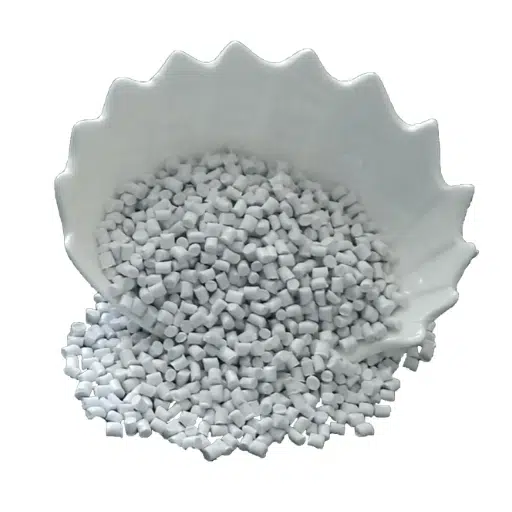
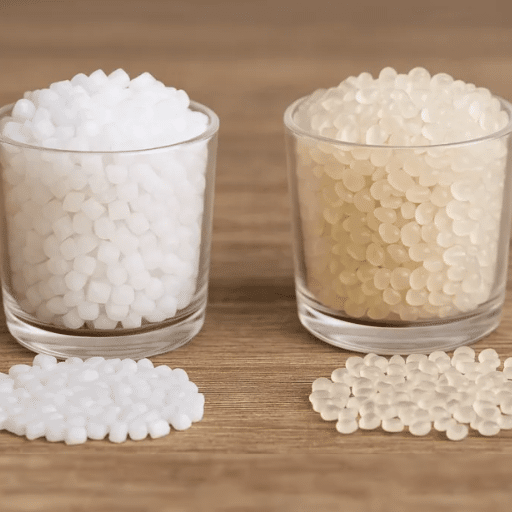
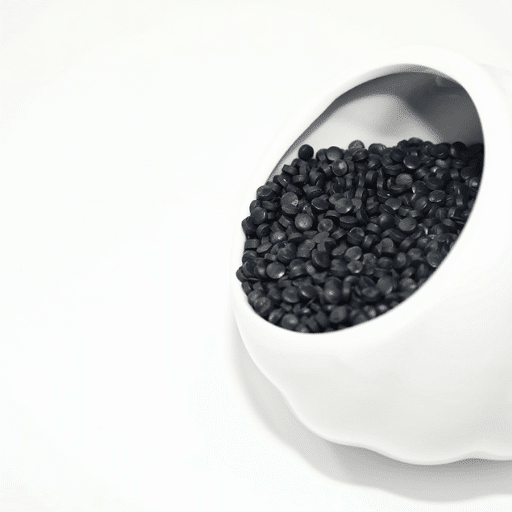
UHMWPE pellets are compounded or modified forms of the polymer that have been formed into cylindrical or spherical pellets suitable for conventional thermoplastic processing equipment. They are produced by blending UHMWPE with processing aids, binders, or HDPE carriers, then extruding and pelletizing under carefully controlled conditions.
Here is the critical distinction that many buyers miss. Pellets are not simply “compacted powder.” They are modified. That modification achieves measurable melt flow. It enables feeding through standard hoppers, conveying in screw extruders, and filling injection molds. The trade-off is real. Pelletized grades typically carry lower effective molecular weight or include binder content that pure powder grades do not contain.
Bulk density for UHMWPE pellets runs higher than powder, typically 0.50 to 0.65 g/cm^3. The pellets flow like standard HDPE or PP granules. They feed through gravity hoppers and vacuum loaders without specialized dust-containment equipment.
Common pellet grades include Celanese GUR 5113 and 5129, which are specifically engineered for injection molding and screw extrusion. Mitsui LUBMER L5000 and LY1040 are also pelletized grades designed for extrusion and limited injection molding. SoTech UST-3000 is a Chinese injection-molding grade that offers a cost-effective alternative to imported specialty pellets.
If your plant runs injection molding or standard screw extrusion, pellets are your only viable option. Standard UHMWPE powder simply won’t convey, melt, or flow in conventional screw-based equipment. For a deeper look at available pellet grades and pricing, see our complete buyer’s guide to UHMW plastic pellets.
UHMWPE Powder vs Pellets: Key Differences

The table below summarizes the most important differences between the two forms.
| Property | UHMWPE Powder | UHMWPE Pellets |
|---|---|---|
| Molecular weight | 3-10+ million g/mol | Lower or modified with binder |
| Bulk density | 0.20-0.45 g/cm^3 | 0.50-0.65 g/cm^3 |
| Melt flow index | Effectively zero | Measurable (modified grades) |
| Standard processes | Compression molding, ram extrusion, sintering | Injection molding, screw extrusion |
| Equipment compatibility | Specialized feeders required | Standard hoppers and loaders |
| Dust generation | High; containment required | Minimal |
| Handling | Requires PPE and dust control | Standard shop practices |
| Typical packaging | Lined drums or sealed PE bags | 25 kg bags or super sacks |
| Cost per kg (China FOB) | 1.40−1.40−1.80 | 1.60−1.60−4.00+ depending on grade |
| Scrap rate potential | Low in compatible processes | Lower in conventional equipment |
Powder offers the highest molecular weight and the lowest material cost per kilogram. It is the right choice when you need maximum wear resistance and your process can handle it. Pellets offer dust-free handling, standard equipment compatibility, and access to injection molding. They cost more per kilogram but can reduce total processing costs by eliminating dust-containment infrastructure and enabling faster cycle times on conventional equipment.
Mike Torres, a plant supervisor at a food-processing equipment manufacturer in Ohio, learned this lesson the hard way. His facility switched from HDPE to UHMWPE for conveyor wear strips in 2024. The procurement team ordered powder to save $0.30 per kilogram.
The savings vanished fast. Within two weeks, fine UHMWPE dust had coated the hopper area. It triggered an air-quality audit and forced a temporary production halt. Retrofitting dust containment cost $12,000. That erased the material savings for the entire year. Switching to pelletized LUBMER L5000 eliminated the problem entirely.
Not sure which property matters most for your line? Request a technical datasheet for both powder and pellet grades, and our team will walk you through the specs.
Processing Compatibility: Which Form Fits Your Equipment?
Your processing method is the single most important factor in choosing between powder and pellets. Here is how each form performs across common manufacturing processes.
Compression molding: Powder is the standard and preferred feedstock. The fine particles pack uniformly into the mold cavity, sinter effectively under heat and pressure, and produce consistent block densities. Pellets can be used in compression molding, but they require longer heat soak times and often produce internal voids or inconsistent fusion. If your process is compression molding, specify powder.
Ram extrusion: Powder only. Ram extrusion relies on the ability of fine particles to compact and fuse under reciprocating hydraulic pressure. Pellets do not feed correctly into ram hoppers. They do not compact uniformly in the die. They will jam the ram or produce porous, weak extrudates. This is a powder-only process.
Screw extrusion: Pellets only, and only modified grades. Standard UHMWPE powder will not convey in a standard extruder screw. It will bridge in the hopper, slip on the screw flights, and never achieve the pressure required for die flow. Modified pellet grades like GUR 5113 or LUBMER L5000 are required for any form of screw extrusion.
Injection molding: Pellets only. And only specialty grades. Standard UHMWPE powder cannot be injection molded. Period. The melt viscosity is too high. The material will not fill molds. Specialty pellet grades like Celanese GUR 5113, Mitsui LUBMER LY1040, and SoTech UST-3000 enable limited injection molding with high clamping force, cooled feed throats, and specialized screw designs. For a full breakdown of injection molding parameters, see our UHMW processing guide.
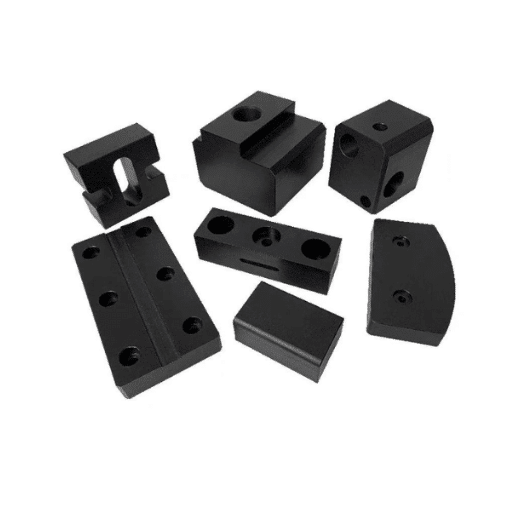
CNC machining: The starting form matters less here because machined parts are produced from stock shapes, blocks, or rods. Those stock shapes were themselves produced from powder via compression molding or ram extrusion. Your sourcing decision for machining should focus on stock shape quality and grade, not powder vs pellet form.
Handling, Safety, and Dust Containment
Powder handling introduces operational complexities that pellet handling does not. UHMWPE powder is a fine particulate that becomes airborne easily during pouring, weighing, and hopper loading.
Respiratory protection is essential. Workers handling UHMWPE powder should wear N95-rated respirators at minimum. For prolonged exposure or large-volume handling, NIOSH-approved respirators with particulate filters are recommended. While UHMWPE is chemically inert and non-toxic, inhalation of any fine dust can cause respiratory irritation.
Dust containment is not optional in regulated environments. Fine organic powders can create explosive atmospheres under certain conditions. If your facility operates under ATEX directives or OSHA combustible dust regulations, you must evaluate UHMWPE powder for explosion risk. Vacuum conveying systems with HEPA filtration, enclosed hoppers, and grounding straps are standard requirements.
Feeding equipment for powder differs significantly from pellet systems. Standard gravity hoppers work poorly with low-bulk-density powder. Vibratory tray feeders, screw augers with dust seals, or vacuum conveyors with inline filters are typically required. These systems add capital cost and maintenance overhead.
Pellets, by contrast, flow through standard hopper loaders and gravity feed systems with minimal dust generation. No special respiratory PPE is required beyond standard shop safety glasses and gloves. Spill cleanup is straightforward. Pellets roll and sweep easily, whereas powder creates a slippery film on floors that requires wet cleaning.
Planning a powder line and need dust containment guidance? Talk to our technical team about handling protocols and equipment recommendations for your facility.
Cost Comparison and Total Cost of Ownership

Material cost per kilogram is only part of the equation. Smart buyers evaluate total cost of ownership, which includes handling infrastructure, processing efficiency, scrap rates, and labor.
Standard virgin UHMWPE powder from China FOB sources typically costs $1.40 to $1.80 per kilogram. Standard pellet grades run $1.60 to $2.00 per kilogram. Specialty injection-molding or extrusion grades can reach $2.00 to $4.00 or more per kilogram.
At first glance, powder appears cheaper. It is not always the cheaper choice. The total cost picture often favors pellets for plants running conventional equipment. Consider these factors:
- Dust containment infrastructure: Powder handling may require vacuum conveyors, HEPA filtration, enclosed hoppers, and respiratory PPE programs. These can add thousands of dollars in upfront and ongoing costs.
- Feeding equipment: Standard pellet hoppers cost less than vibratory powder feeders or screw augers with dust seals.
- Processing scrap: Powder in compression molding produces minimal scrap when the process is dialed in. Pellets in injection molding can achieve near-net shapes with low waste. Using the wrong form for the process produces the highest scrap rates.
- Labor and cleanup: Pellet spills sweep up in minutes. Powder spills require vacuum extraction and wet cleaning, adding labor cost per shift.
- Cycle time: Pellets in compatible injection molding or extrusion processes typically cycle faster than powder in compression molding. The trade-off depends on part geometry and volume.
For high-volume injection molding operations, pellets usually win on total cost despite the higher per-kilogram price. For low-volume compression molding of large blocks or liners, powder remains the most economical choice.
Grade-to-Form Mapping: Know What You Are Buying
Not every grade is available in both forms. Knowing which commercial grades map to which forms prevents ordering mistakes.
| Grade | Manufacturer | Form | Recommended Process |
|---|---|---|---|
| GUR 4120 | Celanese | Powder | Compression molding, ram extrusion |
| GUR 5113 | Celanese | Pellets | Injection molding, screw extrusion |
| GUR 5129 | Celanese | Pellets | Injection molding |
| UTEC 5541 | Braskem | Powder | Compression molding, ram extrusion |
| UTEC 6541 | Braskem | Powder | Compression molding, ram extrusion |
| LUBMER L5000 | Mitsui | Pellets | Extrusion, limited injection molding |
| LUBMER LY1040 | Mitsui | Pellets | Injection molding, extrusion |
| U050 / U070 | YUHWA | Powder | Compression molding |
| UST-3000 | SoTech | Pellets | Injection molding |
When reviewing technical data sheets, pay close attention to melt flow index (MFI) or melt volume rate (MVR). Pure powder grades list effectively zero MFI. Injection-grade pellets will show measurable, though still low, MFI values. If a supplier offers “UHMWPE pellets” without disclosing modification or binder content, request the full technical datasheet. Some vendors label HDPE-UHMW blends as pure UHMW pellets, which can mislead buyers about true molecular weight and wear performance.
How to Choose: A Decision Framework for Buyers
The right form depends on your process, your equipment, and your tolerance for handling complexity. Use this framework to guide your decision.
Choose UHMWPE powder if:
- Your process is compression molding or ram extrusion.
- You need the highest possible molecular weight for extreme wear resistance.
- Your facility already has dust containment and powder-feeding infrastructure.
- You want the lowest material cost per kilogram.
- You are producing large blocks, sheets, rods, or liners.
Choose UHMWPE pellets if:
- Your process is injection molding or standard screw extrusion.
- You need dust-free handling for clean-room or food-contact environments.
- Your equipment uses standard thermoplastic hoppers and vacuum loaders.
- You are producing high volumes of small, complex parts.
- You lack powder-handling infrastructure and do not want to invest in it.
Consider blended or compounded pellets if:
- You need moderate wear resistance with improved processability.
- Cost is a primary driver and pure modified UHMW pellets exceed your budget.
- Your application can tolerate slightly lower molecular weight in exchange for easier processing.
The decision flow is straightforward. Start with your process. Match the process to the compatible form. Then select the specific grade within that form based on your application requirements, certification needs, and budget.
For a broader comparison of UHMW against other materials you might be considering, read our detailed UHMW vs HDPE analysis.
Frequently Asked Questions

What is the difference between UHMWPE powder and pellets?
Powder is the unmodified, high-molecular-weight form of UHMWPE produced directly from polymerization. It has effectively zero melt flow and is used for compression molding and ram extrusion. Pellets are compounded or modified forms with measurable melt flow, designed for injection molding and screw extrusion on conventional equipment.
Can UHMW powder be injection molded?
Standard UHMWPE powder cannot be injection molded. The melt viscosity is too high for conventional injection molding equipment. Only specialty pellet grades like Celanese GUR 5113 or Mitsui LUBMER can be injection molded, and even then they require modified screws, high clamping force, and cooled feed throats.
Why is UHMW sold as powder?
UHMWPE is sold as powder because its extremely high melt viscosity prevents conventional melt extrusion and pelletizing. The polymerization process naturally yields a fine powder, and attempting to force it through standard pelletizing equipment would fail.
Are UHMW pellets pure UHMW?
Most injection-moldable UHMW pellets are modified with processing aids, binders, or HDPE carriers to achieve melt flow. They are not pure unmodified UHMWPE in the same sense as powder grades. The modification is necessary for processability but typically reduces effective molecular weight.
Which is cheaper: UHMW powder or pellets?
Powder is generally cheaper per kilogram, typically $1.40 to $1.80 per kg versus $1.60 to $2.00 for standard pellets and $2.00 to $4.00 for specialty grades. However, pellets may offer lower total cost of ownership by eliminating dust containment costs and enabling faster processing on conventional equipment.
Is UHMW powder dangerous to handle?
UHMWPE powder is chemically inert and non-toxic, but the fine dust can irritate lungs and eyes. Respiratory PPE is required. Fine organic powders also carry combustible dust risks under certain conditions, so ATEX and OSHA evaluations may be necessary.
Do pellets have lower molecular weight than powder?
Often yes. Injection-moldable pellet grades are either lower-molecular-weight UHMWPE or compounded with binders that reduce the effective molecular weight of the finished part. For applications requiring maximum wear resistance, pure powder grades usually outperform pelletized alternatives.
Can I use UHMW pellets in standard HDPE extrusion lines?
Only modified pellet grades like GUR 5113 or LUBMER L5000 can run on standard extrusion lines, and even then parameter adjustments are required. Pure UHMW powder or unmodified pellets will not process in standard HDPE extrusion equipment.
Conclusion
UHMWPE powder and pellets serve different manufacturing needs. Powder remains the standard for maximum performance, traditional compression molding, and ram extrusion. Pellets unlock conventional injection molding and screw extrusion but involve trade-offs in molecular weight and purity. To learn more about UHMW Plastic Pellets, please click to refer to our accompanying guide: UHMW Plastic Pellets: Buyer’s Guide to Sourcing and Pricing
The most expensive mistake is not choosing one form over the other. It is choosing the wrong form. It is discovering the problem only after the shipment arrives.
A sourcing manager at a Brazilian mining equipment supplier recently faced exactly this choice. His team needed UHMWPE liners for chute applications. They evaluated powder for cost and pellets for handling convenience. After mapping their compression molding process against the decision framework, they selected Braskem UTEC 5541 powder. The result was a 22% reduction in material cost per liner, zero processing failures, and a 19-month wear life that outlasted the previous HDPE liners by nearly 400%.
Ready to source UHMWPE with confidence? Contact Suzhou Yifuhui New Material Co., Ltd. for competitive quotes on both powder and pellet grades. Our polymer specialists provide grade recommendations, technical datasheets, and sample batches with a guaranteed 24-hour response time. Whether you need virgin powder for compression molding or injection-grade pellets for high-volume parts, we deliver the right material to your production line anywhere in the world.