Last March, Elena Torres, a procurement manager at a Spanish automotive supplier, watched her PA66 contract renew at $3.80 per kilogram. Just six months earlier, her team had paid $2.90. Meanwhile, the PET she bought for the same customer’s interior trim lines barely moved. The gap between polyester and polyamide cost had widened fast enough to blow her quarterly material budget.
You have probably felt similar pressure. Both materials sit near the top of many procurement lists, yet their pricing behaves very differently. For a broader look at how these polymers compare technically, see our polyester and polyamide overview. Polyester offers scale and stability. Polyamide commands a premium for performance. Understanding exactly where those numbers come from, and how they shift by region, grade, and volume, is what separates a reactive buyer from a strategic one.
In this guide, you will get current 2026 price benchmarks for polyester and polyamide across resin, pellet, fiber, and fabric forms. You will learn why polyamide costs more, where regional sourcing matters most, how recycled grades affect the equation, and what hidden processing costs can do to your true spend. We will close with a practical framework for deciding which material delivers lower total cost for your application.
2026 Price Overview: Polyester and Polyamide Cost by Form

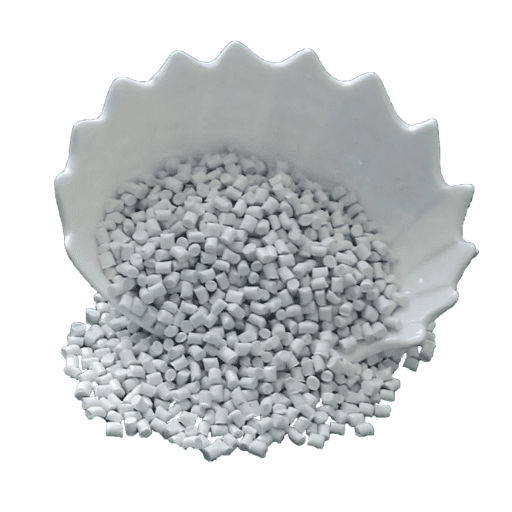
The first question most procurement teams ask is simple: what does each material cost right now? The answer depends on the form you are buying, the grade you need, and the region you source from. This polyester polyamide price comparison focuses on industrial resin and pellet grades. If you are sourcing finished pellets, our polyester pellets and polyamide pellets pages list current specifications and grades.
Resin and Pellet Prices (USD/kg)
The table below summarizes July 2026 indicative prices for the most common polyester and polyamide grades used in manufacturing. It is a practical PA66 PET price per kg 2026 reference for standard injection, extrusion, or fiber-grade materials bought in bulk. Specialty grades, flame-retardant, glass-filled, medical, or food-contact, will sit above these ranges.
| Material | Asia | North America | Europe |
|---|---|---|---|
| PET | 1.06–1.06–1.18/kg | ~$1.48/kg | ~$1.67/kg |
| PBT | 2.07–2.07–2.13/kg | 2.29–2.29–2.53/kg | 3.14–3.14–3.24/kg |
| PA6 | $1.73/kg | $2.67/kg | $2.12/kg |
| PA66 | $2.89/kg | 2.19–2.19–4.67/kg | 3.71–3.71–5.71/kg |
Sources: IMARC Group, Business Analytiq PA6 Index, ChemOrbis PET Prices
Notice the spread. PET is the low-cost baseline. PBT sits in the middle. PA66 is the clear premium option, especially in Europe where energy and feedstock costs push it toward $5.71/kg. PA6 is more accessible than PA66 but still trades above polyester in most markets.
Glass-filled grades follow a different curve. PA6 or PA66 with 30% glass fiber (GF30) typically ranges from $2.22/kg to $3.75/kg depending on volume, with high-volume contracts pulling the number closer to $2.40/kg. That volume leverage can narrow the effective gap between reinforced polyamide and unfilled PBT.
Fiber and Filament Prices
If your application is textile or fiber rather than molding, the cost structure changes but the hierarchy does not.
- Polyester staple fiber: $0.85–$1.05/kg globally in Q2 2026
- Polyester filament yarn (FDY/DTY): $0.95–$1.20/kg
- Polyamide FDY: $2.40/kg in Northeast Asia, up to $3.41/kg in Europe
- Polyamide staple/filament: generally 35% to 100% above comparable polyester grades
These numbers come from Polyestertime and Business Analytiq. The polyamide premium is smaller in Asia because local caprolactam supply and large nylon producers keep the market competitive. In Europe, energy-intensive polymerization drives the price much higher.
Fabric Prices for Context
For buyers sourcing fabric rather than resin, the same pattern appears:
- Polyester fabric: 0.60–0.60–1.20 per yard
- Polyamide/nylon fabric: 1.20–1.20–2.50 per yard
This is useful context, but our focus is industrial procurement. If you are buying pellets or resin, the relevant numbers are the resin and pellet figures above.
Need a current quote for PET, PBT, PA6, or PA66 pellets? Contact our polymer specialists for transparent bulk pricing and grade-specific recommendations.
Why Polyester and Polyamide Cost Differ
The raw price gap is not random. Several structural factors keep polyamide more expensive than polyester. Understanding the nylon polyester cost difference starts with the chemistry behind each material.
Feedstock Complexity
Polyester starts with purified terephthalic acid (PTA) and monoethylene glycol (MEG). Both are commodity chemicals produced at enormous scale, especially in Asia and the Middle East. Stable feedstock supply keeps polyester pricing predictable.
Polyamide relies on different chemistry. PA6 uses caprolactam. PA66 uses adipic acid and hexamethylenediamine (HMDA). These monomers are produced by fewer suppliers and are more exposed to benzene and energy markets. When benzene moves, caprolactam and adipic acid follow quickly.
Production Scale and Energy Intensity
Global polyester capacity sits around 135–140 million tons per year. Polyamide capacity is far smaller. That scale difference means polyester benefits from greater competition, better logistics infrastructure, and lower per-unit fixed costs.
Polyamide polymerization is also more energy-intensive. Industry estimates suggest polyamide production requires 40–60% more energy per kilogram than polyester polymerization. In energy-sensitive regions like Europe, that difference shows up directly in the price.
Market Concentration and Volatility
The PA66 market is especially concentrated. A small number of producers control the adiponitrile and HMDA supply chain that feeds PA66. Any disruption, plant maintenance, force majeure, or geopolitical pressure on feedstock, creates sharp price moves.
In early 2026, Celanese announced price increases of $0.25/kg for PA6 and $0.20/kg for PA66 in the Americas, effective February 1. European buyers saw similar announcements. U.S. polyamide prices climbed 3.41% in late January and continued rising into February, according to Chemanalyst.
Polyester has not been immune to oil and energy volatility, but its larger capacity base absorbs shocks more smoothly.
Regional Polyester and Polyamide Cost Differences in 2026

Where you buy matters almost as much as what you buy. The table below shows how polyester and polyamide cost spreads change by region. For a full material comparison beyond pricing, see our complete polyamide vs polyester guide.
| Region | PET | PA6 | PA66 | Key Driver |
|---|---|---|---|---|
| Asia | Lowest | Low | Moderate | Local feedstock, high capacity |
| North America | Moderate | High | Wide range | Logistics, energy, producer concentration |
| Europe | Highest | Moderate | Highest | Energy costs, environmental compliance |
Asia: The Low-Cost Baseline
Asia, and China in particular, offers the most competitive pricing for both materials. Local PTA/MEG production, massive polyester capacity, and integrated nylon producers keep margins thin. For buyers with acceptable lead times, Asian sourcing can reduce polyamide spend by 30–50% compared with European prices.
North America: Stable Polyester, Volatile Polyamide
PET in North America trades near $1.48/kg, a moderate premium over Asia but still predictable. PA66 is more volatile. Depending on the month and contract, it can range from roughly $2.20/kg to over $4.60/kg. The wide spread reflects the concentrated producer base and periodic supply tightness.
Europe: High Energy Costs Drive the Premium
Europe consistently shows the highest polyamide prices. PA66 has traded between $3.71/kg and $5.71/kg, while PA6 sits around $2.12/kg. Polyester is also higher than in Asia, PET near $1.67/kg, but the polyamide premium is especially painful for European manufacturers.
For procurement teams, this means regional sourcing decisions can reshape the cost equation. A European buyer willing to source PA66 from Asia may cut material spend significantly, provided logistics, duties, and quality assurance are managed well. To gain a deeper understanding of Polyester and Polyamide Market Trends 2026: What Procurement Managers Need to Know, please click to refer to our accompanying guide.
Recycled vs. Virgin: How Sustainability Affects Cost
Sustainability targets are pushing more buyers to compare recycled options. The financial picture is different for each material family.
Recycled Polyester (rPET)
The rPET supply chain is mature. Recycled polyester pellets and fiber are widely available, and the cost premium over virgin has narrowed. In fiber applications, rPET often carries only a 5–10% premium. In pellet form, high-quality rPET can be cost-competitive with virgin PET for non-food applications.
This makes rPET an easy sustainability win when the application allows it. Consumer goods, packaging, textiles, and some industrial components can switch without a major budget hit.
Recycled Polyamide (rPA)
Recycled polyamide is less mature. Mechanical recycling of nylon can degrade molecular weight and performance, so supply is more limited and quality control is stricter. Recycled PA6 pellets have been quoted at 835–835–900 per ton for 10-ton bulk orders, which is competitive with some virgin grades, but premium recycled polyamide such as ECONYL can cost 10–15% more than virgin PA.
For buyers, the decision is less about saving money and more about brand positioning or regulatory compliance. rPA makes sense when customers demand recycled content or when waste-stream recycling creates a closed loop.
When Recycled Makes Financial Sense
- rPET: Strong financial case for most non-food applications; small premium or parity with virgin
- rPA: Financial case is weaker unless volume is large, quality requirements are moderate, or brand premiums offset the cost
Hidden Costs That Affect Polyester and Polyamide Cost

Comparing polyester and polyamide cost only by the kilogram misses the processing expenses that determine true part cost.
Drying Requirements
Polyamide absorbs moisture. PA6 can absorb up to 3.5% moisture at saturation, and PA66 is similar. Before injection molding, pellets must be dried to below 0.1% moisture. That means desiccant dryers, energy, floor space, and operator attention.
Polyester absorbs less than 0.5% moisture. PET and PBT still benefit from drying, but the requirement is far less strict. The operational cost difference is real: drying polyamide can add an estimated 0.10–0.10–0.30 per kilogram in energy and labor equivalent.
Cycle Time and Energy
PET crystallizes and cools faster than PA66 in equivalent wall thicknesses. Faster cooling means shorter cycle times, more parts per hour, and lower machine-hour cost per part. In high-volume production, this can offset a meaningful share of the resin premium.
Polyamide molds well but may need slightly longer cooling or more careful process control, especially in humid environments. The difference is not dramatic for every part, but it compounds over millions of units.
Dimensional Stability and Scrap
Here is where polyester often wins. PET holds tight tolerances and resists moisture-induced dimensional change. Polyamide can swell, warp, or change fit after molding if moisture absorption is not controlled. Scrap and rework from moisture-related defects can add 3–8% to effective part cost in PA molding.
One electronics manufacturer in Shenzhen learned this the hard way. The team switched from PET to PA66 housings to improve impact resistance. The resin cost doubled, but the real damage came from warped assemblies that no longer fit the PCB mounting points. After three months, they returned to PET for that product line and absorbed a smaller redesign instead.
That story illustrates a key rule: the cheapest resin per kilogram is not always the lowest-cost choice for the finished part.
Application-Based Cost Selection Framework
Price data only becomes useful when you connect it to performance requirements. Below is a simple framework for choosing between polyester and polyamide based on total cost, not just material cost.
Choose Polyester When Cost and Stability Matter Most
Polyester is the better economic choice when the application demands:
- Dimensional precision: connectors, sensor housings, relay bases
- Low moisture absorption: outdoor parts, electrical enclosures
- UV and weather resistance: banners, outdoor textiles, exterior trim
- High-volume, cost-sensitive production: packaging, consumer goods
- Fast cycle times: thin-wall parts, high-cavity molds
For example, a German electronics OEM switched its sensor housings from PA66 to PBT. The material cost fell roughly 25%, cycle time improved, and moisture-related assembly defects dropped by nearly half. The total cost per part fell even though PBT was not the absolute cheapest resin available.
Choose Polyamide When Performance Justifies the Premium
Polyamide earns its higher price when the application demands:
- High strength and toughness: gears, bearings, structural brackets
- Abrasion and wear resistance: bushings, slides, conveyor components
- Oil and fuel resistance: automotive under-hood parts
- Self-lubrication: moving parts that eliminate grease systems
- Fatigue resistance: safety-critical components, load-bearing parts
A U.S. automotive Tier 1 supplier ran the numbers on radiator end tanks. PA66 cost roughly twice as much as the PET alternative. But the PA66 part withstood under-hood heat and coolant exposure without the cracking that had triggered warranty claims. The warranty cost avoided was far larger than the material premium.
Break-Even Thinking
The practical test is simple. Polyamide usually pays for itself when it enables one or more of the following:
- A material reduction of 15% or more compared with polyester
- Elimination of a secondary lubrication or maintenance system
- Prevention of a field failure or warranty claim
- Extension of service life by a meaningful margin
If none of those apply, polyester is probably the lower-total-cost option.
2026 Procurement Strategy: Timing and Volume

Smart buying can reduce the polyester and polyamide cost gap even when market prices are moving against you. This section acts as a practical polymer resin pricing guide for buyers planning the second half of 2026.
Market Timing
Polyester has been stable to soft through most of 2026. Global capacity is ample, and utilization has stayed in the low-to-mid 80% range. This makes it a good time to negotiate longer-term contracts for predictable volumes.
Polyamide is under upward pressure. Price increases announced in early 2026 have held, and supply remains tighter than polyester. Buyers who can lock volumes now may avoid further increases. Those who wait for a dip risk paying more in Q3 or Q4.
Volume Leverage
Supplier pricing changes significantly with volume. Standard trading MOQs often start at 500–1,000 kg. Factory-direct commodity grades may require 20 tons or more per shipment. Understanding bulk plastic pellet cost tiers is essential: at high volume, PA66 GF30 can approach $2.40/kg, which narrows the gap with unfilled PBT or premium PET grades.
For mixed material programs, consolidating PET and PA purchases with one supplier can strengthen negotiating position. Suzhou Yifuhui offers both standard and enterprise volume tiers, with custom discount structures for qualified manufacturing partners.
Contract vs. Spot Purchasing
Polyester’s price stability favors annual or semi-annual contracts. You gain predictability without much risk of missing a large price drop.
Polyamide’s volatility makes the contract decision more nuanced. If your forecast is firm and prices are still below recent peaks, locking a contract can protect margins. If volumes are uncertain, shorter-term agreements or strategic spot buying may be safer.
FAQ: Polyester and Polyamide Cost Questions

Is polyester cheaper than polyamide?
Yes. Polyester resin, fiber, and fabric consistently cost less than polyamide. The premium varies by region and grade, but polyamide is typically 1.5x to 3x the cost of polyester on a per-kilogram basis.
How much does polyamide cost per kg in 2026?
PA6 ranges from roughly $1.73/kg in Asia to $2.67/kg in North America. PA66 ranges from about $2.19/kg in North America to $5.71/kg in Europe, with Asia around $2.89/kg. Specialty and glass-filled grades cost more.
Why did polyamide prices increase in 2026?
Rising energy costs, higher benzene and caprolactam feedstock prices, and supply concentration in the PA66 chain pushed prices up. Celanese and other producers announced increases of 0.20–0.20–0.25/kg in early 2026.
Which is more expensive: PA66 or PET?
PA66 is significantly more expensive. Virgin PET trades between $1.06/kg and $1.67/kg depending on region, while PA66 can range from $2.19/kg to $5.71/kg.
Are recycled polyamide pellets more expensive than recycled polyester?
Usually yes. rPET is often near parity with virgin PET or carries a small premium. rPA is less mature and can cost 10–15% more than virgin PA, though bulk recycled PA6 pellets can be competitive at volume.
What hidden costs should I consider beyond resin price?
Drying energy, cycle time, scrap and rework, dimensional stability, and field-failure risk all affect total cost. Polyamide’s higher resin price is only part of the story.
When does polyamide’s higher upfront cost result in lower total cost of ownership?
When it prevents warranty claims, eliminates lubrication systems, enables thinner-wall designs, or extends service life in abrasive or high-load applications.
How do regional prices differ for polyester and polyamide?
Asia is lowest for both. Europe is highest, especially for polyamide. North America sits in the middle for polyester but shows wide variation for PA66.
Conclusion
Understanding polyester and polyamide cost in 2026 means looking past the per-kilogram sticker price. Polyester offers lower resin cost, faster processing, and stable supply. Polyamide demands a premium but delivers performance that can pay for itself in the right application. To learn more about How to Choose a Polyester and Polyamide Supplier and Recycled Polyester and Polyamide Pellets: A Manufacturer’s Sourcing Guide, please click to view our accompanying guide.
The most important takeaways:
- PET remains the low-cost baseline, while PA66 carries the highest premium, especially in Europe.
- Regional sourcing matters: Asian prices can be 30–50% lower for polyamide than European prices.
- Recycled polyester is now mainstream; recycled polyamide is still a strategic or compliance-driven choice.
- Processing costs widen or narrow the gap: drying, cycle time, and scrap can change the true cost per part.
- Total cost of ownership beats resin price: choose polyamide only when performance prevents failure or cuts downstream expense.
If you are planning a material program for the second half of 2026, start with your application requirements. Then model resin, processing, and risk costs together. The right material is the one that protects your margin while meeting performance specs.
Ready to lock in competitive pricing for PET, PBT, PA6, or PA66 pellets? Request a custom quote today. Our team will review your volume, grade, and delivery requirements and respond within 24 hours with transparent bulk pricing.